WWF-Australia News
2010 and Beyond: Rising to the Biodiversity Challenge

At the start of the millennium the United Nations set a clear, measurable objective for biodiversity conservation. We are now only two years away from reporting on the target agreed by the Parties to the Convention on Biological Diversity (CBD) in 2002: to achieve by 2010 a significant reduction of the current rate of biodiversity loss at global, regional and national levels as a contribution to poverty alleviation and to the benefit of all life on Earth. The EU countries also agreed in 2002 to a more ambitious target - to halt biodiversity loss by 2010.
Continue reading '2010 and Beyond: Rising to the Biodiversity Challenge'
Australian Species and Climate Change
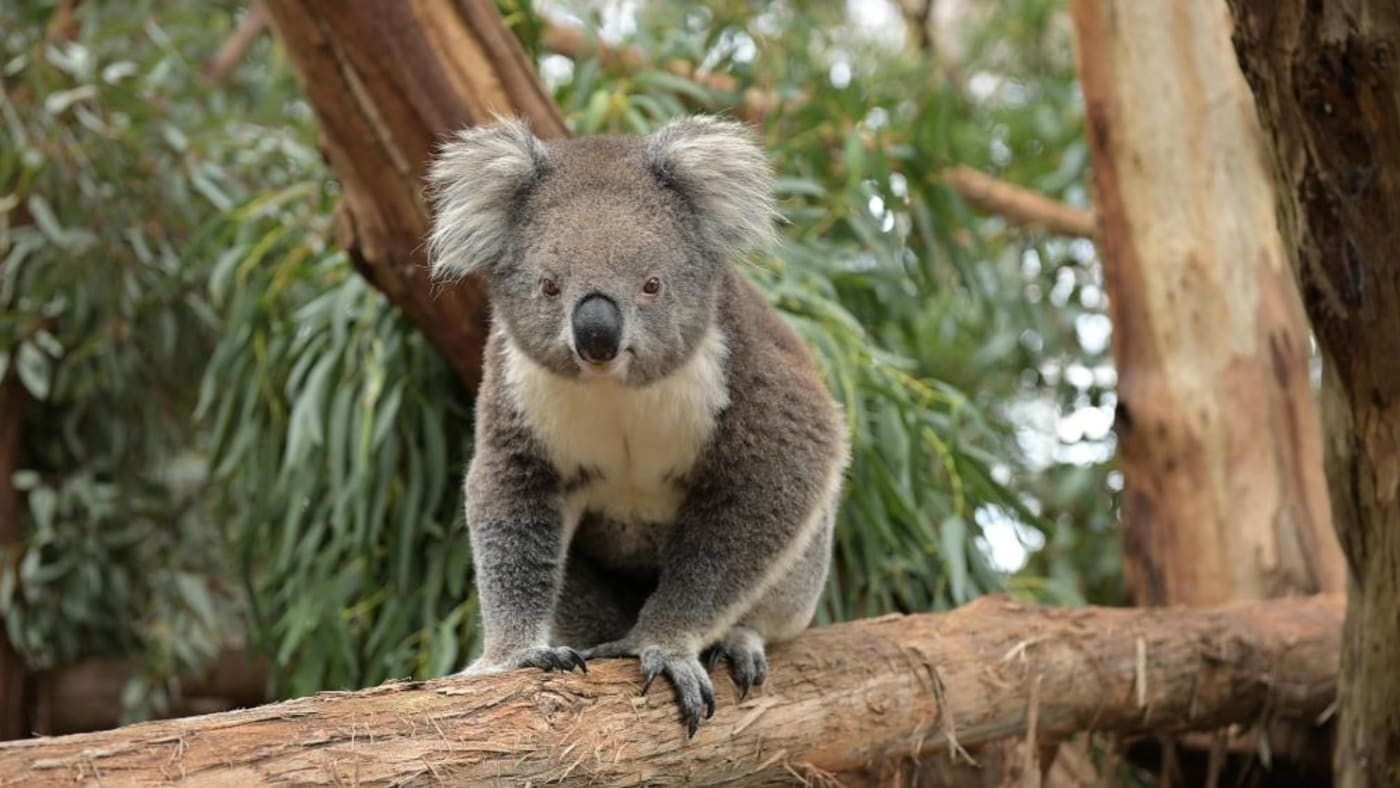
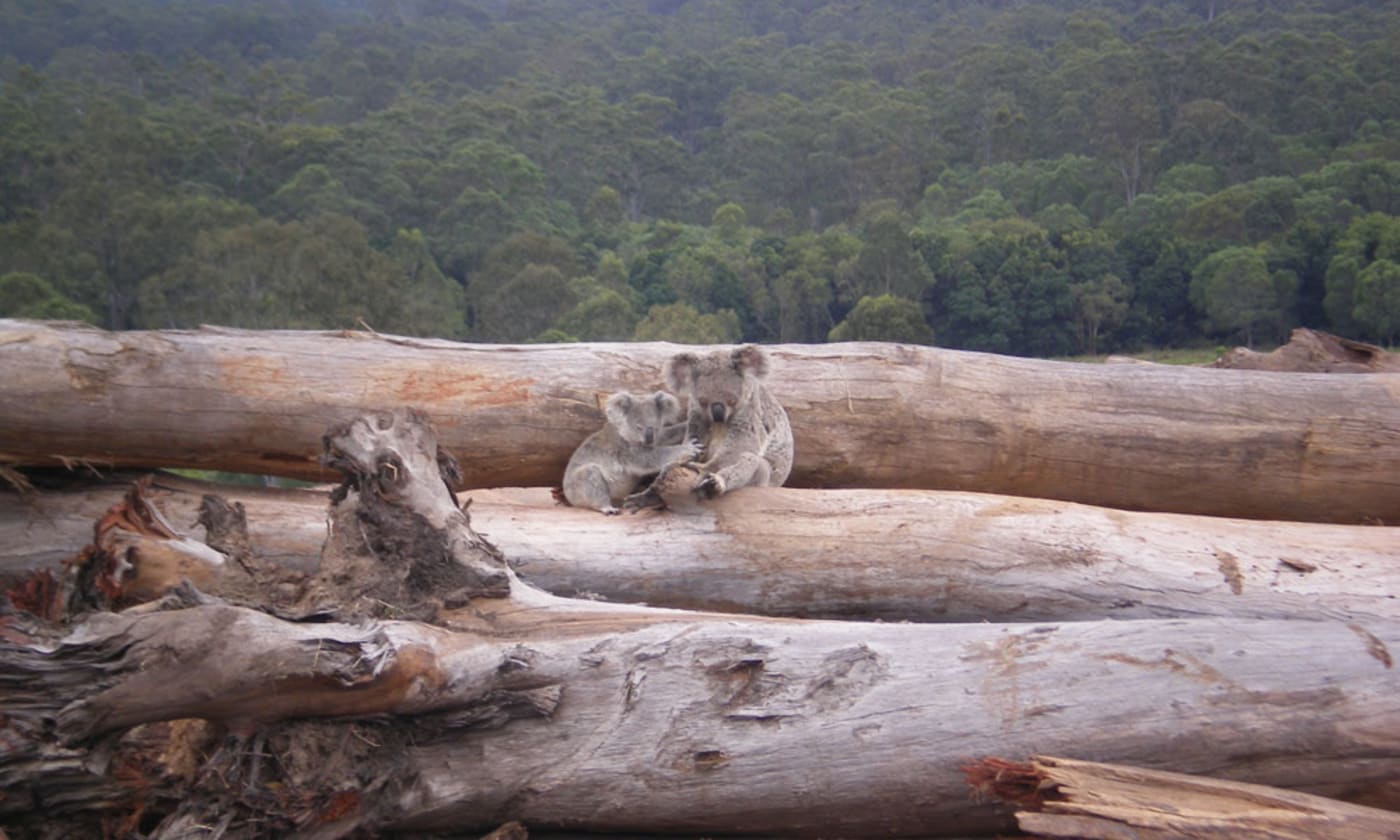
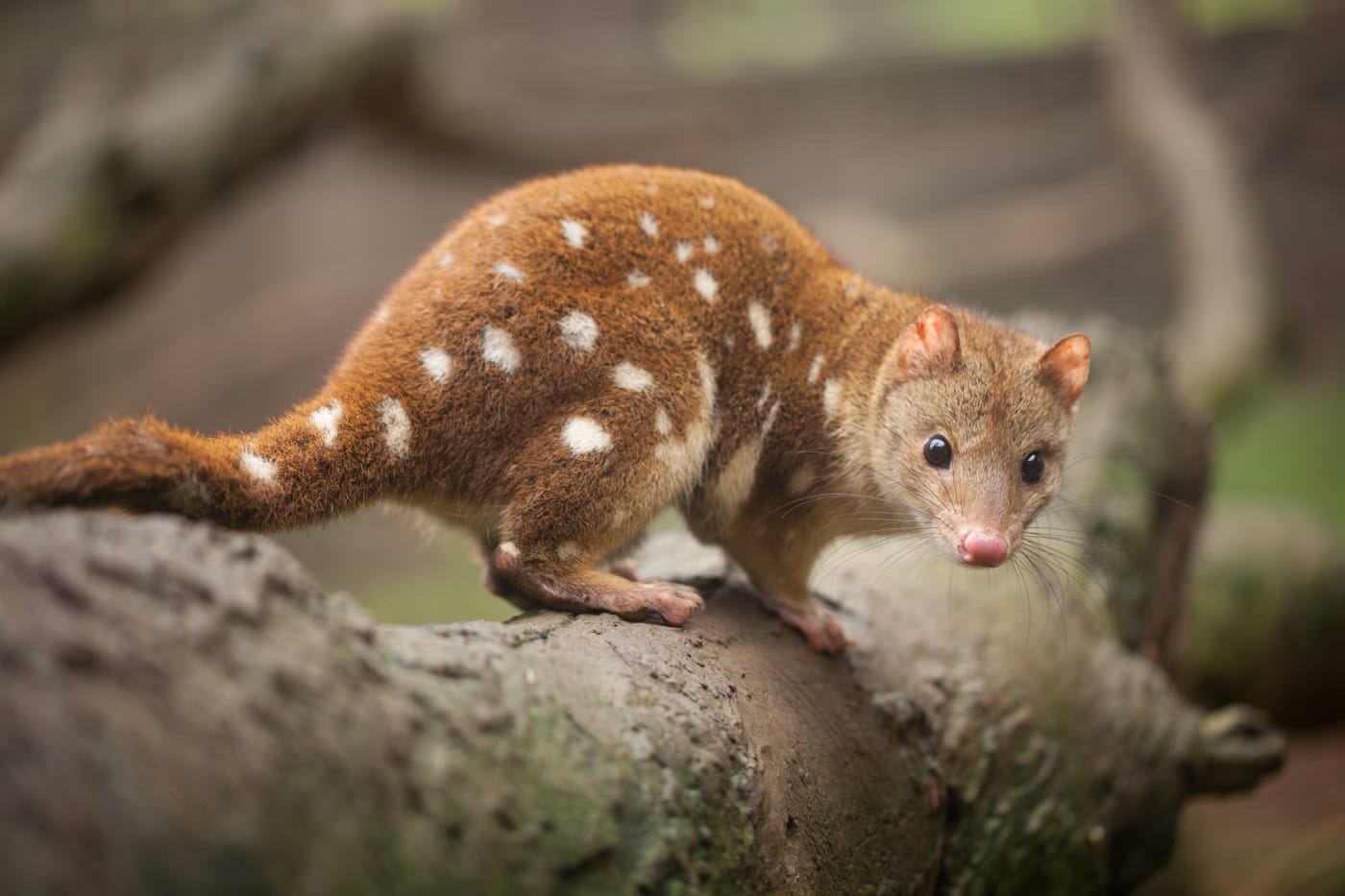
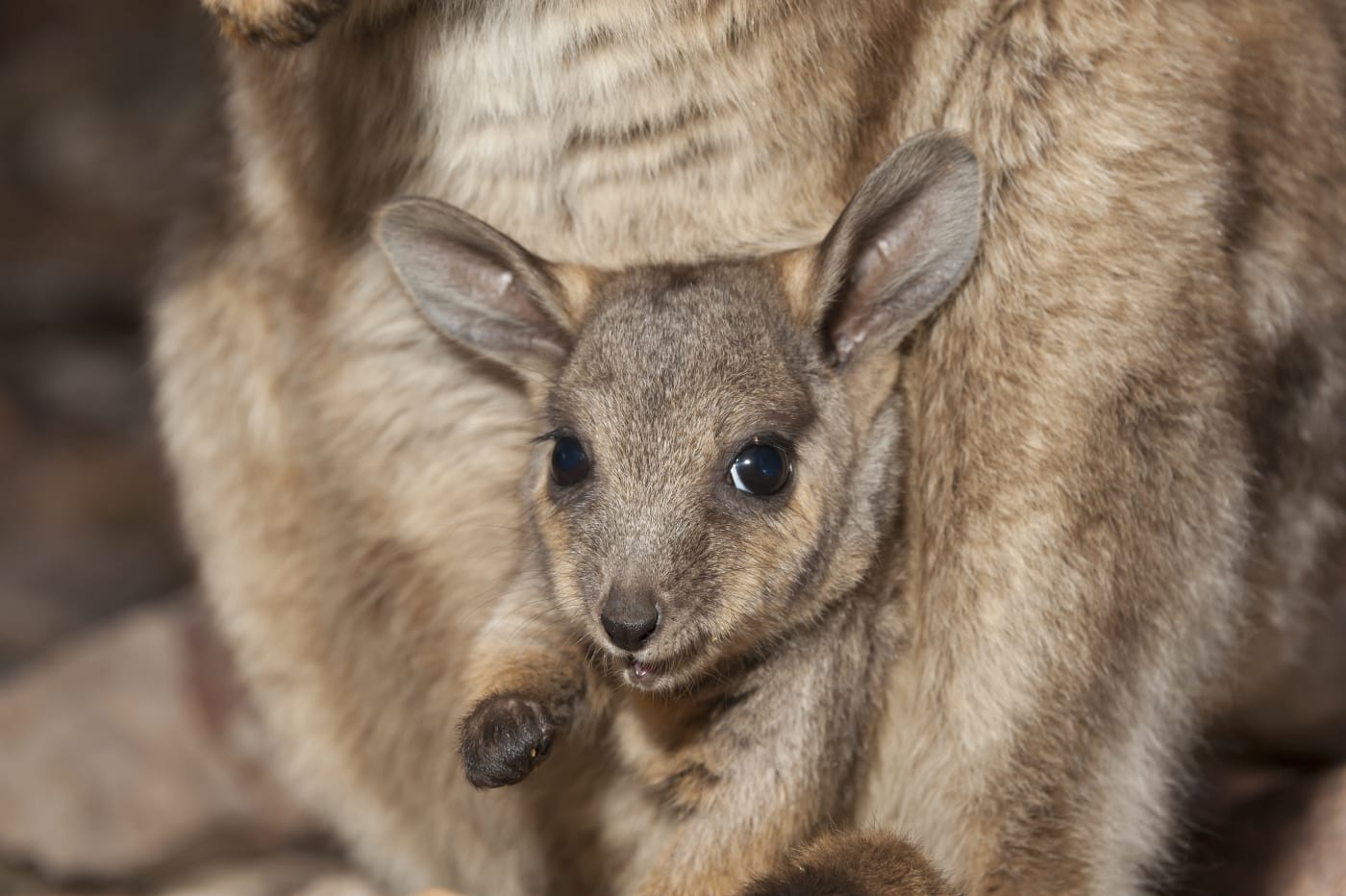
Australia already has the worst rate of mammal extinction in the world. Almost 40 per cent of mammal extinctions globally in the last 200 years have occurred in Australia. This incredible continent is losing species at an unprecedented rate and, as most species found here aren't found anywhere else, the loss of Australian species is a loss for the whole world. The habitat destruction and alteration, invasive species and altered fire regimes, that have occurred as a result of our use of the land, are the major factors in driving Australia's shocking extinction record.
Missing biodiversity target puts people at risk
Gland, Switzerland: Future generations face hunger, thirst, disease and disaster if we carry on trashing the environment, the conservation organization WWF cautioned today as it launches its 2010 and Beyond: Rising to the Biodiversity Challenge report.
Environment spending welcomed but action required
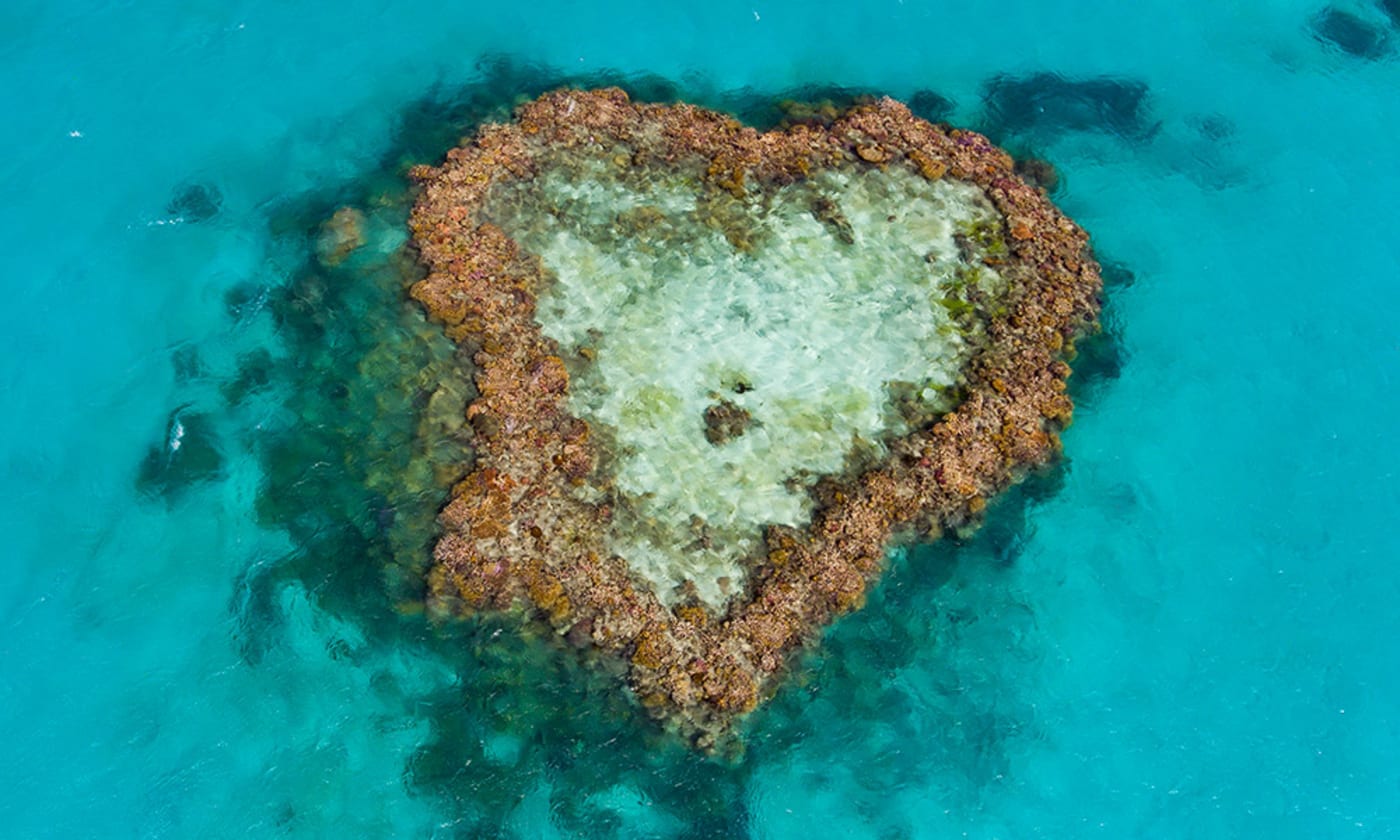
WWF-Australia today welcomed the Rudd Government's first budget, applauding new budget measures for protected areas, Indigenous conservation, water buyback, and the Great Barrier Reef – key elements of a national climate rescue package for Australia's irreplaceable natural heritage.
$15m for weeds research a winner
WWF-Australia today welcomed the Australian Government's announcement to spend $15 million on a new National Weeds and Productivity Research Program in its budget next week, and warned of a new wave of invasive weeds threatening to jump the garden fence and take hold in Australian bushland.
More: Feature articles | Latest media releases | RSS feeds