Skip to content
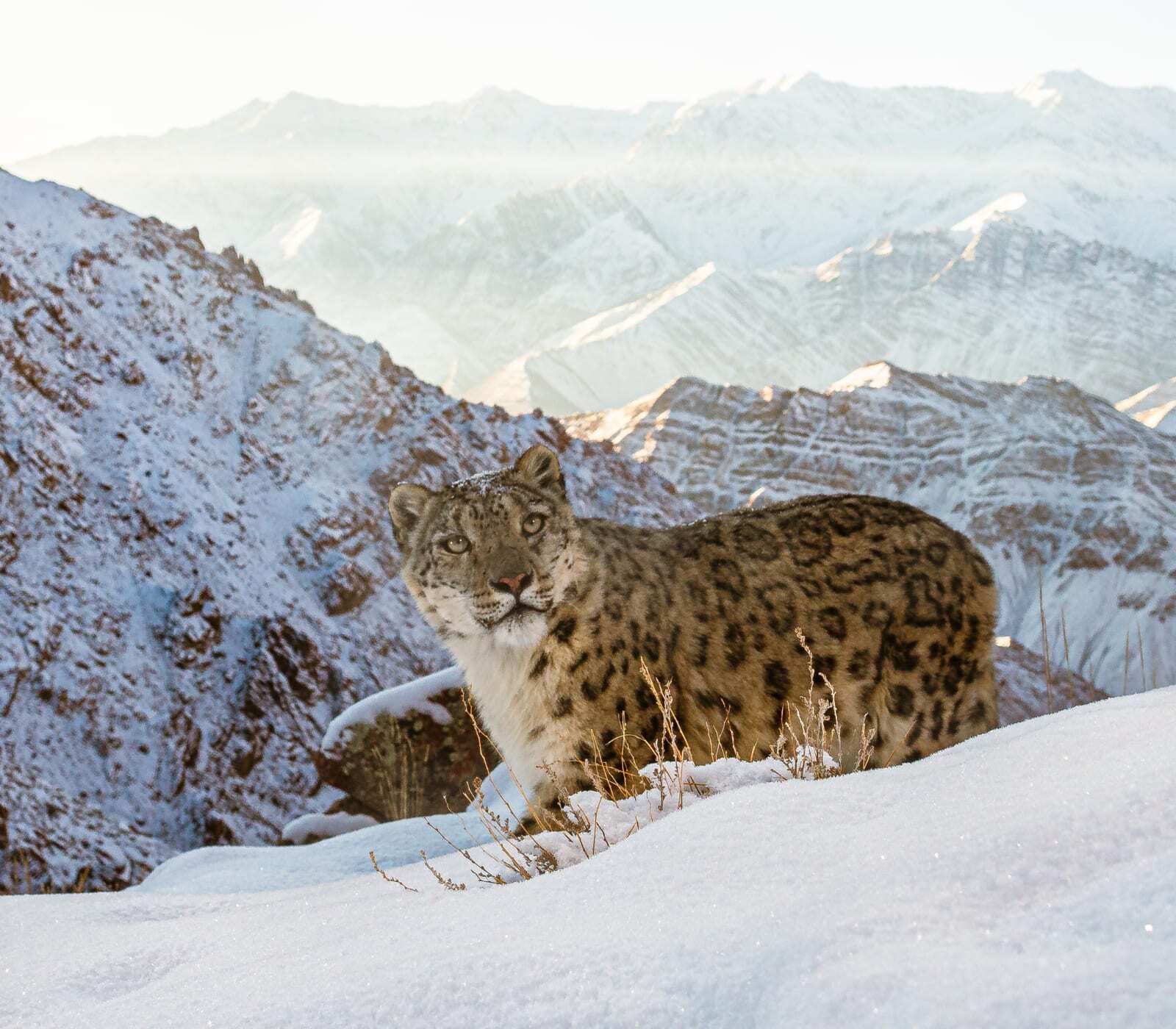
A wild snow leopard triggers a DSLR sensor camera high up in mountains of Ladakh in the Indian Himalayas.
A wild snow leopard triggers a DSLR sensor camera high up in mountains of Ladakh in the Indian Himalayas. © Sascha Fonseca / WWF-UK

Amazing images of snow leopards caught on camera in India.

The image above, and other superb photographs, are the fruits of a three-year sensor camera project conducted by prize-winning German photographer Sascha Fonseca in the high-altitude Ladakh region of northern India.

“The mystery surrounding snow leopards always fascinated me,” says Sascha. “They are some of the most difficult large cats to photograph in the wild.”

He explains how following the animal in its freezing-cold, high-altitude terrain is a daunting challenge for any photographer, but that sensor cameras can do the work for you. Even then, it’s hit and miss.

“Of course,
I got a lot of photos of snow and other
animals,” he says. “Sensor cameras can be frustrating, but also rewarding.
You never know what you’ll get.”

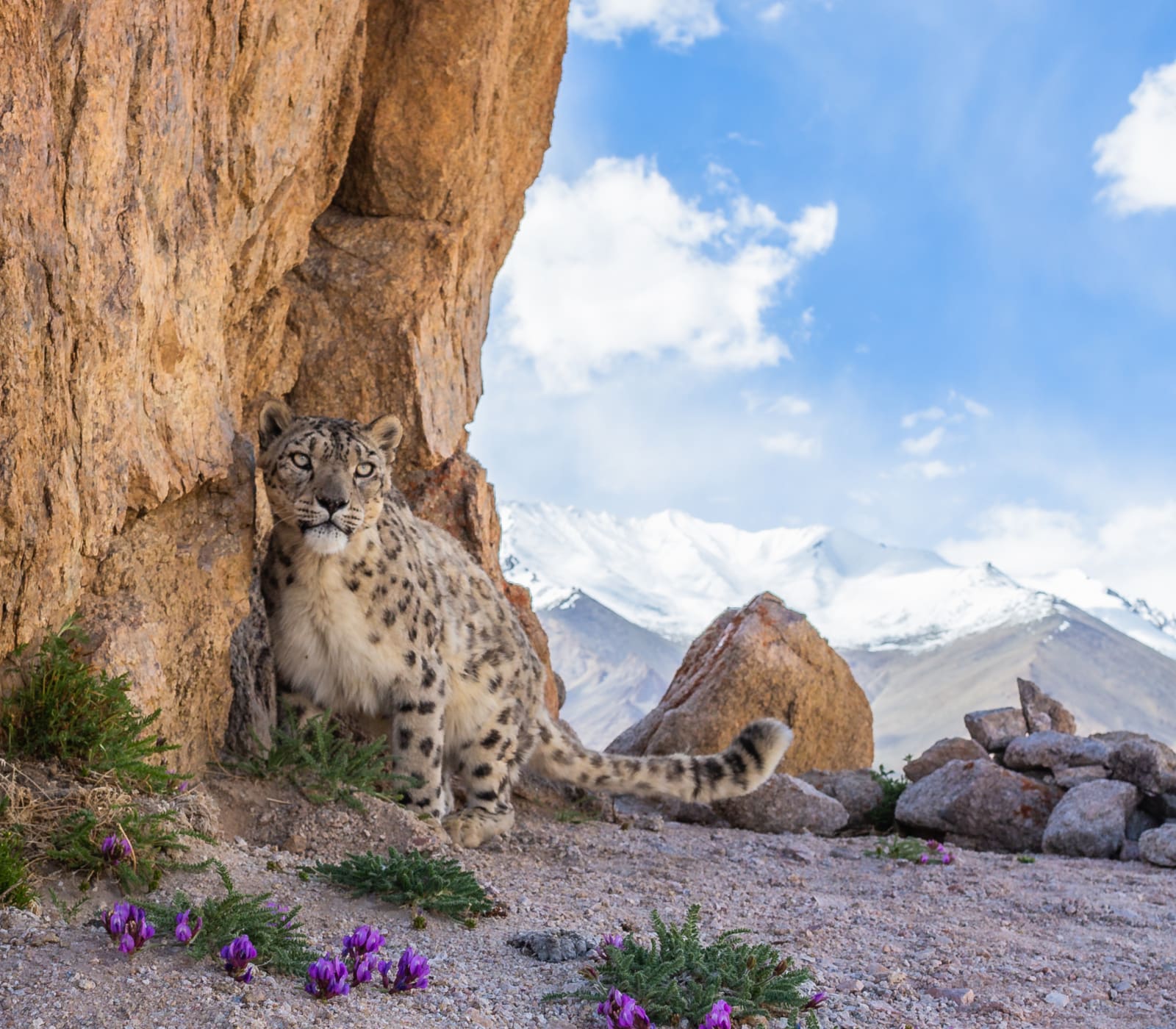
A wild snow leopard triggers a DSLR sensor camera high up in mountains of Ladakh in the Indian Himalayas.
A wild snow leopard triggers a DSLR sensor camera high up in mountains of Ladakh in the Indian Himalayas. © Sascha Fonseca / WWF-UK

How the cameras work

Sensor cameras aren’t only for wildlife
photographers – today they’re a standard
tool for researchers and conservationists.
There are two basic kinds. The first uses
active infrared technology: a transmitter
placed on one side of a trail sends out an
invisible beam of infrared light to a receiver
on the other side and when this is broken
– say, by a snow leopard walking through it
– the receiver electronically triggers one (or
more) cameras to take a picture.

The other uses passive infrared: a single
camera is linked to a detector that scans
the surroundings for infrared energy
emitted by warm-bodied animals. When
the sensor detects both
heat and movement,
the camera takes
a picture.

Sensor cameras
can be set to
record video
or to capture
multiple images just seconds apart, and they
can store thousands of pictures on a
single memory card. Crucially, they’re
non-intrusive, so they don’t disturb the
animals or affect their behaviour. This
has opened up a whole new window for
wildlife research. For elusive species such
as the snow leopard, these cameras provide
solid, verifiable evidence of animals that
generally remain hidden from view, and
record behaviour that no observer would
otherwise witness.

A wild snow leopard triggers a DSLR sensor camera high up in mountains of Ladakh in the Indian Himalayas.
A wild snow leopard triggers a DSLR sensor camera high up in mountains of Ladakh in the Indian Himalayas. © Sascha Fonseca / WWF-UK

There are many other uses for sensor cameras. They can help reveal how wild
animals and livestock interact with each
other, and provide a dynamic new tool
against poaching, sending images to park
rangers over phone or satellite networks in
near real time. The images and videos they
produce also make them excellent tools
for engaging with the public and inspiring communities who live alongside wildlife.

Spotting patterns

Researchers studying snow leopards first
use traditional clues, such as tracks and
droppings, to discover the cats’ habitual
routes and resting places. They then set
up their sensor camera in places the felines
are likely to visit. It may be weeks or even
months before a snow leopard passes
the same way again or before the scientist
can return for the images, so the cameras
need to be tough and able to withstand
sub-zero temperatures.

Each snow leopard has a unique pattern
of spots. To identify an individual beyond
doubt, you need to see the patterns on both sides of its body. In
early research, two cameras
were set up at each location
in order to photograph the
animal from both sides.
Now, with passive infrared,
a single camera can usually
achieve this as the cat
moves around.
Scientists study the
downloaded images
carefully, matching the
snow leopard’s pattern
against a database of
animals known from
previous surveys.

The more
images they have to work
with, the better. Computer
software can confirm
an animal’s identity, and
algorithms can estimate the number of snow leopards
within the area surveyed.
Armed with these tools,
our knowledge of snow
leopards and our ability
to protect them are both
increasing rapidly.
Sascha Fonseca leaves
the data-crunching to the
scientists. He contributes to
snow leopard conservation
in his own unique way.

“By sharing their beauty with
the world, I hope to raise
awareness of their existence
and the importance of
protecting their habitats,”
he says. Anyone seeing
his spectacular images
must surely feel that same amazing inspiration.

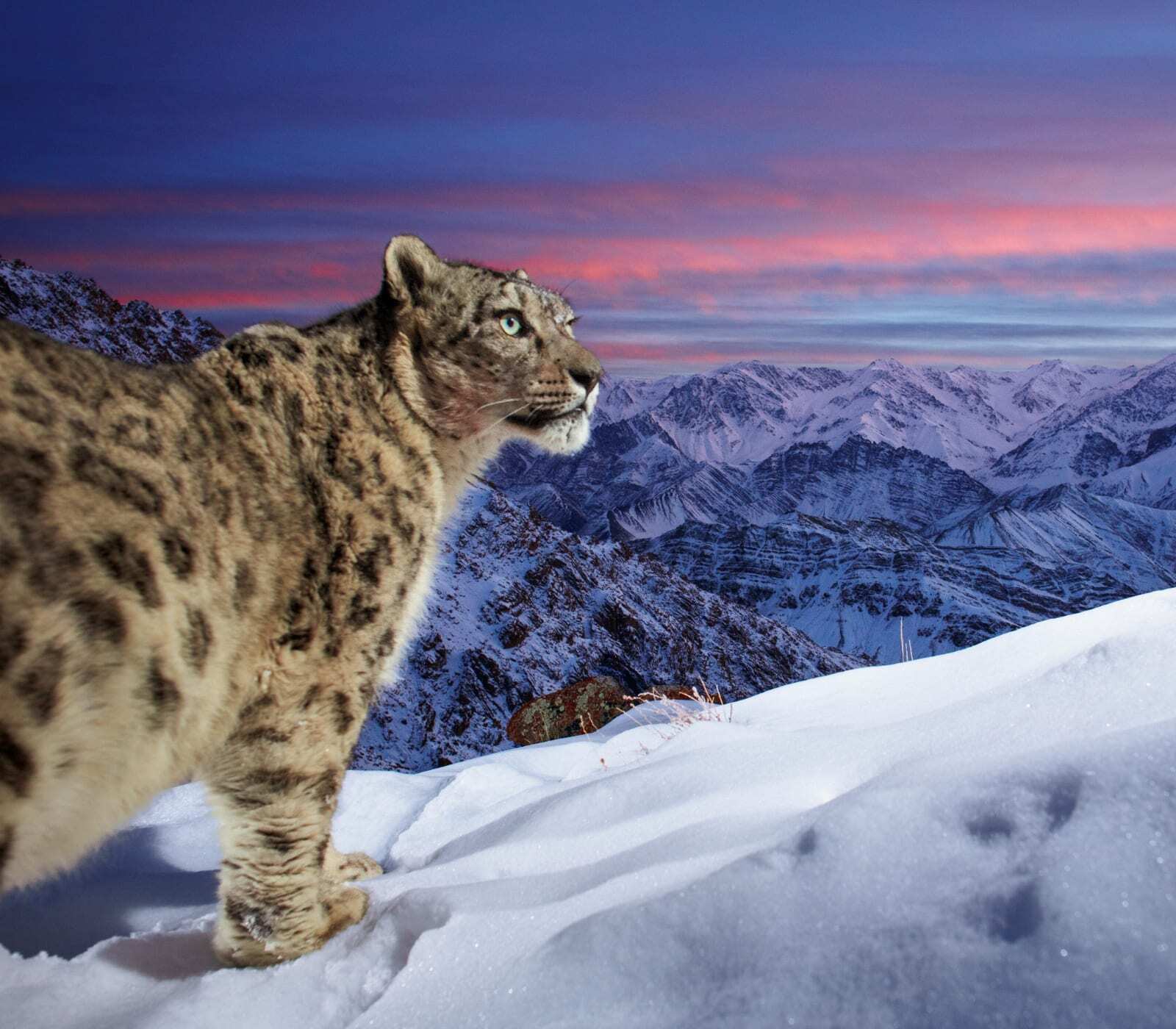
A wild snow leopard triggers a DSLR sensor camera high up in mountains of Ladakh in the Indian Himalayas.
A wild snow leopard triggers a DSLR sensor camera high up in mountains of Ladakh in the Indian Himalayas. © Sascha Fonseca / WWF-UK
Loading form…