Skip to content
A baby koala clings to its mother's back as the mother runs across the dry dirt ground.  © Shutterstock / Content Mint / WWF
© Shutterstock / Content Mint / WWF

Help Save Endangered Koalas from Extreme Heat and Habitat Loss

Right now, koalas are struggling to survive Australia’s hotter, drier summers.

Extreme heat, drought, bushfires and habitat loss are putting enormous pressure on koalas. As forests are cleared, fragmented and degraded, koalas lose the connected habitat they need for food, shade, shelter and protection.

Without urgent action, more koalas could be left vulnerable to heat stress, habitat loss and climate-driven disasters.

You can help change this.

Make a donation today to help koalas beat the heat.

How Your Donation Helps Save Koalas

Your gift can help koalas survive hotter, drier summers by restoring the forests they depend on.

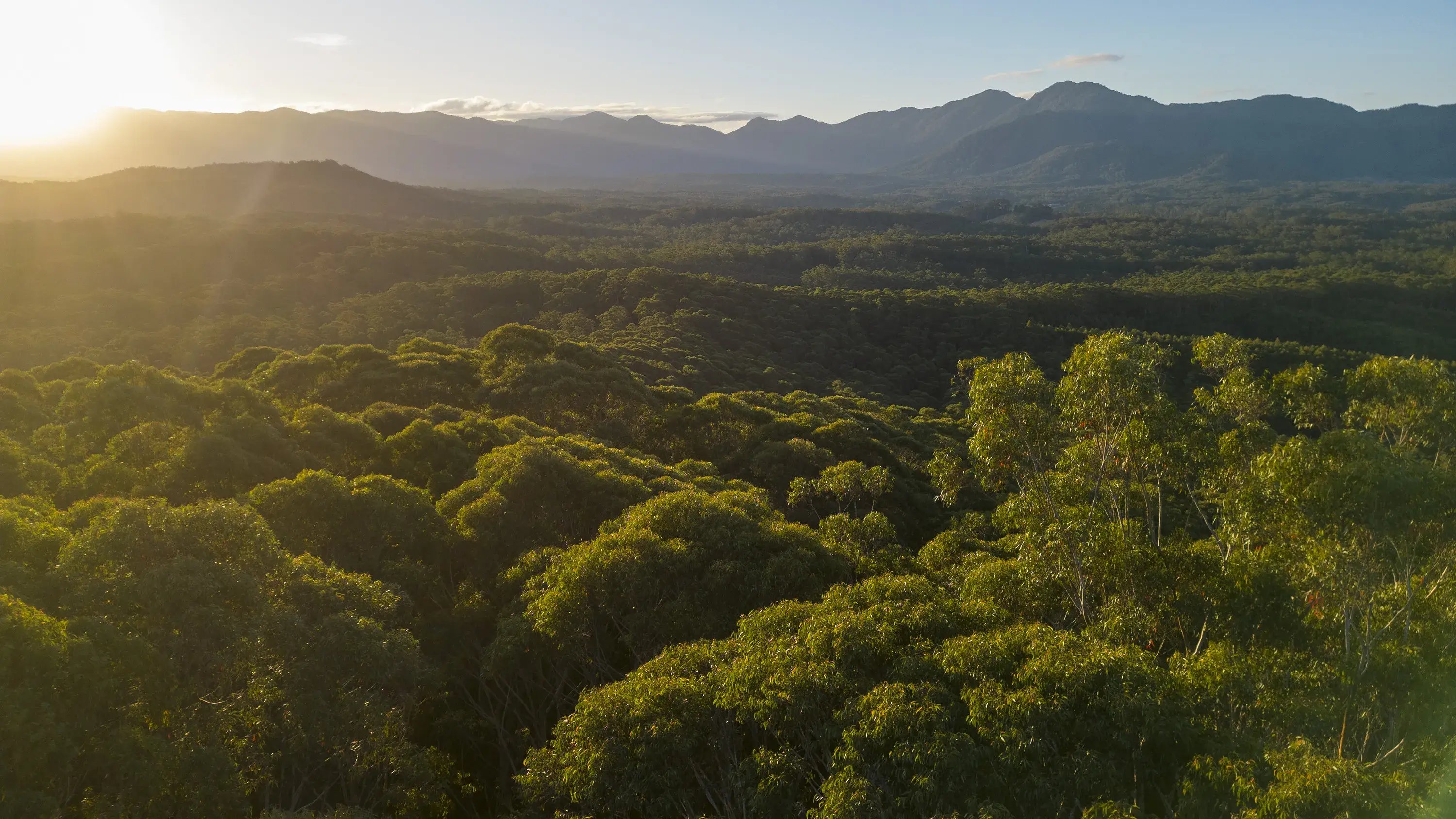
Healthy, connected forests give koalas access to food, shade, shelter and safer ways to move through the landscape. They can also provide refuge during heatwaves, drought and other extreme weather.

As climate change intensifies and habitat continues to disappear, protecting and restoring forests is vital to the future of koalas.

Your support can help:

  • Restore habitat corridors that reconnect fragmented forests.
  • Create cool climate refuges where koalas can find relief during heatwaves and drought.
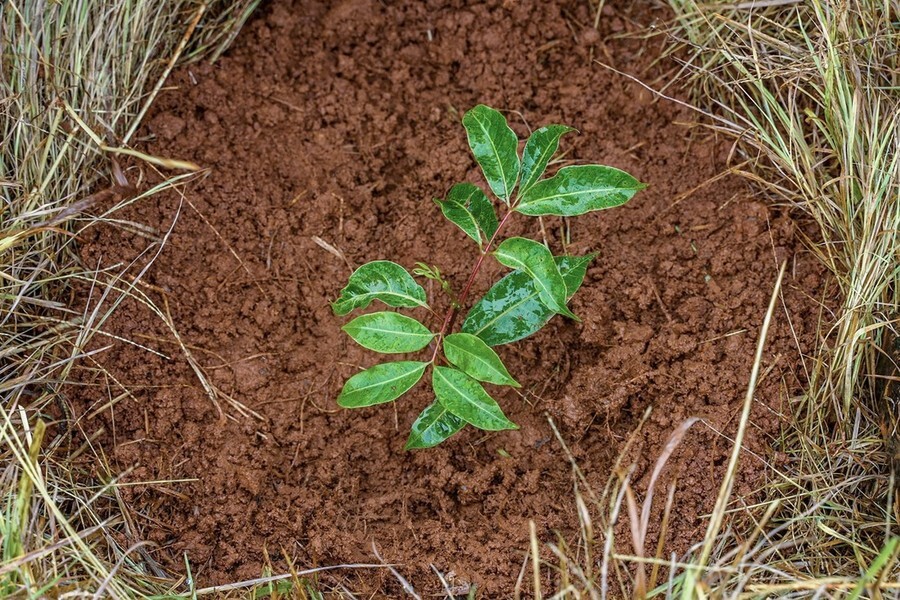
  • Grow climate-resilient forests that provide food, shelter and shade.
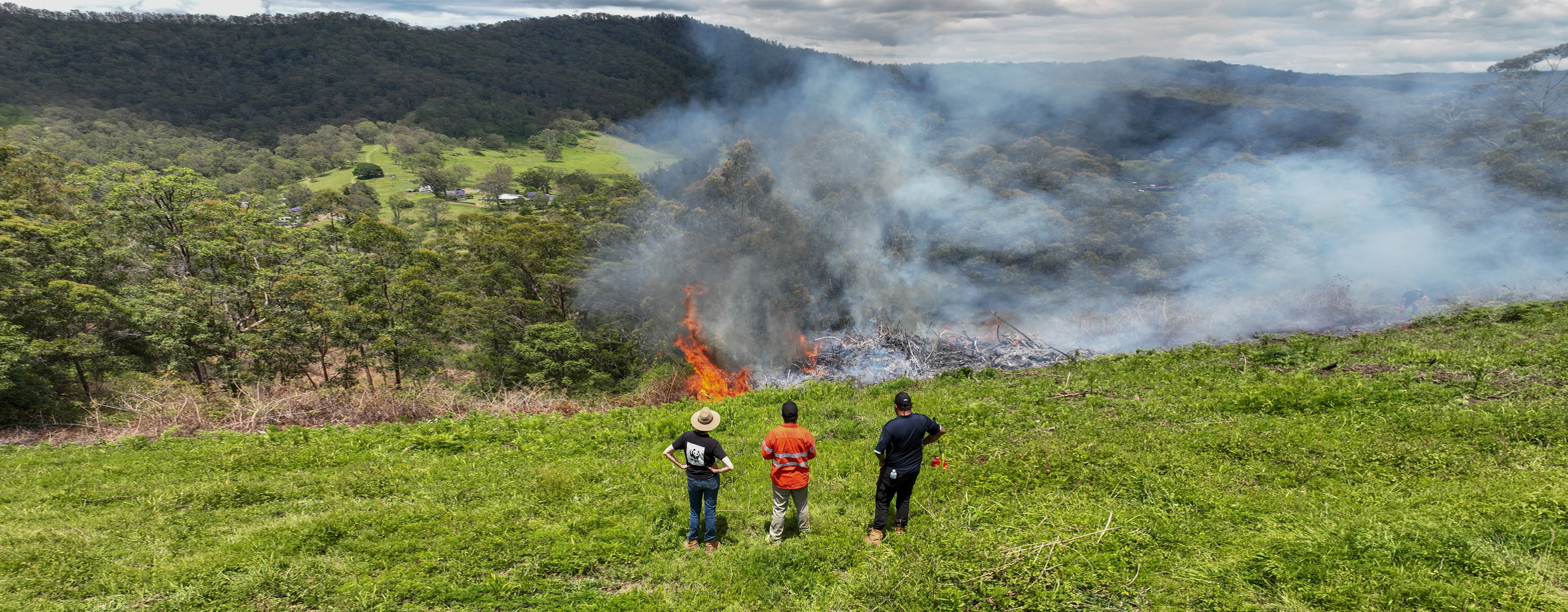
  • Support cultural burning practices that help keep forests healthy and reduce the risk of severe bushfires.

You can help create healthier, more connected landscapes where koalas have a better chance to survive.

Donate today to help save koalas.

Why hotter summers are dangerous for koalas

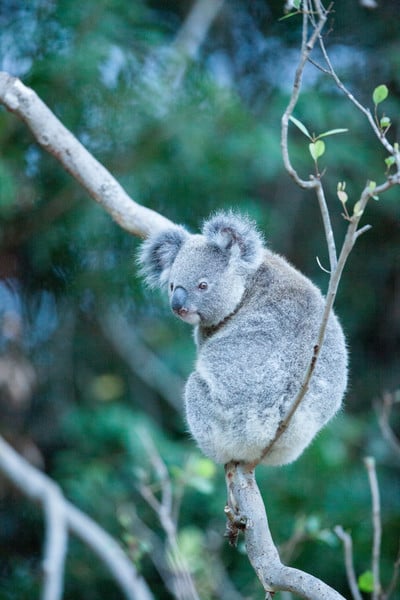
High up in a eucalypt tree, a koala shelters from the summer heat.

But the forest around him isn't what it used to be.

As Australia's summers become hotter and drier, koalas are finding it harder to cope. Healthy forests once provided the shade, moisture and protection they needed to escape extreme heat. But many of those natural lifelines have been lost.

On scorching days, a koala may be forced to leave the safety of the trees in search of food, water or shelter. That can mean crossing dangerous open ground, exposed to heat, cars and domestic animals.

For koalas already under pressure, the loss of healthy, connected habitat can become a matter of life and death.

Your donation can help restore and reconnect the forests koalas need to survive a hotter future.

Help restore koala habitat.

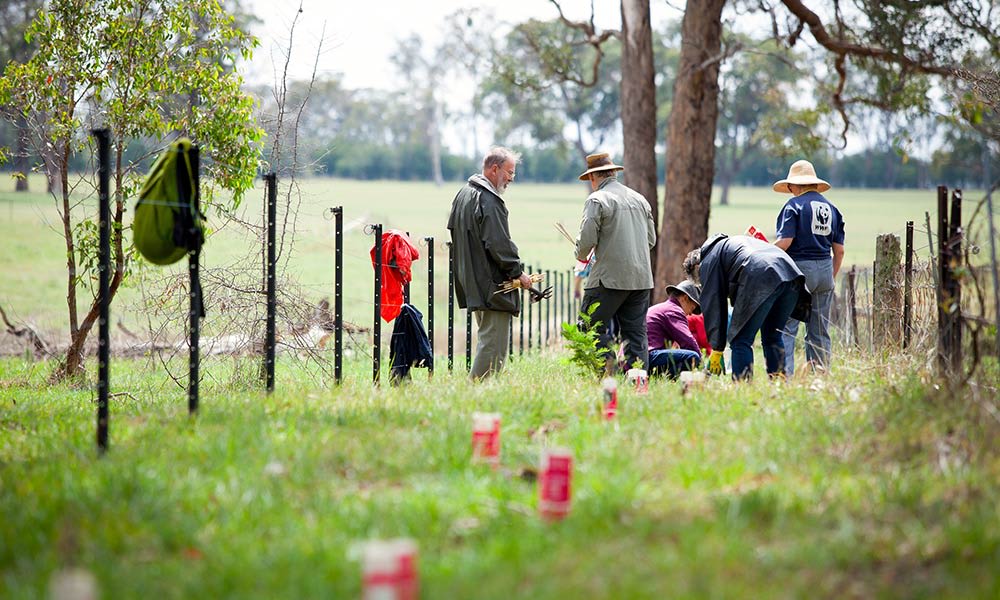
A photograph of WWF-Australia staff, volunteers and partners planting new trees on a rural property. Foreground shows green grass with young sapplings with several people planting in the middle and background of image.
Planting trees © Simon Scott Photo / WWF-Au

How Habitat Restoration Helps Koalas Survive

Habitat is everything to a koala.

Healthy forests provide food, shade and shelter from extreme weather. Connected forests also give koalas safer pathways to move between feeding areas, water sources and places of refuge.

When habitat is cleared or divided into isolated patches, koalas may be forced onto the ground to search for the resources they need. This can expose them to heat stress, vehicles and domestic animals.

Restoring koala habitat can:

  • reconnect isolated forest areas
  • provide food and shelter
  • create shaded places during extreme heat
  • help koalas move more safely through the landscape
  • improve the health and resilience of forests over time.

By restoring and reconnecting habitat, we can help give koalas a safer place to feed, rest and raise their young.
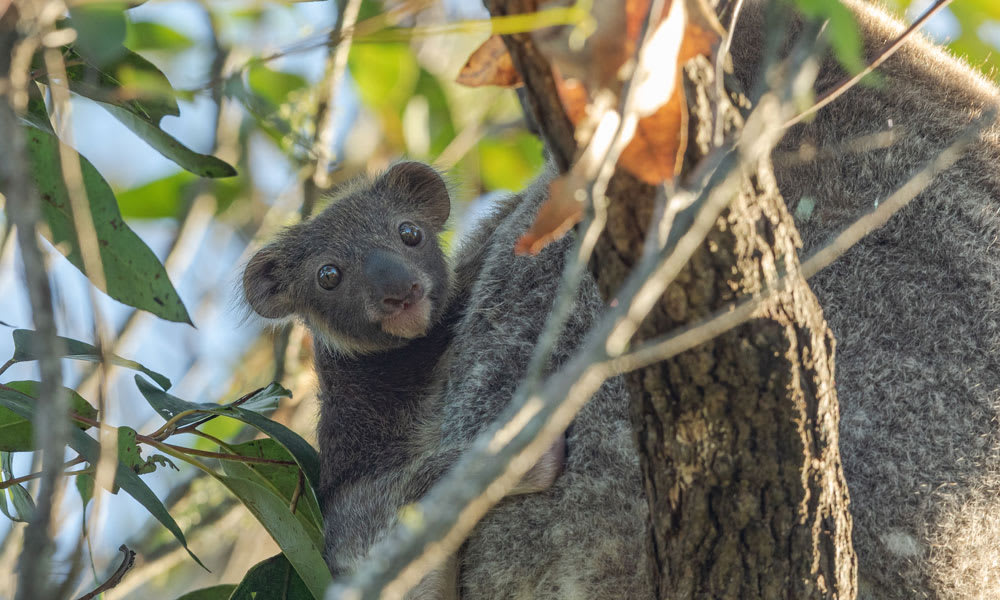
A koala joey clings to its mothers back on a tree in Swan Bay
A koala joey clings to its mothers back on a tree in Swan Bay. © Jacob Crisp

Creating climate-resilient forests for koalas

Restoring forest habitat is about more than planting trees. It is also about creating diverse, healthy forests that can continue supporting wildlife as the climate changes.

WWF-Australia helps support the planting of a mix of native tree species suited to local conditions. Greater diversity can help create forests that continue to provide koalas with food, shade, shelter and connected habitat.

By supporting koala conservation, you can help grow the forests koalas will need for generations to come. 
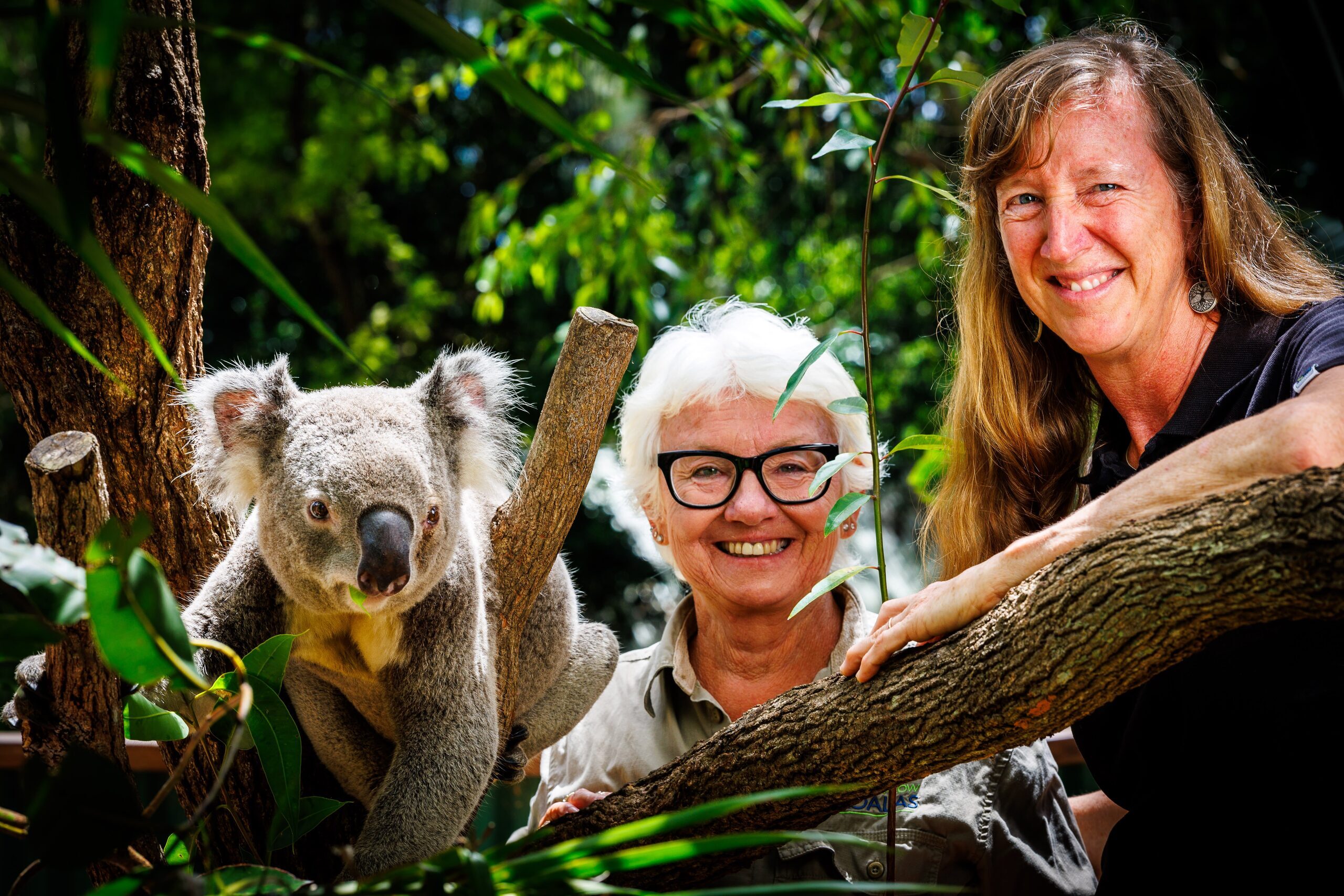
2 people pose alongside a koala in a tree for a photograph. Bangalow Koalas President Linda Sparrow and WWF’s Tanya Pritchard show Arnie the koala the 500,000th tree planted in northern New South Wales.
Bangalow Koalas President Linda Sparrow and WWF’s Tanya Pritchard show Arnie the koala the 500,000th tree planted in northern New South Wales.© WWF-Australia / Patrick Hamilton

A cooler future for koalas is possible

The good news is that we know how to help.

By restoring habitat corridors, protecting climate refuges, growing resilient forests and supporting cultural burning, we can help create healthier landscapes for koalas.

Thanks to caring supporters, more than 500,000 trees for koala habitat have already been planted in the Northern Rivers of New South Wales, helping to reconnect critical habitat.

Koalas have begun feeding from some of these young trees, demonstrating how valuable restored habitat can be.

But there is still much more to do.

Donate today to help create the connected, climate-resilient forests koalas need to survive Australia’s hotter summers.

Donate now to help save koalas

FAQs

Why are koalas threatened?

Koalas face several serious threats, including habitat loss and fragmentation, extreme heat, drought, bushfires and disease. Climate change is increasing many of these pressures.

When forests are cleared or divided into isolated patches, koalas can lose access to the food, shelter, shade and safe movement routes they need.

Restoring healthy, connected habitat is an important way to help koalas become more resilient to these threats.

How does climate change affect koalas?

Climate change is contributing to hotter temperatures, longer dry periods and more extreme bushfire conditions.

During extreme heat and drought, koalas can find it harder to access suitable food, water, shade and shelter. Bushfires can also destroy or damage the forests koalas depend on.

Protecting and restoring healthy forests can provide cooler habitat and places of refuge during extreme weather.

Can planting trees help koalas?

Yes. Planting locally appropriate native trees can help restore the food, shade and shelter koalas need.

Tree planting can also reconnect fragmented forest areas, creating habitat corridors that help koalas move more safely through the landscape.

Effective restoration considers the mix of tree species, local environmental conditions and how the new habitat connects with existing forests.

What are climate refuges?

Climate refuges are cooler, wetter parts of the landscape where wildlife can find relief during extreme weather.

They can include creek lines, rainforest edges and shaded areas of forest. Restoring these places and connecting them with surrounding habitat can help koalas access food, shelter and cooler conditions during heatwaves and drought.

Why does WWF-Australia support climate-resilient tree planting?

Koalas depend on healthy forests for food, shade, shelter and protection from extreme heat.

As the climate changes, restored forests need to be able to withstand increasing temperatures, drought and bushfire pressures. WWF-Australia therefore supports the planting of a diverse mix of native tree species suited to local environmental conditions.

This approach can help create healthier forests that continue to provide habitat for koalas into the future.

What is a koala habitat corridor?

A koala habitat corridor is an area of connected vegetation that links sections of forest.

These corridors can help koalas move between feeding, breeding and refuge areas without spending as much time crossing exposed ground.

Restoring habitat corridors can reconnect isolated koala populations and improve access to food, shade and shelter.

How does restoring habitat help koalas?

Healthy habitat provides koalas with food, shade, shelter and protection from extreme weather. Connected habitat also provides safer pathways between feeding areas, water sources and places of refuge.

When habitat is cleared or fragmented, koalas may have to travel across exposed ground. This can increase their exposure to heat, vehicles and domestic animals.

Restoring and reconnecting forests can create healthier, more resilient landscapes where koalas can find the resources they need and move more safely.

Can my donation really make a difference?

Yes. Your donation can help support conservation solutions that create healthier, more connected and more resilient habitat for koalas.

This work can include:

  • restoring wildlife corridors
  • protecting and creating climate refuges
  • growing climate-resilient forests
  • supporting cultural burning.

Thanks to supporters, more than 500,000 trees for koala habitat have already been planted in the Northern Rivers of New South Wales. Koalas have begun feeding from some of these young trees.

With your support, WWF-Australia can continue working towards a future where koalas and the forests they depend on can thrive.

Where does my donation go?

WWF-Australia is committed to maximising the impact of every donation while operating efficiently, responsibly and sustainably.

In the past 12 months, for every $1 donated to WWF-Australia:

  • 74 cents supported wildlife and nature conservation
  • 9 cents supported administration, governance and monitoring systems
  • 17 cents supported fundraising for future conservation work.

Administration and governance costs include essential investments in areas such as information technology, reporting, security and finance.

WWF-Australia reviews its costs annually and publishes complete financial statements so supporters can see how funds are used.

How does cultural burning help koalas?

Cultural burning is a First Nations practice that uses carefully planned, low-intensity fire to care for Country.

Cultural burning can promote forest health, support the regeneration of native vegetation and reduce the build-up of fuel that can contribute to severe bushfires. It can also help create conditions in which koala food and habitat trees can germinate and grow.

Supporting cultural burning can contribute to healthier, more resilient habitat for koalas and other wildlife.