Skip to content
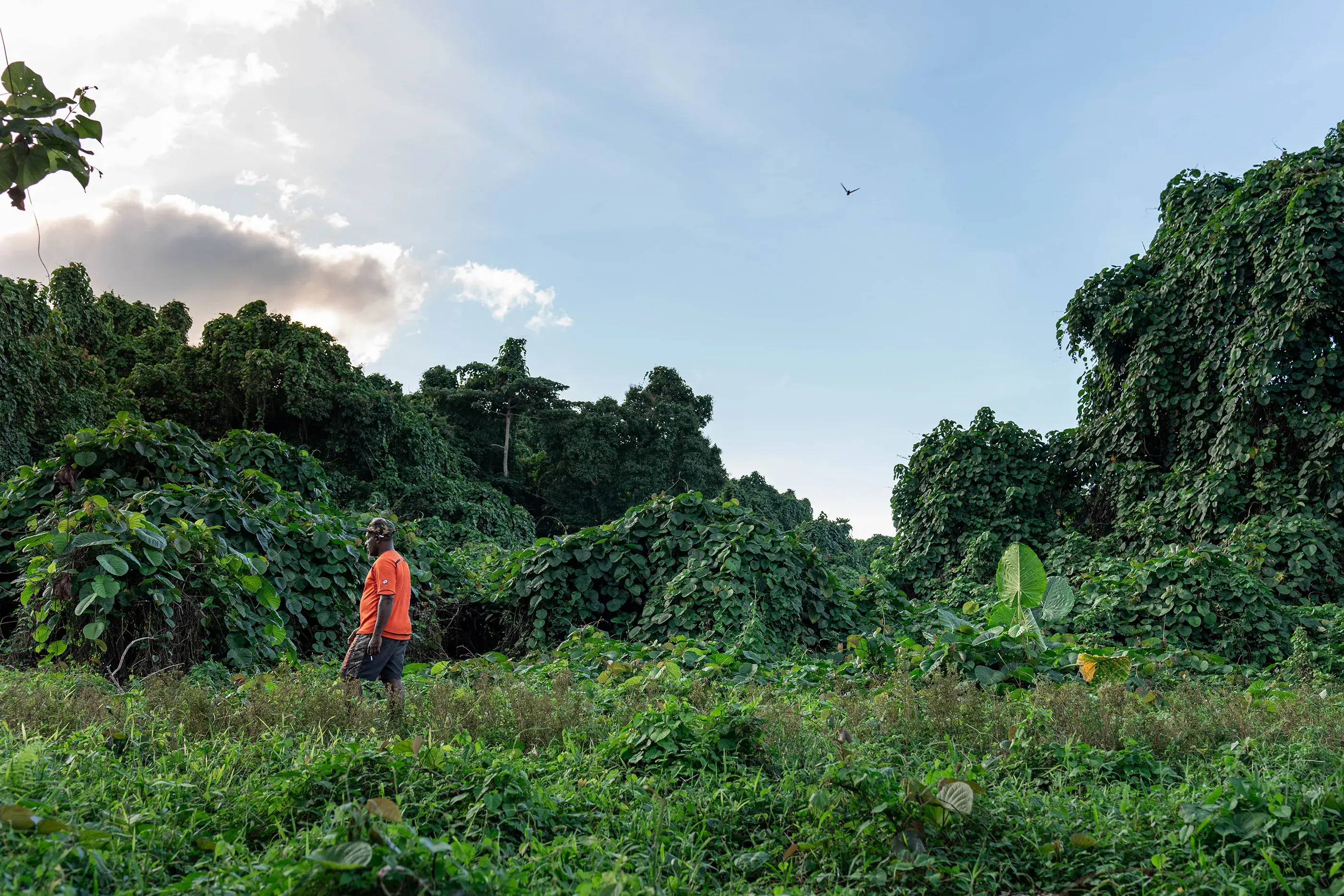
Two people looking up in a forest landscape. The forest is filled with green vegetation, thick brown vines and trees.
©Tom Vierus / Nakau

Locally led stewardship

Restoring nature is about more than bringing back individual species or repairing isolated habitats. Lasting change comes when communities have the authority, knowledge and resources to care for the places they know best.

Across Australia and the Asia-Pacific region, WWF-Australia works in long-term partnership with Indigenous organisations, local communities, researchers and governments. Our role is to support locally determined priorities through investment, science, monitoring and shared learning, helping strengthen relationships between people, culture and nature.

Indigenous-led stewardship for healthy Country

Across northern Australia, Indigenous organisations are leading place-based approaches to caring for land and sea Country. Through WWF-Australia’s Biocultural Solutions Program, we work to priorities set by Traditional Owners, ranger teams and their governance organisations.

Over the last 12 months, Indigenous partners involved in the program cared for more than 7 million hectares of Country. WWF-Australia supported their stewardship through long-term investment, research, practical tools and partnerships. Traditional Knowledge and community priorities guide this work, including how the health of Country is understood and assessed.

On Wadjigan and Kiuk Country at Bulgul in the Northern Territory, Traditional Owners, local Indigenous researchers and Bulgul Rangers are defining the signs that show when Country is healthy or under stress. Interviews with Elders and community members brought together Knowledge about freshwater, fire, sea Country, bush foods, medicines, plants and animals.

Led locally and supported by the Northern Land Council and WWF-Australia, this Knowledge has shaped a culturally-grounded framework to guide future care for Country and community. It demonstrates the value of placing Indigenous authority, Knowledge and stewardship at the centre of conservation.

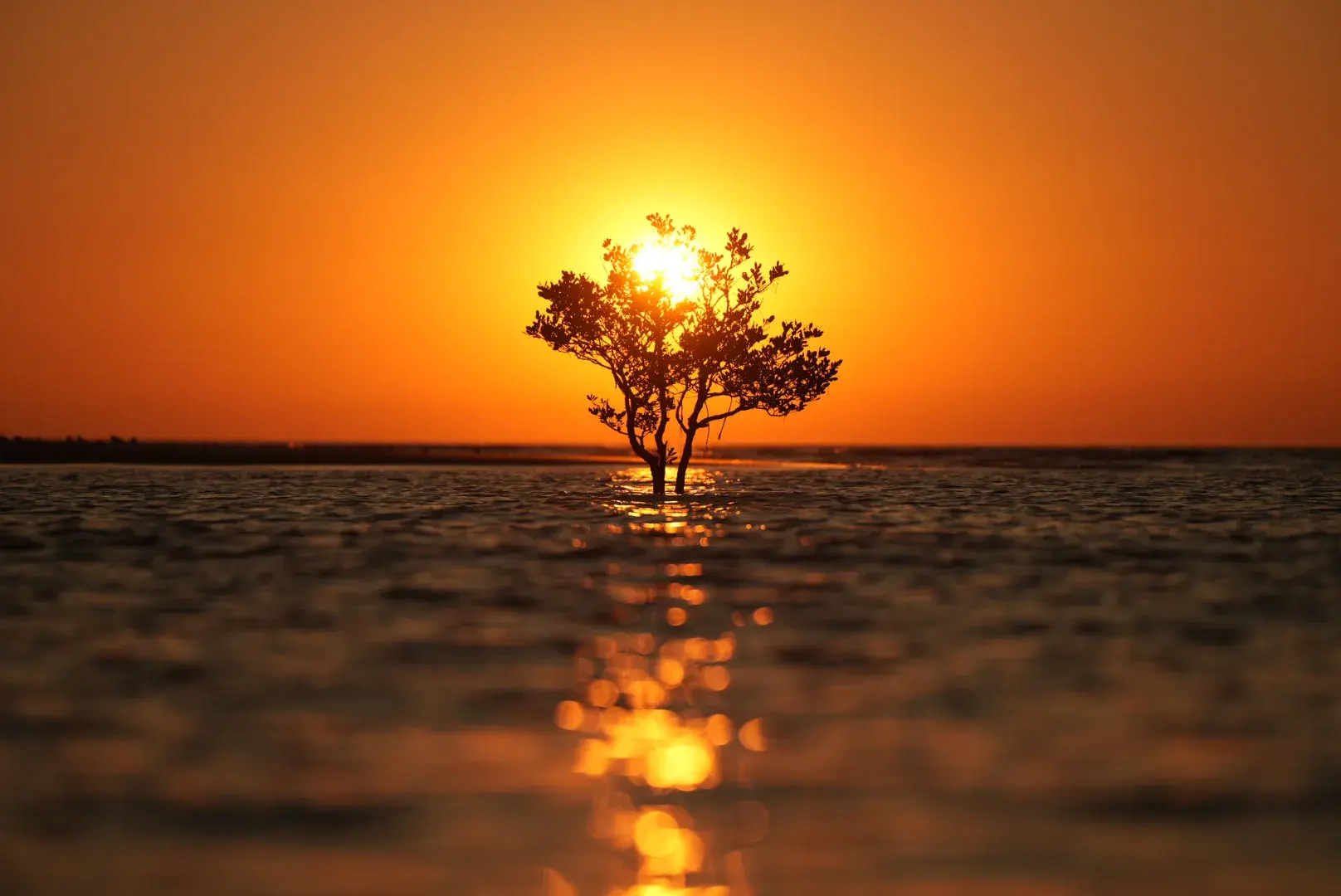
Image of a tree half submerged in water with a sunset behind in Northern Australia. The sky is orange and the tree is slightly obscuring the sun. © Nick Weigner
Sunset in Northern Australia © Nick Weigner
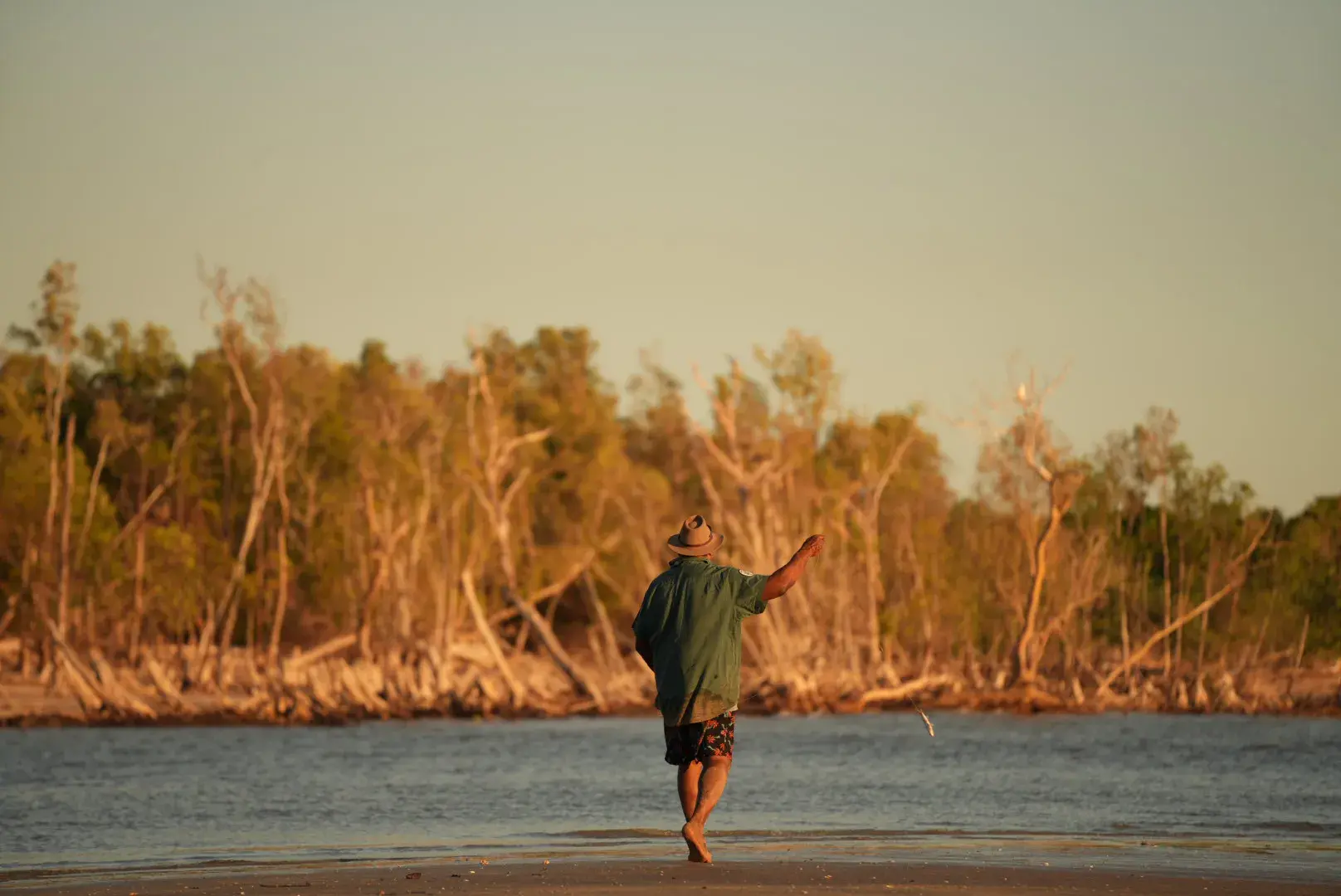
A person fishing in Northern Australia. The person's back is to the camera as they cast a hand line out into the water with light green and brown trees in the background. © Nick Weigner
Fishing in Northern Australia © Nick Weigner

New homes, new hope for greater gliders

Endangered greater gliders need old tree hollows to sleep, shelter and raise their young. Logging, land-clearing and bushfires are putting pressure on these vital homes, and new hollows can take more than 100 years to form.

To help address this challenge, WWF-Australia and ANU, with support from HP Inc, partnered with volunteers from WoodChix, Yass Men's Shed and Hall Men's Shed to create 166 custom-built nest boxes to be placed in trees in Victoria's Central Highlands. Designed to stay warmer in winter and cooler in summer, the boxes provide safe places for endangered greater gliders to shelter and breed.

Before long, the new homes welcomed their first residents. Camera traps captured greater gliders moving in and making themselves at home.

By restoring safe shelter to the forest, this project is helping give greater gliders a stronger chance of surviving and thriving in Victoria's forests. It also demonstrates what can be achieved when researchers, community groups, partners and supporters work together to support species recovery.

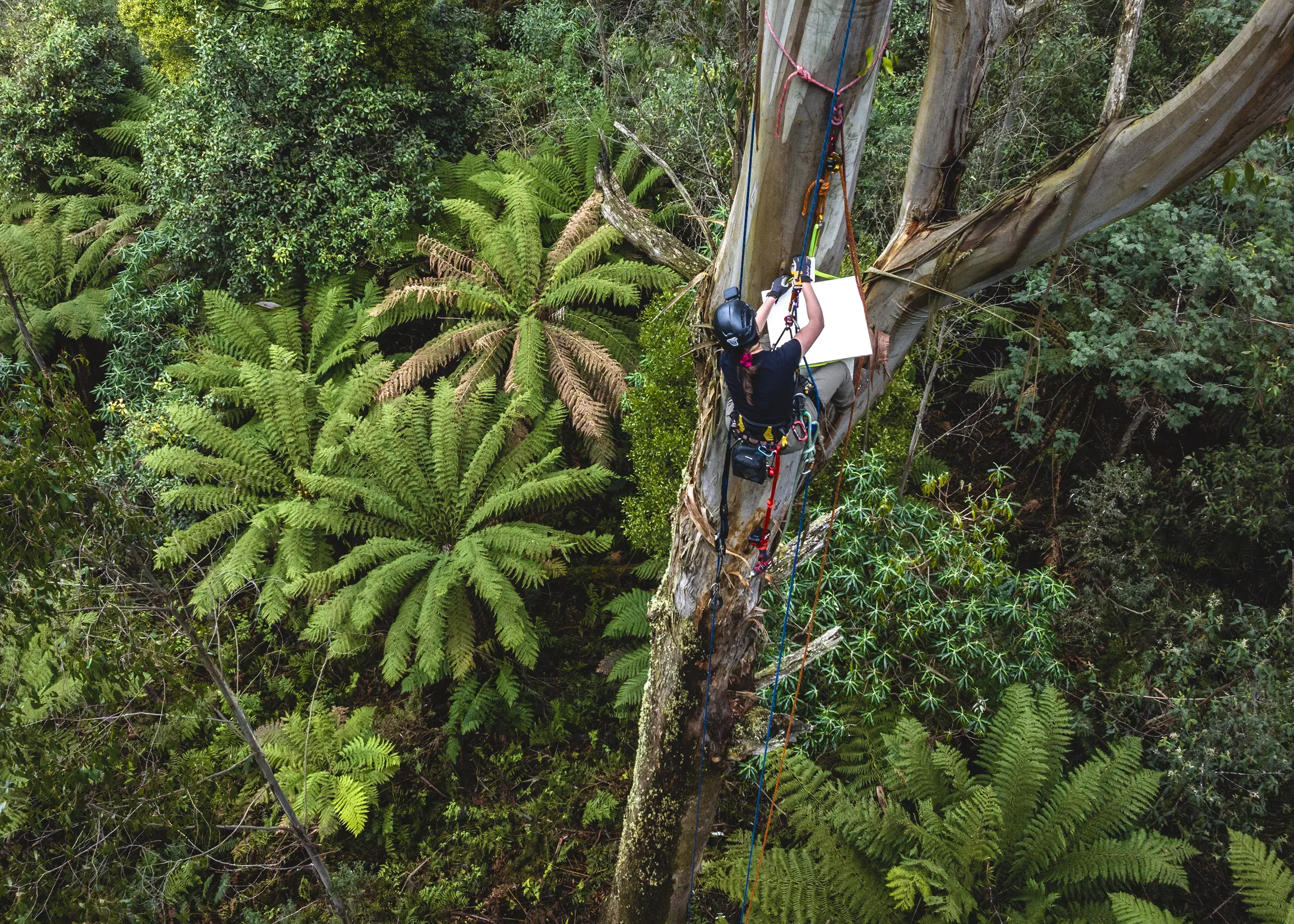
Dr Ana Gracanin installing a greater glider nest box up a tree. Aerial image looking down on a person climbing a tall tree to install a nest box in an Australian native forest.
Dr Ana Gracanin installing a greater glider nest box up a tree. © WWF-US / Franck Gazzola
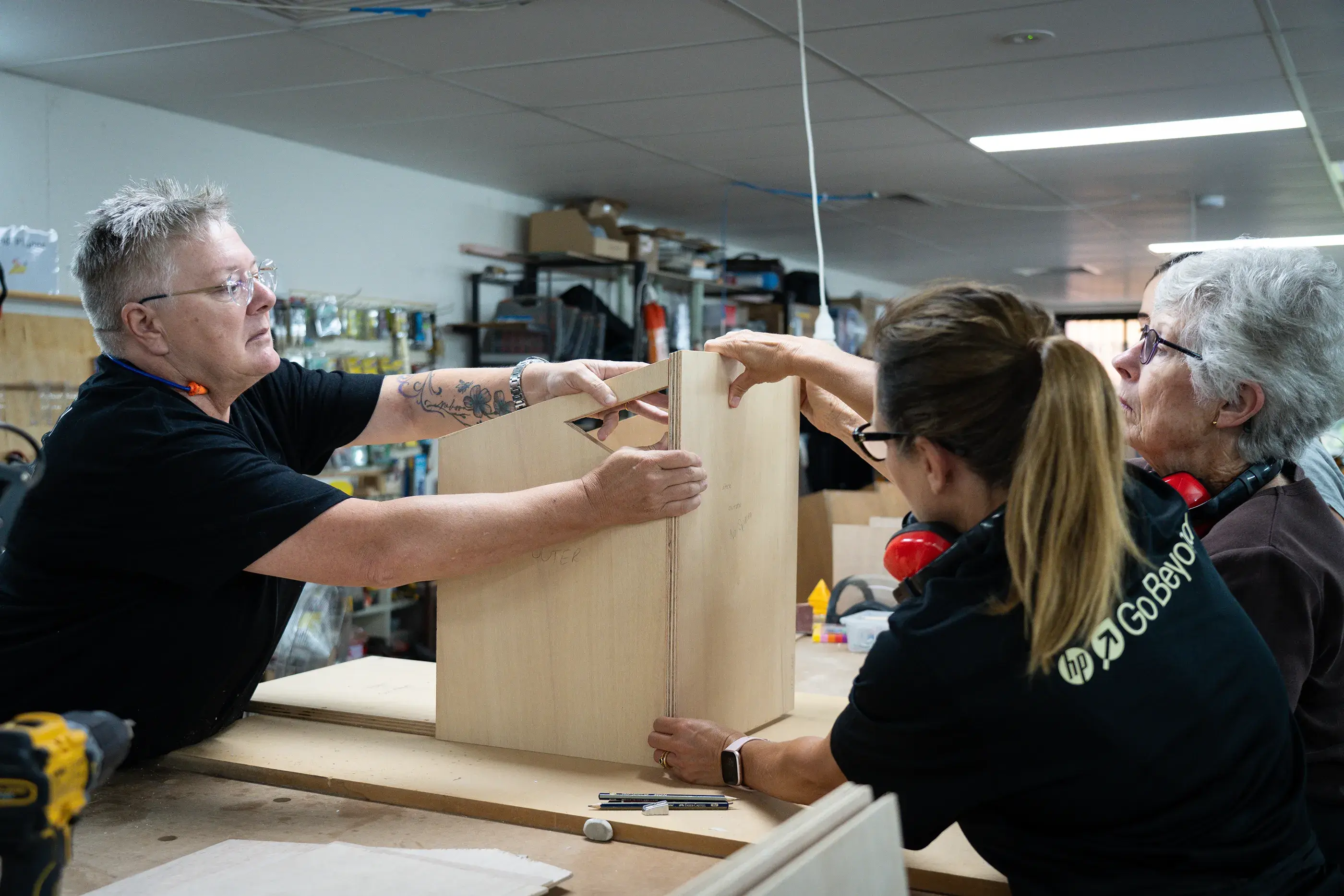
Gill Enterkin (Founder and Head Woodchick) teaches how to construct a nest box in a wood working facility. Construction of greater glider nest boxes with Woodchix in Western Sydney, Australia.
Construction of greater glider nest boxes with Woodchix. © WWF-Australia / Leonie Sii

Protecting Pacific forests and strengthening livelihoods

Through Climate Resilient by Nature, WWF-Australia supported Indigenous communities in Fiji and Vanuatu to protect forests while creating new opportunities for local livelihoods. Community-led carbon projects are helping restore ecosystems, generate income and strengthen resilience to climate change.

Working alongside local partners Live & Learn and Nakau, communities protected or restored more than 2,000 hectares of forest and created livelihood opportunities linked to conservation, including ranger work, agriculture, tourism and small enterprises. Income generated through forest conservation is helping fund community priorities such as education, water, sanitation and local infrastructure.

In Fiji, the Drawa Block Forest Community Cooperative brings together eight clans, that chose to protect their rainforest rather than log it. Revenue generated through forest conservation is supporting community wellbeing, local enterprises and long-term stewardship of country.

Across the broader project, 2,986 people reported improved resilience to climate hazards. By placing customary landowners and community governance at the centre, these projects demonstrate how forest protection can strengthen livelihoods, support climate resilience and deliver lasting benefits for people and nature.

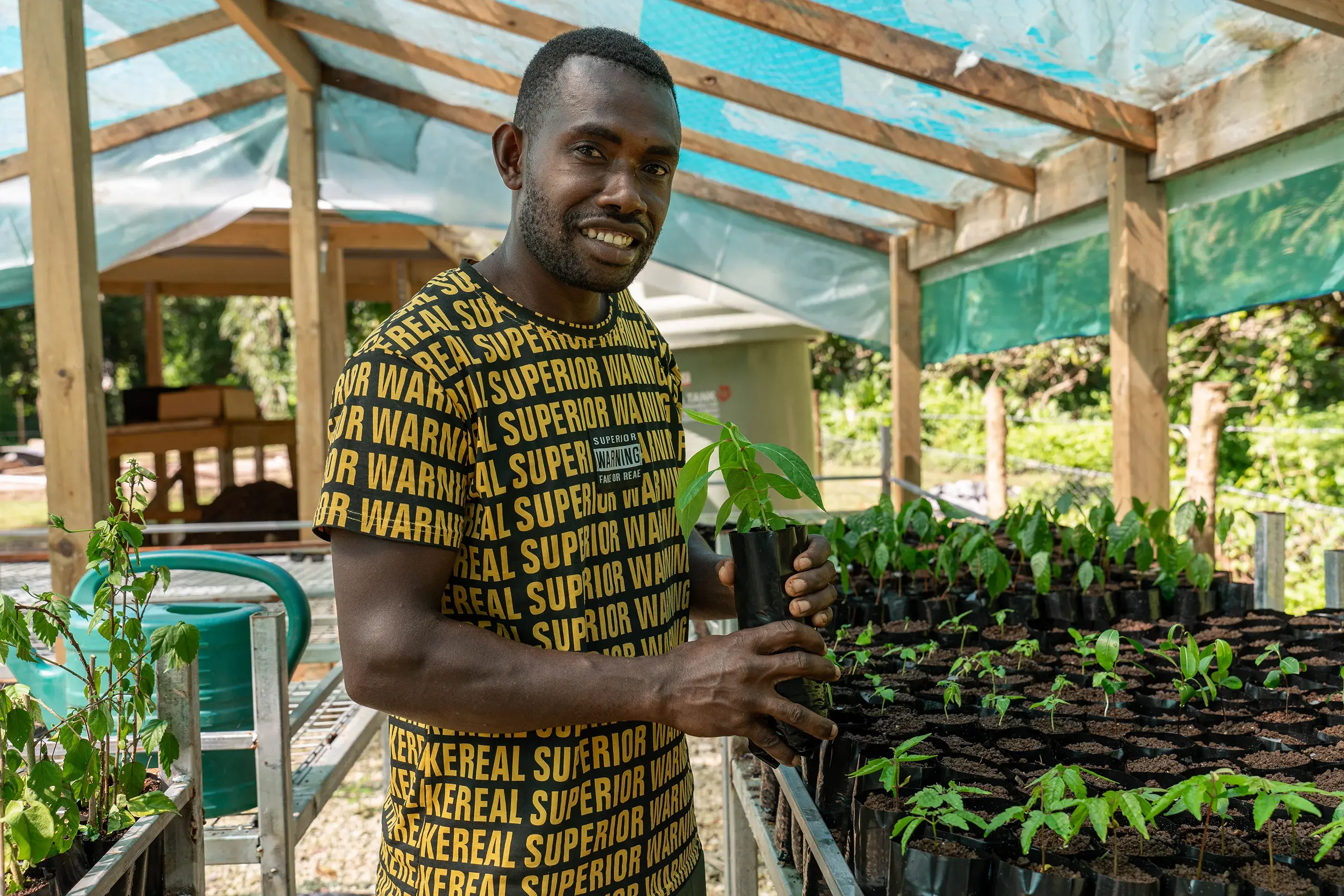
A person posing with plants in a nursery. Riman Ser manages the nursery in the Loru Conservation Area, Vanuatu. Riman is committed to conservation and finding ways the Serthiac Clan can continue to protect, restore and support their community and culture.
Riman Ser manages the nursery in the Loru Conservation Area, Vanuatu. © WWF-Australia / Damian Mobbs
A person stands in a green forest landscape. Chief Skip stands in front of big lif  - an invasive weed also known as Merremia, Vanuatu
Chief Skip stands in front of big lif  - an invasive weed also known as Merremia, Vanuatu. © WWF-Australia / Damian Mobbs

Impact Snapshot

When communities lead, nature restoration can strengthen culture, livelihoods and ecosystems for generations to come. Key 2025–26 achievements included:

  • 10 new investments and partnerships supporting long-term Indigenous-led stewardship and care for Country.

  • Traditional Owners, Indigenous researchers and Rangers at Bulgul in the Northern Territory developed a community-led framework for defining and monitoring healthy Country, bringing together Knowledge of freshwater, fire, sea Country, bush foods, medicines, plants and animals.

  • 100 hectares of degraded mountain ash forest were restored, bringing safe shelter back to places where old tree hollows had been lost, which can take more than 100 years to form naturally.

  • 166 nest boxes and 170 carved tree hollows were installed in trees, helping greater gliders access shelter, breeding and survival.

  • Communities in Fiji and Vanuatu protected or restored more than 2,000 hectares of forest through community-led carbon projects.

  • More than 2,000 people participated in conservation-linked livelihoods, including ranger work, agriculture, tourism, invasive species management and small enterprises.

  • 2,986 people reported improved resilience to climate hazards through community-led forest conservation and restoration initiatives.

Climate Resilient by Nature is an Australian Government initiative in partnership with WWF-Australia, supporting nature-based solutions to climate change in the Indo-Pacific.

Loading form…