
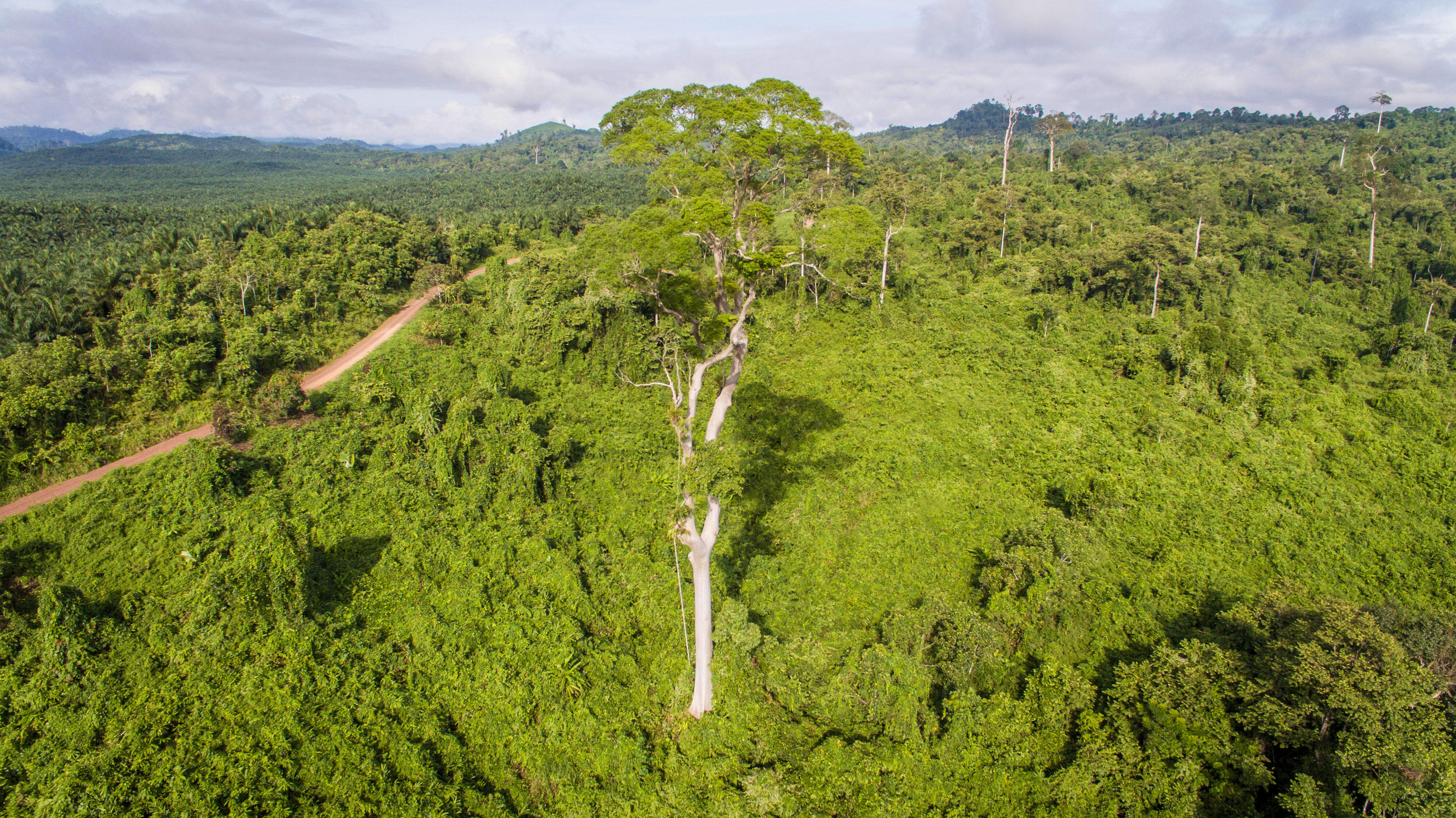
Over the past century, orangutans have been pushed to the brink of extinction by many human-made threats. Across their island homes of Borneo and Sumatra, illegal logging and land conversion, particularly for oilpalm plantations, have shrunk and fragmented the forests the red apes depend on.
But a new threat has emerged: climate change. Scientists predict that the average temperature in Borneo could rise by 2-3°C above current levels by 2080. The warming climate brings a cascade of effects, including shifts in seasonal rainfall.
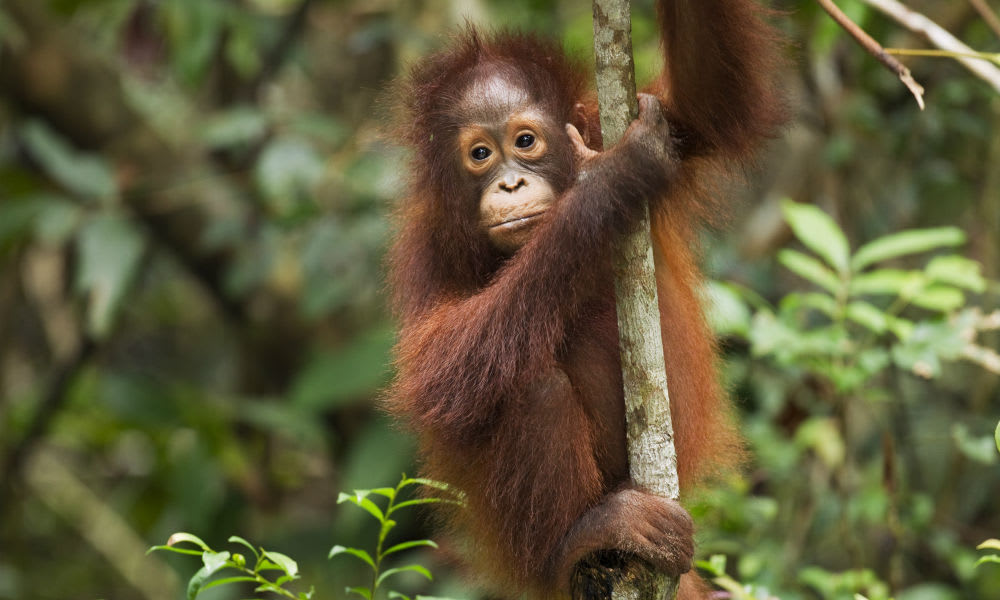
The fruiting seasons of some of the apes’ favourite trees have become increasingly unpredictable in both their timing and abundance, which could leave the fruit-loving primates hungry or force them to forage in areas where they’re more likely to encounter people.
On top of this, the hotter, drier climate leaves the forests vulnerable to more frequent and devastating forest fires, destroying even more of the orangutans’ precious home and leaving them with fewer safe havens.
CORRIDORS OF LIFE
Restoring degraded forests and creating wildlife corridors is giving orangutans a chance to adapt to a warming world.
How does this help? Travelling easily between forested areas means orangutans can move around to find enough fruit to eat or to adapt to climate change (orangutans tend to prefer lowland forests, but might need to seek out higher, cooler areas).
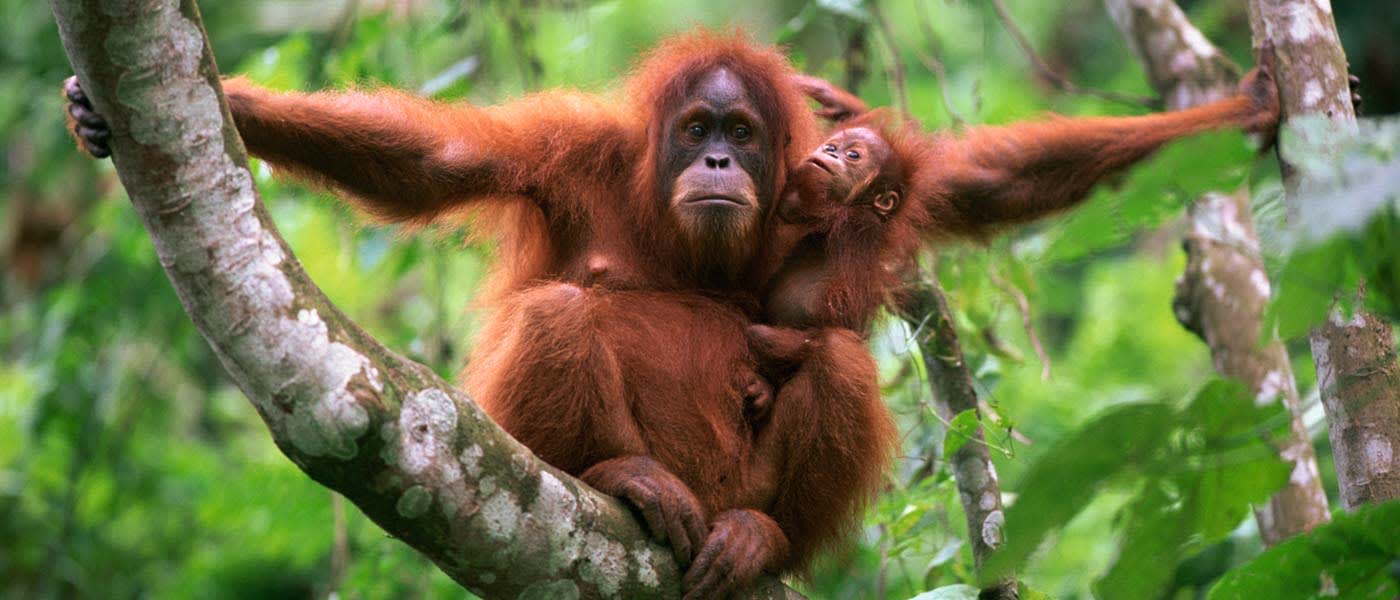
Wildlife corridors help orangutans respond to changes now and could help future generations. Reconnecting isolated populations across agricultural landscapes means the apes have more opportunities to breed, and genes can flow between them.
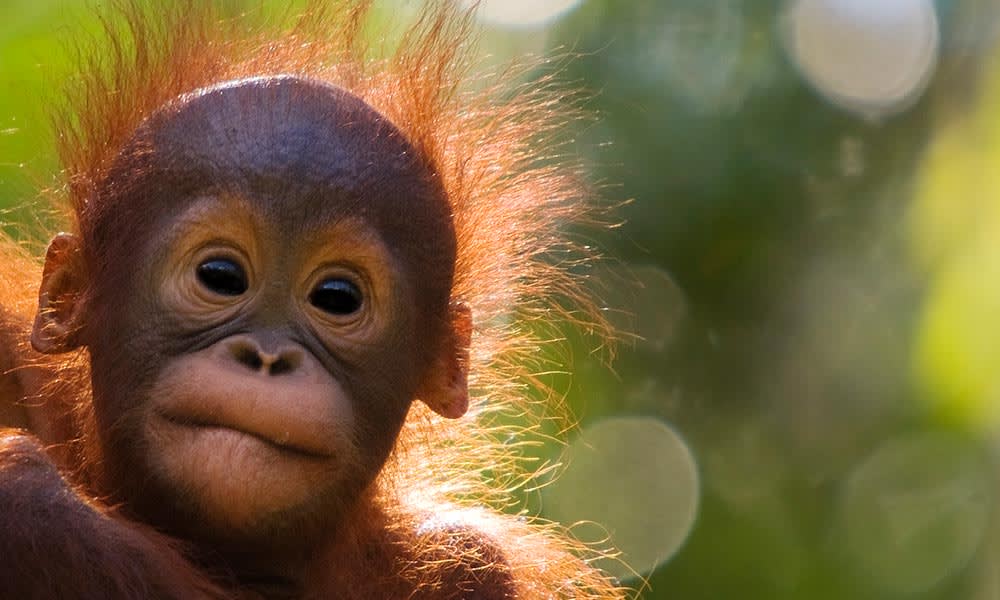
This healthy genetic diversity is vital, as individual orangutans may have certain traits that will help them better survive new challenges – traits that can be passed down to their descendants and help the whole population adapt over time.
There’s a happy side effect to planting trees, too. Forests absorb and store vast amounts of carbon dioxide from the atmosphere, so by planting climate-resilient tree species, we’re capturing carbon that would otherwise contribute to global warming.
This crucial work wouldn’t be possible without your support. Thanks to you, we’ll keep working to buy orangutans time to adapt to their changing world.