Skip to content
A close up image of Acacia pycnantha (wattle) in Glenbog State Forest, NSW.
Acacia pycnantha (wattle) in Glenbog State Forest, NSW. © WWF-Australia / Lauren Simmonds

Annual Report 2026

Regenerating Nature, Together. Our Impact in the last year.

WWF-Australia's Annual Report 2025-26 highlights progress made towards regenerating nature, showcasing the collective impact of our work across Australia and beyond.

These achievements are only possible through the support of our partners, donors, communities and supporters working alongside us to drive change for nature. As we continued our financial year 2024-2027 Strategic Plan to Regenerate Nature by 2030, we build further momentum across our Country, Saltwater and Sky pillars of work, with  Inclusive Conservation remaining at the core of everything we do.

The challenges facing nature remain significant, but so too does the determination of people coming together to protect and regenerate it. Throughout the year, we secured critical habitat for threatened and endangered species, strengthened environmental protections, supported First Nations leadership to Care for Country, advanced climate solutions and restored ecosystems on land and at sea. Here are just some of the stories behind that impact.

What we achieved together in 2025-26

These highlights show what's possible when people come together to protect and restore nature.

Major step towards protecting koalas in NSW

The announcement to create the Great Koala National Park marked a major step for koala conservation. Once established, it will protect up to 476,000 hectares of habitat, creating a safe haven for endangered koalas and other wildlife.

Stronger nature laws for the places we love

Australia passed major nature law reforms that strengthen protections for forests, wildlife, waterways and reefs.

Protecting marine life beyond borders

Australia took an important step towards implementing a global agreement to protect marine life in international waters, paving the way for new marine protected areas.

Boorubee return to Country

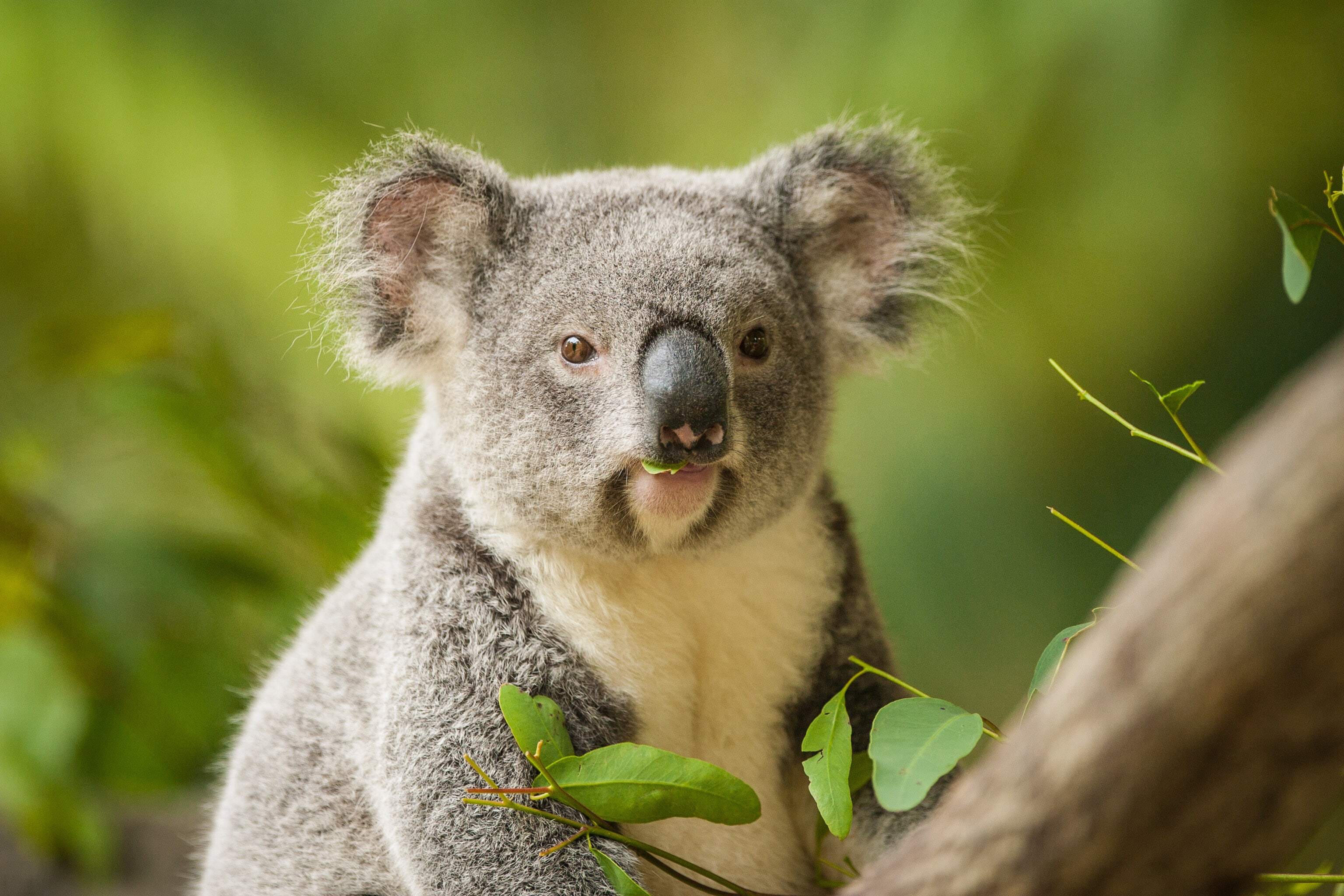
Boorubee (koalas) have been confirmed surviving on Minyumai Country after devastating bushfires threatened their local population. Minyumai Rangers are helping this culturally significant population recover and thrive.

Backing bold ideas to strengthen the future for tigers and people

The Global Tiger Innovation Fund committed $1.5 million to test new approaches to tiger recovery and coexistence across India, Bhutan and Thailand.

Platypus are breeding in the wild again

More than 50 years after disappearing from Sydney's Royal National Park, the platypus population has now grown to at least 20, with researchers recording two successful breeding seasons following translocations.

A milestone for koalas: 500,000 trees planted

Half a million trees have now been planted across northern NSW through a partnership between WWF-Australia, Bangalow Koalas and First Nations partners: Minyumai Land Holding Aboriginal Corporation, Githabul Rangers and Jagun Alliance[NF6.1]. This work helped restore habitat and create a stronger future for Endangered koalas.

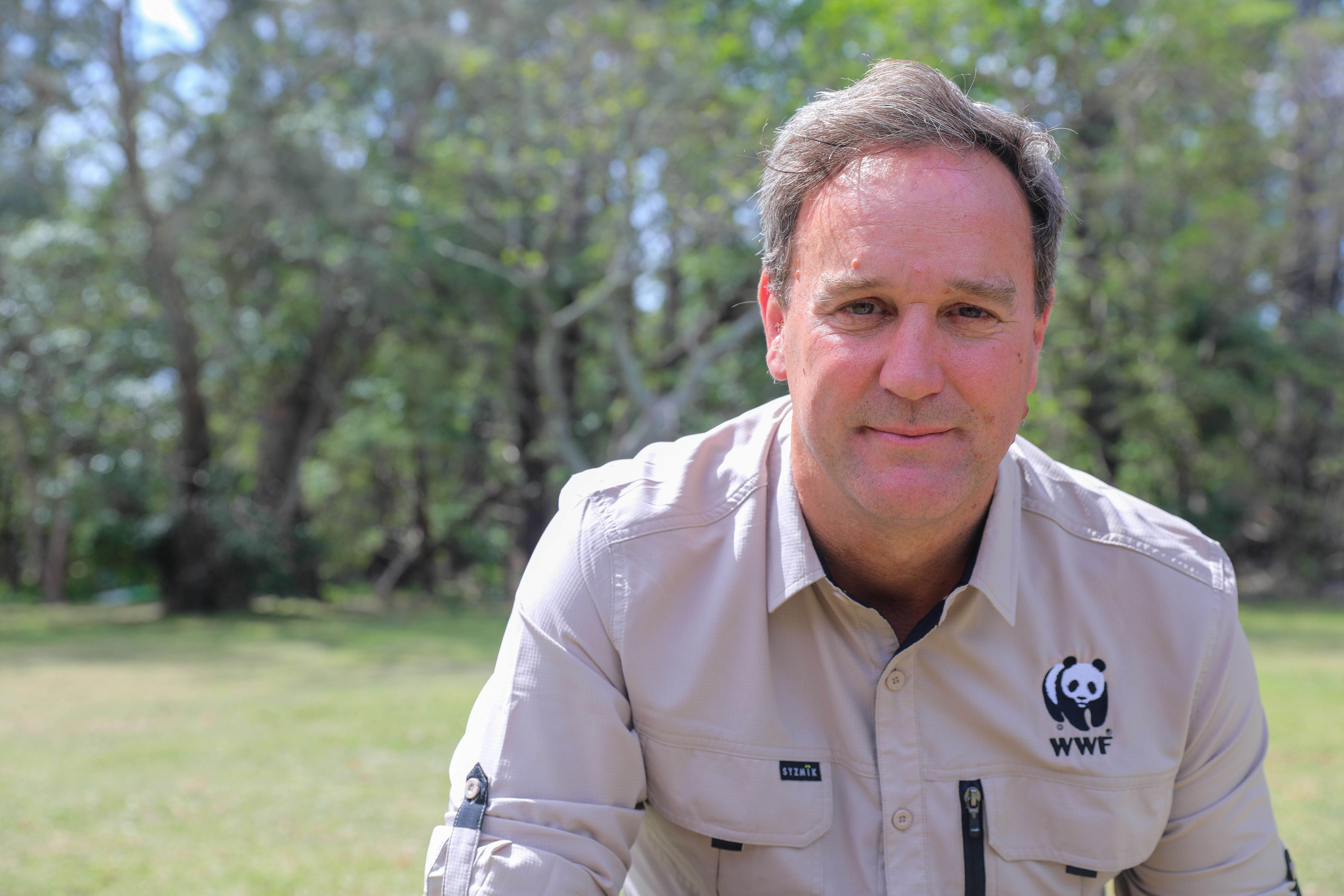
Dermot O'Gorman sets up sensor camera to detect eastern quolls in Booderee National Park.
Dermot O'Gorman sets up sensor camera to detect eastern quolls in Booderee National Park. © WWF-Australia

Message from the President and CEO

There is reason to be hopeful about nature’s future. This year, we saw what’s possible when communities, partners and supporters come together to protect and restore nature, strengthen climate resilience and drive lasting change. Thank you for helping make this progress possible.
Read more

Impact Stories

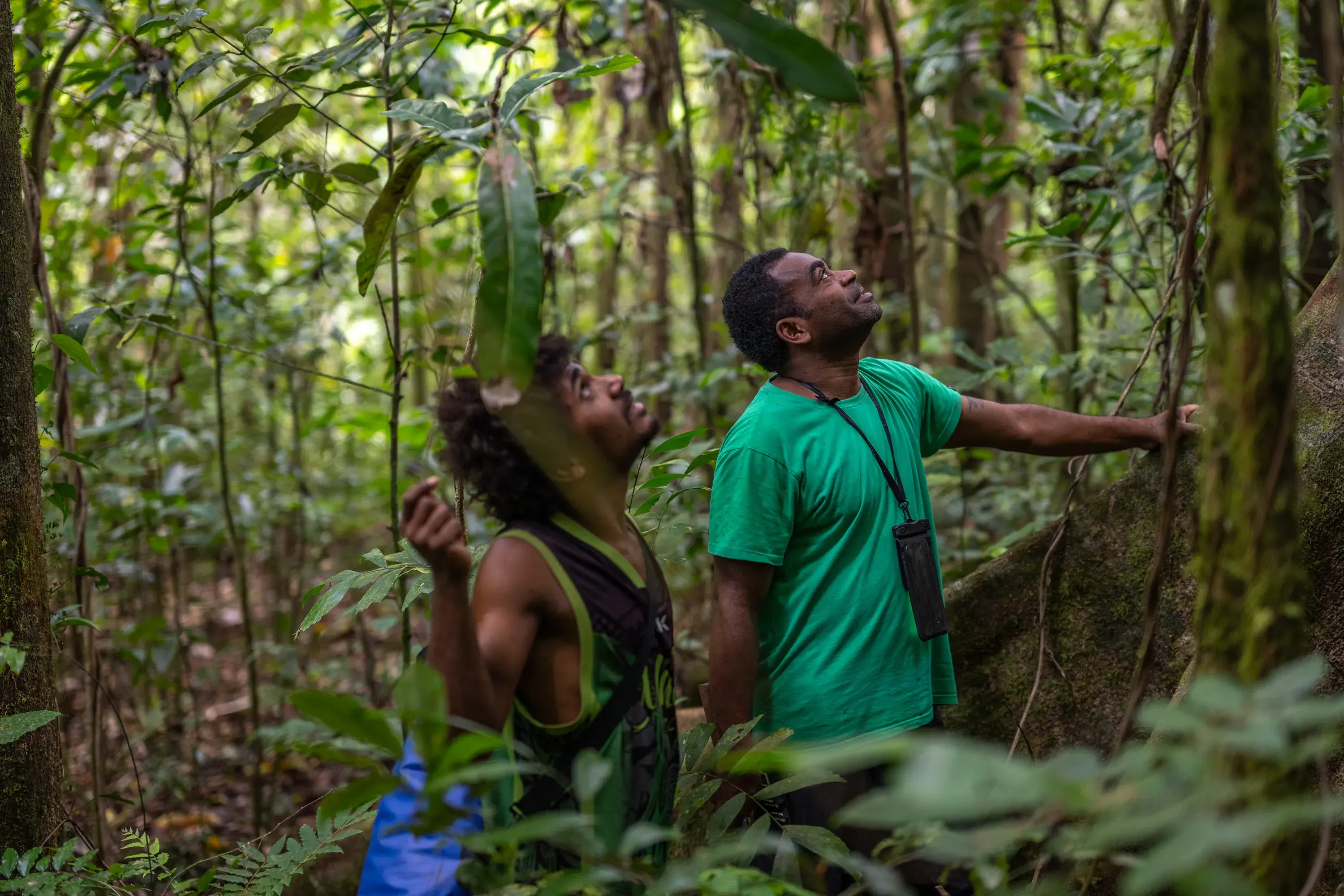
Two people looking up in a forest landscape. The forest is filled with green vegetation, thick brown vines and trees.
©Tom Vierus / Nakau

Locally led stewardship

Healthy ecosystems are inseparable from the people who know, care for and depend on them. Across Australia and the Asia-Pacific region, WWF-Australia supported communities and partners leading the restoration of forests, habitats and wildlife. From Indigenous-led caring for Country in northern Australia to restoring safe shelter for endangered greater gliders and protecting forests in Fiji and Vanuatu, these locally led approaches are creating lasting benefits for nature, culture and communities.
Read more
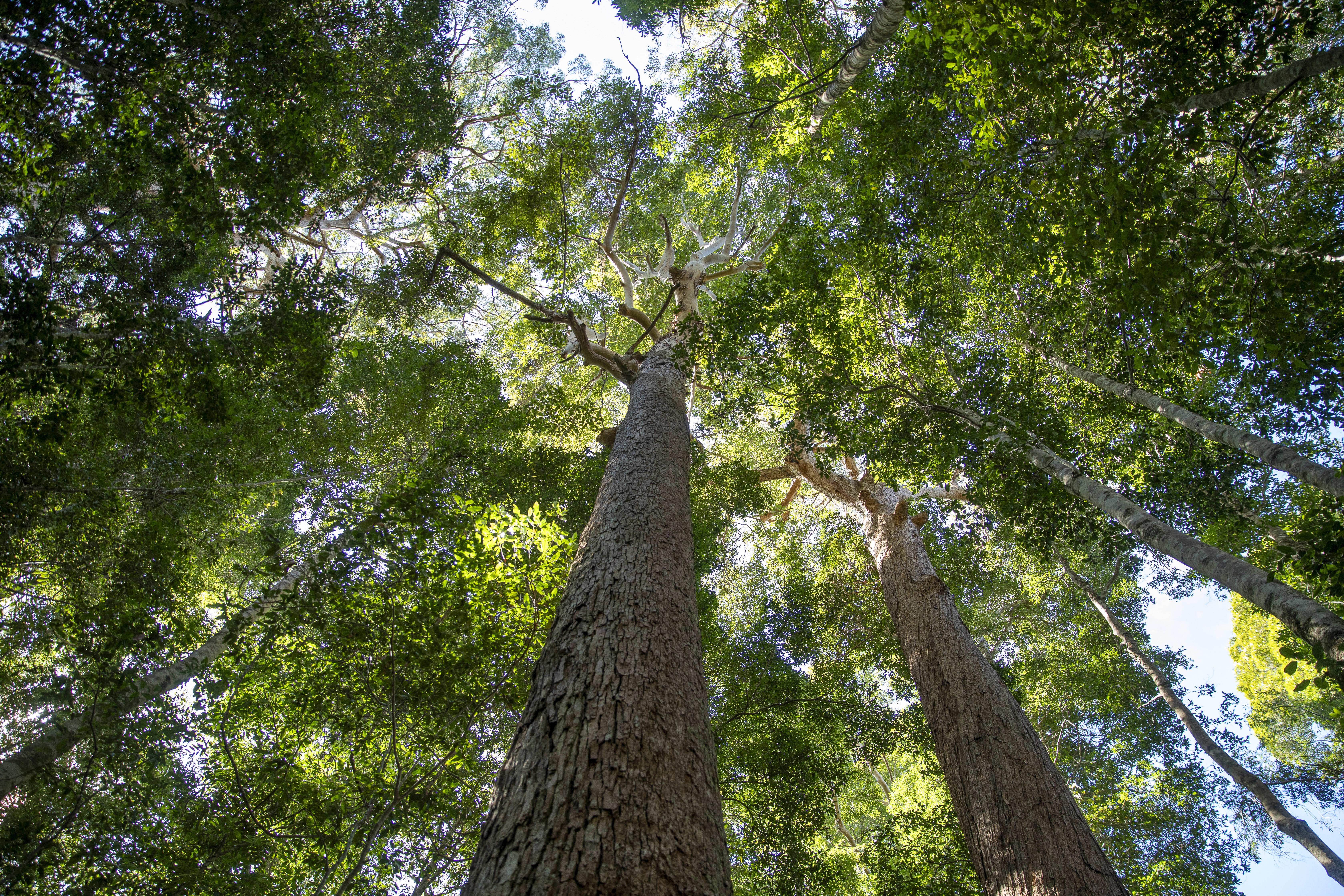
A photograph of an eastern Australian native forest. the photo is taken from the forest floor looking up through the tree canopy towards the sky. Image is filled with green leaves and tall brown tree trunks.
Forests of eastern Australia. © WWF-Australia / thinkMammoth

Securing landscape protection at scale

Protecting nature means protecting the places wildlife depends on to survive. Together, we helped secure critical habitat for endangered species, strengthened environmental protections and supported long-term conservation across the Asia-Pacific region. From protecting koala habitat in New South Wales to supporting tiger recovery in Thailand, these achievements are creating larger, better-connected landscapes where nature can recover and thrive.
Read more
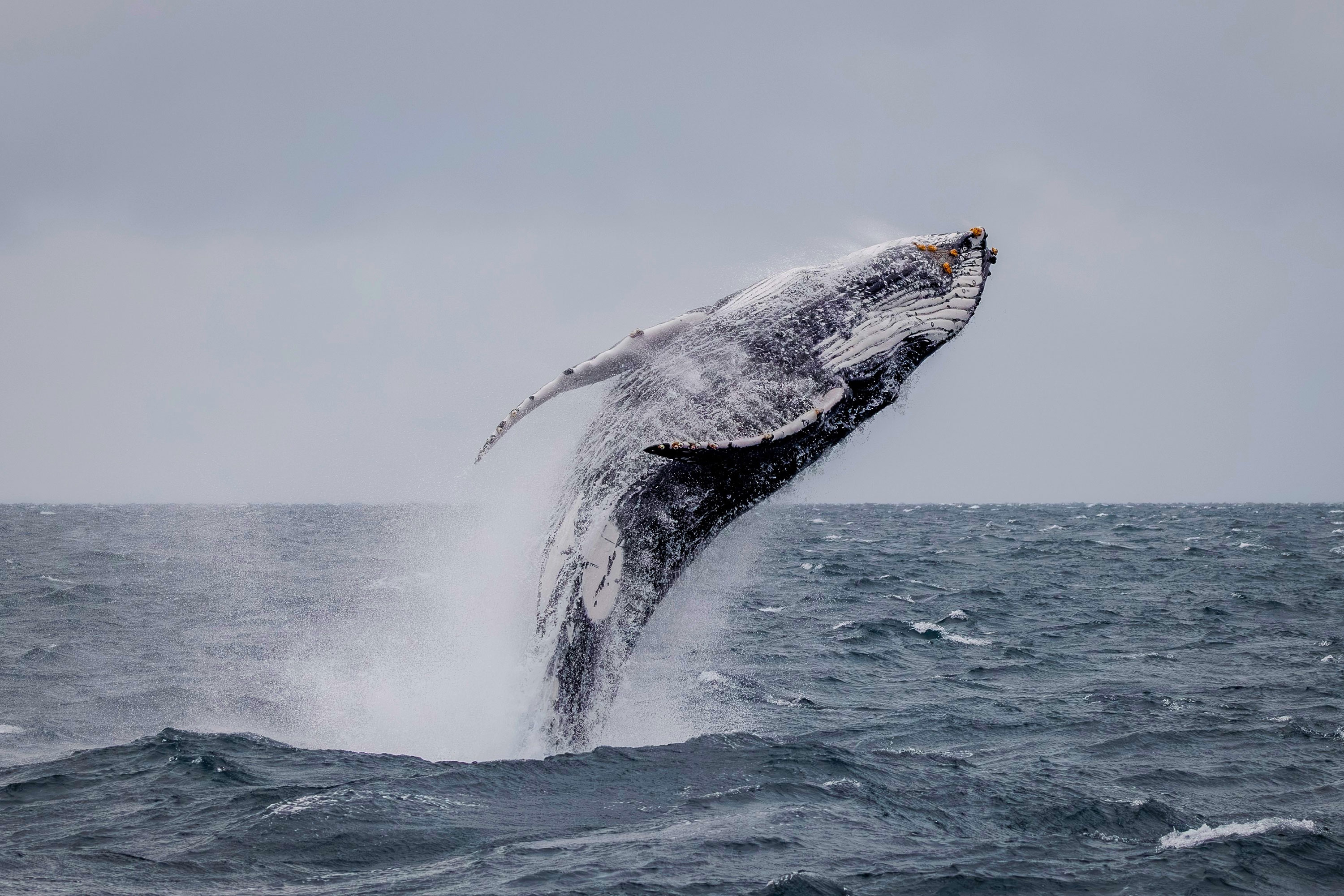
A photo of a humbpack whale breaching out of the ocean. the whale is almost entirely out of the water with the underside showing to the camera.
Humpback whale breaching off Eden, NSW. © Tracey Harris

Caring for the oceans that care for us

Healthy oceans depend on strong protections, connected ecosystems and sustainable management. Together, we helped strengthen ocean conservation, from building support for the High Seas Treaty and improving protection for whale migration routes to advancing more sustainable fisheries. These efforts are helping create a healthier, more resilient ocean, protecting the waters, wildlife and communities that sustain us all.
Read more
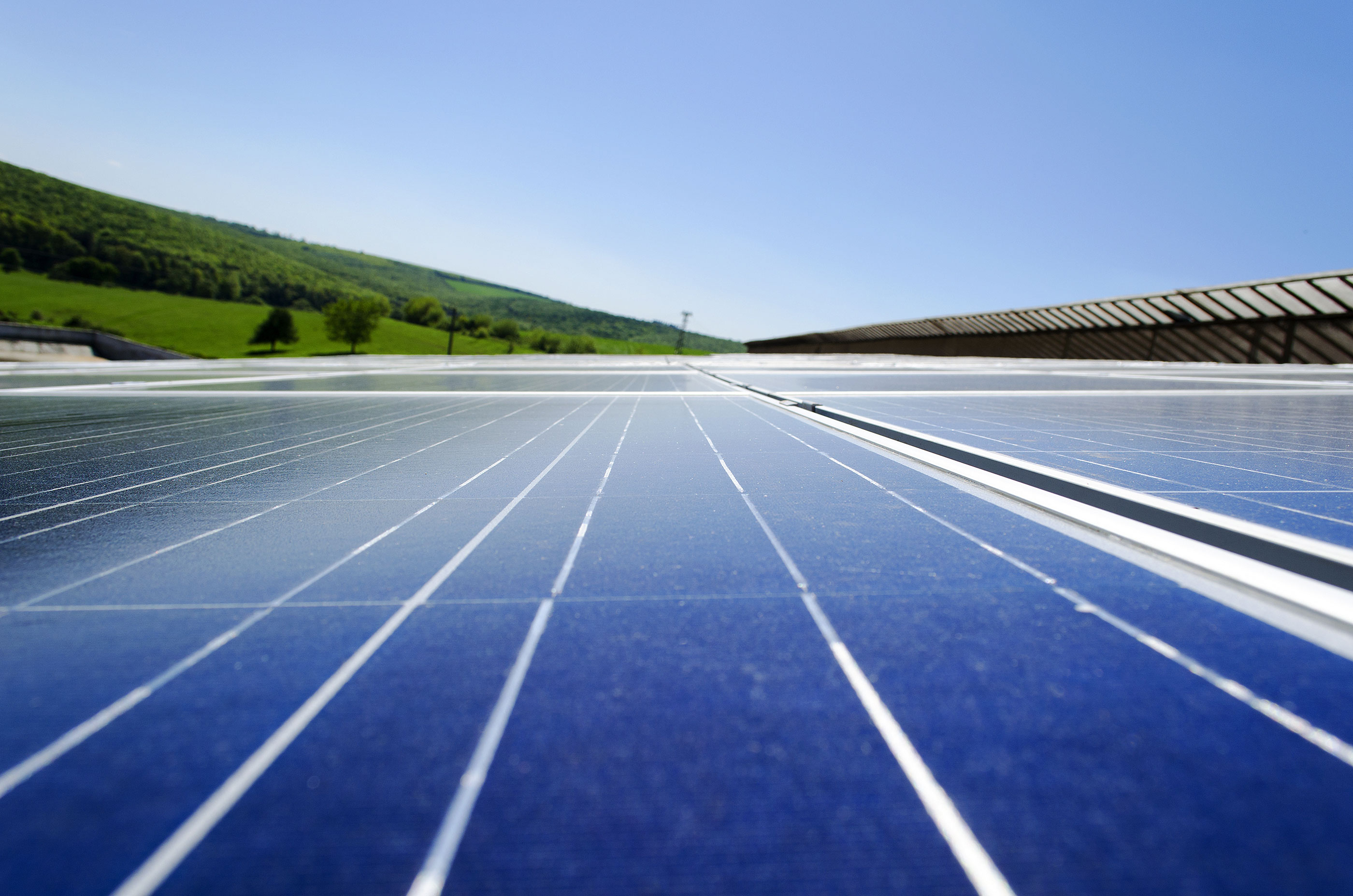
A stock image of solar panels in a rural setting. Green hills in background with renewable energy solar panels in the foreground.
Renewable energy solar panels. © Shutterstock / Eenevski / WWF

Accelerating climate action across our region

From rising sea levels in the Pacific to more frequent droughts, floods and bushfires, the impacts of a warming climate are already being felt around the world. Across Australia and the Asia-Pacific region, WWF-Australia supported community-led solutions that restore nature, strengthen livelihoods and build resilience. From accelerating Australia's shift to renewable energy and strengthening Indigenous climate leadership across Oceania to restoring wetlands in Viet Nam, these efforts are creating a safer future for people and nature.
Read more
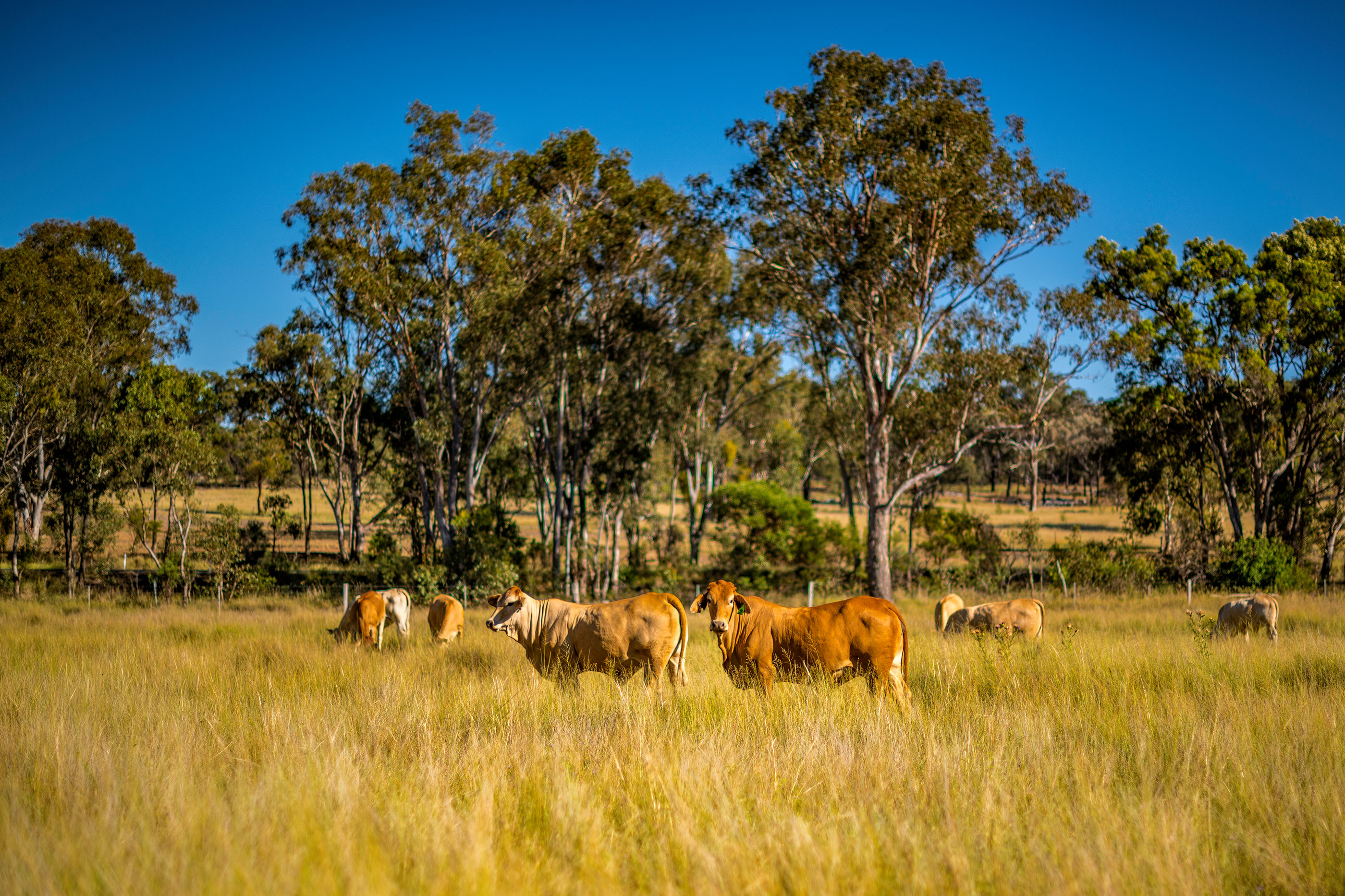
Grazing land on an Australian cattle property in South East Queensland. Herd of Charolais cross Brahman cows amongst the grass pasture with ironbark trees beyond. Blue sky. Darling Downs.
Grazing land on an Australian cattle property in South East Queensland. © Jen Watson / Shutterstock / WWF

Transforming systems for nature

Many of the biggest challenges facing nature are driven by the systems that shape how land is managed, how money is invested and how industries operate. WWF-Australia is helping transform those systems by creating better information, unlocking investment and building momentum for cleaner industries. Together with supporters, partners and industry, we are shifting markets and investment towards outcomes that benefit both people and nature.
Read more

Acknowledgements

We are deeply grateful for the generosity, commitment and passion of the many individuals and organisations who joined us in our mission to regenerate and protect nature.

WWF-Australia is privileged to work alongside a diverse and growing community of supporters and partners, including First Nations communities, families, bequestors, philanthropists, governments, businesses, innovators, investors and foundations.

Together, we are driving meaningful change for people and nature.

We warmly acknowledge and thank all those whose support, expertise and collaboration helped make this year's achievements possible. Their contribution is vital to creating a future in which people and nature thrive.

Accreditations

WWF-Australia is accredited by the Department of Foreign Affairs and Trade (DFAT) under the Australian NGO Cooperation Program (ANCP).

WWF-Australia is also a signatory to the ACFID Code of Conduct, a voluntary, self-regulatory sector code of good practice. We are committed to and fully adhere to the ACFID Code of Conduct, performing our work with transparency, accountability and integrity.

More information about the ACFID Code of Conduct is available from the ACFID website at https://www.acfid.asn.au/code-of-conduct or by contacting ACFID at main@acfid.asn.au or +61 2 6285 1816. Complaints relating to alleged breaches of the Code of Conduct by any signatory agency can be made by any member of the public to the ACFID Code of Conduct Committee by emailing code@acfid.asn.au.

WWF-Australia is also a signatory to the Fundraising Institute Australia (FIA) Code of Conduct.

We welcome feedback on this report and on our operations and conduct in general. Please send any feedback or complaints to enquiries@wwf.org.au. Complaints can also be made via the Ethical Reporting Hotline here. 

Monitoring, Evaluation and Learning

WWF-Australia is committed to continuous improvement through evaluation, reflection and learning. During 2025–26, a number of independent evaluations and reviews were undertaken to assess program effectiveness, identify lessons and strengthen future conservation efforts. Collectively, these reviews reinforced the importance of locally led approaches, inclusive participation, strong evidence and long-term investment in resilience for people and nature.

Climate Resilient by Nature (CRxN) Evaluation

An independent end-of-program evaluation of the Climate Resilient by Nature (CRxN) program assessed program design, implementation and outcomes across ten projects in ten countries. The evaluation highlighted the importance of locally led design, inclusive participation and sustained investment in nature-based solutions to achieve lasting outcomes for communities and ecosystems.

The findings are informing future programming, including Phase 2 in the Mekong, with a stronger focus on local governance, nature-positive livelihoods, qualitative and inductive monitoring, evaluation and learning systems, and investment timeframes better aligned with ecological and community resilience.

Pacific GEDSI Evaluation

An independent evaluation of WWF's Pacific Gender Equality, Disability and Social Inclusion (GEDSI) Program examined the effectiveness of efforts to embed inclusion across organisational systems, program strategies and community-level conservation initiatives.

The evaluation found that strengthening gender equality, disability and social inclusion improved participation and decision-making outcomes, while identifying opportunities to deepen engagement with underrepresented groups and further integrate inclusive approaches across program delivery.

The findings are informing ongoing improvements, including stronger collaboration with organisations of persons with disabilities, greater integration of GEDSI considerations into monitoring and adaptive management processes, and more deliberate inclusion of community priorities and leadership in conservation design and implementation.

Science Review

An independent review of WWF-Australia's science portfolio found that research activity and collaboration have grown substantially in recent years, with research activities doubling since 2019 and partnerships expanding across conservation, advocacy and organisational learning.

The review concluded that WWF-Australia's challenge is not generating more science, but strengthening the pathways through which evidence informs decision-making and drives impact. Recommendations included designing science around clear impact pathways, recognising the full breadth of WWF's science contributions, strengthening coordination and capability, and investing in the conditions that enable influence.

The findings are helping guide efforts to better integrate science across WWF-Australia's conservation, policy and advocacy work, ensuring evidence is more effectively translated into outcomes for people and nature.

Together, these evaluations and reviews reinforced a consistent lesson across WWF-Australia's work: conservation outcomes are strongest when programs are locally led, inclusive, evidence-informed and supported by long-term investment. The lessons learned are being applied across programs and partnerships to strengthen decision-making, improve accountability and maximise lasting impact for communities and nature.

Financials