Rocky relations
WWF’s senior programme adviser for Asia, Nicola Loweth, has recently been to India and Nepal to visit some of the projects benefitting snow leopards.
The Himalayas aren’t just home to rich wildlife; they also provide vital natural resources for millions of people, including local communities who graze their livestock on the alpine rangelands.
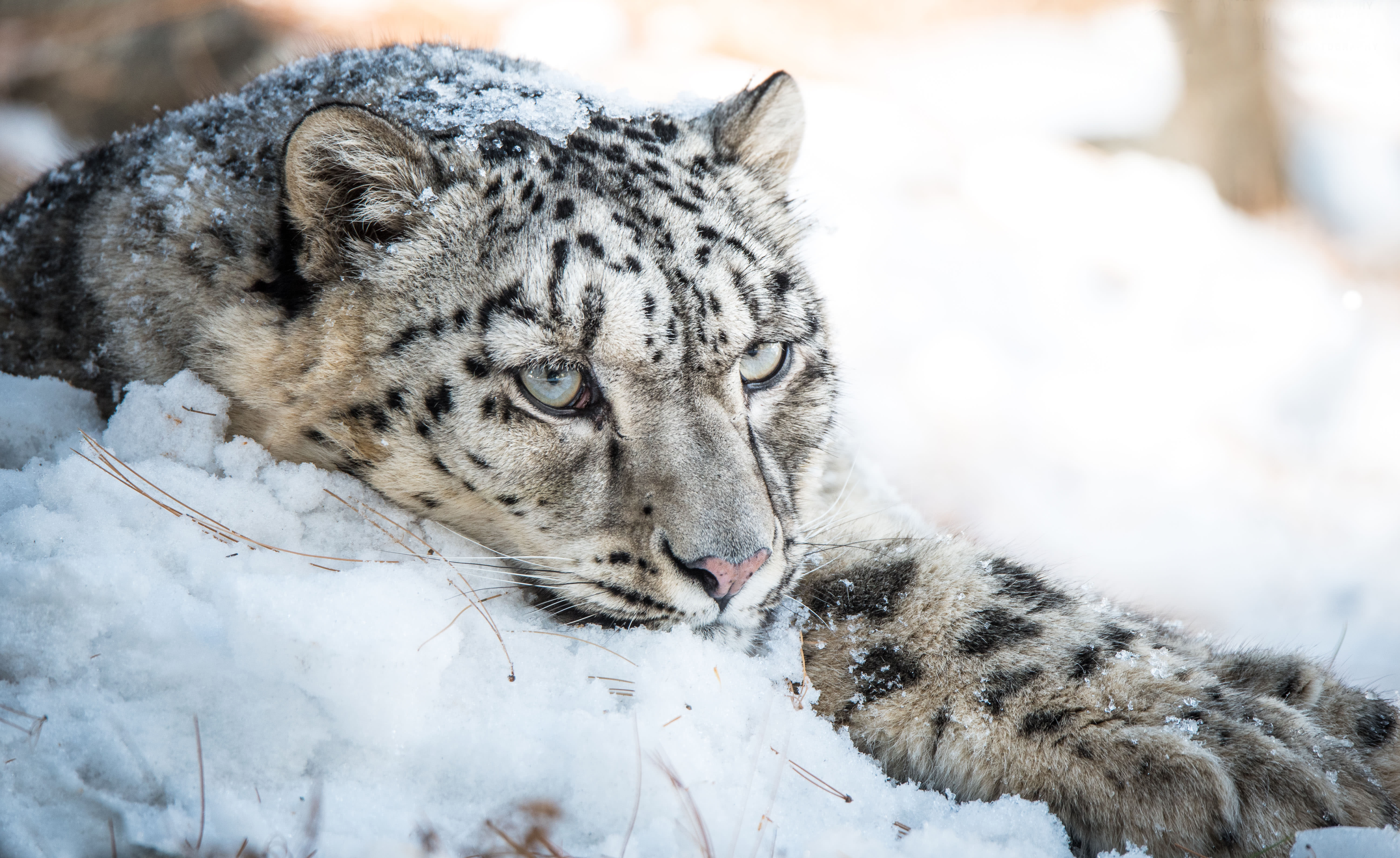
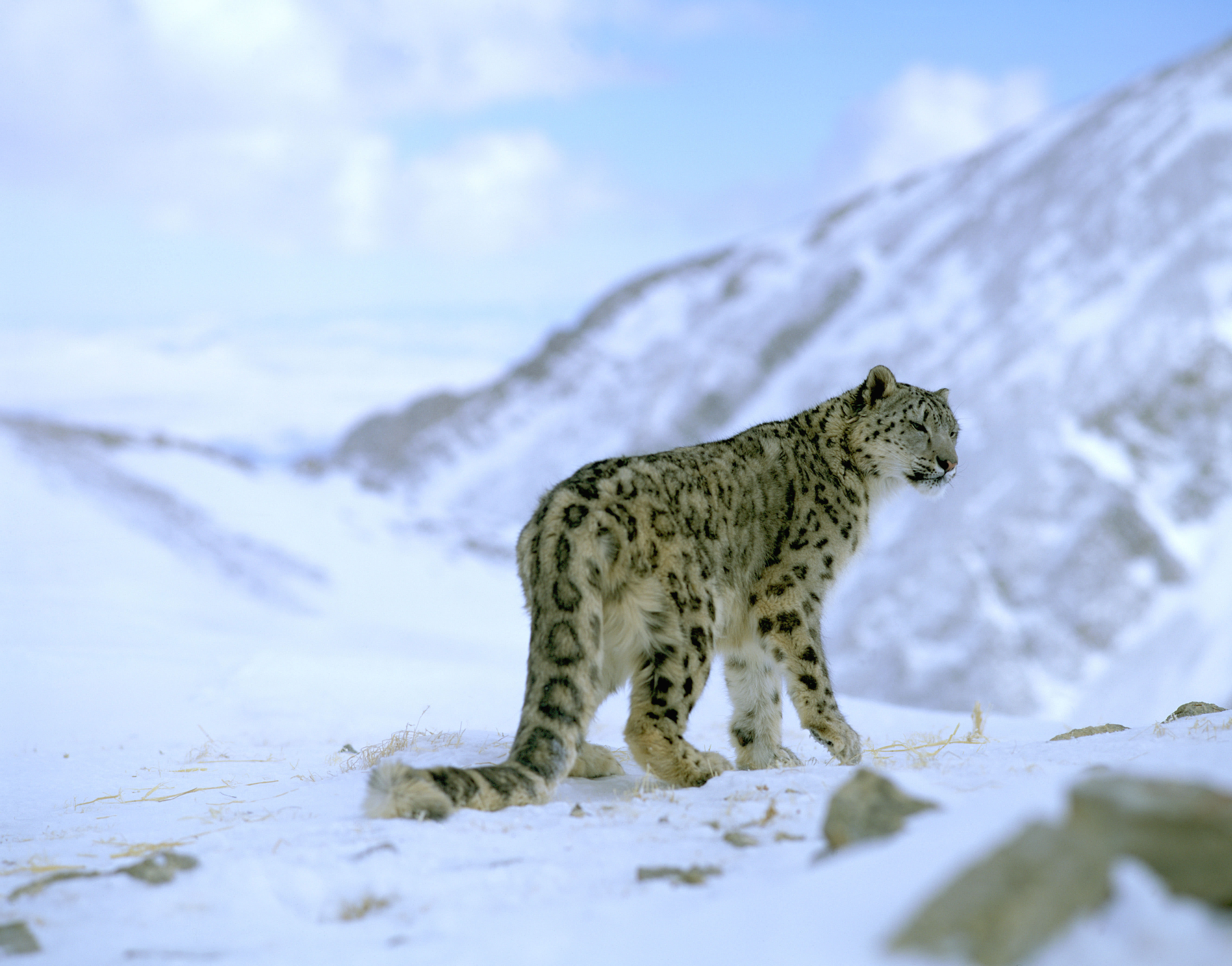
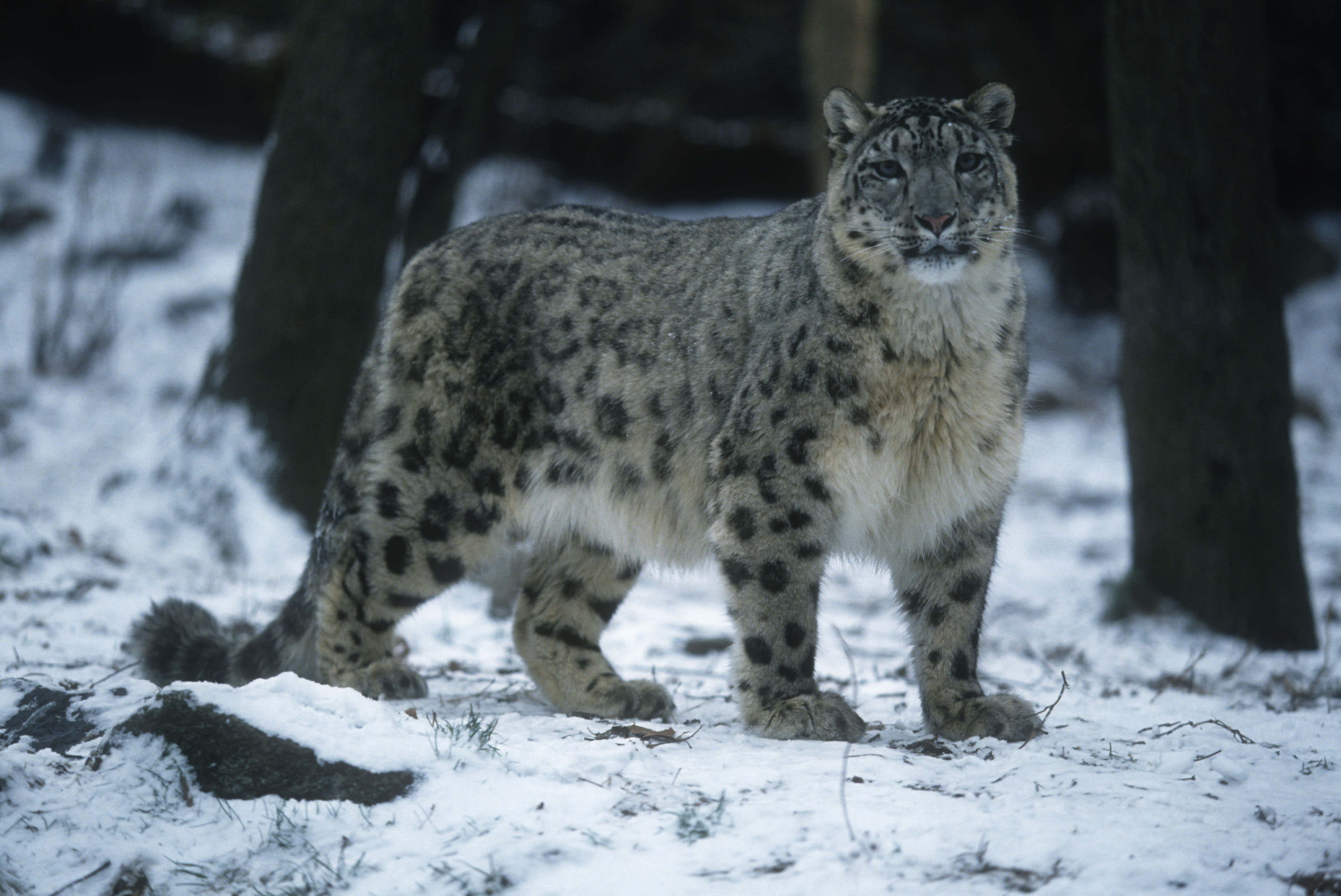
During her visit, she was lucky enough to spot one of the secretive big cats, but the circumstances brought home the realities of living with predators.
Read on to read all about Nicola’s snow leopard encounter.
"I’d barely stepped off the plane in Leh when I heard that a snow leopard had killed a cow just outside the city.
It’s famously near impossible to see the ‘ghost of the mountains’, so my first instinct was to rush to the scene. But as the sun was sinking low in the sky, and I know snow leopards tend to stay feeding from a kill for a few days, I was confident it would still be there the next morning.
As soon as dawn broke, I drove out of the city to find the snow leopard. Amazingly, it was hiding in plain sight, its rosetted coat providing superb camouflage against the golden rocks towering above the road. Scrambling up the side of the valley for a better view, I could see blood around its mouth and, nearby, the cow it had killed.
A quiet stillness hung in the air, occasionally interrupted by the roar of a passing vehicle, as my thoughts turned to the herder who had lost their precious cow. In the Himalayas, survival is a daily battle – food and water are scarce, and crops are hard to grow, so people depend on raising livestock to make a living.
But as the snow leopards’ natural prey dwindles, the cats move closer to settlements and domestic animals. Communities are surprisingly tolerant when the occasional animal, out grazing on the mountainsides, is taken. But when a predator raids a pen overnight and kills an entire flock, their goodwill is sorely tested.
These devastating attacks often lead to retaliatory killings – and they’re becoming more common.
Coexistence, not conflict
In other regions of India and Nepal, work is being done to help herders protect their livestock at night, when animals are at their most vulnerable.
So far, predator-proof enclosures have been built in three villages, protecting some 1,800 sheep and goats from snow leopards and Himalayan wolves (often the main culprits in livestock losses).
Designed with local community members, these wire-and-stone-wall corrals prevent predators from jumping or digging their way in.
Flashing solar-powered lights are also being trialled, using 59 of the devices in three high-conflict areas to see if their random flashing is effective at scaring away predators at night. I watched the snow leopard for two hours, and all the while I contemplated the delicate balance of life here."
With your support, we can continue to preserve this incredible big cat.
This form could not be loaded. Please check the configured form URL.