
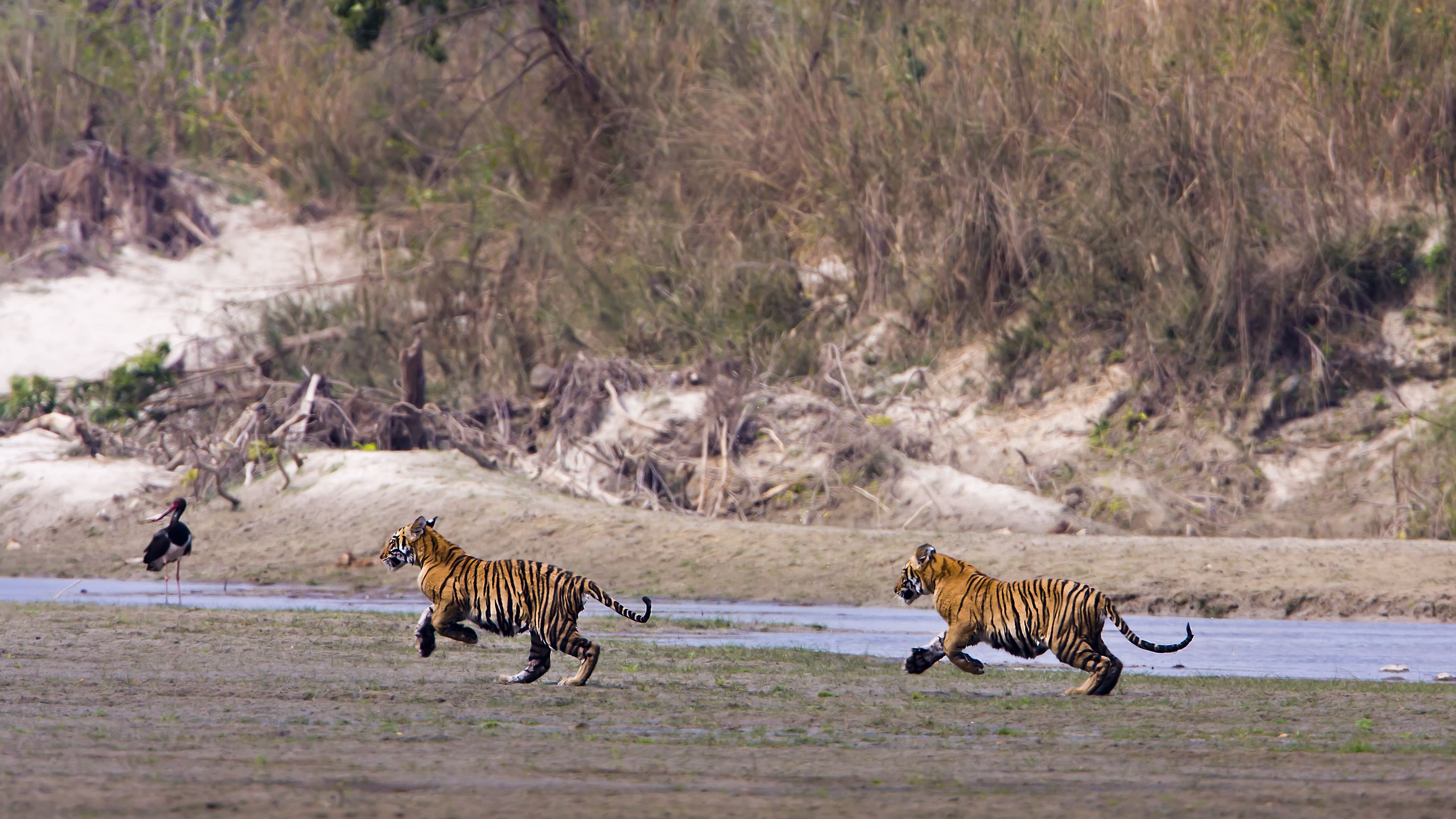
Fresh faces
The Terai Arc is a vast patchwork of forests, agricultural land, wetlands and protected areas that straddles the lowlands and foothills of north-west India and southern Nepal. It’s thought to be home to more than 1,000 tigers, but it’s important to get a clear picture of exactly where these big cats are roaming. Tigers have lost an estimated 92% of their former range, but with populations growing, could they be reclaiming lost lands?
Last year, WWF began a three-year camera trap survey of the central part of the Terai Arc Landscape, beginning in forests that hadn’t been properly studied since 2016. We were thrilled to hear the camera traps snapped a pair of breeding tigers in the area – for the first time ever!
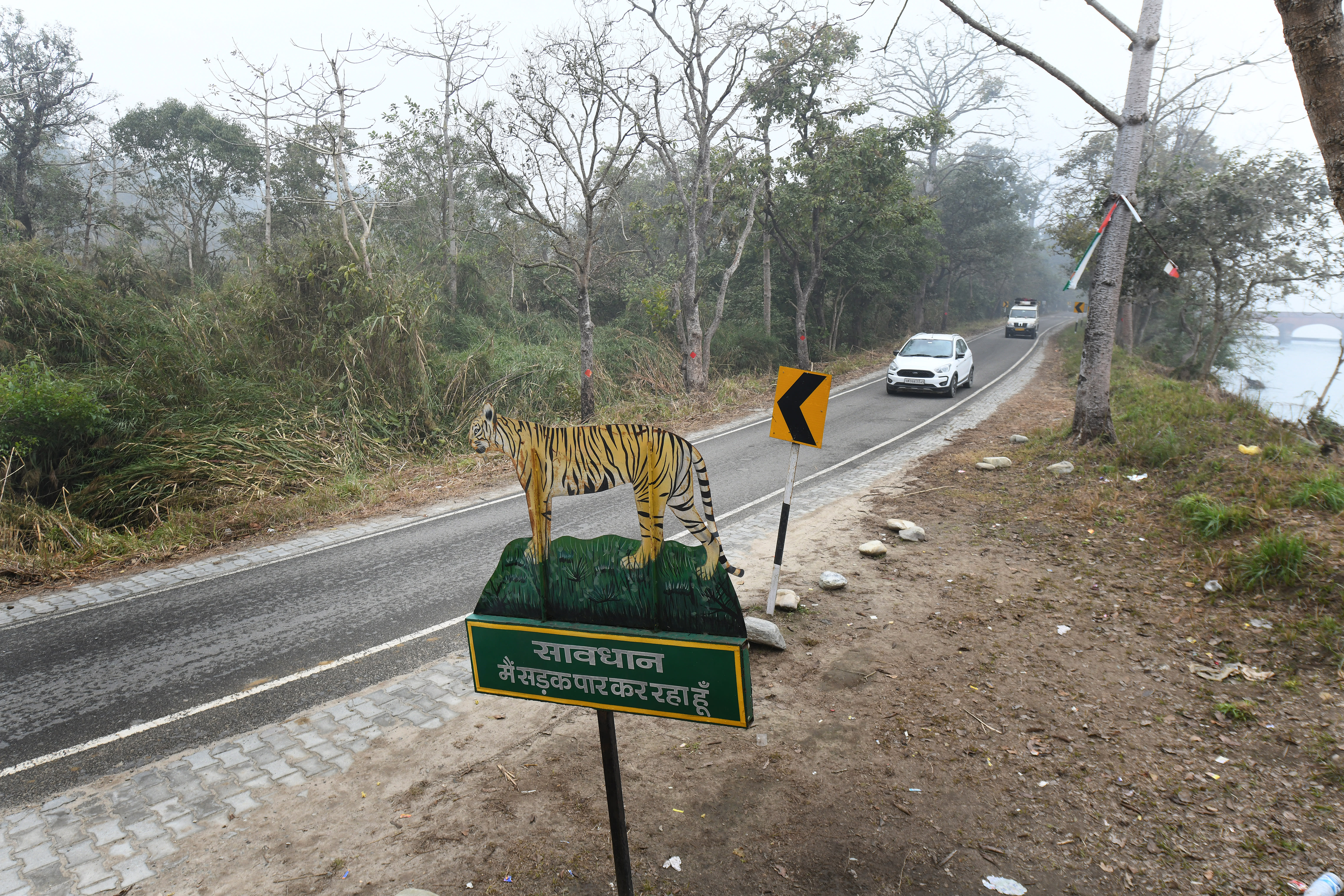
Since then, the cameras have been moved to another region, where they’ve made an equally notable discovery – three tigers have been spotted where no big cats were recorded during the last survey in 2015-2017. Two of them had probably wandered over from a wildlife sanctuary across the border in India. These sightings are crucial for understanding the wider distribution, and conservation needs of tigers in this area.
In the heart of the Terai Arc Landscape is Khata Corridor, a forest WWF helped restore, which provides a safe route for wildlife moving between Bardia National Park in Nepal and Katarniaghat Wildlife Sanctuary in India. The latest camera trap photos revealed four adult tigers we’ve never seen here before.
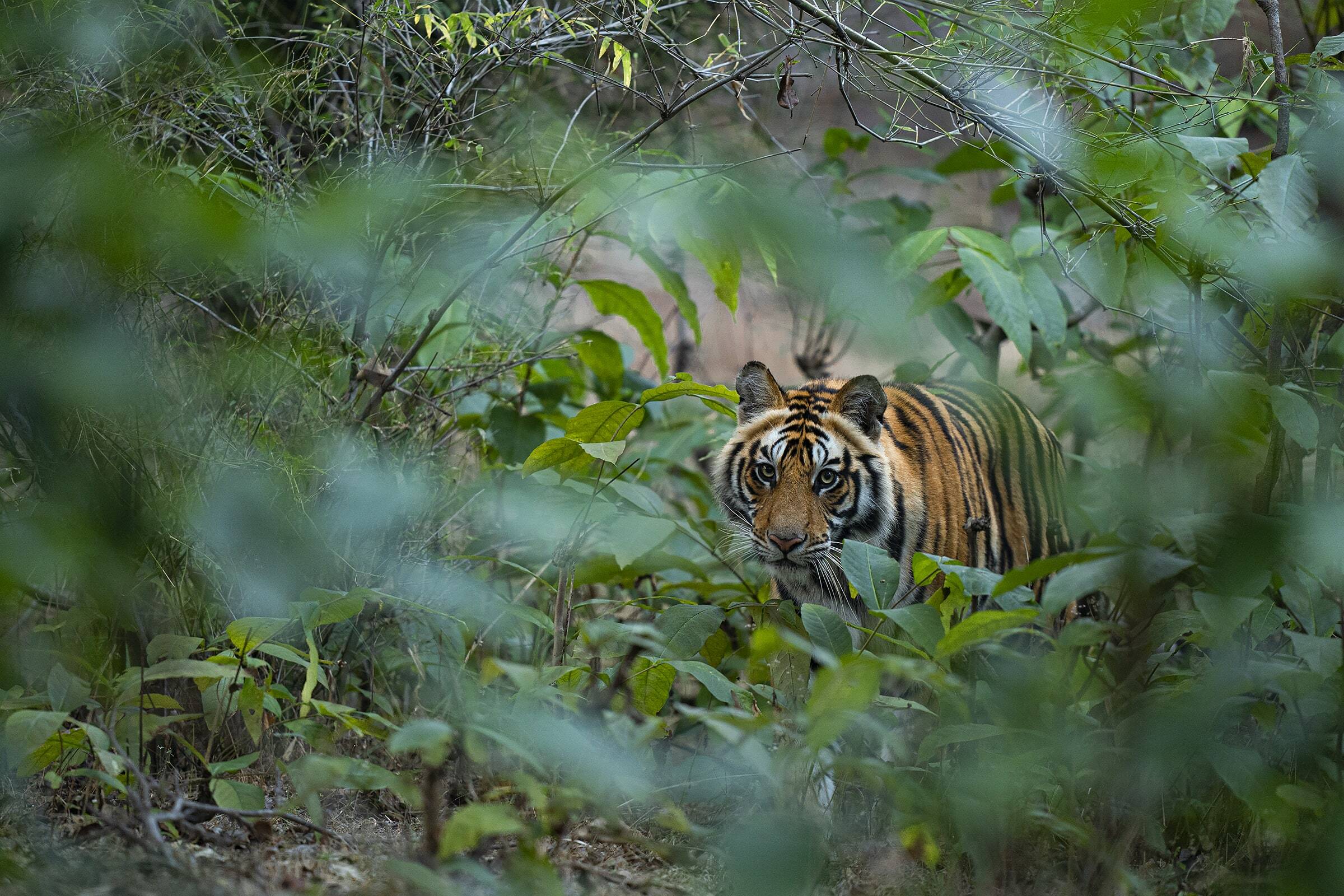
Corridor of life
Over the years, we’ve come to love some of the corridor’s resident big cats. WWF have been following Shivapothi – a tigress first recorded in 2013 – and her family and were delighted to see two of her adult daughters, Lalai and Gauri, on camera. The sisters were in good health, and it was great to discover that Lalai has two cubs of her own.
It’s so rewarding to see successful breeding in the corridor. Since the Terai Arc Landscape programme was launched in 2001, it’s brought 66,800 hectares of forest back to life and helped almost triple Nepal’s wild tiger population from an estimated 121 in 2010 to 355 in 2022. Years of work with local communities to restore crucial habitat are clearly paying off as the big cats expand their range.