Skip to content
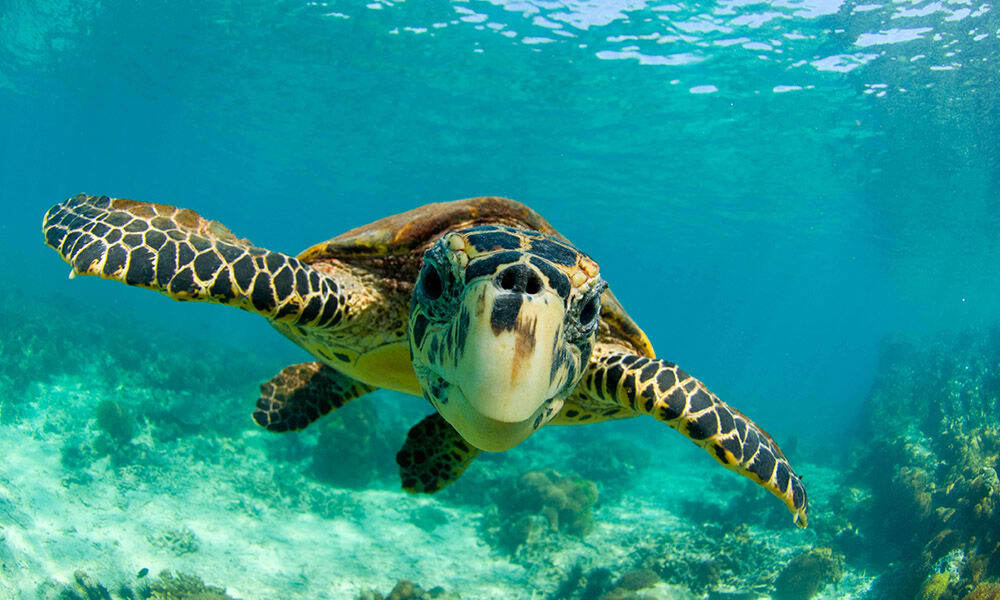
A hawksbill turtle swimming through a reef, Kimbe Bay, Papua New Guinea
A hawksbill turtle swimming through a reef, Kimbe Bay, Papua New Guinea. © Jürgen Freund / WWF
Can new technology provide a solution to a silent killer of marine turtles?

Kilometres and kilometres of fishing gear, like nets, trawling our oceans are deadly. Not only do they entrap intended fish species; they also capture other marine animals that unwittingly stray into their path.

This grisly incidental catch, known as bycatch, sees scores of marine turtles, dolphins, dugongs, sharks and seabirds hauled up onto the decks of fishing vessels and then tossed overboard dead or dying.

Globally, bycatch is thought to be the leading cause of death for cetaceans (whales and dolphins). Some populations are even likely to become extinct because of their repeated encounters with fishing gear. But many of these deaths and injuries can be avoided.


Hawksbill turtle (Eretmochelys imbricata) swimming underwater, Madagascar
Hawksbill turtle (Eretmochelys imbricata) swimming underwater, Madagascar. © naturepl.com / Inaki Relanzon / WWF
WWF is calling for the wholescale
adoption of Remote Electronic Monitoring
(REM) with cameras across fishing fleets.
It could mean a massive boost to the
monitoring of catches and identifying
incidents of wildlife bycatch, so many
of which go unrecorded. There’s an additional factor that might reassure
those of us on land: REM could give
businesses and the public more
confidence that their seafood is coming
from a sustainable source.

Globally, fleets hunting for species such
as swordfish, marlin and tuna send out
long fishing lines, each with hundreds or
even thousands of baited hooks attached.
The traditional J-shaped hooks can have
tragic consequences for turtles, which
either swallow the hooks and die of
internal bleeding or are suffocated when
they’re snagged and unable to surface
to breathe.

Alternative ‘circle’ hooks, with the hook
points turned inwards at a 90° angle, have
proved to reduce turtle deaths by as much
as 97%. We’re also helping with tests to
try out different types of bait to reduce
their appeal to turtles.

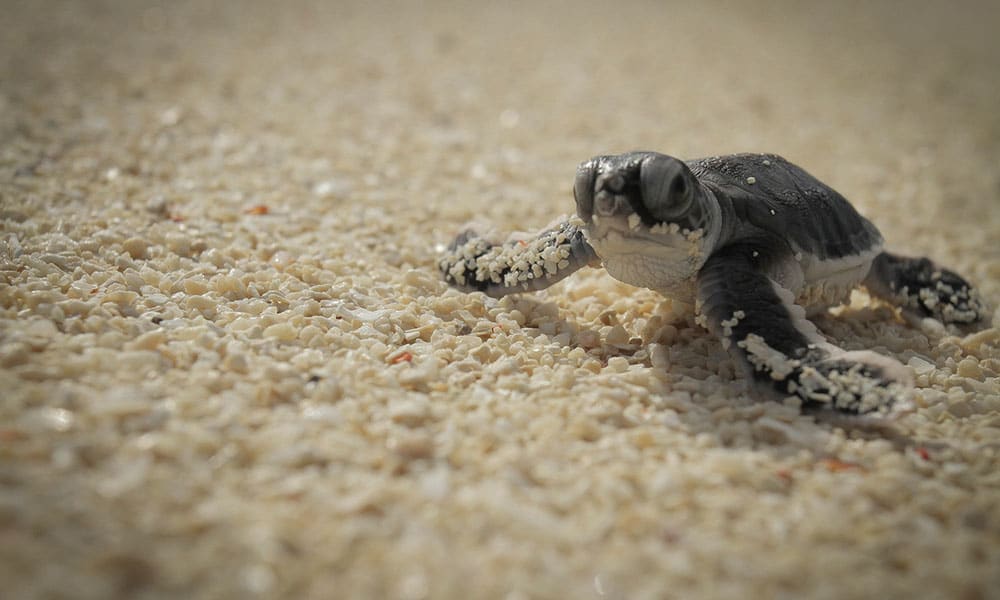
Green turtle hatchling
Green turtle hatchling © WWF-Malaysia / Mazidi Abd Ghani
Some fishers put out gill nets, near invisible curtains of nets that hang in the water. Fish swim into
them and are trapped
by their gills, hence the
name. Fish aren’t the only
creatures ensnared, so
how do we stop turtles
and other marine animals
becoming entangled in
these nets?

One answer is to make
them visible in a way
that deters turtles. Internationally, WWF has
been working with the US
government’s National
Oceanic and Atmospheric
Administration to develop
special lights that reduce the turtle bycatch in
gill nets. Lightsticks are
attached to the nets,
alerting the turtles to the
barrier in front of them.
The illumination has been
shown to reduce mortality
by between 60-70%. The aim is to introduce them to
fisheries around the world.

Simple solutions such as
circle hooks and warning
lights, combined with
more high-tech initiatives
such as REM, can put us
on the path to reducing
the problem of bycatch,
and making seas safer for
marine turtles.


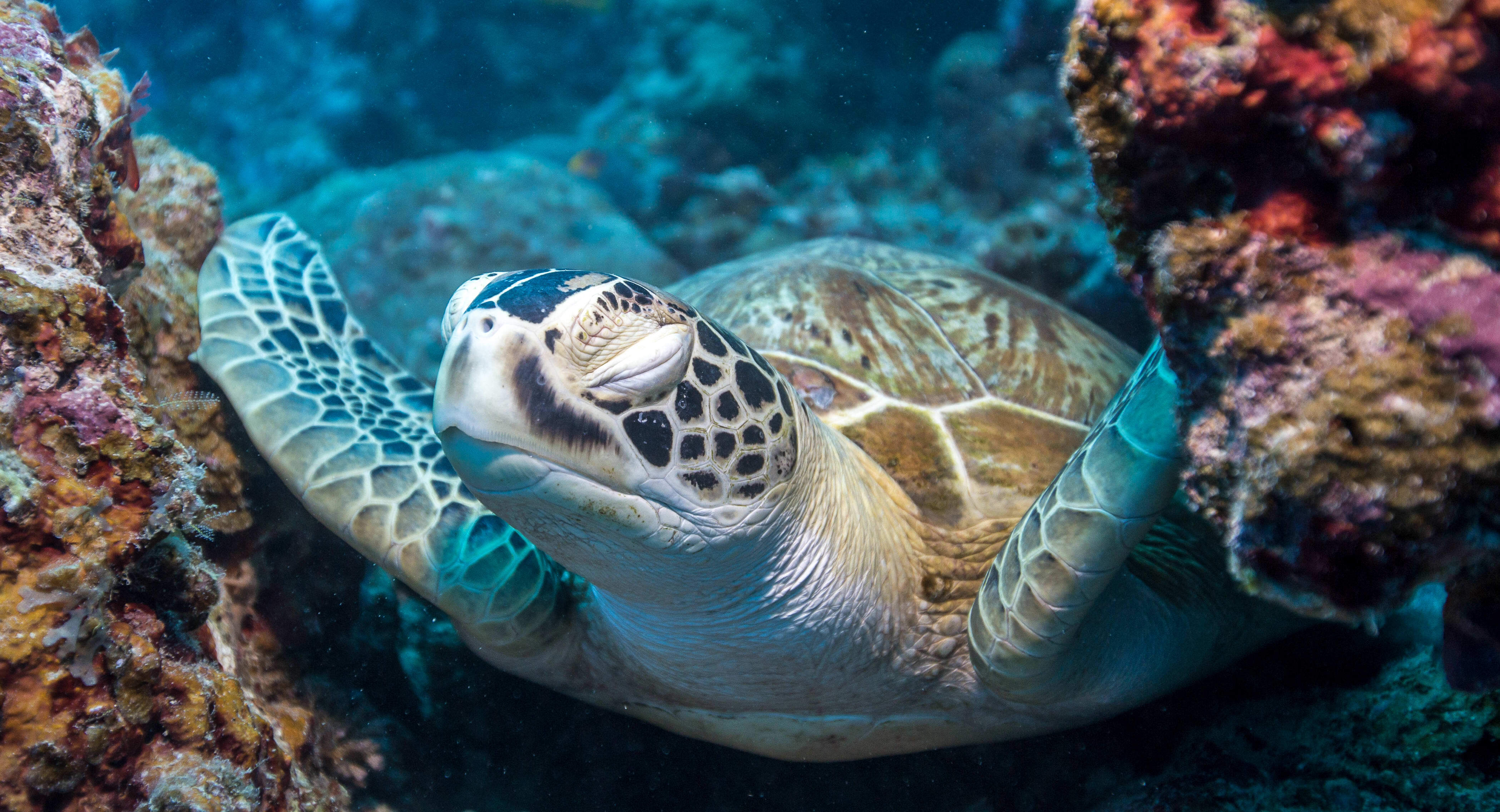
A green turtle (Chelonia mydas) having a rest on the coral sea floor. Lighthouse Bommie, Great Barrier Reef
A green turtle (Chelonia mydas) having a rest at Lighthouse Bommie, Great Barrier Reef. © Mike Ball Dive Expeditions / WWF-Aus
Loading form…