Skip to content
Bornean Orang-utan (Pongo pygmaeus wurmbii) male baby 'Thor' aged 8-9 months peering from behind his mother. Camp Leakey, Tanjung Puting National Park, Central Kalimantan, Borneo, Indonesia, June 2010.
Baby orangutan - Tanjung Puting National Park, Central Kalimantan, Borneo. © naturepl.com / Fiona Rogers / WWF
NEW FACES

We’ve spotted lots of new orangutans in a Borneo rainforest that has been restored through dedicated conversation efforts.

Amid a sea of oil-palm plantations in the eastern part of Sabah, Borneo, lies Bukit Piton Forest Reserve. Its population of orangutans once faced an uncertain future, stranded in a forest heavily degraded by logging and wildfires. We knew urgent action was needed so, in 2007, we worked with our partners to restore the forest.

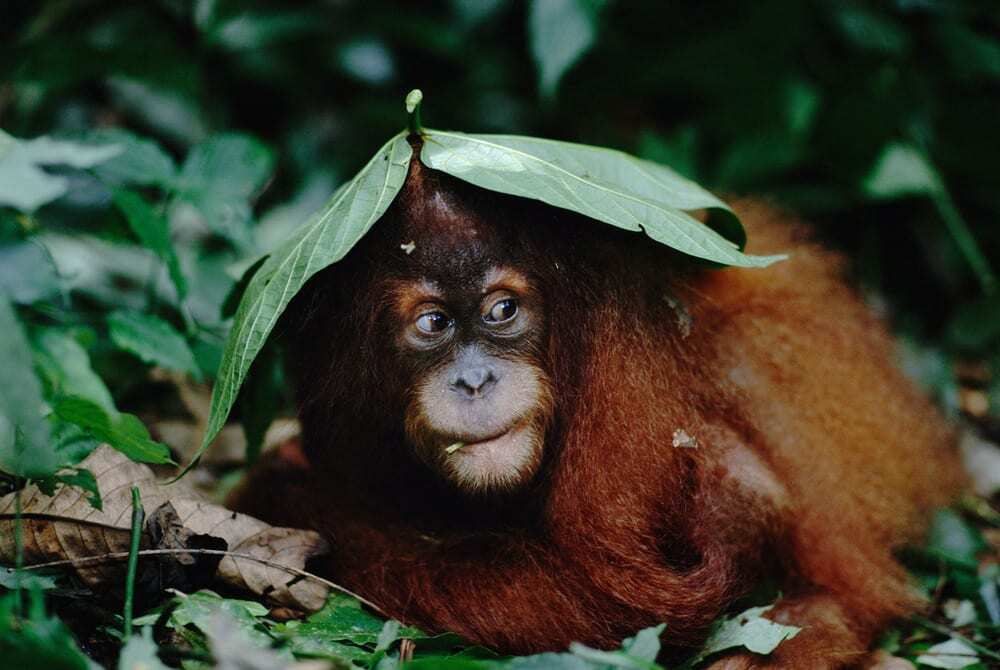
Orangutan hides under leaf (1000px)
Orangutan hides under leaf © naturepl.com  / Anup Shah / WWF
Today, orangutans are reclaiming their rightful home in the treetops. But our work isn’t over.

We make regular trips back to the forest to check on the resident apes and see how they’re using the trees we planted. Bornean orangutans are easier to spot when they’re on the forest floor, looking for fallen fruit, than when they’re high in the canopy. But the annual fruiting season started late this year (it’s becoming really unpredictable), so the apes mostly stayed in the treetops, resting to conserve energy.

We kept up the search and finally spied a female orangutan we named Wanda. We inched closer until she made a ‘kiss squeak’ – a rapid sucking of air through pursed lips – and snapped some small branches. This told us we were too close to her, so we gave her some space.

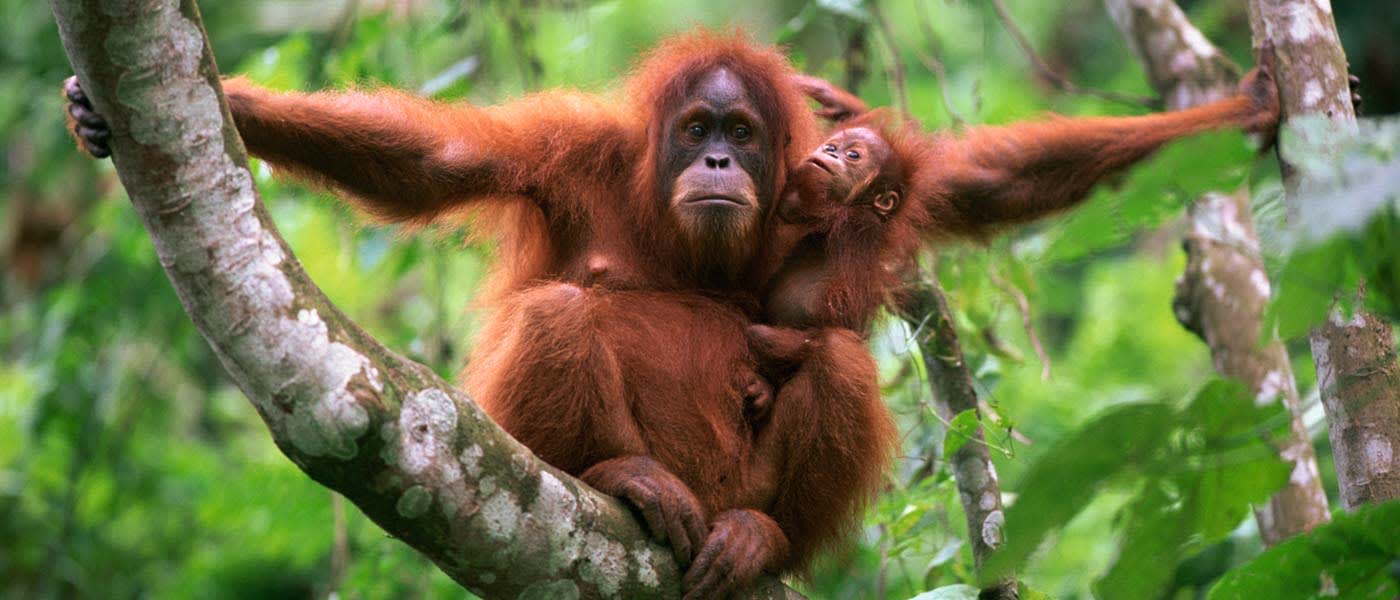
An orangutan with its baby sit on a branch facing the camera
An orangutan with its baby sit on a branch facing the camera © naturepl.com / Anup Shah / WWF
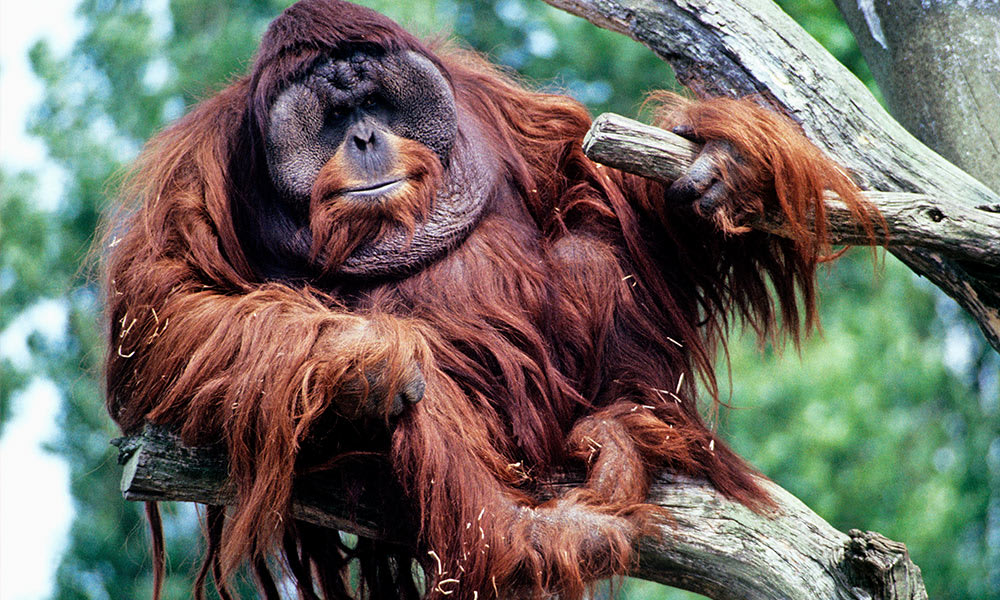
Other orangutans don’t seem to mind human visitors as much as Wanda. Females, particularly those with young, tend to be most cautious, while flanged males – adults with huge cheek pads – are usually the least perturbed.

We were excited to meet a flanged male we hadn’t spotted before, which we named Mysa. He was oblivious to our presence, absorbed in a banquet of figs that had finally ripened. Eventually, the fruity buffet across the forest drew other dinner guests, from orangutans to gibbons, macaques and magnificent hornbills. Even fish get in on the action when fruit drops into the river from the trees or a careless hand.

Male Bornean orangutan (Pongo pygmaeus)
Male Bornean orangutan (Pongo pygmaeus) © David Lawson / WWF-UK

Over our next few visits, we met even more new orangutans: a female we named Kambang, two males we called Togop and Boboy; and another flanged male named Buddy.

Seeing new orangutans in the forest is a testament to the work of the restoration team, who planted some 300,000 trees that have now matured into a sanctuary for these Endangered apes.

With continued monitoring, we can see if the fruit harvest is being affected by the increasingly erratic weather. We can also ensure all the forest’s residents have the healthy habitat they need to thrive.  
Thank you for being a vital part of this important work.  

Loading form…