Skip to content
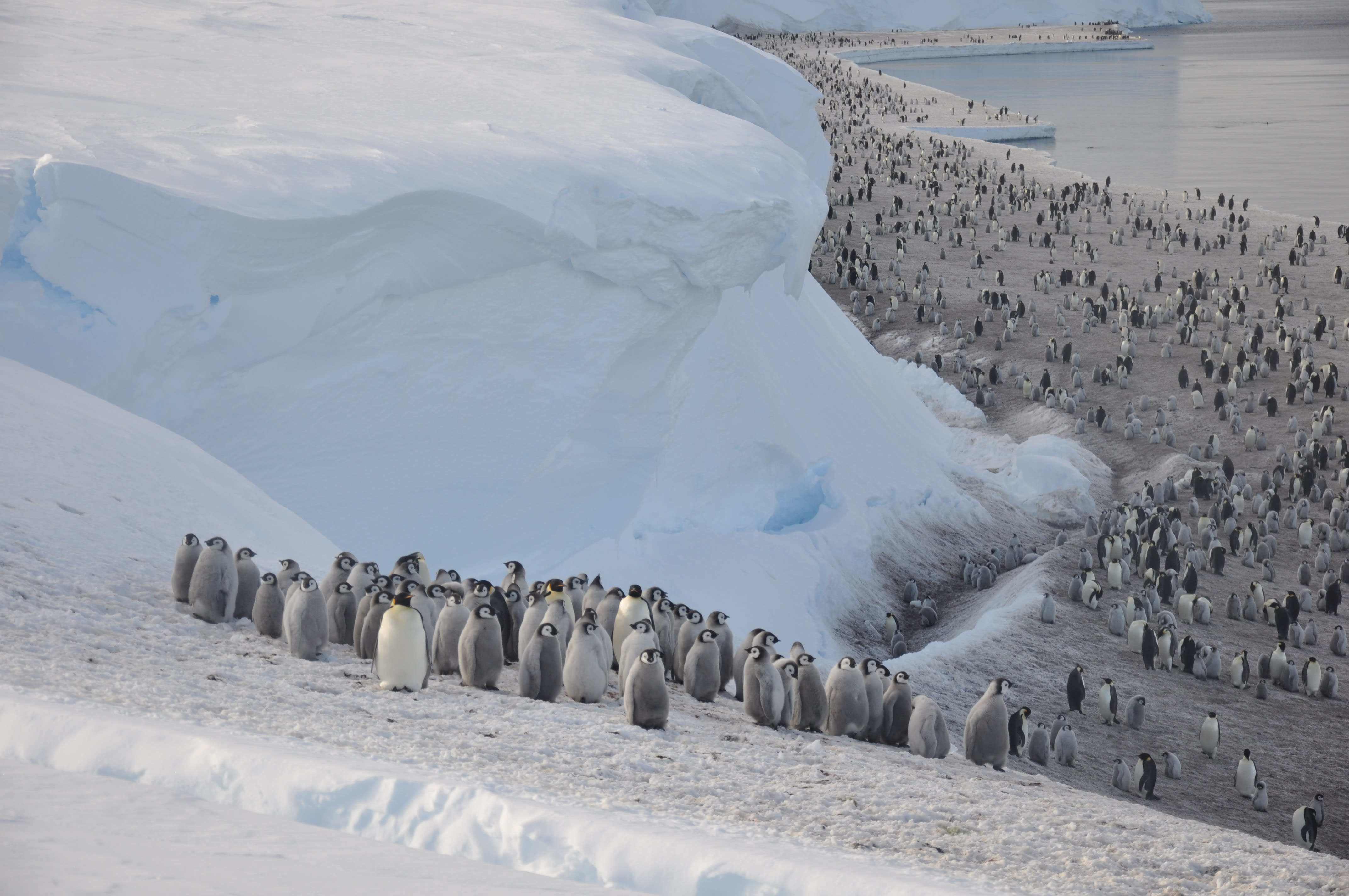
Aptenodytes forsteri Emperor penguin Colony with adults and chicks Dawson-Lambton Glacier, Antarctica
Aptenodytes forsteri Emperor penguin Colony with adults and chicks Dawson-Lambton Glacier, Antarctica © Fritz Pölking / WWF

FROM THE FIELD - ANTARCTICA

Servane and Ben, two scientists from Centre d’Etudes Biologique de Chizé, are collaborating with WWF to study penguins and other wildlife in the Antarctic.

Read on to find out more about their work and some incredible impacts from their recent expedition in Antarctica.  

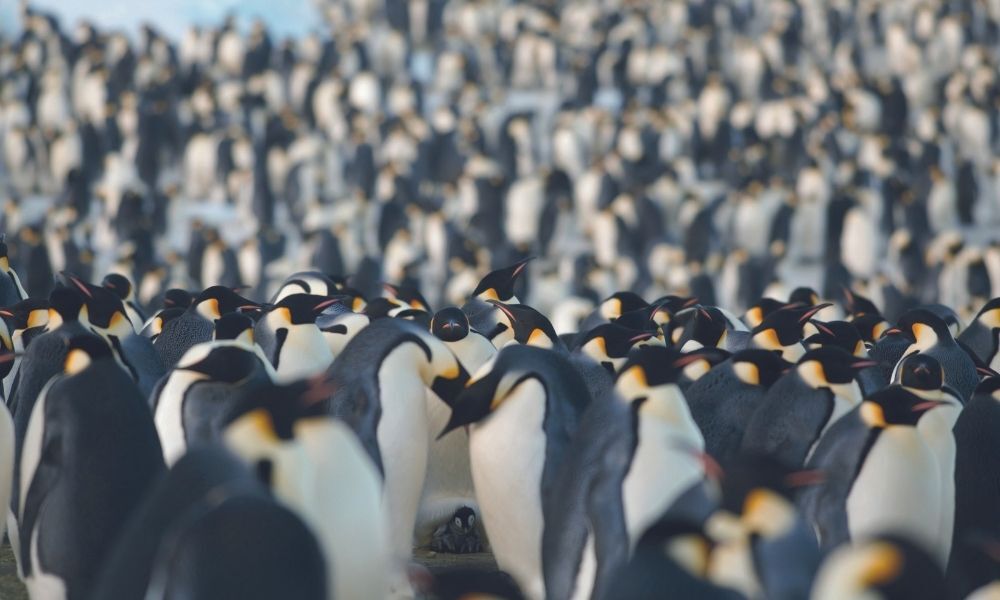
Large group of emperor penguins
© ADÉLIE KRELLENSTEIN / IPEV / CNRS / WWF

A report from the field - Benjamin Dupuis.

Melting ice and late-maturing emperor penguin chicks are signs of climate change.

As I write, it’s the height of the Antarctic summer – a season marked by the convergence of Adélie and emperor penguins here on the Pointe-Géologie Archipelago. To avoid competition for food, emperor penguins raise their chicks during the harsh Antarctic winter, forming breeding colonies on the sea ice that surrounds the continent.

By now, the last of the emperor chicks have matured, and my colleague Servane and I have been watching them prepare to take their first plunge into the sea. But it’s unusual for chicks to still be on the ice this late in the season.

Why are they still here?

Emperor penguins on the sea ice © Christopher Walton

Sea ice - Crucial habitat

Emperor penguins depend on sea ice to breed and feed – as do krill, the tiny shrimp-like crustaceans that fuel the Antarctic food web.

But last August, when the emperor chicks hatched, the sea-ice extent was at a record-breaking low. We think this might have resulted in less and poorer-quality food during the chicks’ crucial first month of life, which delayed their growth.

This means some weren’t ready to fledge at the usual time.  
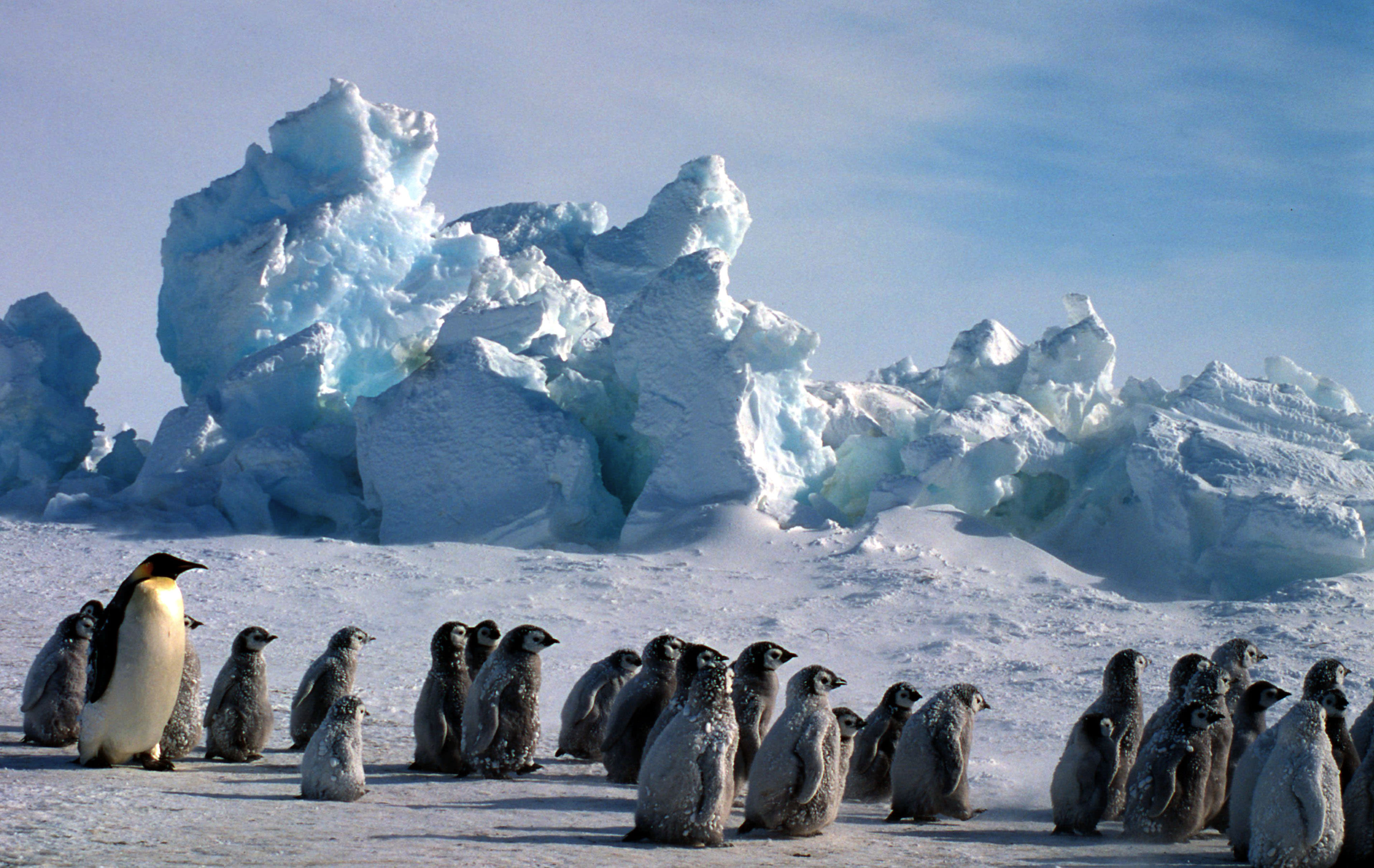
Emperor penguin chicks after a snow storm © Fritz Pölking/WWF

Monitoring environmental changes

As ocean temperatures rise, the sea-ice that emperors depend on might not freeze for long enough for them to successfully raise chicks.

Our work involves closely monitoring colonies year after year to see how they’re coping with changes in their environment, which in turn will help to secure a future for these Antarctic icons. 

- Benjamin Dupuis, Marine Predator Researcher, Dumont d’Urville Research Station. 
Amazing outcomes from the expedition

Servane and Ben spent the expedition gathering vital data about penguins in the Antarctic. Below are just some of their achievements.
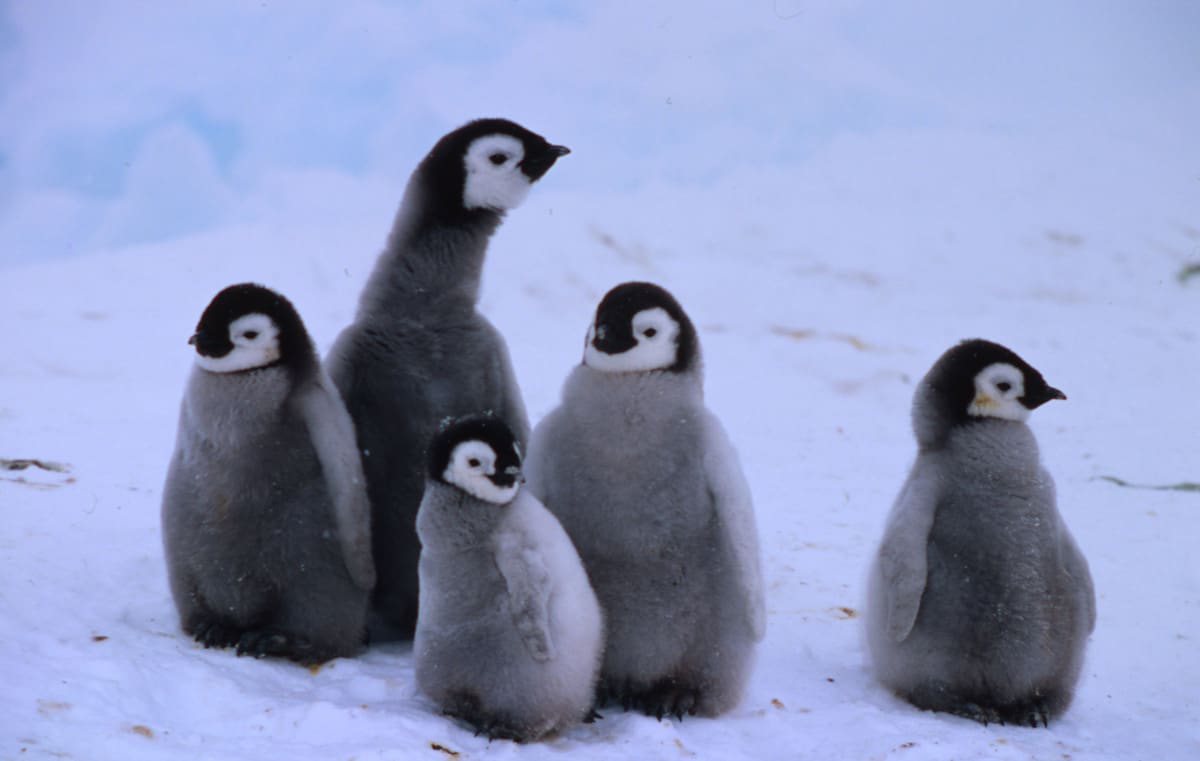
Aptenodytes forsteri Emperor penguin Chicks Dawson-Lambton Glacier, Antarctica
Emperor penguin chicks © Fritz Pölking / WWF

Followed the reproduction of 70 nests

Penguins were monitored daily to know the laying date, hatching date, breeding success and chick growth. 61 chicks reached 40 days old among the 70 nests.  
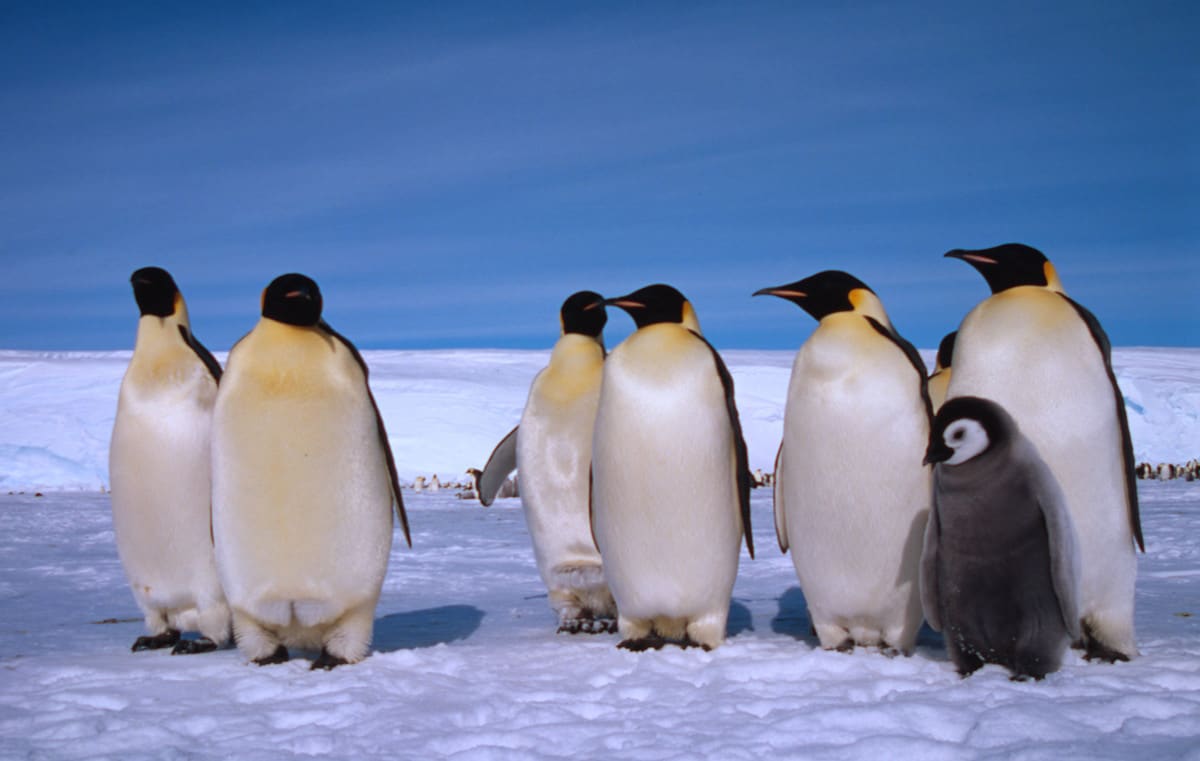
Aptenodytes forsteri Emperor penguin Group of adults with chick Dawson-Lambton Glacier, Antarctica
Emperor penguin adults with chick © Fritz Pölking / WWF

First time loggers have been used in the Port-Martin colony

The expedition was the first time data loggers have been deployed in the area.

60 adult penguins had loggers put on to record their foraging behaviour at sea. Information from loggers on adults in incubation and chick rearing represents almost a year of tracking data and around 15,000km of cumulated distance.   
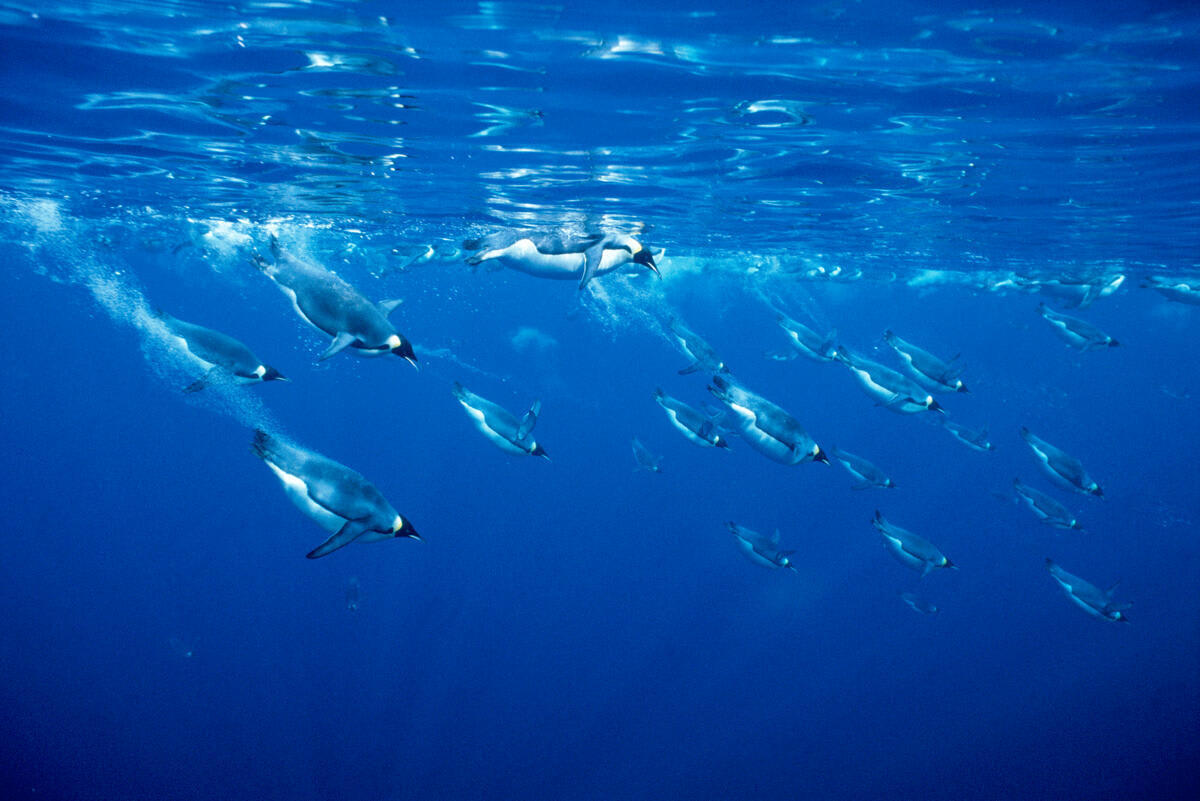
Emperor penguins diving (Aptenodytes forsteri) Antarctica.
Emperor penguins diving © Doug Allan / naturepl.com / WWF

2023 saw breeding success for 2,150 chicks

In 2023, 4,500 couples laid an egg and 2,150 chicks made it to the sea.

Monitoring of the emperor penguins' colony was carried out throughout the Austral winter. 300 chicks were tagged for long term study.

Thank you for your ongoing support.

Your continued generosity and compassion have an important impact on vulnerable species, helping them and their habitats to survive for future generations.

Loading form…