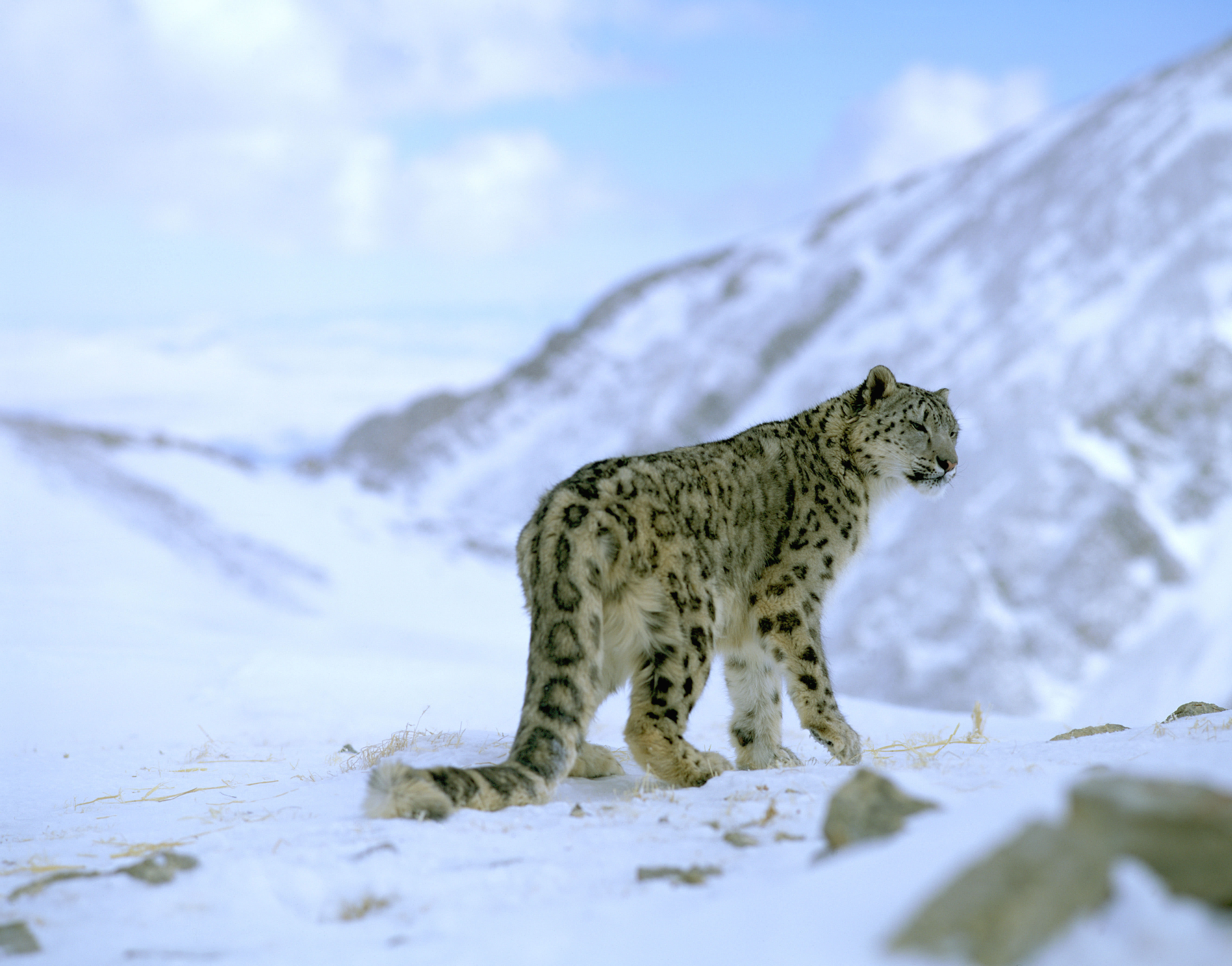
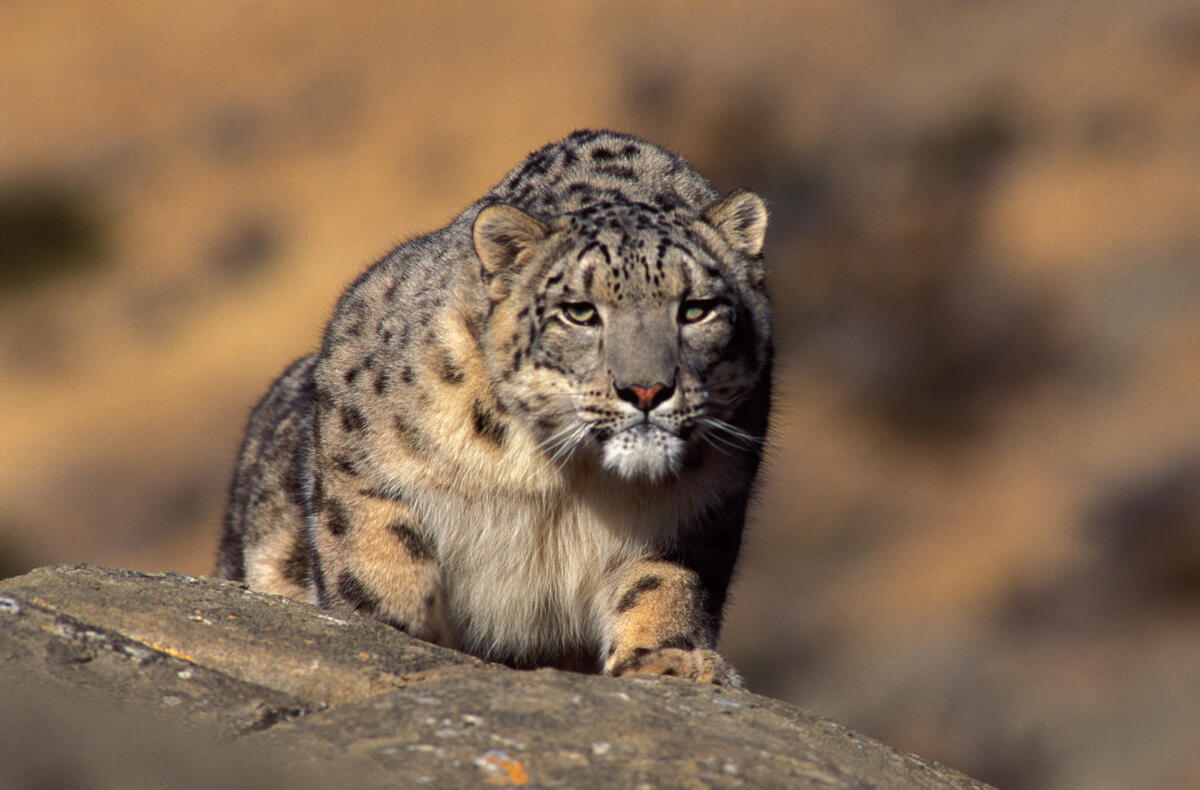
Mysterious Felines - New study reveals more snow leopard data
It is estimated that the global population of snow leopards in the wild is around 4,000 individuals. Snow leopards are sparsely distributed across 12 countries in Central Asia, from southern Russia down to the Tibetan plateau, including Mongolia, China, Afghanistan, Pakistan, Nepal and India.
Elusive by nature and inhabiting the remote, lofty peaks of central and south Asia, the snow leopard is famously mysterious. It’s the least studied big cat in the world, and research projects have covered only 22% of its global range.
India’s borders contain roughly 10-15% of that global population of snow leopard, with a recent survey bringing the country’s population estimate to 718.
Surveys help inform vital conservation work
Surveys like India's recent one help understand where snow leopards are found and how many there are – and help assess the abundance of their natural prey.
This information is vital for developing conservation strategies to combat threats such as habitat loss, poaching and conflict with local communities. By monitoring them, we can identify emerging pressures and understand the impacts of climate change on this big cat’s delicately balanced ecosystem.
Working with communities.
Between 2015-2019, WWF worked with local communities in Leh and Kargil in India to deploy 100 predator-free corral pens across 21 villages of the Leh and Kargil districts.
These corral pens protect livestock in local villages and consequently protect snow leopards by reducing the likelihood of the animals hunting in populated areas, reducing the resulting cases of human-snow leopard conflict.
Health at high altitudes
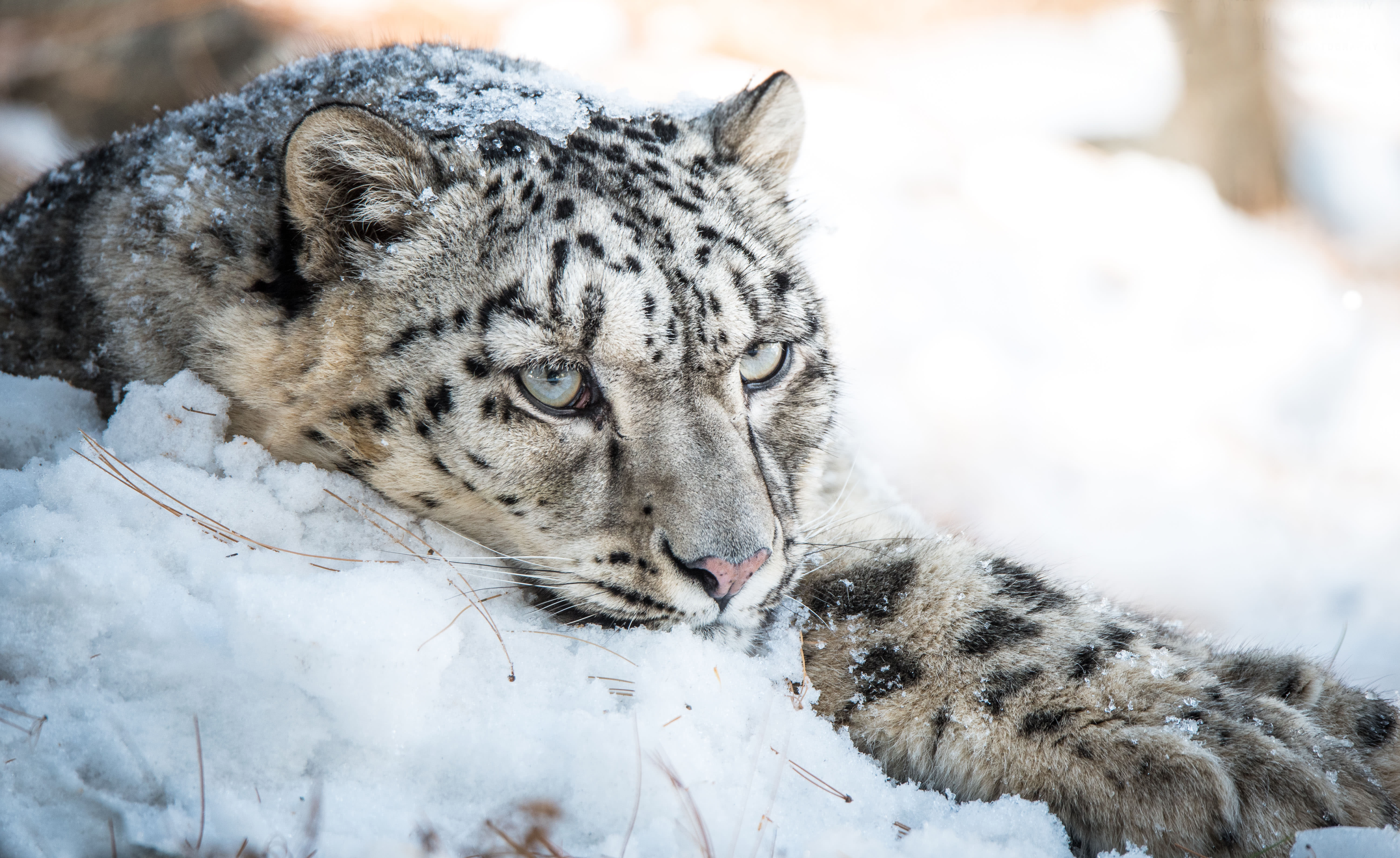
The good news is that as apex predators at the top of the food chain, the 718 snow leopards found in the survey act as indicators of the health of their high-altitude habitat—including natural prey—meaning fewer big cats may venture into populated areas.
In fact, local herders report fewer attacks on livestock when species, such as marmots that make up nearly a fifth of snow leopard diets, are abundant in the area.
Thank you
This form could not be loaded. Please check the configured form URL.