Skip to content
several cows stand in an Australian landscape scene with eucalyptus trees in the background and sandy-green grass in the foreground. The cows are light brown in colour. Two cows look at the camera. © Jen Watson / Shutterstock / WWF
Australian cattle property in South East Queensland © Jen Watson / Shutterstock / WWF

Transforming Systems For Nature

Many of the biggest challenges facing nature are driven by the systems that shape how land is managed, how money is invested and how industries operate. Creating lasting change means tackling the deeper barriers that continue to drive nature loss.

Together with supporters, partners, businesses and governments, WWF-Australia provides trusted thought leadership, develops innovative solutions and builds partnerships for collective action. By influencing decision-making, attracting investment into nature and helping reshape industry practices, we are driving system-wide change for people and nature.

Better information for forests

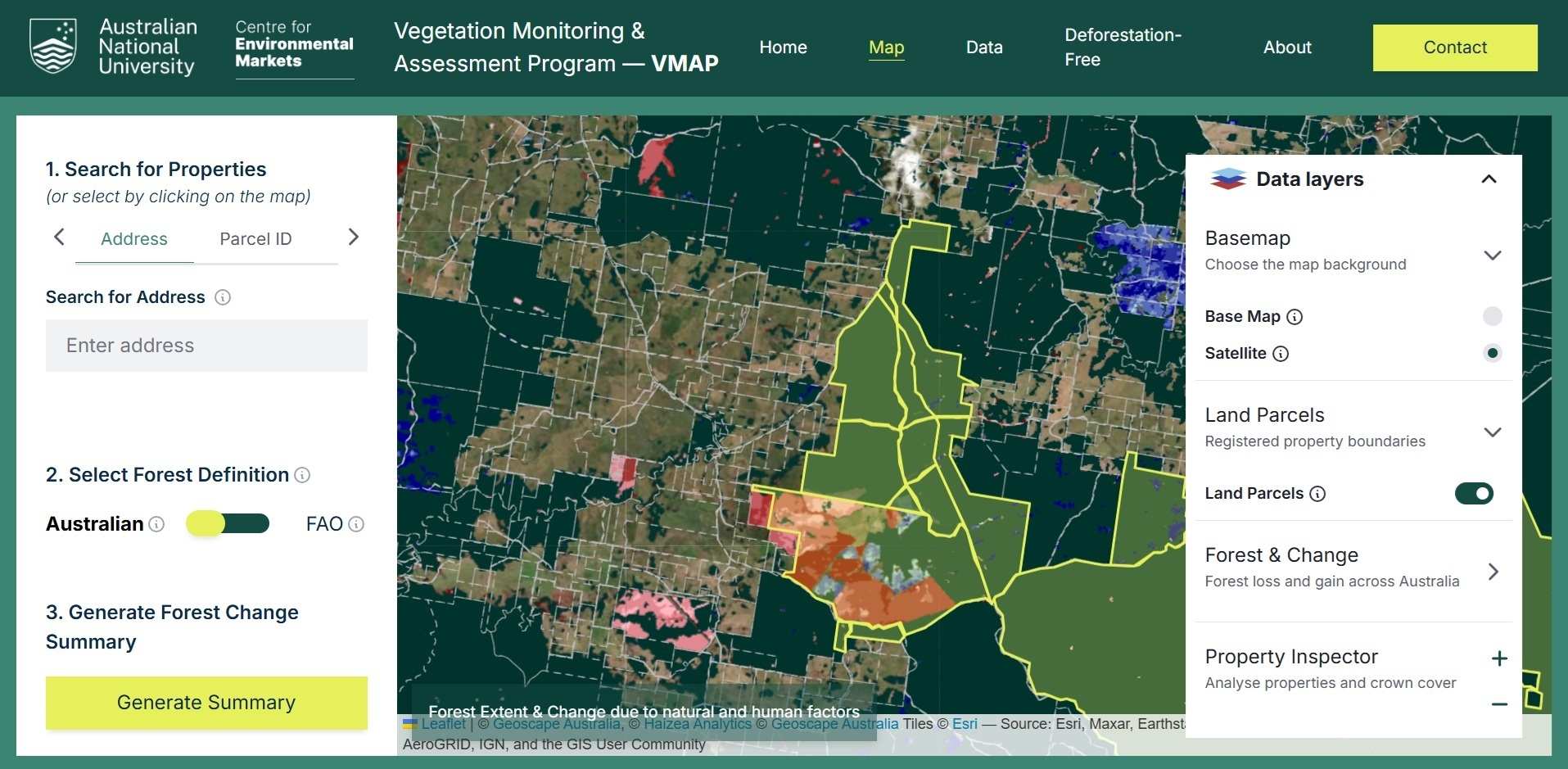
Protecting forests starts with credible information.  WWF-Australia helped create the Vegetation Monitoring & Assessment Program (VMAP), developed with the Australian National University, giving landholders, businesses and investors a practical way to identify deforestation risk and verify deforestation-free commitments.

By turning complex vegetation and land-clearing data into practical insights, VMAP helps producers, companies and investors understand where forest loss is occurring and take action to reduce it. Already supporting assessments across more than 6.5 million hectares of Australian landscape, an area almost the size of Tasmania, the platform is helping turn complex data into evidence that supports better decisions for forests.

As industry adoption grows, VMAP is helping move deforestation-free commitments from intention to implementation, creating greater transparency across Australian supply chains and stronger protection for forests.

Screenshot from vmap.au
© vmap.au

New investment for nature

When east coast koalas were listed as endangered in 2022, it reinforced the urgent need to restore and reconnect the habitat they depend on to survive. But achieving restoration at the scale needed requires long-term funding and new sources of investment.

The Koala Friendly Carbon Initiative is helping address this challenge by enabling landholders to restore vital koala habitat in return for high-integrity carbon credits. Since 2021, more than 450,000 native food and habitat trees have been planted across New South Wales. Working with private land managers, First Nations partners and local communities, the initiative is helping reconnect fragmented landscapes and restore habitat for koalas. Most encouragingly, koalas have already been recorded using restored habitat less than three years after planting, showing how quickly wildlife can respond when habitat is restored.

A major milestone was the establishment of the Koala Friendly Carbon Initiative Pty Ltd in partnership with Climate Friendly, transforming a successful pilot into a long-term model for funding nature recovery. KPMG Australia's purchase of the initiative's first carbon credits demonstrated growing demand for investments that deliver measurable benefits for both climate and nature.

What began as a bold idea is now helping show how private investment can fund habitat restoration at scale, creating new opportunities for landholders while giving endangered koalas a stronger chance to recover.

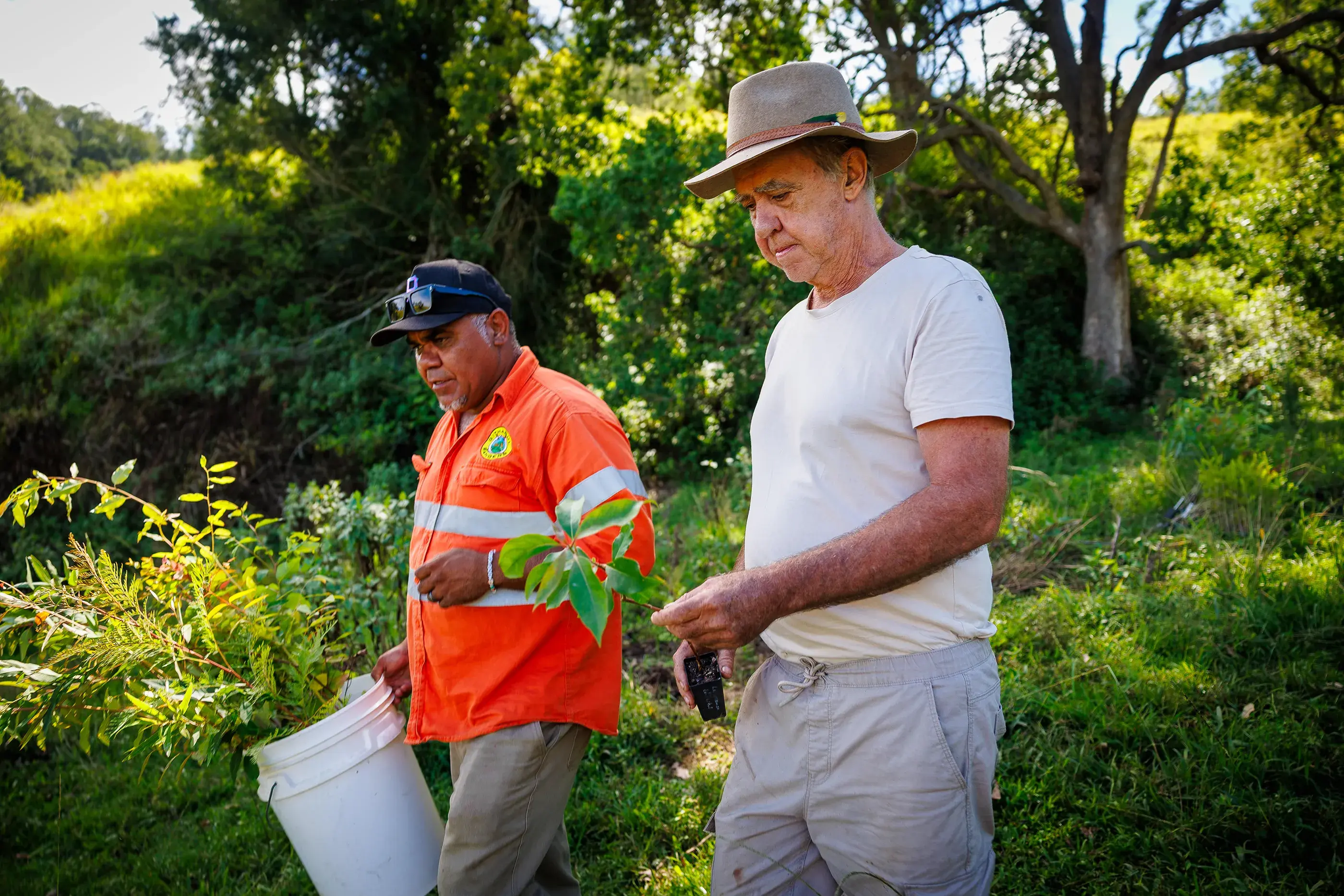
Bruce Murray (left), Githabul Ranger, planting trees with Andy Moy (right), landholder of Tulipwoods.
A tree planting event under the Koala Friendly Carbon Initiative at Tulipwoods, Lynchs Creek. © WWF-Australia / Patrick Hamilton
KFCI tree planting. Bruce Murray (left), Githabul Ranger with Andy Moy (right), landholder of Tulipwoods. © WWF-Australia / Patrick Hamilton
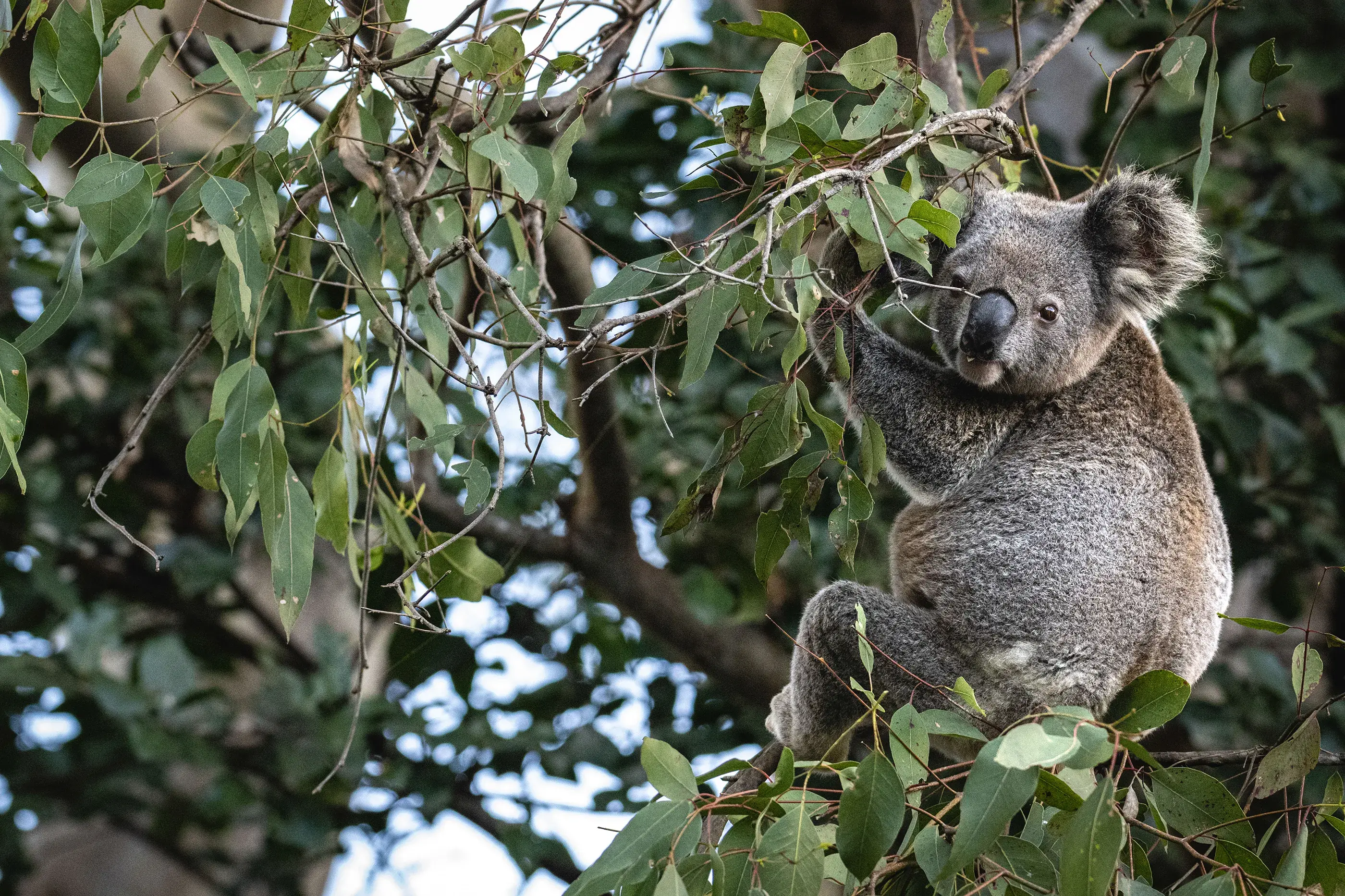
A koala looks out towards the camera in an Eucalypt near Lismore, NSW. © WWF-US / Franck Gazzola
A koala in an Eucalypt near Lismore, NSW. © WWF-US / Franck Gazzola

Creating momentum for greener steel 

Some of the biggest gains for nature come from transforming the industries that drive environmental impacts. Iron and steel production is responsible for around 8% of global emissions, making it one of the world’s most important industries to decarbonise.

In partnership with Deloitte, WWF-Australia helped build support for green iron, a cleaner way of producing the key ingredient used to make steel. Through research, policy engagement and collaboration with industry and international partners, WWF-Australia demonstrated how green iron can reduce emissions while creating new economic opportunities for Australia.

Working alongside WWF colleagues in Japan and Korea, we are working to build demand in key export markets and lay the foundations for a lower-emissions steel industry. By showing how climate action can align with economic opportunity, green iron is creating momentum for a greener economy that benefits both people and nature.

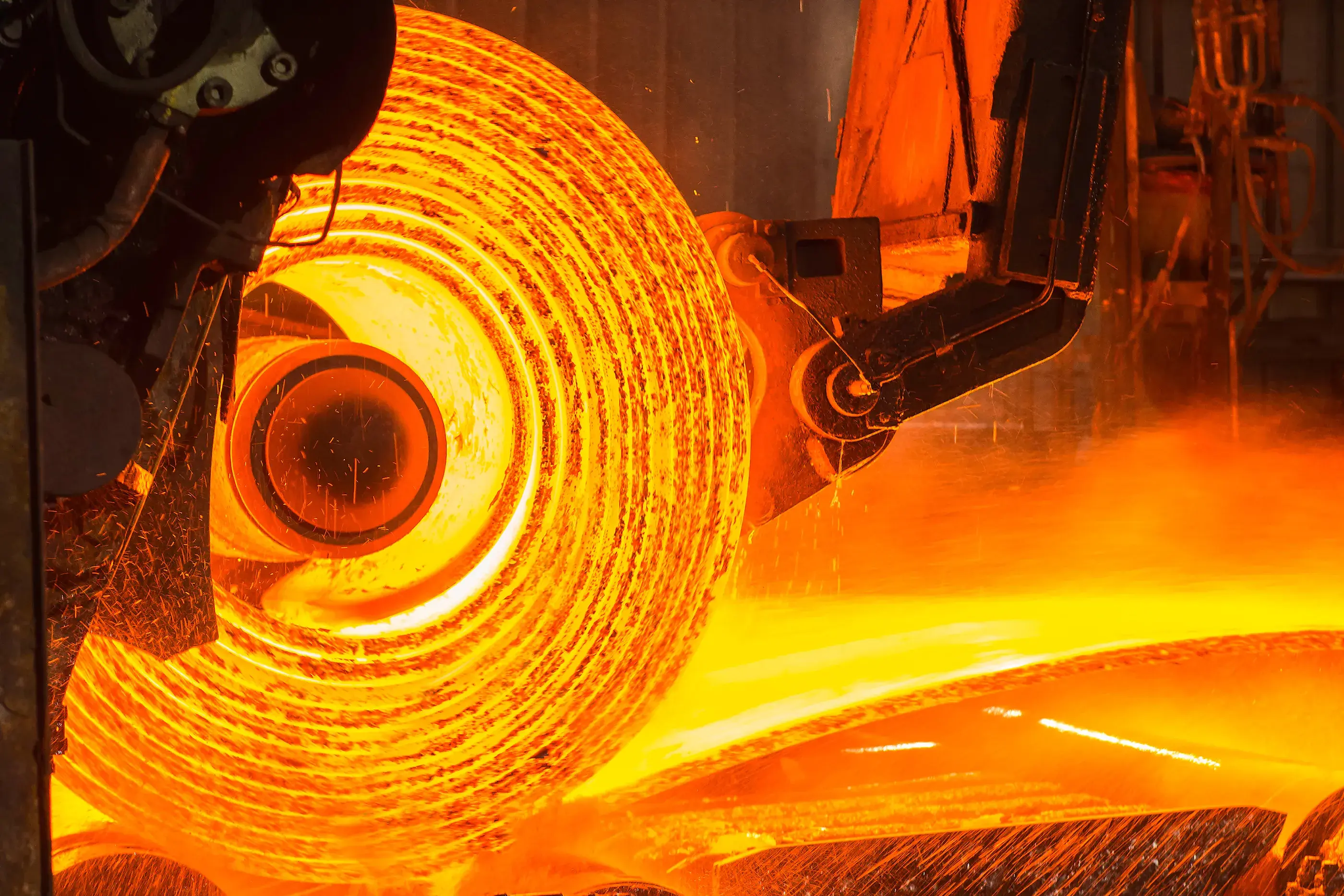
Stock image of a roll of hot metal on the conveyor belt. © Shutterstock / Smile-Sky Ztudio / WWF
A roll of hot metal on the conveyor belt. © Shutterstock / Smile-Sky Ztudio / WWF
WWF staff at an industry event. © Camille Malbrain
© Camille Malbrain

Impact Snapshot

Transforming the systems that shape how land is managed, how investment flows and how industries operate is critical to securing long-term outcomes for nature. Key 2025–26 achievements included:
  • VMAP supported assessments across more than 6.5 million hectares of Australian landscape, helping businesses and landholders identify deforestation risk and act on deforestation-free commitments.
  • More than 1,400 people have already used VMAP, with uptake growing across producers, retailers, investors and industry.
  • An industry-funded pilot is applying VMAP across 4,000 properties, helping turn deforestation-free commitments into practical action.
  • More than 450,000 native food and habitat trees have been planted through the Koala Friendly Carbon pilot, helping reconnect and restore habitat for endangered east coast koalas.
  • Koalas have been recorded using restored habitat less than three years after planting, providing early evidence that habitat restoration is delivering results.
  • Australia’s green iron opportunity has been estimated at AU$96–174 billion annually, highlighting the potential to reduce emissions while creating new economic opportunities. 
Loading form…