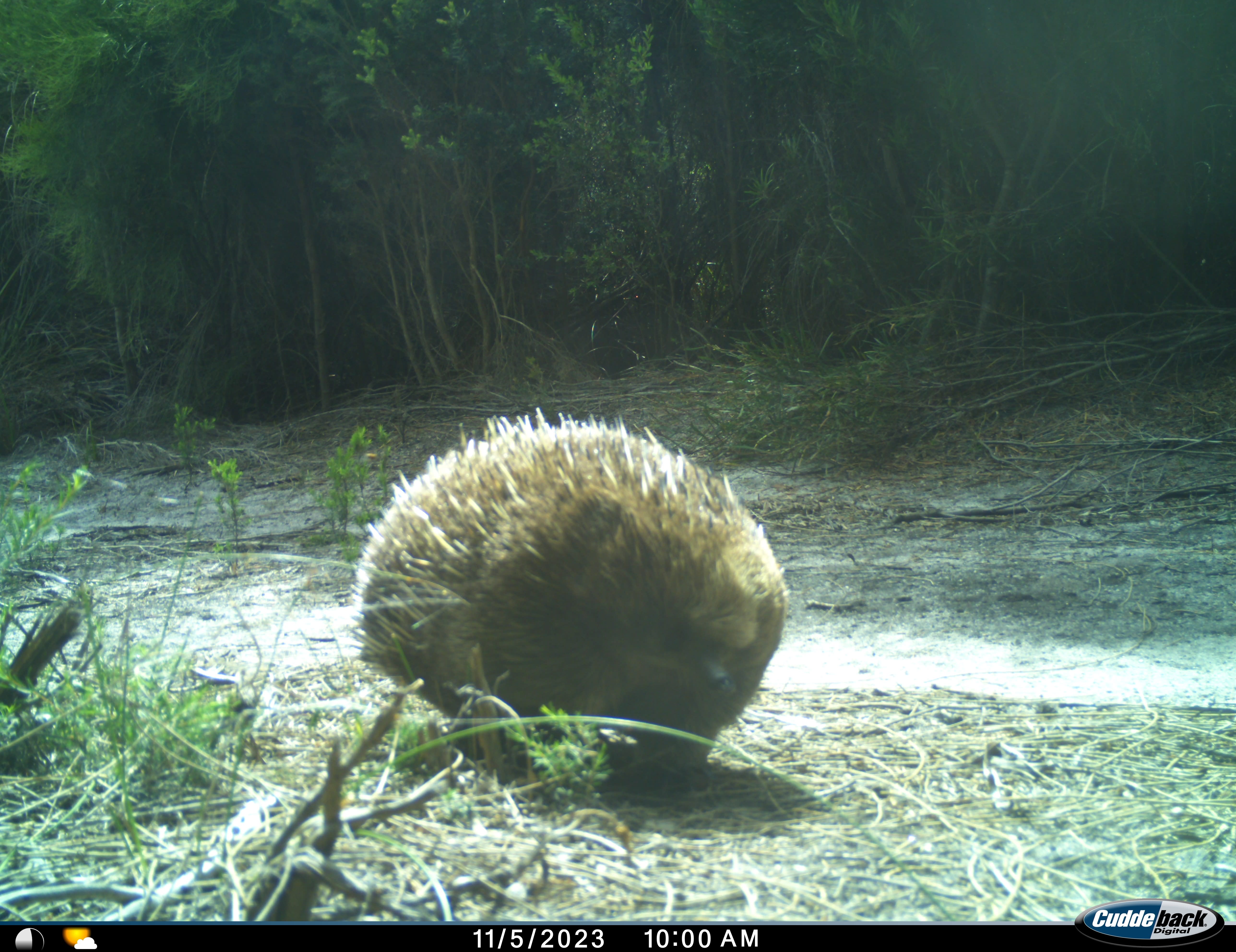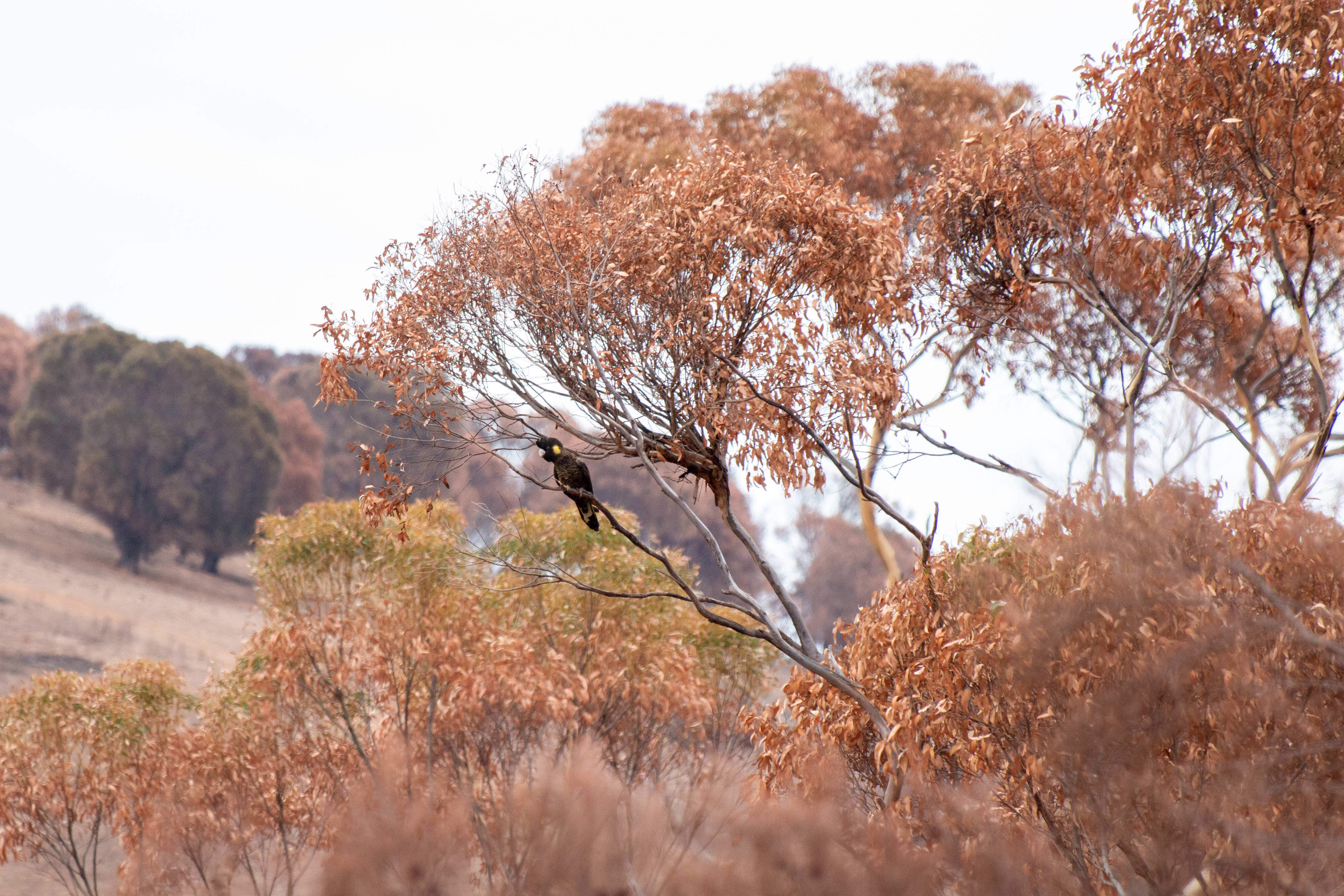
This WWF-Australia report explores how to value the environmental impacts of bushfires, illustrated with a simple analysis of how greenhouse gas emissions from bushfires reduce forest carbon (stocks), which are then partially restored through natural regrowth (flows). We also look at the potential benefits from restoring forest carbon, expressed in terms of avoided climate change damages. A similar approach may be used to assess impacts on natural ecosystems and native flora and fauna, which provide ongoing pollination and pest control services to agriculture, clean air and water filtration, recreational benefits and a host of other valuable benefits.
Download PDF here: WWF-Burnt Assets report