Skip to content
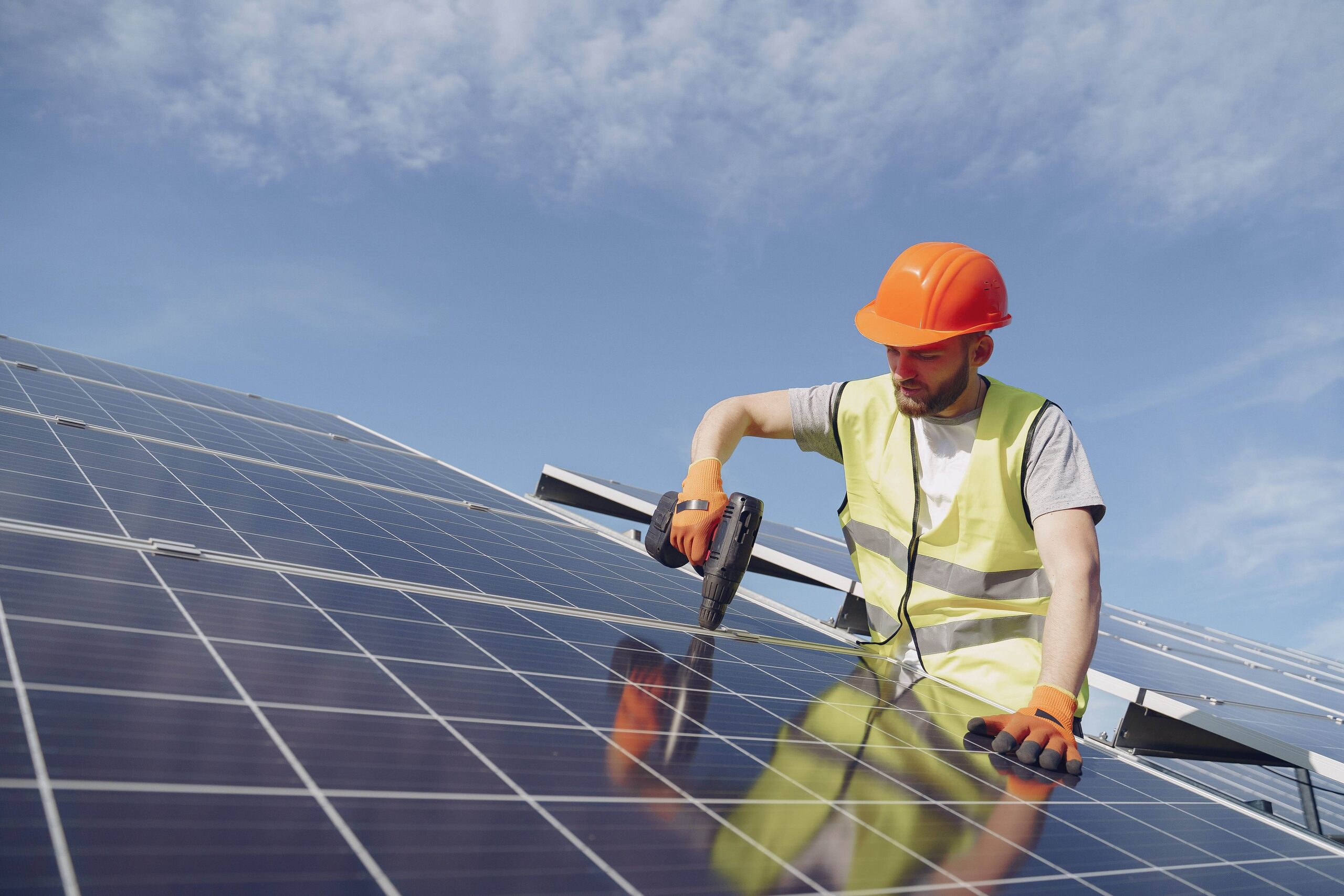
Aerial top view of a technician drone installing solar panels on the roof.  © eakarat / stock.adobe.com / WWF-Aus
© eakarat / stock.adobe.com / WWF-Aus

Renewables: Future Made With Australia

Global heating is rapidly impacting the people, animals and places we love – and the impacts are not equal for some. Australia needs to rapidly shift towards a more renewable future that protects people and the planet.


Why a Future Made With Australia?

The “with” is deliberate. Australia’s renewable future cannot be built at home alone. It requires working with communities, across government and with our Indo-Pacific partners to build the skills, industries and energy systems needed for a more secure and prosperous region.

A Future Made With Australia is about strengthening Australia’s economy and energy security at home, while working with our region to build a more resilient renewable future.

Activities like burning fossil fuels are polluting our atmosphere and warming our planet, increasing extreme weather events, rising sea levels and the warming and acidification of our oceans. Our wildlife and ecosystems are struggling to adapt fast enough. The Indigenous Peoples of the Pacific, including the First Peoples of Australia and Torres Strait, contribute the least to human-induced climate change but bear the worst of the impacts.

Australia needs to rapidly shift away from fossil fuels to a renewable future that works for people and the planet. 

Although the world is increasingly doing more to transition to renewables and decarbonise emissions-intensive industries to combat climate change, it is critical to influence how this transition occurs for meaningful impact. 

We need a fast, best, and just transition to renewable energy, products and systems that protect and restore nature and benefit people and communities. 

It is now time to build fast to keep 1.5°C warming in reach, best to reverse the trend of biodiversity loss, and just to achieve an inclusive, just and resilient transition for local communities, in particular First Nations communities.

Facts about renewable energy in Australia

What is renewable energy?

Renewable energy, sometimes called clean energy, refers to energy from natural sources or processes that can be constantly replenished. Some of the most common renewable energy sources include solar, wind, and hydropower. 

How much of Australia's energy is generated by renewable energy?

A report found that renewables accounted for almost 40% of Australia’s electricity supply in 2023. This record high is one step closer to the Australian Government’s target of 82% renewable energy by 2030.

How many jobs will renewables create in Australia?

Research revealed that a transition to an Australian economy driven by clean energy in five priority clean exports could potentially add $100b in value to the economy and over 400,000 jobs to the market.

These five priority clean exports include:

1. Critical minerals

2. Green iron & steel

3. Batteries

4. Green hydrogen and ammonia

5. Green alumina and aluminium

What is Australia's renewable energy target?

Through the ‘Powering Australia’ Plan, the federal government set the goal for Australia to generate more than 82% of its electricity from renewable sources by 2030.

As we electrify more of our economy, such as through buildings and transport, the demand for electricity will only increase. The Australian Energy Market Operator (AEMO) has forecast that Australia will need seven times the current levels of utility wind and solar and four times the current levels of consumer energy resources by 2050.

WWF-Australia is calling for our government to set an ambitious goal of reaching 700% renewables by 2050 to become a Renewable Energy Export Superpower and replace our fossil fuel exports.

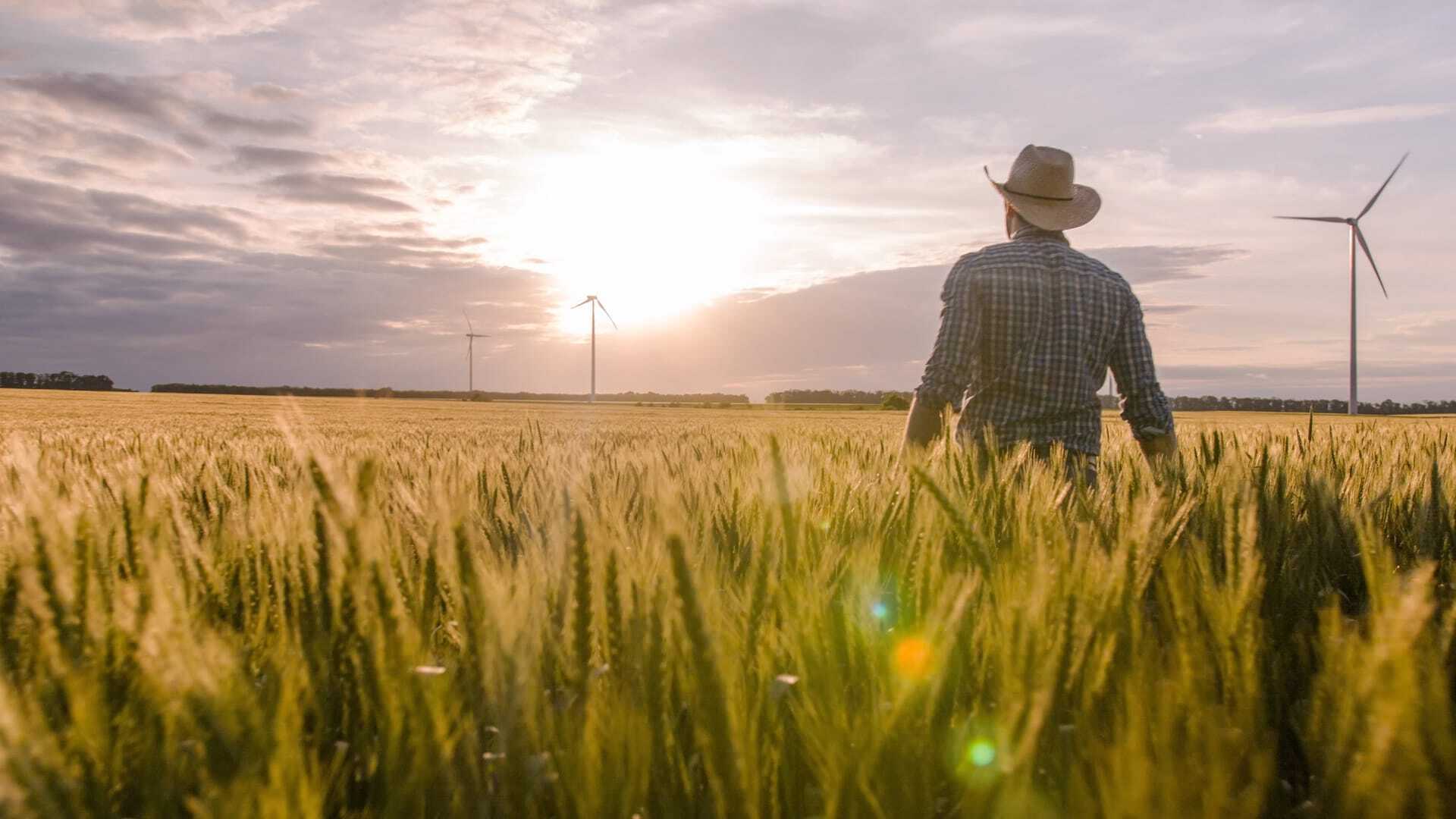
A man walking through wheat field with wind turbines and sun.
© Pond5 / CleverArts / WWF

WWF-Australia's vision

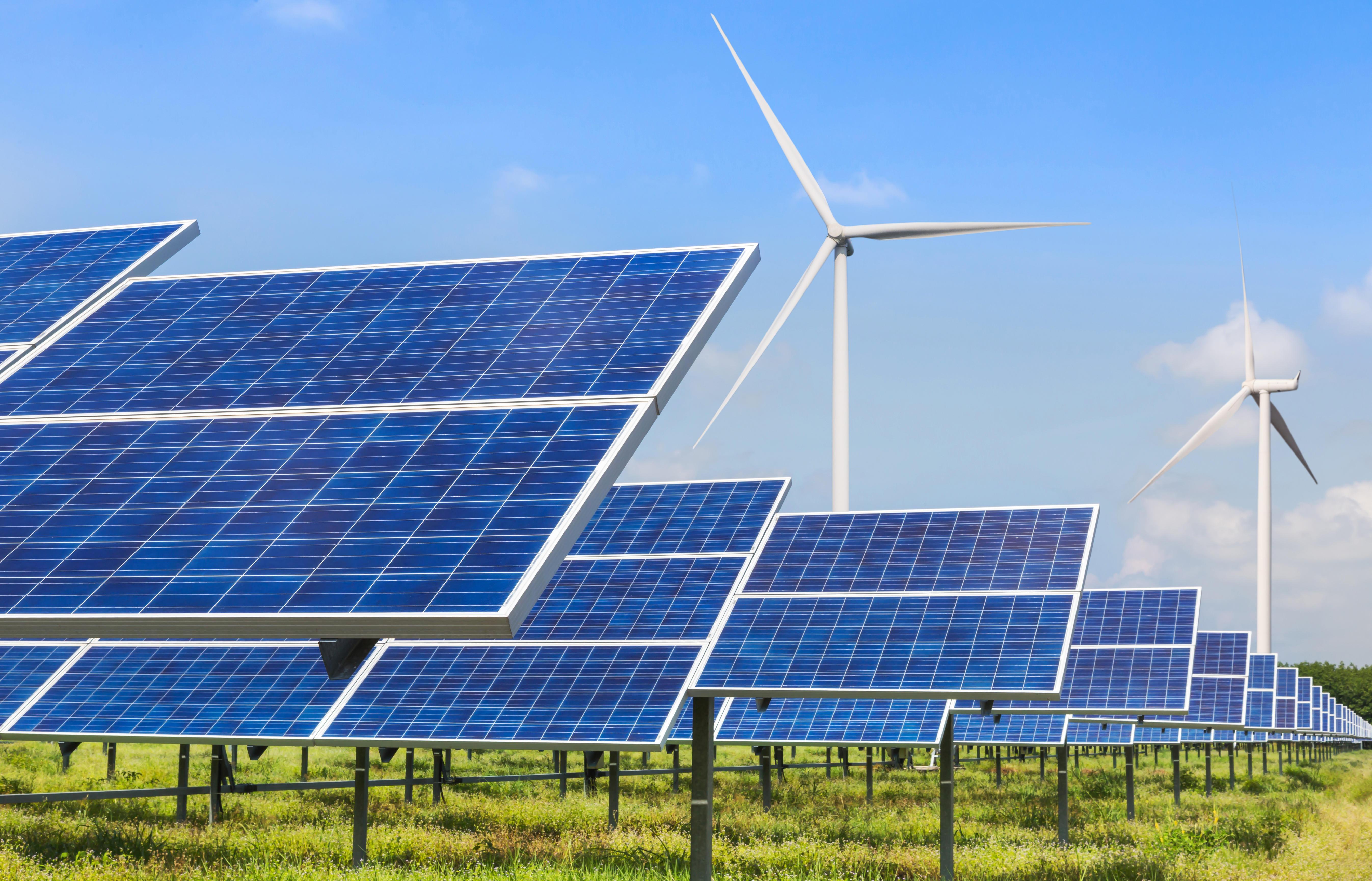
Australia has an opportunity to turn the transition away from fossil fuels into a more resilient and prosperous future for people and nature. By accelerating efficiency, electrification and renewable energy, Australia can lower costs and strengthen energy security at home, while building the skills, industries and partnerships for a renewable future made with our region.

How we’ll achieve our vision

wwf-opt-361707393517-898beefd9be6-2560

Building a Future Made With Australia

  • Redefining energy security around renewables, electrification, efficiency and resilience.

  • Supporting a managed transition from fossil fuel exports to new sources of prosperity.

  • Building Australian skills and capabilities through domestic deployment of energy and decarbonisation solutions, which lowers costs, lifts productivity and creates future green export opportunities.

  • Strengthening renewable energy and economic partnerships across the Indo-Pacific to build a more secure, resilient and renewable region.

Fossil fuel model of energy security is broken and leaves Australia exposed: new report.

Fossil fuels receive four times more government support than renewables: report
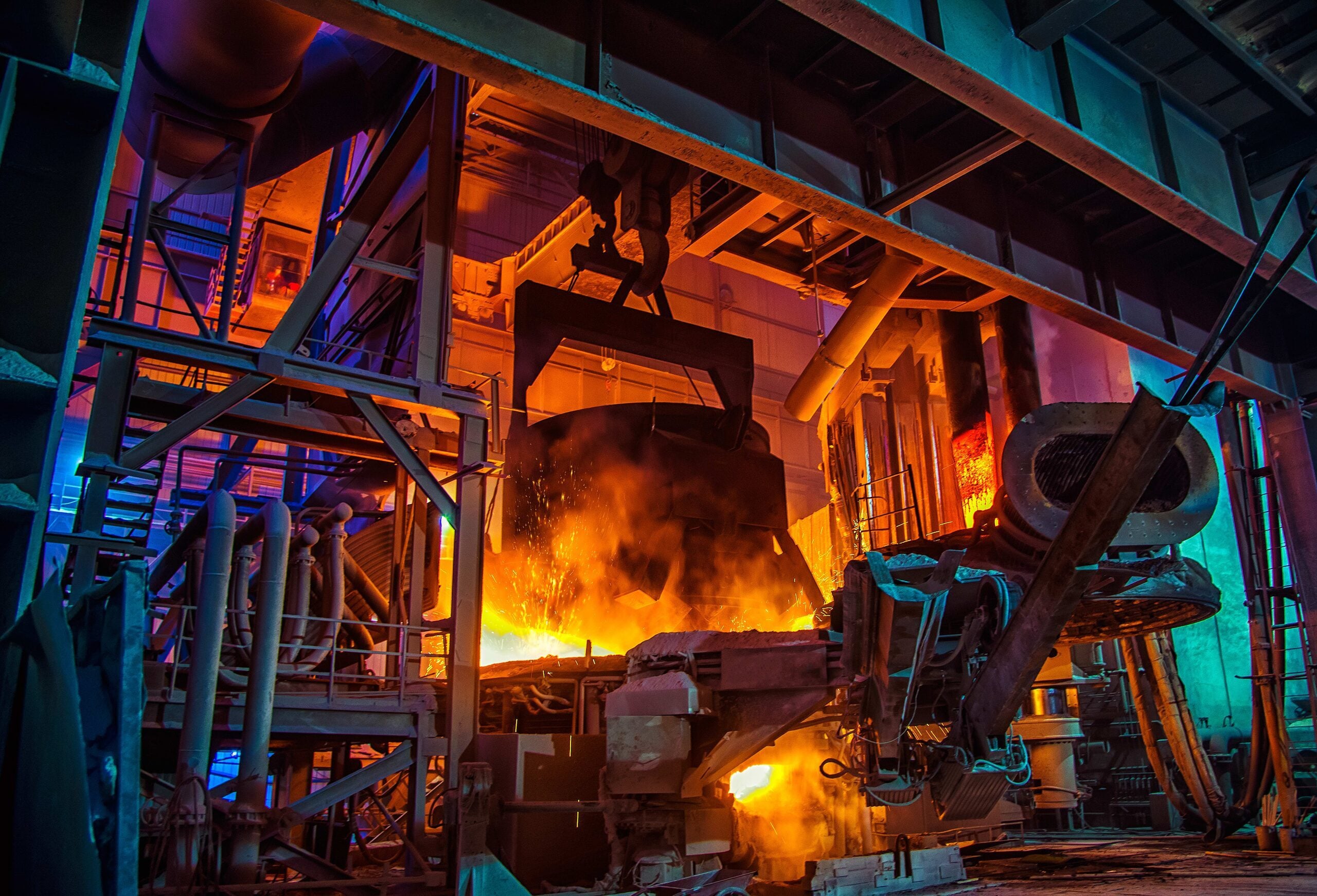
Steelmaking workshop.
Steelmaking workshop. © Zhang Sheng / Shutterstock / WWF

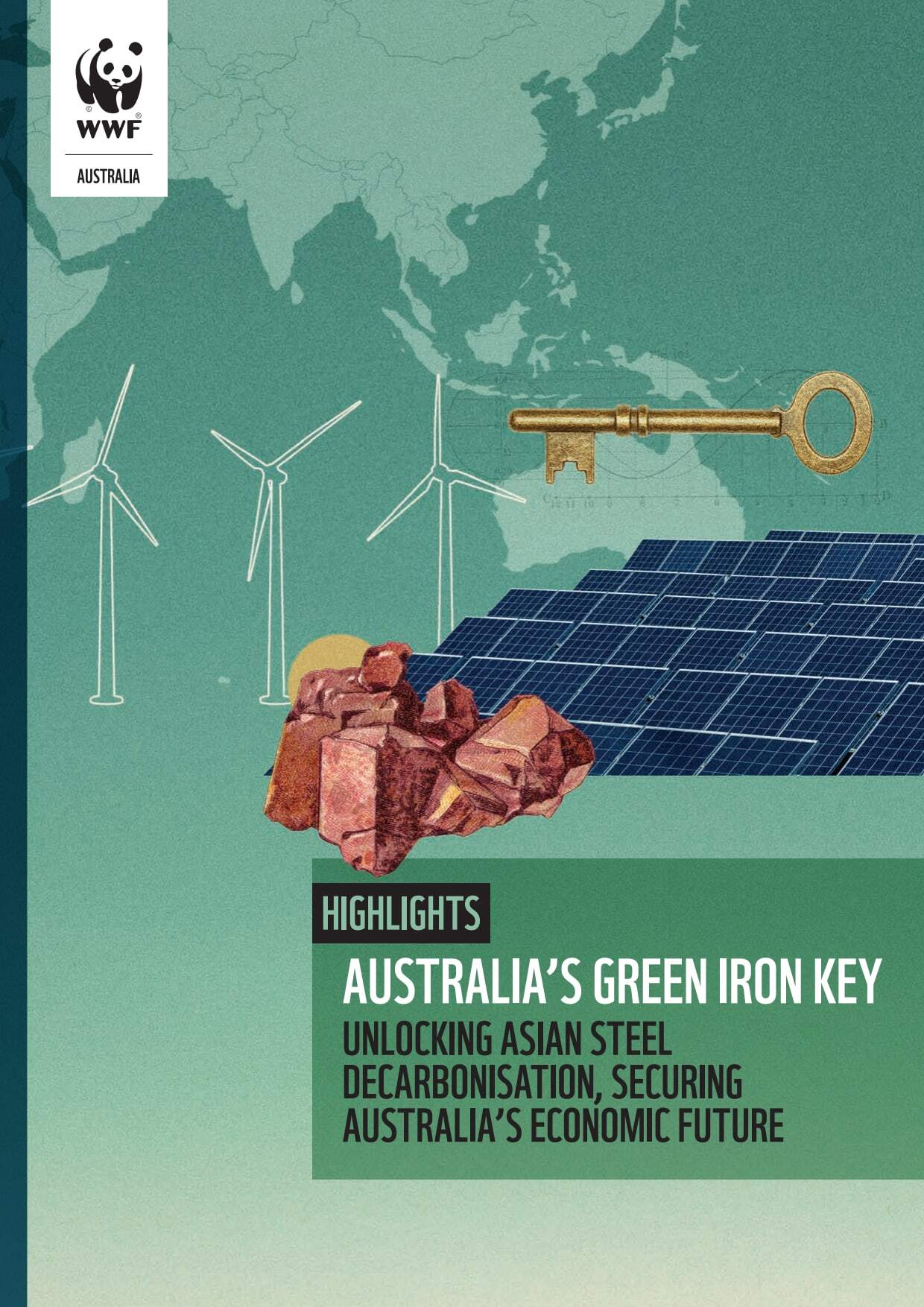
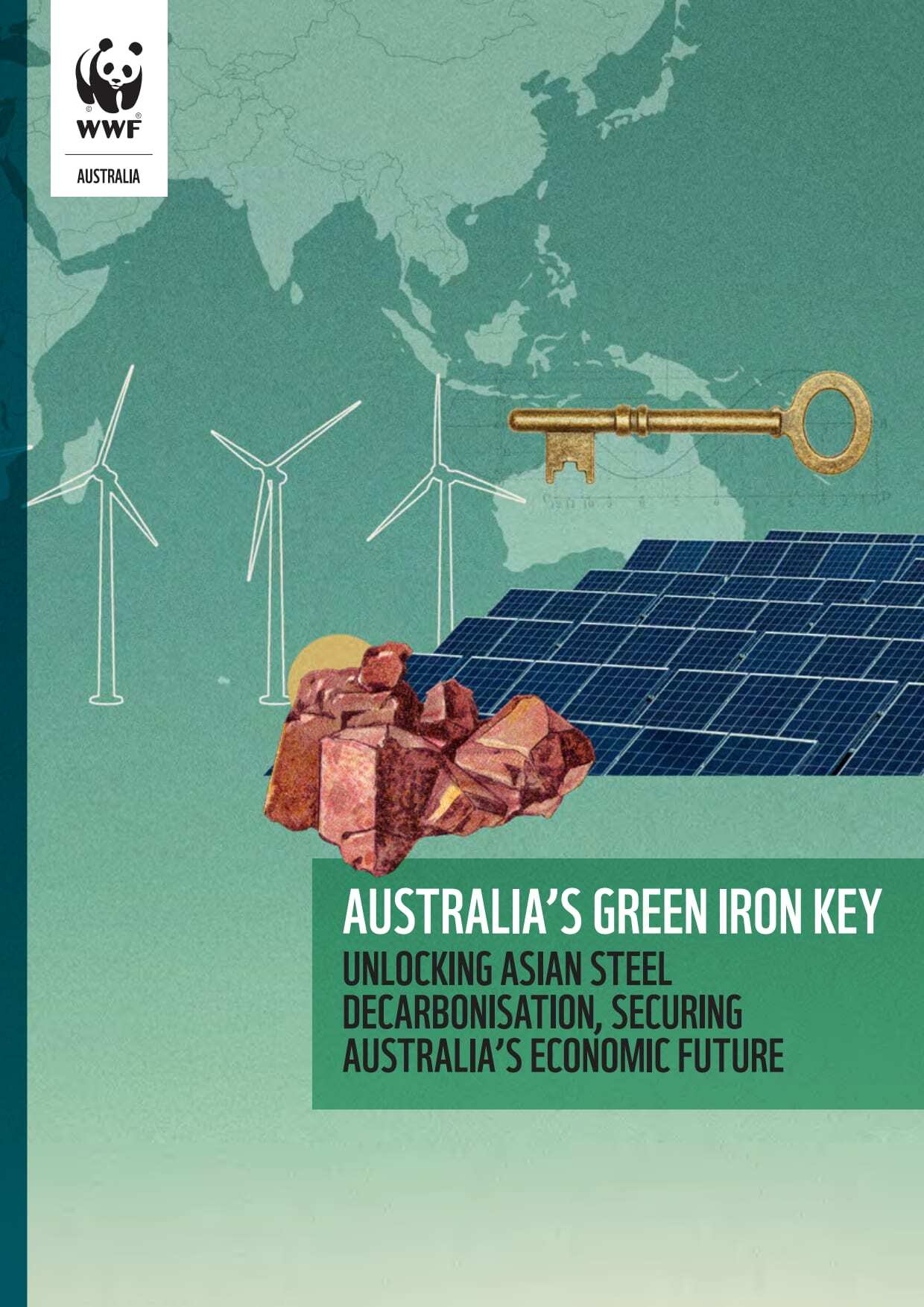
Supporting Australia’s transition towards decarbonised steel production as a major global coal, gas and iron ore exporter by:

  • Encouraging investment in Australia’s renewable energy resources and green hydrogen infrastructure. 

  • Ensuring a commitment to a greener iron trading identity. 

  • Promoting discussion and cooperation with key trading partners like Japan, Korea and China to better support the transition to decarbonised steel. 

Download - Highlights: Australia's Green Iron Key
Download - Report: Australia's Green Iron Key
Download - Case Study: A Green Steel and
Clean Energy Leadership
Creating the Pull report

Green steel demand in Japan

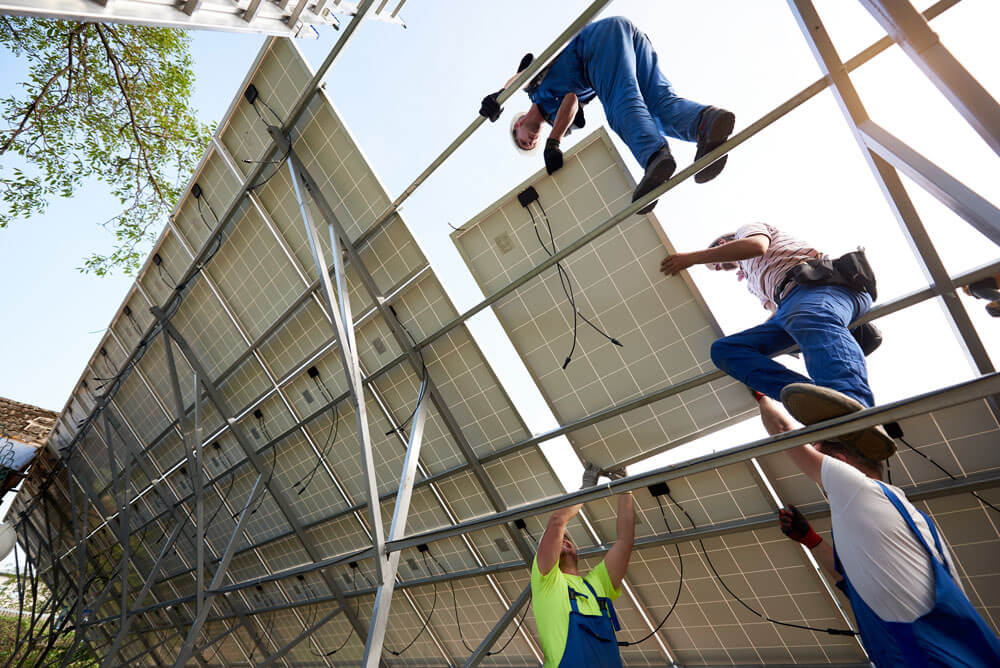
Solar installation
Solar installation © Anatoliy_gleb / WWF-Australia

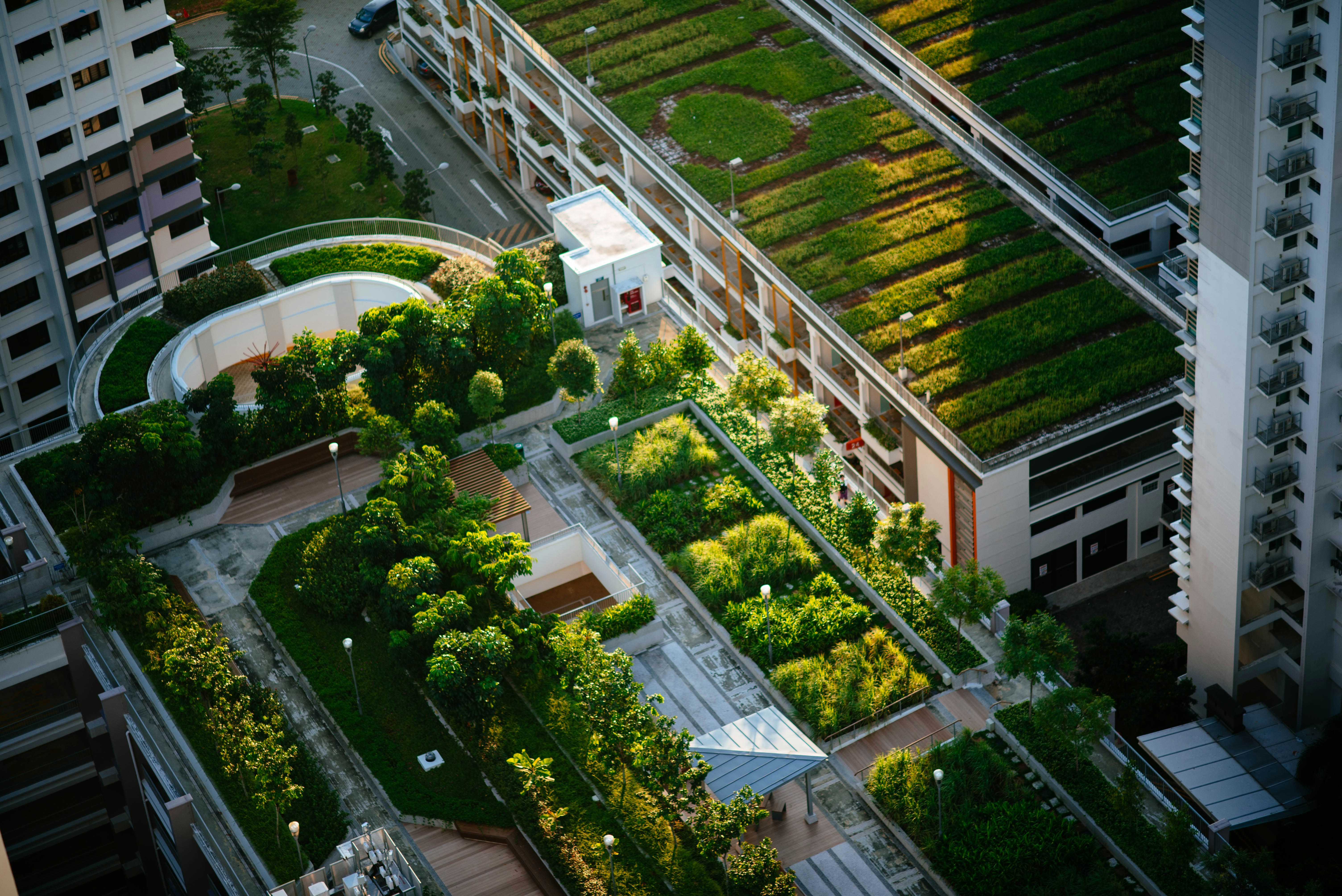
Building unstoppable momentum to reduce embodied carbon in buildings and the construction industry through:

  • Demonstrating consistent demand for lower and zero carbon materials;

  • Best practice measurement of embodied carbon;

  • Knowledge sharing & skills development;

  • Developing common language for procurement guidelines;

  • Managing transition risks & risk sharing in the use of innovative materials and 

  • Supporting the reduction of embodied carbon in construction materials like steel, concrete, aluminium, engineered timber, and others.
MECLA
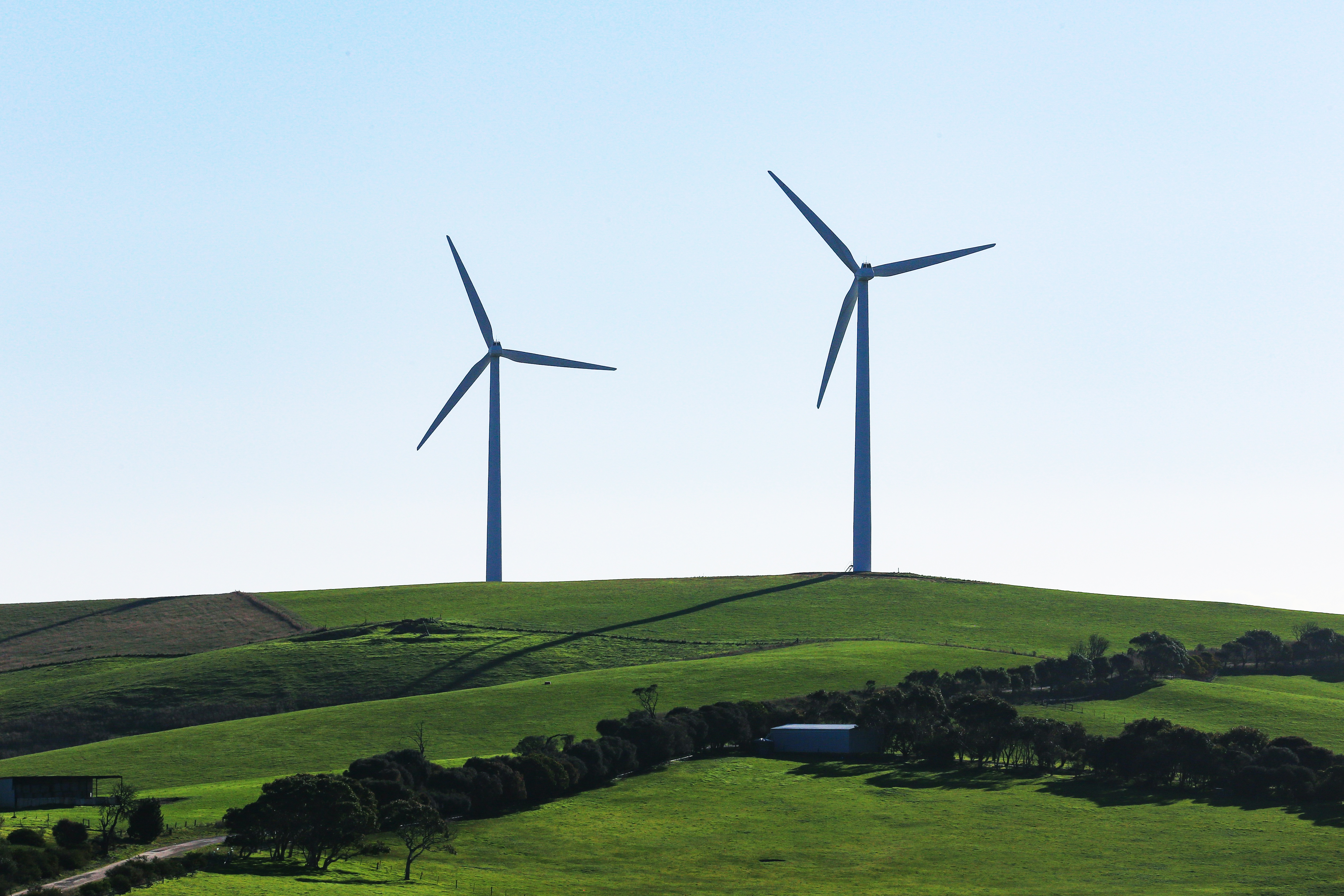
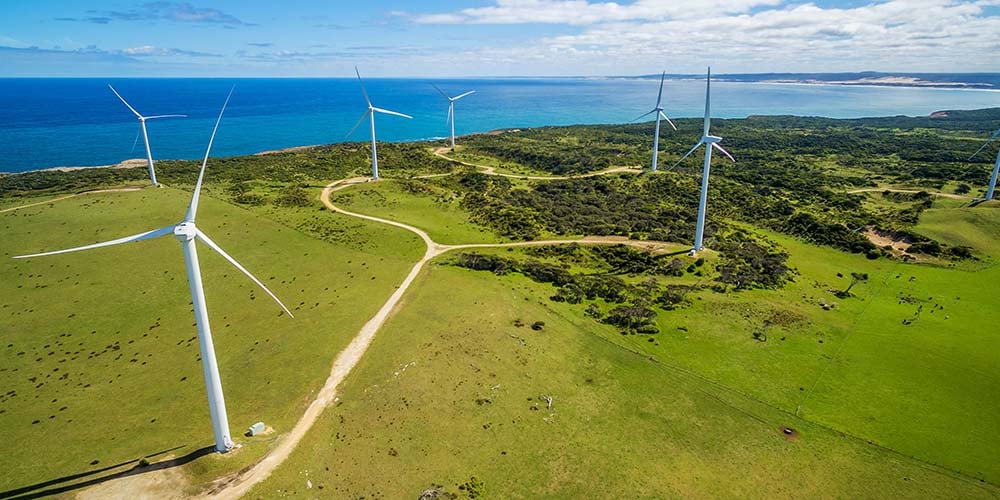
Aerial view of wind farm in rural area on bright sunny day in Australia. © Greg Brave - stock.adobe.com
© Greg Brave - stock.adobe.com

Working towards a Nature Positive Energy transition that works for people and the planet by:

  • Ensuring that the transition minimises impacts on nature.

  • Facilitating best practices to realise opportunities for nature-positive outcomes from the transition.

  • Communicating the benefits of the energy transition to build broad support.

  • Advocating for strong ambition and targets that reflect relevant climate science. 
Read the Report
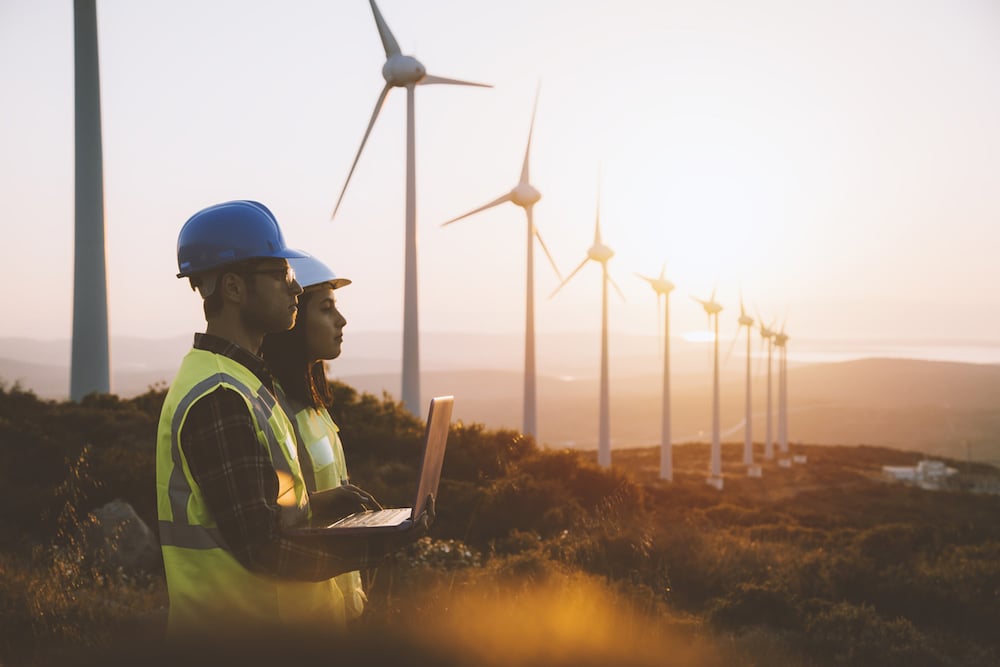
2 workers waering hard hats and safety clothes stand with an open laptop against a background of wind turbines and sunsettting.
© WWF-Australia / serts / iStock

Supporting a planned transition away from fossil fuels

  • Calling for a national roadmap to manage the decline of Australia’s fossil fuel exports.

  • Planning early for changing global demand, rather than leaving workers, communities and governments exposed to a disorderly transition.

  • Supporting affected workers and regions to diversify and prepare for economic change.

  • Coordinating governments, industry and communities to manage transition risks and build new sources of regional prosperity.
Read the report
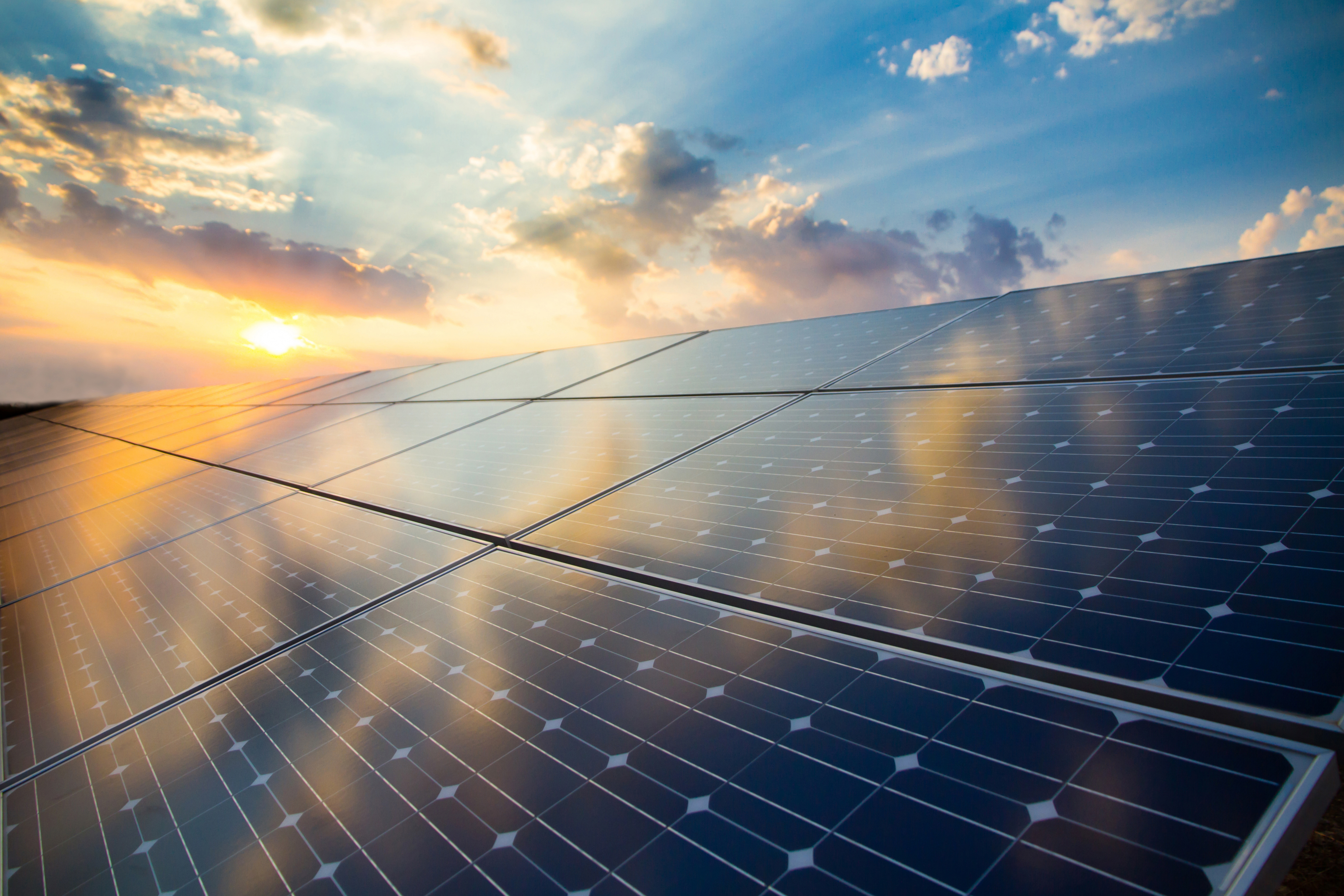
img-solar-panel-sunset1000px

Ensuring data centres serve the public interest

  • Requiring data centres to be powered by 100% additional renewable energy and support grid stability.

  • Protecting water, nature and communities through responsible siting, resource use and planning.

  • Improving transparency through nationally consistent reporting and enforceable standards.

  • Building Australian skills, low-carbon supply chains and lasting community benefits.

AI Data Centres Submission

Data centre rush must power itself says industry, unions and environment groups

Regenerative Sky

WWF-Australia is not only dedicated to making Australia a Renewable Energy Export Superpower, but our vision is to support Australia in becoming a global leader in securing a healthy climate powered by communities, nature and renewable energy.

Read our climate strategy

Our Reports

WWF has been developing concrete policy proposals to accelerate Australia to become a renewable superpower. Read our reports:

Explore more

Loading form…