Skip to content
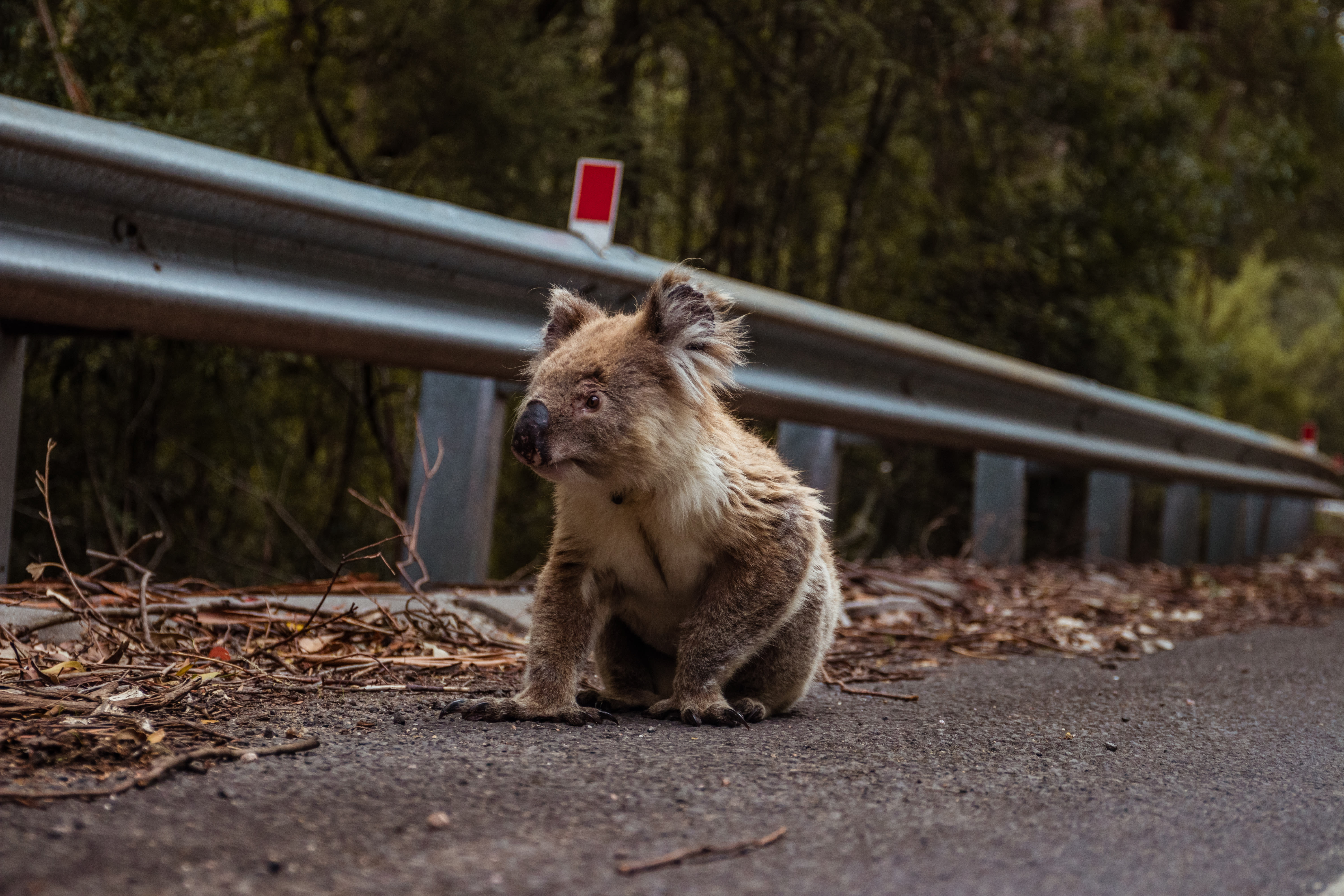
Protect Australia's threatened wildlife. © WWF-Australia, Maestro, Grainger Films, David Gallan, BlackBoxGuild

Strengthen our Nature Laws to Protect Aussie Wildlife

Australia has new nature laws, thanks to people like you who spoke up.

But changing the law is only the first step. Now we need to make sure the new rules are followed and properly enforced.

Let's turn promises into protection for wildlife

By adding your voice, you’ll send a message to your local MP and the Federal Minister. for Environment and Water. You’ll ask them to turn promises into real protection for our wildlife, forests, rivers and the Great Barrier Reef.

2026 Update: A historic win for wildlife

Thanks to your support, Australia has secured the biggest nature law reforms in decades.

A new national Environment Protection Agency (EPA) has begun work to enforce the new laws, and National Environmental Standards have been redrafted with a stronger focus on protecting habitat, including critical habitat for Threatened Species.

Now the focus is on turning these reforms into real protection for wildlife and the places we love through strong standards and effective implementation.

Together, we'll keep working to make sure these laws deliver for nature. 


Your voice made a difference

New nature laws will:
• Close deforestation and native forest logging loopholes
• Better protect waterways in the Great Barrier Reef catchment
• Stop fast-tracking for coal and gas projects
• Apply standards and other rules to protect nature from development
• Be enforced by a new national EPA

Stronger laws mean stronger protections - for wildlife, forests, and the Reef. Over 2,000 Threatened Species and old-growth forests are safer, waterways in the Great Barrier Reef catchment are better protected from sediment and pollution, and a new national EPA will enforce the rules and stop harmful projects. These reforms are a major step forward, but the work doesn’t stop here.

Now we need to keep the momentum going to ensure strong National Environmental Standards and other rules are properly applied to deliver real protections for wildlife, forests, and the Reef. 

Learn more about Australia's Nature Laws

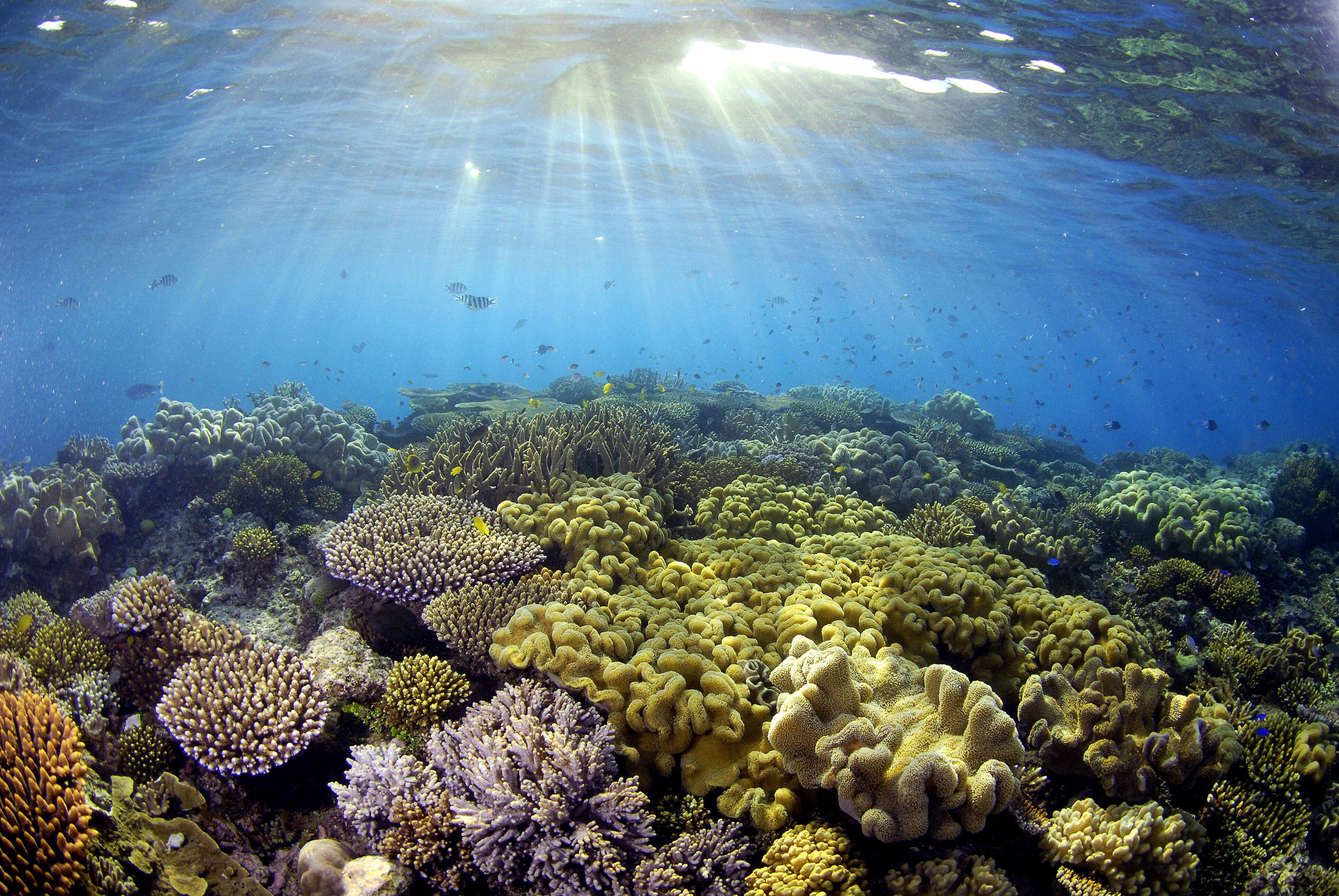
Sunlight illuminating coral - Great Barrier Reef
Great Barrier Reef © Troy Mayne

Landclearing loopholes closed

Forests in Reef catchments are nature’s guardians. They hold soil in place, slow down water, and help keep the Reef’s waters clean. But when these forests are cleared, mud and pollution rush downstream—smothering coral, choking seagrass, and threatening the marine life that calls the Great Barrier Reef home.

Deforestation in areas that drain into the Reef is putting one of the world’s most precious ecosystems at risk.

Improved nature laws means closing landclearing loopholes, reducing habitat loss and ensuring the worst impacts are properly assessed. A win for nature, but there is more to do.
Take Action
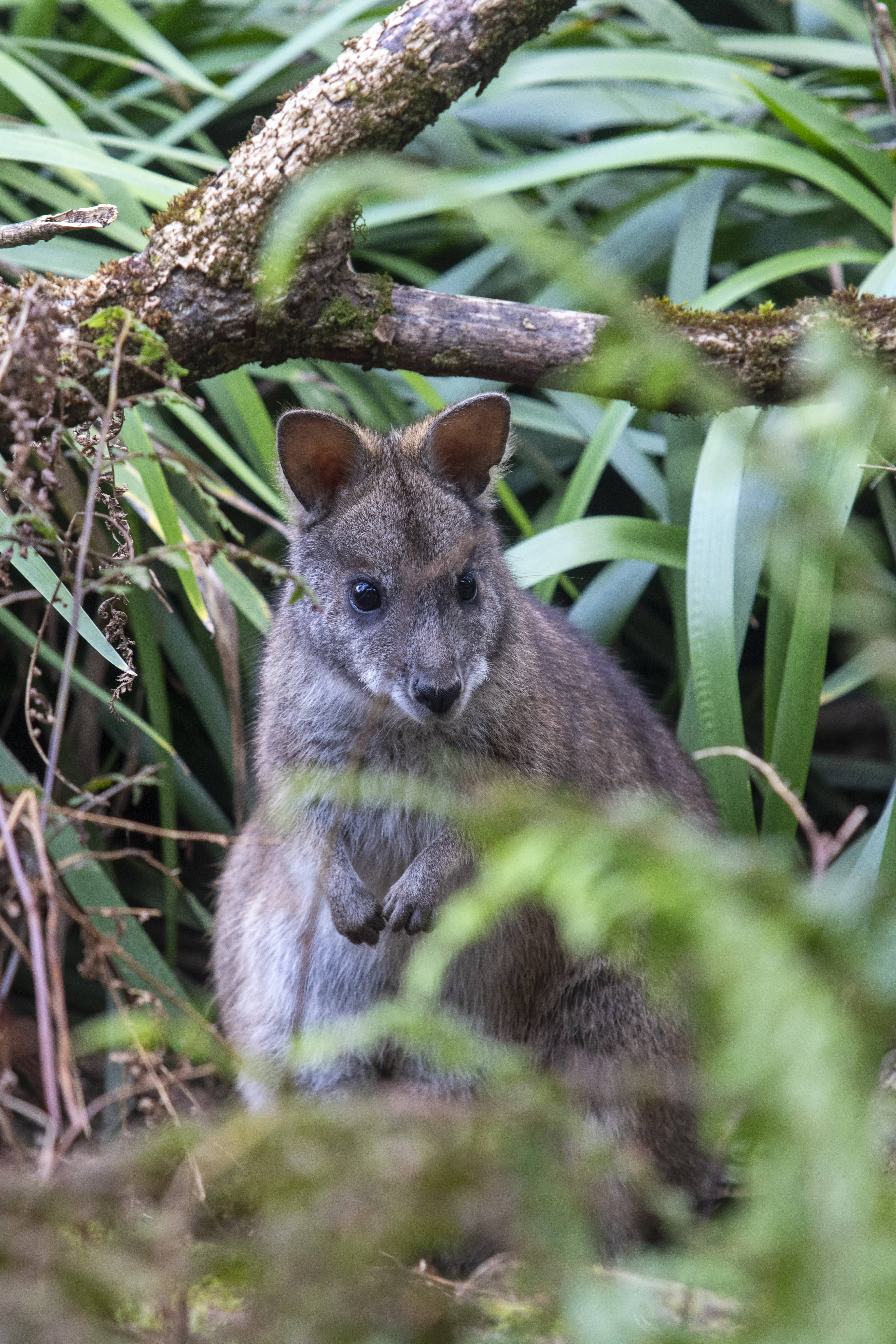
Parma wallaby (Notamacropus parma)
Parma wallaby (Notamacropus parma) © WWF-Australia / think Mammoth

Greater gliders, koalas and over 2,000 threatened species now have a fighting chance

From July 2027, logging agreements in native forests will no longer be exempt from national environmental laws. All logging operations must meet strict standards, and a new national EPA will have the power to stop non-compliant logging.

This means better protection for threatened species habitats and old-growth forests that Australia’s precious wildlife, like the koala and greater glider, call home. But we need to make sure the new standards and other rules are applied properly, under the new national EPA.

We must protect nature to protect our future. 
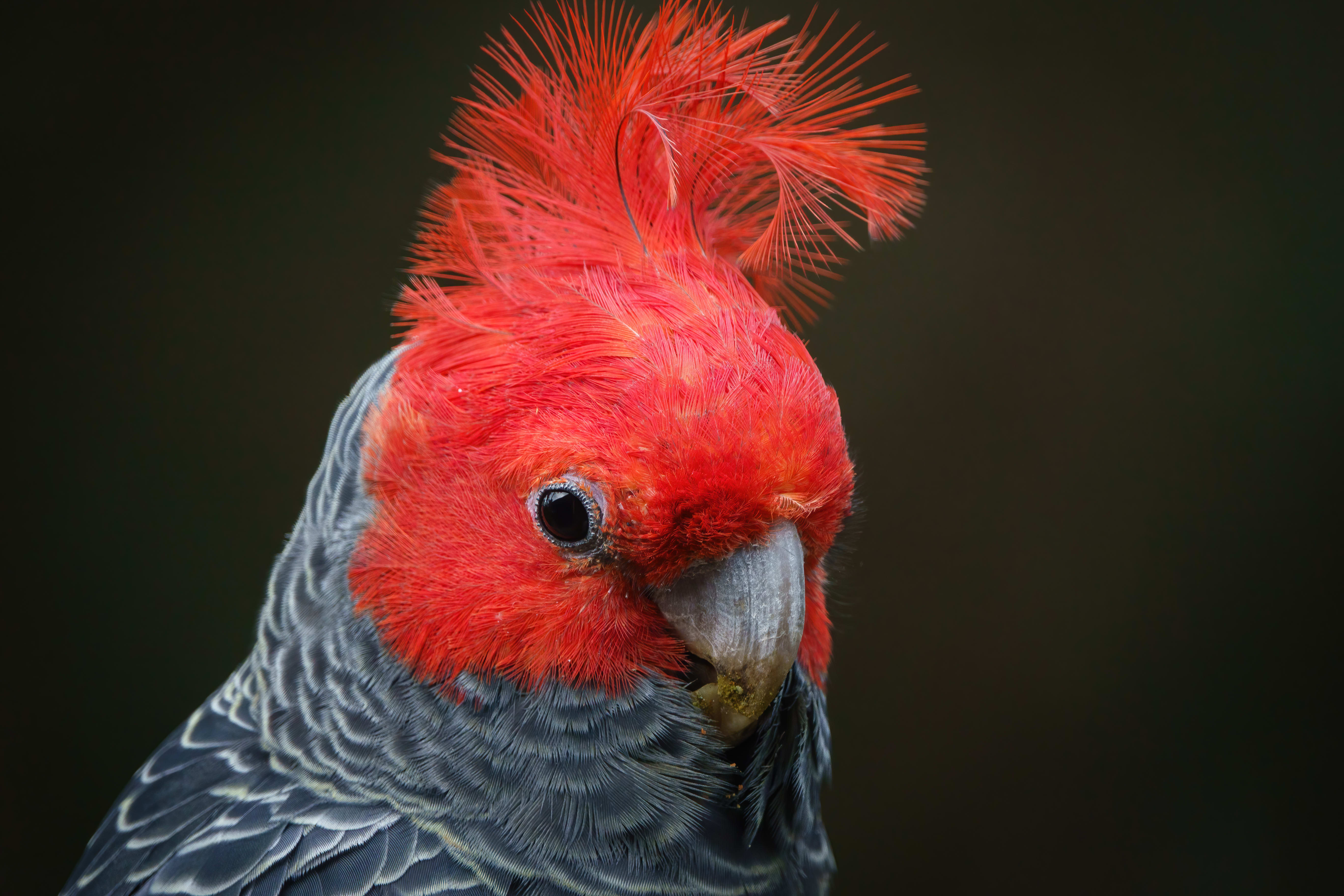
Gang-gang Cockatoo - Australian parrot Callocephalon fimbriatum
Gang-gang Cockatoo - Australian parrot Callocephalon fimbriatum © Shutterstock / David C Simon

Six culturally significant NSW animal species impacted by nature laws logging loopholes

Australia has taken a historic step forward for nature and culture. The long-standing loopholes that allowed native forest logging to bypass federal environmental assessment have finally been closed. This means stronger, science-based protections for the habitats and cultural connections of NSW’s most significant animal species. 

Discover six culturally significant NSW species with Traditional names from Indigenous languages—from koalas and greater gliders to glossy black cockatoos—and learn how the recently passed Australian nature law reforms better protect their habitats, cultural connections and survival. Includes Traditional names, language groups, cultural significance and current protection efforts.
Read their story

What do trees have to do with the health of coral reefs?

Loading form…