Australia has taken a historic step forward for nature and culture. With the passing of the new nature law reform bills, long-standing loopholes that allowed native forest logging to bypass federal environmental assessment have finally been closed. This means stronger, science-based protections for the habitats and cultural connections of NSW’s most significant animal species.
Previously in New South Wales and Tasmania, a carve‑out in our national nature laws still lets native forest logging proceed without federal environmental assessment wherever a Regional Forest Agreement (RFA) applies. Under section 38 of the EPBC Act, logging conducted in accordance with an RFA is exempt from national approval—a loophole recently squarely in the spotlight after Tallaganda and other state forests were logged despite hosting multiple threatened species.
For communities across NSW—especially First Nations Peoples whose cultural identity and knowledge are inseparable from healthy, living forests—these loopholes impacted the animals who share Country with us.
How the Reforms Protect Culturally Significant Species
Previously, Regional Forest Agreements (RFAs) exempted logging from assessment under the EPBC Act, threatening the survival and cultural significance of species like the koala, greater glider, glossy black cockatoo, spotted-tailed quoll, swift parrot, and gang-gang cockatoo. Now, with the reforms:
RFA Loophole Removed: From 1 July 2027, RFAs will no longer be exempt from national environmental standards. Logging operations must meet strict criteria for unacceptable impacts, net gain, and habitat protection, with oversight from the new national EPA.
Immediate Action on Land Clearing: The continuous use exemption for clearing vegetation over 15 years old is gone. Any clearing that may impact Matters of National Environmental Significance (MNES) must be assessed under the EPBC Act.
Stronger Enforcement: The new EPA will have powers to stop and enforce compliance, with increased penalties for breaches.
Below are six culturally significant species who will benefit by these much-needed new nature law reforms.
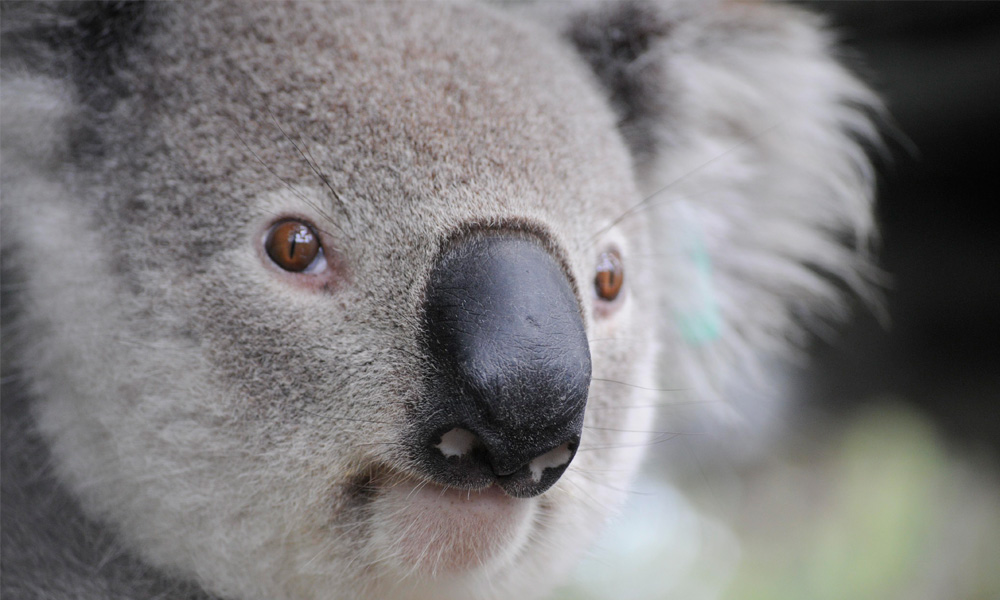
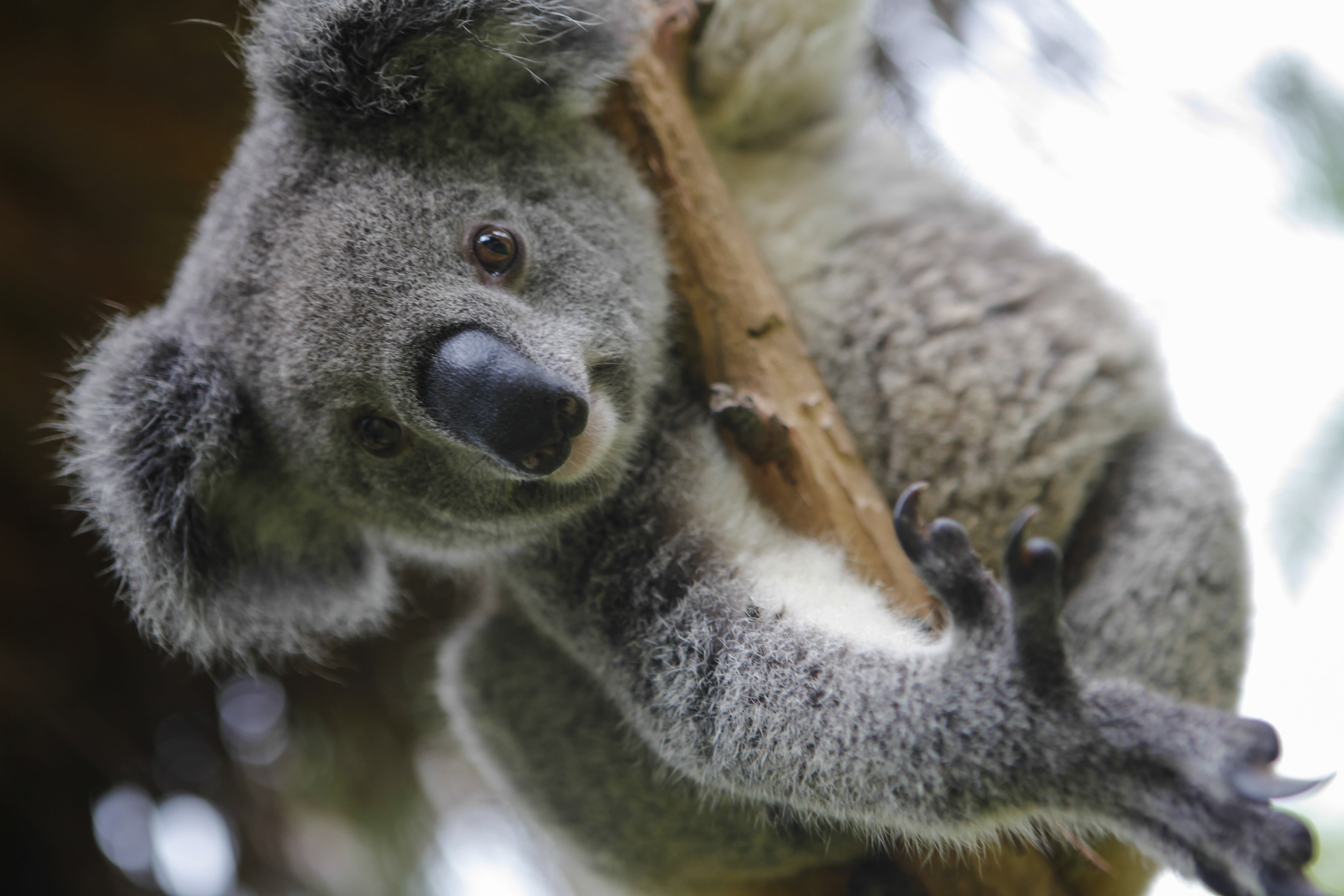
1) Koala (Phascolarctos cinereus)—Endangered
Traditional Names
Dharug (Sydney region): gula/gulamany (“no drink”)—widely accepted as the origin of the English “koala”. Some historical variants across eastern languages include Koobor and spellings such as Colah/Kaola. Another Dharug name for koala is burraga.
Wiradjuri: barrandhang. Other Wiradjuri names for barrandhang (koala) include gurabaan, naagun and ginaagun.
Dippil: kulla
Bundjalung: dunggir. Other Bundjalung names for dunggir (koala) include bandjurah, bandurbah, bandjurah and gula.
Language groups the species are significant to
Dharug, Gumbaynggirr, Dunghutti, Ngambaa, Birpai, Awabakal, among many Nations across eastern NSW.
Why koalas are culturally significant
Featured in Gumbaynggirr Dreaming (e.g., Dunggirr Gagu, Koala Brothers), koala increase ceremonies, and place names such as Yarriabini/Yarrahapinni (meaning “koala rolling”).
How the New Nature Laws Protect Them:
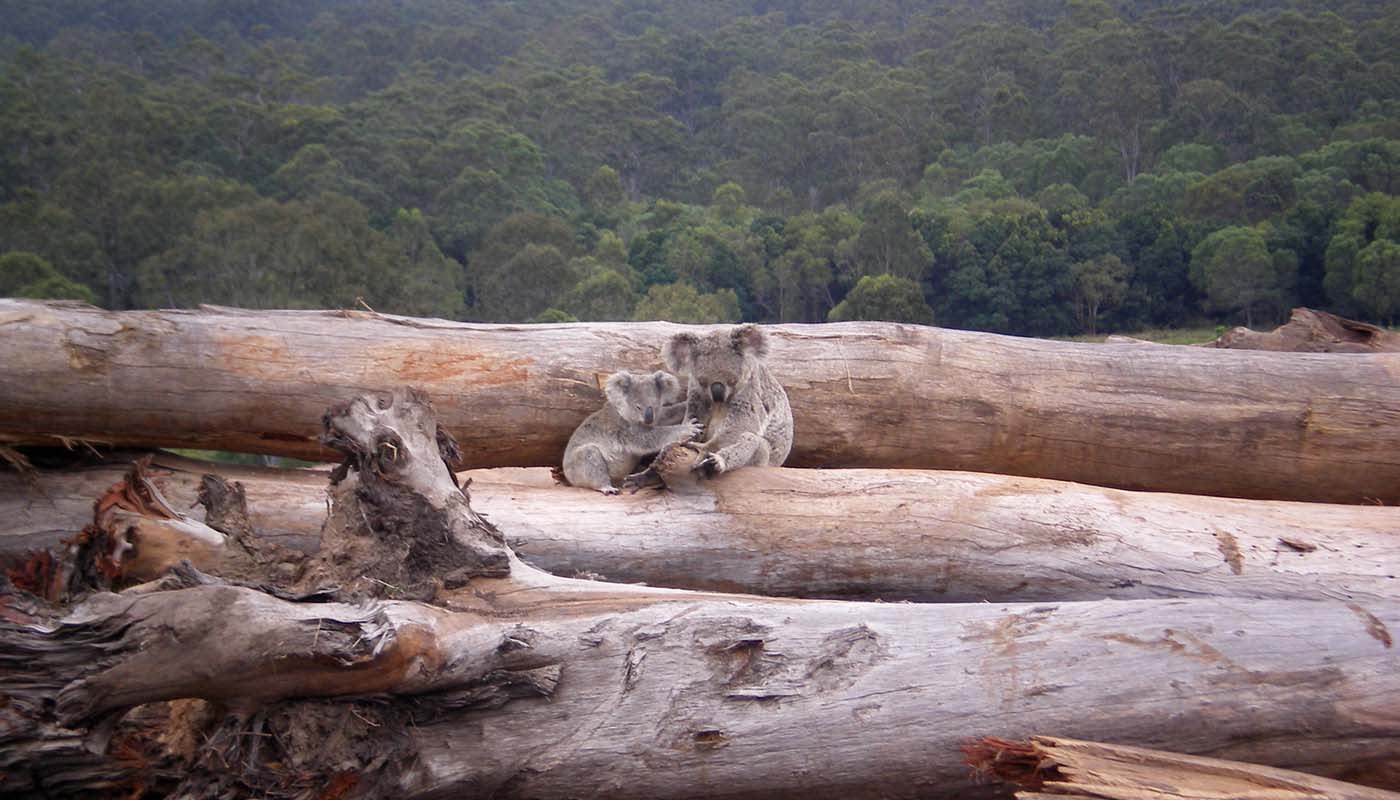
Logging in the Great Koala National Park and other critical habitats will now be subject to rigorous federal assessment, ensuring that endangered koalas and their cultural connections are safeguarded. The new laws empower First Nations partnerships and prioritise habitat restoration.
WWF-Australia’s Koala Protection Efforts in NSW to date
Koalas Forever Program
Goal: Double the number of koalas on the east coast by 2050.
Focuses on habitat restoration, corridor creation, fire resilience, and First Nations partnerships.
Responds to the koala’s listing as Endangered (combined NSW, Qld, and ACT populations) under the EPBC Act due to habitat loss, disease, and climate change.
Koala Friendly Carbon Initiative
A carbon farming program that restores koala habitat while generating income for landholders through Australian Carbon Credit Units (ACCUs).
Aims to restore 10,000 hectares of koala habitat across eastern Australia, with a strong focus on NSW.
Over 250,000 trees planted and 750+ hectares restored so far.
Partners with First Nations rangers, such as the Minyumai Rangers, to integrate Traditional Knowledge.
Koala Corridors and Landscape Connectivity
Through the “Cores, Corridors and Koalas” partnership with the Great Eastern Ranges Initiative, WWF is:
Reconnecting fragmented habitats across NSW.
Restoring fire-damaged landscapes.
Creating anchor properties to rebuild habitat connectivity at a district scale.
Great Koala National Park Advocacy
WWF played a key role in advocating for the creation of the Great Koala National Park, a 476,000-hectare reserve on the NSW Mid North Coast.
The park includes 176,000 hectares of state forest and is now the largest koala-focused conservation reserve in the world.
WWF continues to push for First Nations co-management and an end to native forest logging within and beyond the park.
Community and Private Landholder Partnerships
WWF supports landholder agreements to protect and restore koala habitat, especially in the Northern Rivers region.
Over 1,500 hectares of habitat secured through Land for Wildlife Agreements.
Community planting events and workshops have engaged hundreds of volunteers and landholders.
Fireproofing Koalas
In response to the Black Summer bushfires, WWF is working with Quandamooka Yoolooburrabee Aboriginal Corporation (QYAC) to:
Use drone and AI technology to monitor koalas.
Combine Traditional fire Knowledge with modern science to develop fire-resilient conservation strategies.
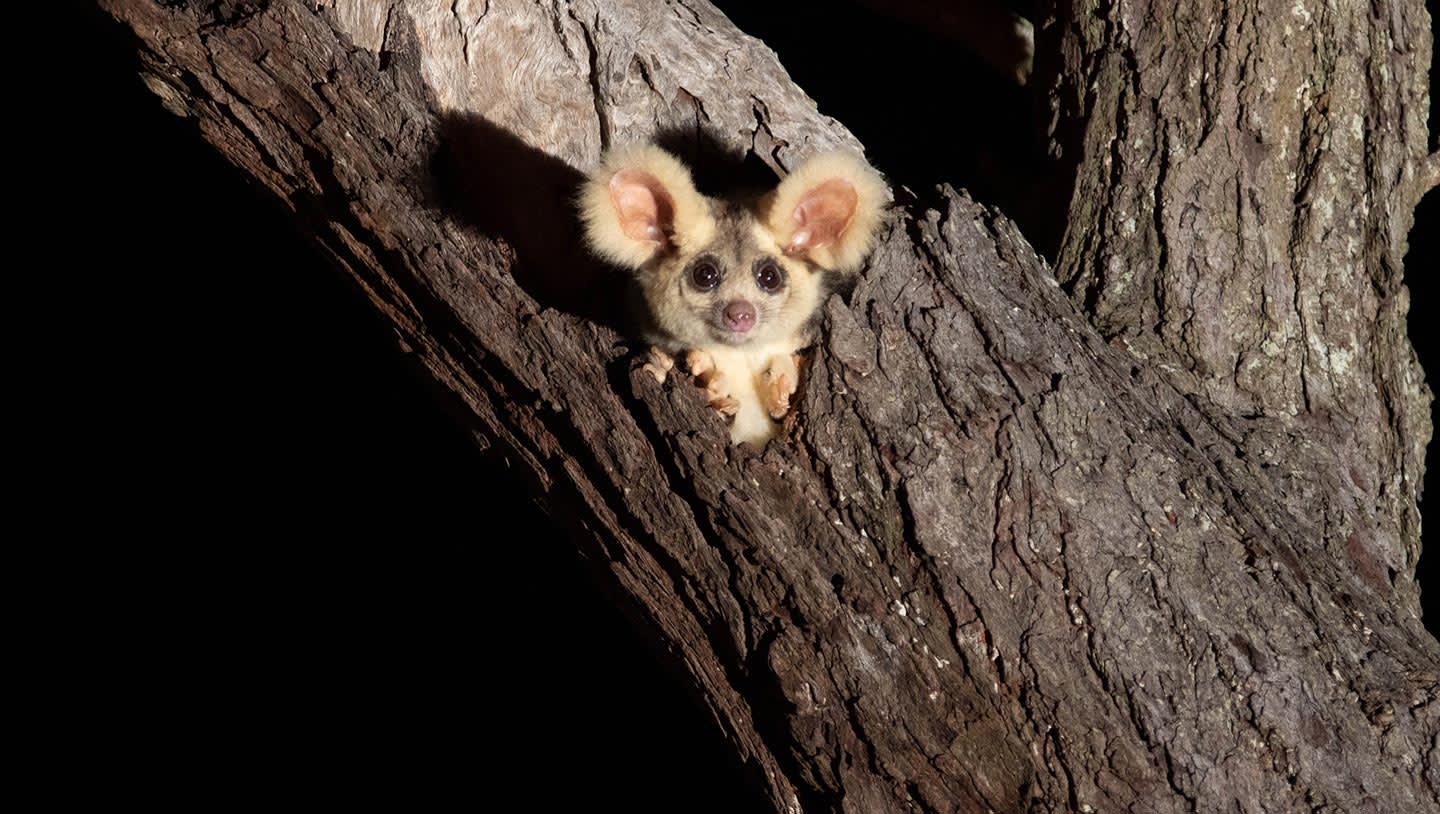
2) Greater Glider (Petauroides volans, southern & central)—Endangered
Traditional Names
Ugarapul: pan’ka; Gubbi Gubbi: bank’kii/mulyir
Language groups the species are significant to
Nations across NSW eucalypt forests (e.g., Gumbaynggirr, Bundjalung, Wiradjuri), with documented names in neighbouring Queensland languages.
Why Greater Gliders are culturally significant
A forest‑health indicator whose survival depends on giant, hollow‑bearing eucalypts—trees central to custodianship, ceremony and cultural burning.
How the New Nature Laws Protect Them
The removal of RFA exemptions means glider den trees and hollow-bearing eucalypts will be protected under national standards, supporting both ecological and cultural values.
WWF-Australia’s Greater Glider Protection Efforts in NSW to date
1. Nest Box Program ("Goldilocks Boxes")
In partnership with Greening Australia and the Australian National University, WWF developed and installed 234 fireproof, insulated nest boxes in Tallaganda State Forest, Tallaganda National Park, and East Gippsland.
These boxes mimic natural tree hollows—essential for glider survival—and are designed to regulate temperature and resist fire.
Motion-sensing cameras confirmed gliders began using the boxes within weeks of installation.
2. Guerrilla Ecology: Den Tree Mapping
WWF joined Wilderness Australia and South East Forest Rescue in a grassroots campaign to identify and map glider den trees in logging zones like Tallaganda State Forest.
By locating den trees, they trigger mandatory 50m exclusion zones, effectively halting logging in critical habitat.
This approach has already protected over 10% of a proposed logging area in Tallaganda.
3. GPS Tracking and Habitat Research
WWF partnered with the University of Sydney to deploy GPS collars on greater gliders, providing one of the first high-resolution datasets on their home ranges and habitat use in post-bushfire landscapes.
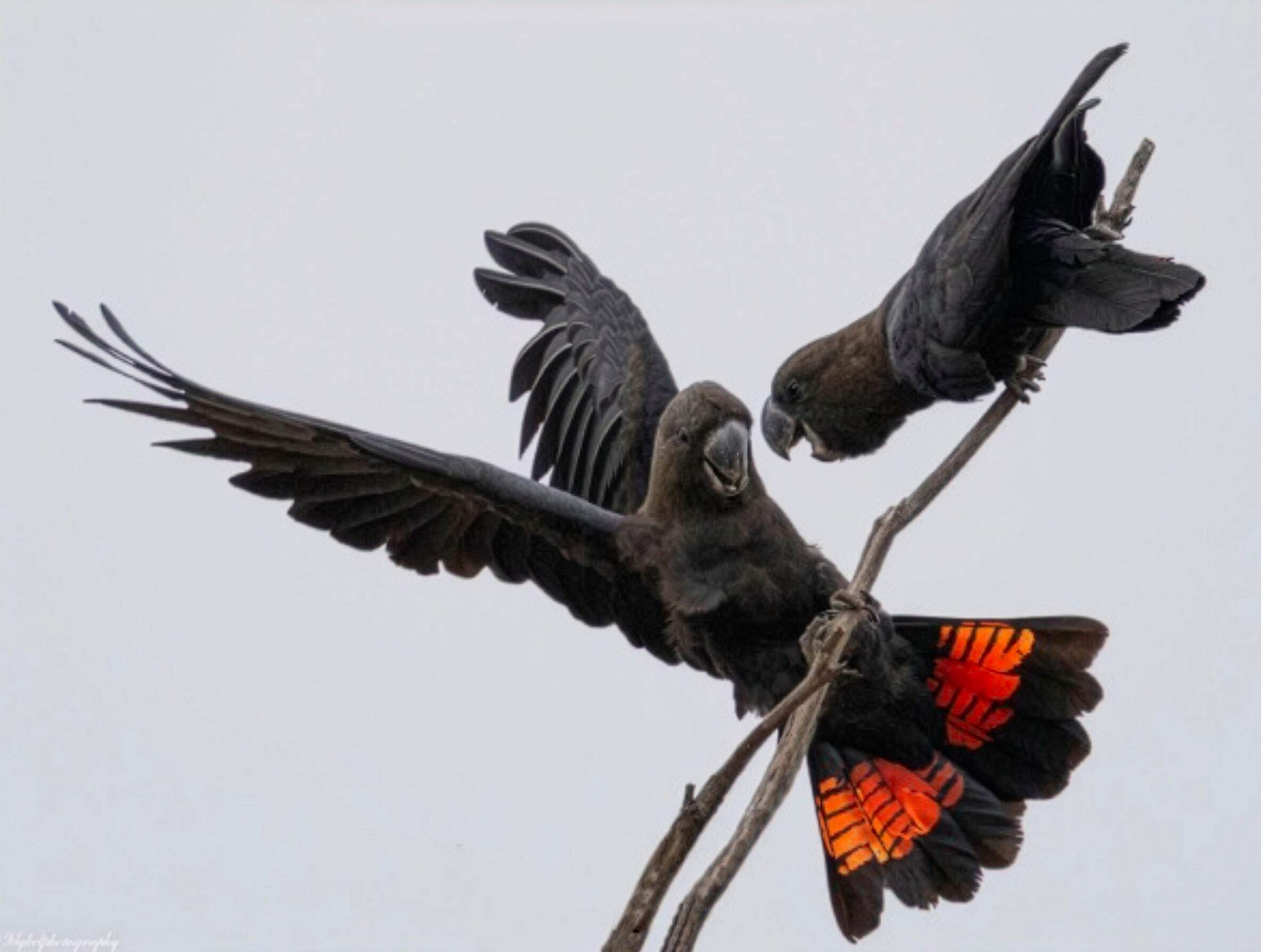
3) Glossy Black Cockatoo (Calyptorhynchus lathami lathami)—Vulnerable
Traditional Names
Dharug: garada/garal
Gamilaraay: bilirr
Wiradjuri: yuyang
Gumbaynggirr: biliirrgan
Ngunnawal: wamburun
Western Bundjalung (borderlands): wayilayn
Language groups the species are significant to
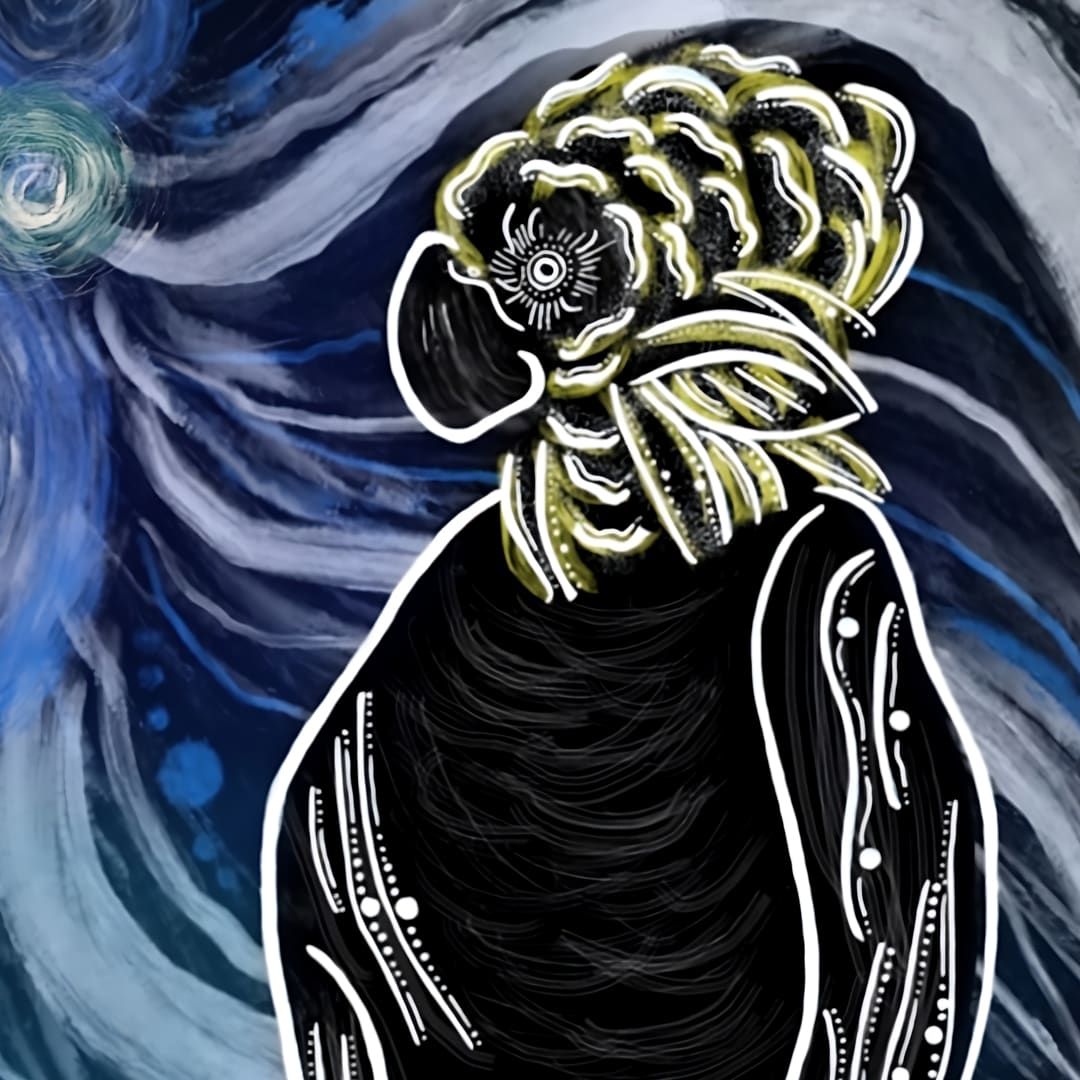
The Glossy Black Cockatoo is widely significant, particularly across Dharug, Gamilaraay, Wiradjuri, Bundjalung, Gumbaynggirr, Ngunnawal Countries.
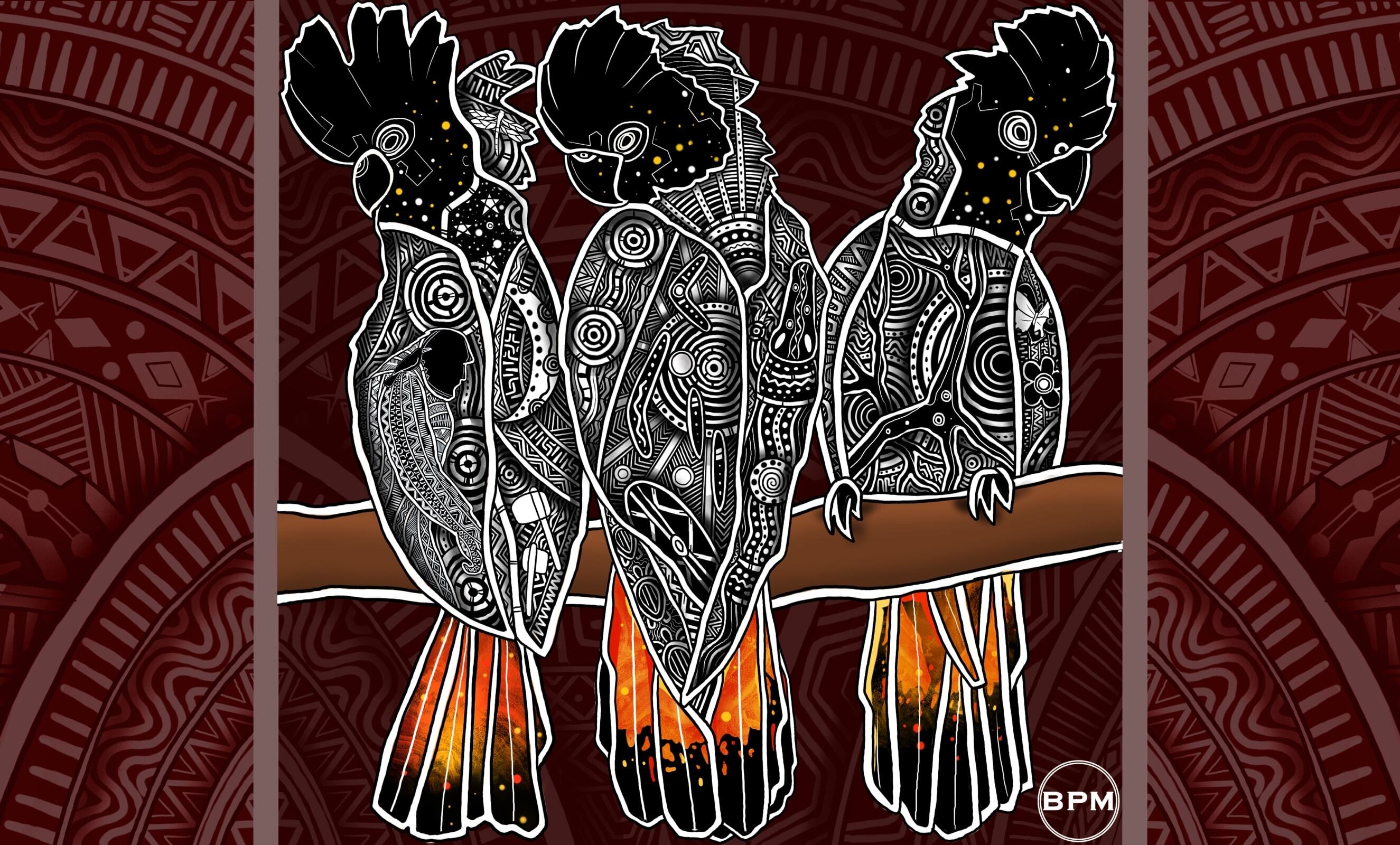
Why the Glossy Black Cockatoo is culturally significant
Strong ceremonial connections (feathers; rain lore), and a beloved totem whose presence maps she‑oak (Allocasuarina/Casuarina) food trees and large nesting hollows.
How the New Nature Laws Protect Them
Habitat corridors and nesting hollows will be better protected, with logging operations required to meet strict environmental criteria and subject to EPA oversight.
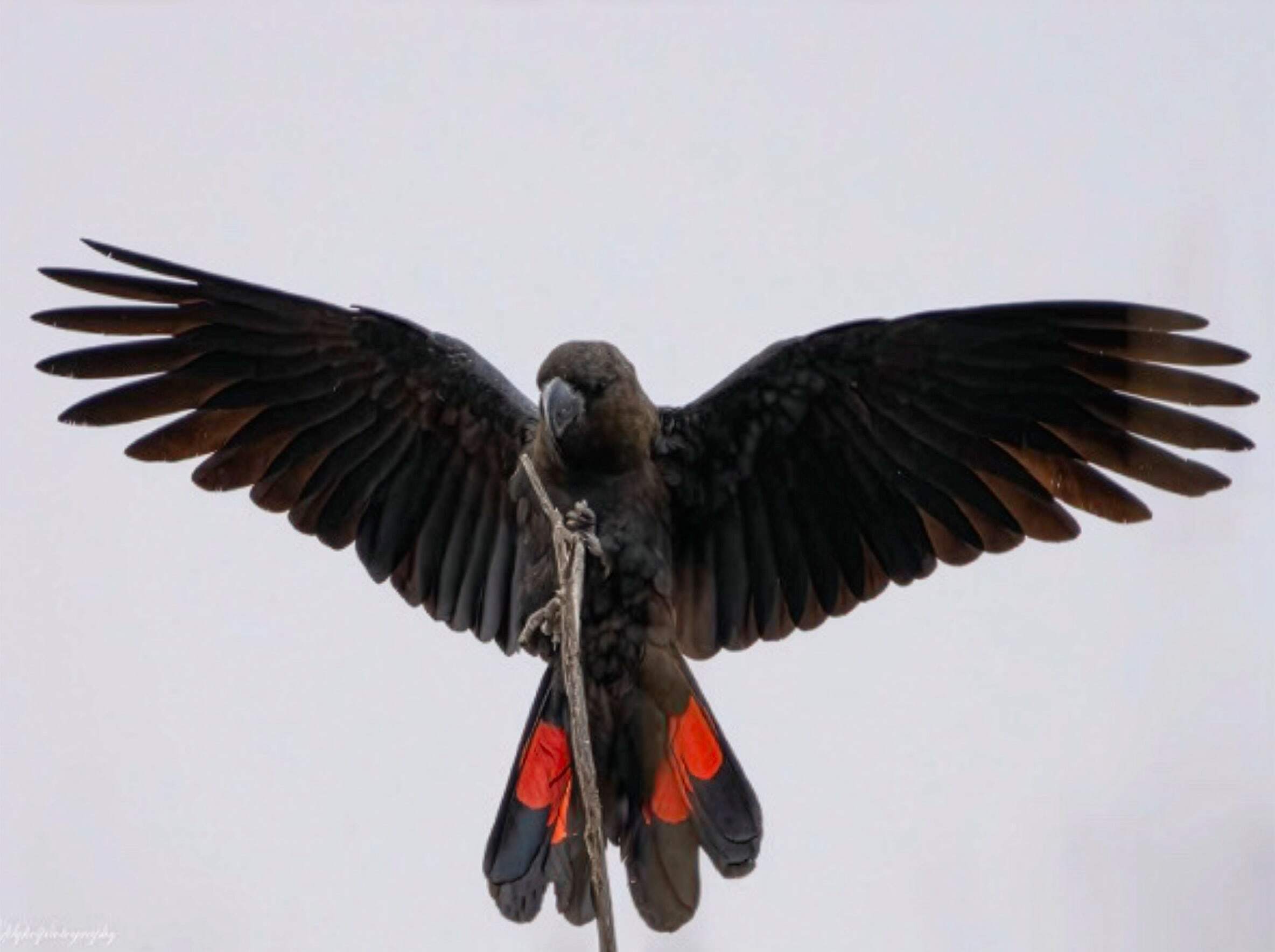
Protection efforts to date
NSW Biliirrgan Project (2025)—toolkit for mapping feed trees, post‑fire monitoring, and actions to secure hollows/corridors; broader citizen‑science counts via the Glossy Black Conservancy.
Northern Rivers Conservation Project - WWF-Australia supported the Glossies Northern Rivers initiative in NSW, in collaboration with Wildbnb and Saving Our Species.
Focused on mapping feed and nesting trees, monitoring populations, and engaging the public through the Glossy Squad citizen science program.
Helps identify and protect critical habitat post-bushfire, especially for the NSW subspecies, which is listed as Vulnerable.
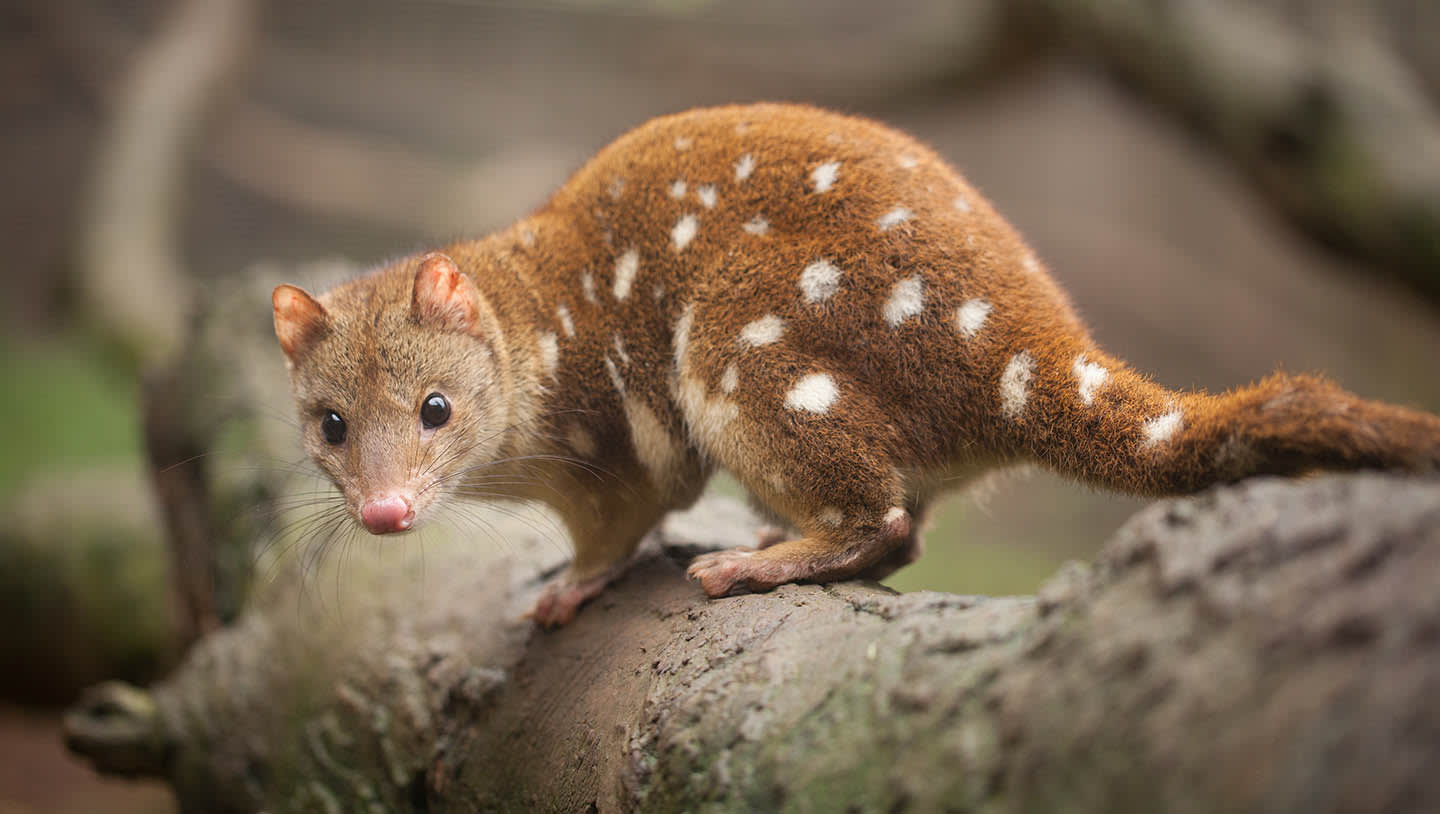
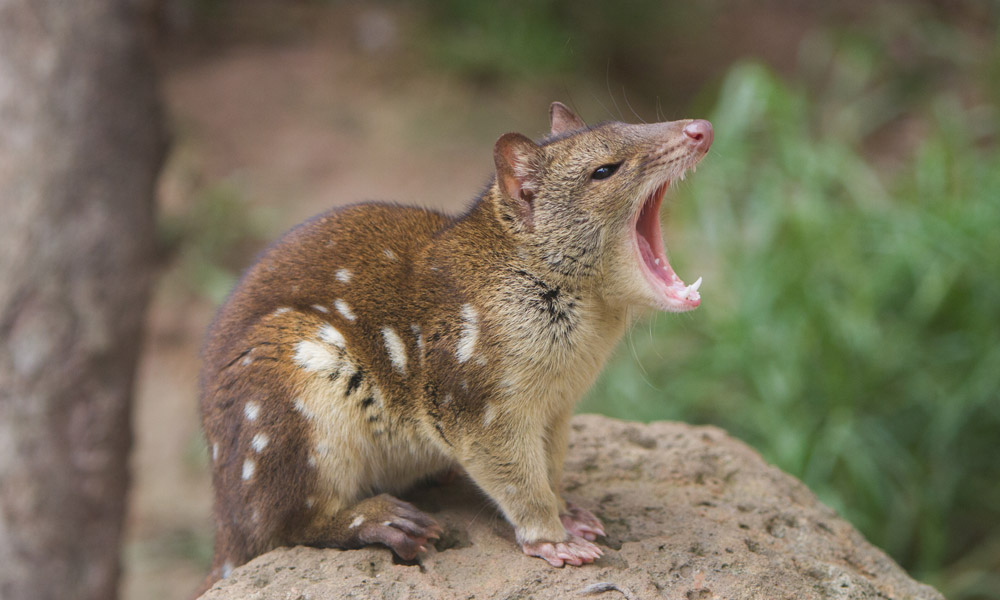
4) Spotted‑tailed Quoll (Dasyurus maculatus)—Endangered nationally; Vulnerable in NSW
Traditional Names (if known)
Kurnai: Bindjulung
Gamilaraay: bagand
Wajarri: tjooditj
Dhangatti: duluyn
Language groups the species are significant to
Occurs across Bundjalung, Gamilaraay, Wiradjuri and other Nations spanning forests, woodlands and heath.
Why the Spotted‑tailed Quoll is culturally significant
The spotted-tailed quoll is featured in Aboriginal Dreaming stories, such as the Gundungurra creation story where a quoll ancestor, Mirrigan, battled the rainbow serpent Gurangatch, shaping the land and rivers. These stories are spiritually and culturally significant, representing the quoll as a totem and symbol of balance and resilience within the natural world.
How the New Nature Laws Protect Them
Fragmented habitats and den sites will be assessed for unacceptable impacts, reducing threats from logging and supporting recovery efforts.
Spotted-tailed Quoll Protection efforts to date
Raising Awareness and Advocacy
WWF has highlighted the spotted-tailed quoll’s endangered status in its campaigns, emphasising the species' role as a top native predator and its vulnerability to habitat loss, logging, and introduced predators. WWF advocates for stronger environmental laws and better funding to protect quoll habitats and other threatened species.
Habitat Protection and Restoration
WWF supports efforts to protect old-growth forests and connect fragmented habitats, which are critical for quoll survival due to their large home ranges and reliance on hollow-bearing trees for dens.
WWF also promotes landscape-scale conservation through partnerships like the Great Eastern Ranges Initiative, which aims to restore wildlife corridors across eastern NSW.
Support for National Recovery Plans
WWF aligns with the National Recovery Plan for the Spotted-tailed Quoll, which outlines actions like:
Reducing habitat destruction.
Managing threats from introduced predators.
Supporting research into quoll ecology and genetics.
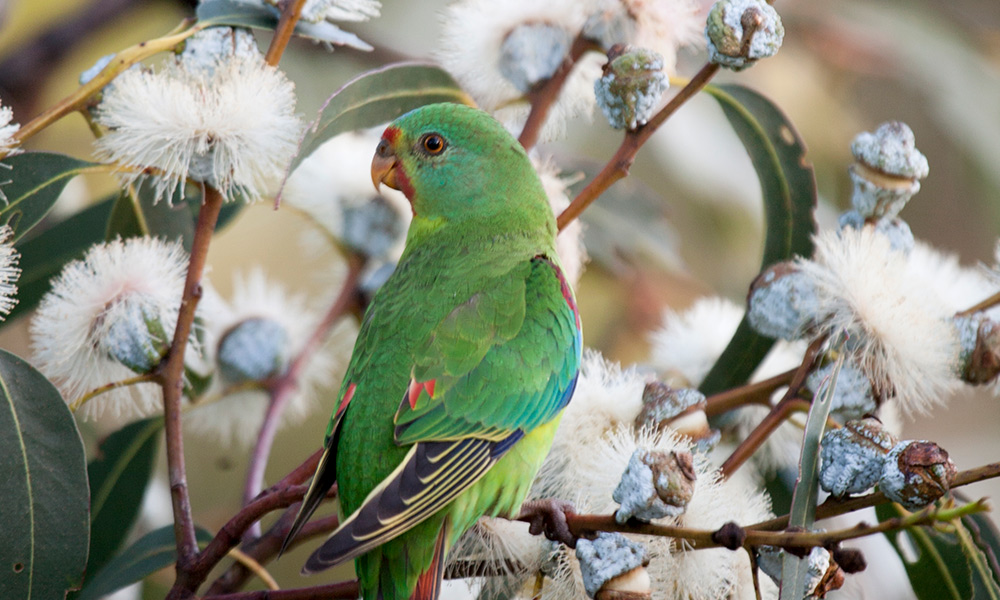
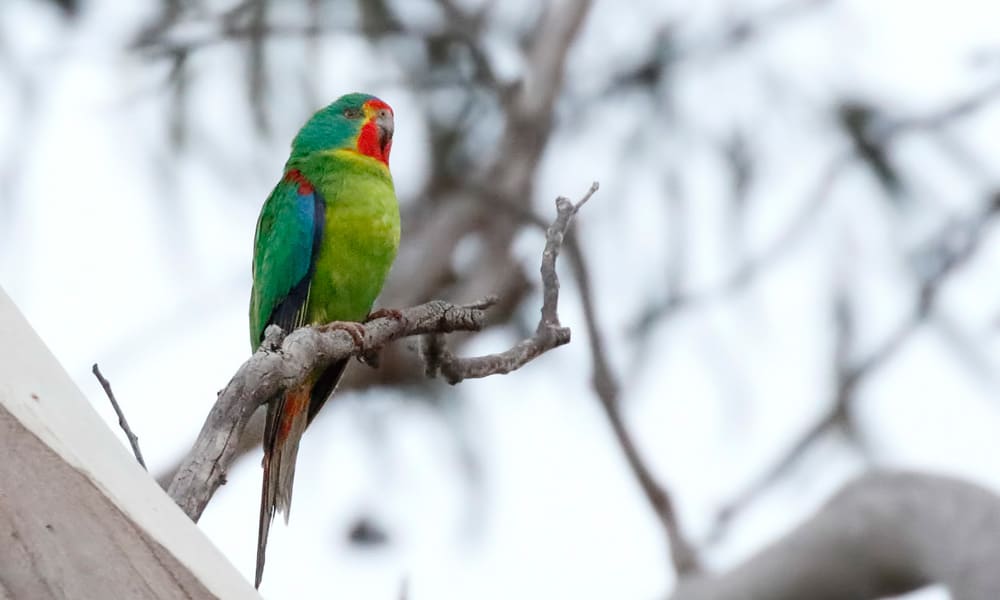
5) Swift Parrot (Lathamus discolor)—Critically Endangered; winters in NSW, breeds in Tasmania
Traditional Names
* Not all First Nations terms included here are specific names for the swift parrot. Some are generic terms that most closely describe the swift parrot.
palawa kani (Tasmania): swift waylitja (“parrot”).
Eora and Dharug: guriyayil
Wathawurrung: darny-birt
Bundjalung: bilin-bilin
Language groups the species are significant to
Migratory “visitor” to Wiradjuri, Wonnarua and adjoining NSW Nations during winter foraging in flowering woodlands.
Why the swift parrot is culturally significant
The swift parrot is a flagship hollow‑dependent woodland pollinator linked to seasonal flowering of spotted gum and swamp mahogany.
The parrot's seasonal migration is intrinsically linked to the cycles of Country and Traditional Knowledge, which recognise the interconnectedness of all living things.
How the New Nature Laws Protect Them:
Both winter foraging and summer breeding habitats will be covered by the new standards, helping reverse population decline.
WWF-Australia’s Swift Parrot Protection Efforts in NSW
1. Collision Risk Mitigation
WWF published a comprehensive guide titled Minimising the Swift Parrot Collision Threat, which outlines bird-safe building design strategies to reduce deaths from window strikes, fencing, and vehicles.
The guide includes practical and regulatory solutions for urban and rural developments near swift parrot habitats.
2. Habitat Advocacy and Awareness
WWF has consistently raised awareness about the impact of native forest logging on swift parrot breeding and foraging habitats, especially in Tasmania and NSW.
WWF has called for urgent reforms to forest management, citing research that shows degradation of breeding grounds is a key driver of population decline.
Other Swift Parrot Protection Efforts in NSW to date
Draft National Recovery Plan (2024) has coordinated BirdLife surveys, and community calls for moratoria in known NSW foraging sites pending protection outcomes.
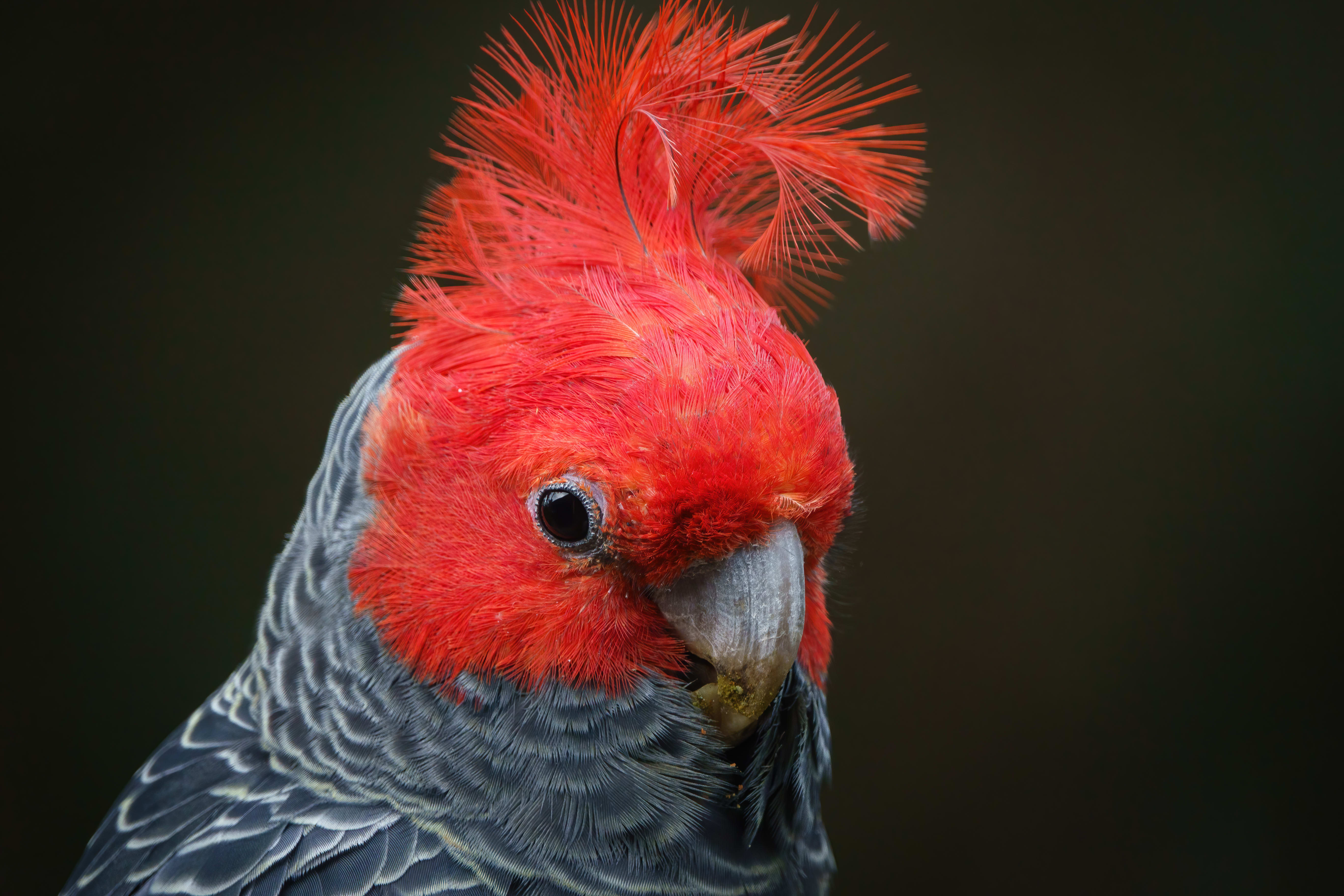
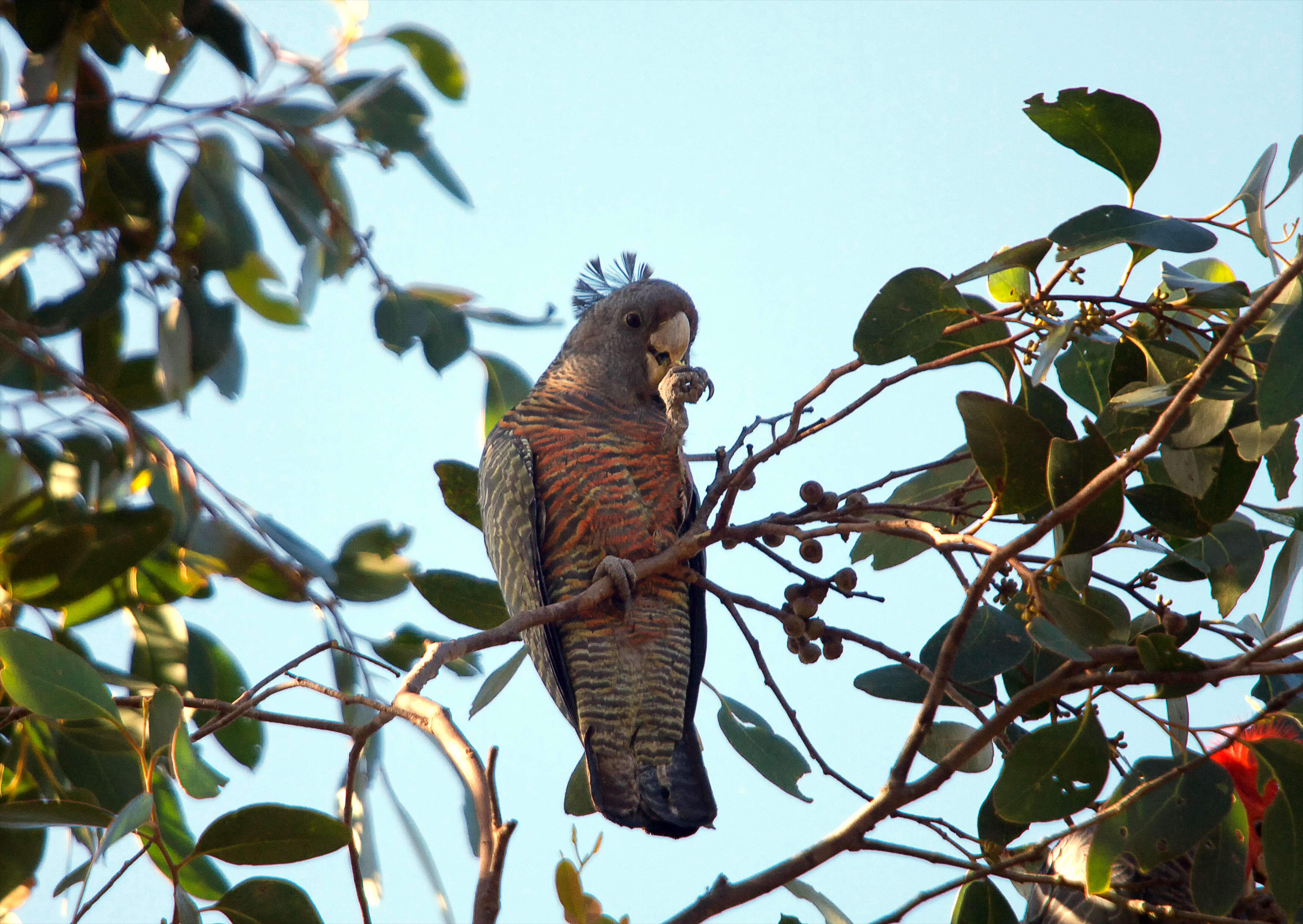
6) Gang‑gang Cockatoo (Callocephalon fimbriatum) - Endangered
Traditional Names
Ngunnawal or Wiradjuri: “gang‑gang” derives from First Peoples’ language(s) (sources note both as possible origins).
Woi wurrung: nilma
Language groups the species are significant to
Ngunnawal, Wiradjuri, and Nations across the south‑east highlands/woodlands (including southern NSW).
Why the Gang-gang Cockatoo is culturally significant
Iconic seasonal visitor whose presence tracks cone/seed availability and hollow‑bearing trees in montane woodlands.
The gang-gang cockatoo is the faunal emblem of the Australian Capital Territory.
How the New Nature Laws Protect Them:
Nesting hollows and food trees in montane woodlands will be protected, supporting the species’ recovery and cultural significance.
WWF-Australia’s Gang-gang Cockatoo Protection Efforts in NSW
1. Support for Habitat Restoration
WWF has collaborated with groups like BirdLife Australia and Local Land Services to restore gang-gang habitat in fire-affected regions such as Eurobodalla, Blue Mountains, and East Gippsland.
These efforts include:
Planting native trees and shrubs (e.g., eucalypts and acacias).
Installing nest boxes to replace lost tree hollows.
Engaging schools and landholders in habitat protection and revegetation.
2. Community Engagement and Citizen Science
WWF supports citizen science initiatives like the Gang-gang Nesting Project, which maps nesting and feeding behaviour across NSW and the ACT.
Participants help monitor nest hollows, feeding trees, and threats like brush-tail possum predation and hollow competition.
3. Partnerships and Collaborative Projects
WWF works alongside:
NSW Saving Our Species program, which outlines strategic actions for gang-gang conservation, including habitat protection and restoration.
Eurobodalla Shire Council, which has installed hundreds of nest boxes and engaged citizen scientists in monitoring efforts.
🌳Closing the Loopholes
The passing of these reforms marks a new era for Australia’s nature laws. These culturally significant species were potentially impacted by nature law loopholes that needed to be addressed as a matter of urgency. Most native forest logging could skip national protections because our national nature laws did not apply to old agreements between the federal government and some states. These agreements are known as Regional Forest Agreements (RFAs). Before the new reforms, logging projects covered by these agreements did not have to follow national nature laws. This means they skipped the usual federal checks for impacts on the environment.
Culturally significant species are now better protected, and Indigenous voices are prioritised in conservation. While ongoing vigilance is needed, this is a moment to celebrate progress and renew our commitment to caring for Country.