
History
World Wildlife Fund (now known as the World Wide Fund for Nature or WWF) was conceived on 29 April 1961 in the small Swiss town of Morges through a unique partnership of scientists, business and government leaders, with the support and guidance of HRH Prince Bernhard of The Netherlands and HRH The Duke of Edinburgh.
The group called for urgent global action to stop vast numbers of wild animals being hunted out of existence and habitats from being destroyed.
Over the past 60 years, WWF has grown into the largest and most influential independent conservation organisation in the world. Globally, we have over 5 million supporters and operate in more than 100 countries.
On 29 June 1978, WWF was established in Australia, with just three staff working out of an old factory in Sydney.
Today, we're Australia's largest environmental conservation organisation, with offices around the nation and just under 1.3 million supporters. Explore our projects underway throughout Australia and the Oceania region.
WWF-Australia timeline
1978-1998
WWF-Australia was established with a $50,000 grant from the Commonwealth Government and $20,500 in corporate donations.
A joint World Conservation Strategy, which recognised that conserving biodiversity is essential to sustainable development, was produced by WWF, the IUCN and the United Nations Environment Programme (UNEP). It was endorsed by the United Nations Secretary-General and launched in 34 world capitals.
World Wildlife Fund changed its name to World Wide Fund for Nature (except USA and Canada) to reflect the scope of its work.
WWF and the IUCN established TRAFFIC Oceania to monitor wildlife and help agencies in Australia, New Zealand and the South Pacific to reduce illegal trafficking and enhance benefits to people from legal and sustainable trade of wild species.
WWF-Australia formed the national Threatened Species Network with the Australian Government, which successfully operated until 2009. The network worked cooperatively with government and community groups to empower people to participate in all aspects of species conservation.
WWF-Australia and its partners achieved a 50-year moratorium on mining in Antarctica – one of the most significant conservation outcomes for this pristine environment.
A joint initiative between WWF (known then as World Wide Fund For Nature) and Unilever saw the creation of the Marine Stewardship Council (MSC). In 1999, the MSC became an independently run non-profit organisation.
The first WWF Living Planet Report was published, showing human pressures on the planet and their impact on vertebrate animals.
1999-2008
WWF launched the largest privately funded amphibian conservation program in Australian history, which became known as Frogs Australia.
WWF-Australia played a major role in creating the world’s most far-reaching biodiversity conservation laws, the Environment Protection and Biodiversity Conservation (EPBC) Act of June 1999.
The Marine Debris Tracking Program was established in partnership with Aboriginal communities and Indigenous Sea Rangers to identify and combat the harm fishing and pollution causes to Australia’s marine life. WWF later established the National Marine Debris Database.
Due to confusion and translation discrepancies across more than 15 languages, the acronym WWF was adopted as our name globally.
WWF brought together a consortium of partners to develop a plan to protect and manage the biodiversity of the entire Southwest Australia region. This region is home to almost 7,000 species of plants, almost half of which occur nowhere else.
WWF's influence in the Antarctic region led to the establishment of the 65,000km² Heard Island and McDonald Islands Marine Reserve.
WWF contributed to the Western Australian Government's rejection of a proposal to build a 2,000-bed resort and marina at Mauds Landing in the southern part of Ningaloo Marine Park.
After public campaigning and pressure from WWF, the Australian Government committed to raise protection for the Great Barrier Reef from 4.6% to 33%, offering relief from coral bleaching, seafloor trawling, overfishing and pollution.
The findings of a WWF scientific study led the Queensland Parliament to pass legislation to phase out broadscale deforestation across the state and set a new benchmark for Australian land management.
WWF convened the Wentworth Group of Concerned Scientists to advise the Australian Government on best practice water management for the next 100 years, resulting in the National Water Initiative (NWI).
In partnership with conservation groups, governments and local communities, WWF increased the protection of Ningaloo Reef in sanctuary areas from 10% to 34%, making it one of the world’s best protected reefs.
After an 18-month WWF-Australia campaign, the Australian Government announced that more than 80% of Tasmania’s Tarkine region would be protected. This stopped state government plans to log the Tarkine Rainforest Corridor at the heart of the wilderness area.
WWF-Australia secured a $24.6 million commitment from the federal and Tasmanian governments to eradicate the rats, mice and rabbits that were destroying the unique landscape and devastating populations of threatened seabirds on World Heritage-listed Macquarie Island. The island was finally declared pest free in 2014.
WWF co-created Earth Hour in Sydney. Almost 2.2 million Sydneysiders turned their lights off for one hour, taking a stand against global heating.
WWF led the campaign to secure $180 million in Federal Government funding to expand the National Reserve System, Australia’s network of parks, reserves and other protected areas.
WWF led the campaign that secured $223 million in Federal Government investment and $50 million from the Queensland Government to protect the Great Barrier Reef by changing farming practices and reducing farm pollution.
2009-2018
The 180,000km² Prince Edward Islands Marine Protected Area, one of the five largest MPAs in the world, was established, following a WWF campaign to protect the Southern Ocean.
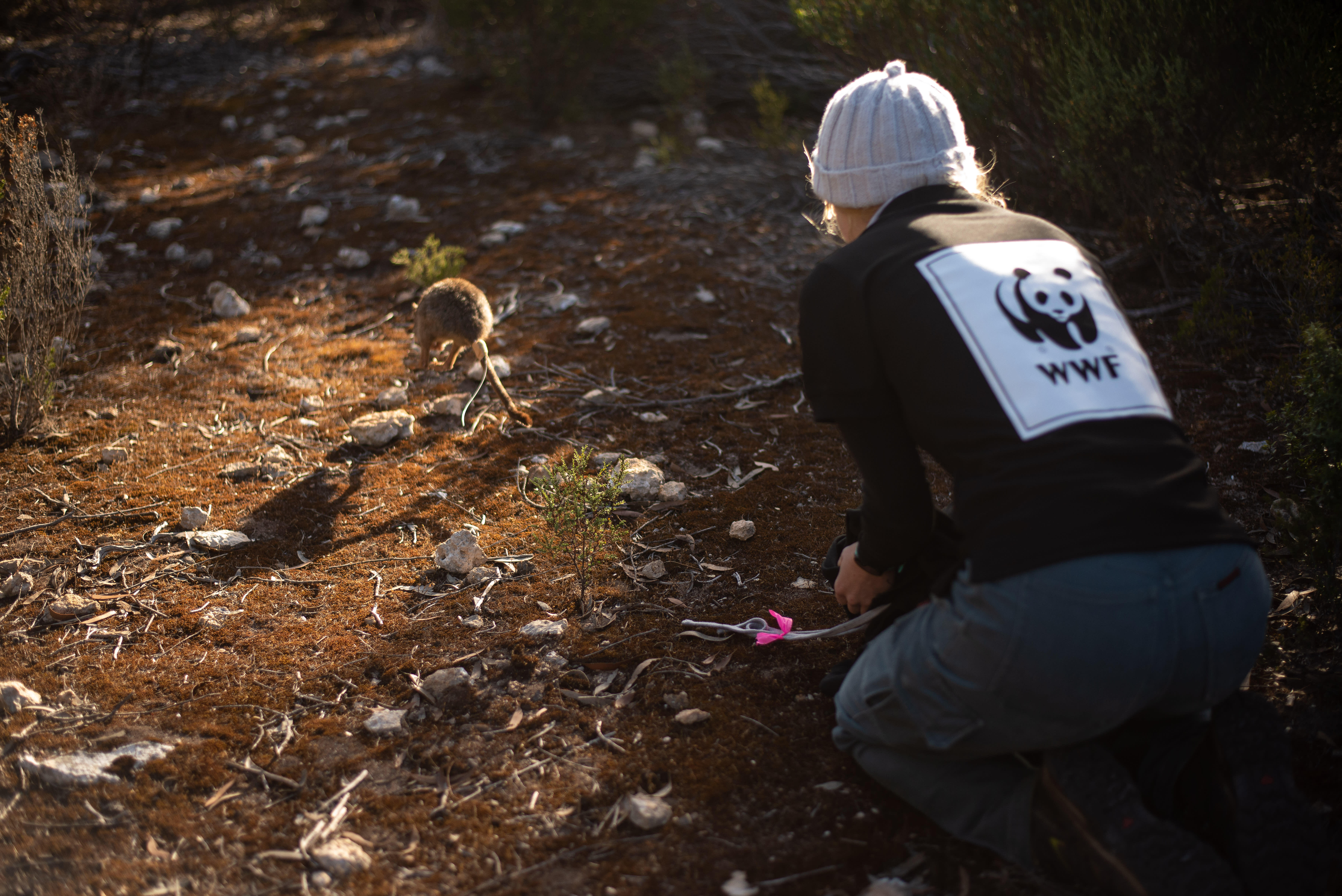
Funded by the state government and generous donations from WWF supporters, a 5 kilometre fence was built around Nangeen Hill Nature Reserve in WA to protect the dwindling black-flanked rock-wallaby population.
With our Indigenous partners, WWF saved more than 1,000 baby turtles from predation in Queensland and rediscovered the spectacled hare-wallaby in the Kimberley.
WWF campaigning secured a ban on dumping in the Great Barrier Reef World Heritage Area, preventing up to 46 million cubic metres of dredge spoil being dumped in the Reef’s waters.
The collective effort of WWF and other organisations saw the largest marine protected area in the world finally secured in the Ross Sea region of Antarctica.
With funds from supporters, WWF-Australia bought and retired two shark fishing licences on the Great Barrier Reef, saving the lives of about 20,000 sharks a year as well as dugongs, dolphins and turtles.
WWF-Australia fought for new laws to be passed in Queensland Parliament that would stop excessive deforestation and protect koalas, other native species and the Great Barrier Reef. In 2018 the new laws were successfully passed.
As part of the Net-Free North campaign, WWF purchased and removed the last commercial gill net in Far North Queensland, thanks to public donations. Retiring the huge, deadly net meant protection for dugongs, marine turtles, snubfin dolphins, sawfish, hammerhead and Bizant River sharks.
WWF-Australia, in partnership with Department of Biodiversity, Conservation and Attractions, completed one of Australia’s most successful conservation projects - the translocation and reintroduction of threatened black-flanked rock-wallabies to Kalbarri National Park in Western Australia.
2019 - present
2019
In 2018, thousands of supporter donations helped WWF-Australia buy and retire the licence for the last commercial gill net operating full-time in the northern Great Barrier Reef. Then in 2019, with eyewear company VisionDirect we teamed-up to “upcycle” the plastic net into something useful – sustainable sunglasses. Look back on our incredible year of wins here.
2020
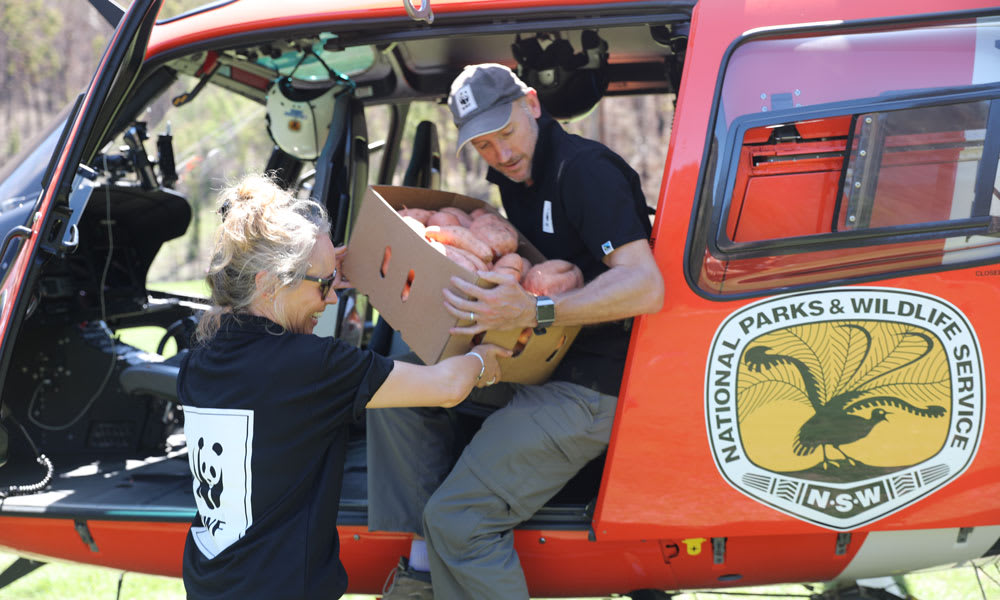
Our nation watched in horror as bushfires ripped through the country during the summer of 2019-20. Thanks to your generous donations and those of supporters and partners around the world, we raised almost AUD$51 million for wildlife and nature recovery that went on to support 245 projects in areas from wildlife care to habitat protection, rewilding and more.
2021
We supported a comeback more than 100 years in the making - the return of 40 brush-tailed bettongs to Yorke Peninsula! Marna Bangarra (renamed to honour the Traditional Custodians of the land, the Narungga People) is an ambitious project to rewild 150,000 hectares of picturesque landscape in South Australia. But this wasn’t our only amazing achievement in 2021. Read more here.
2022
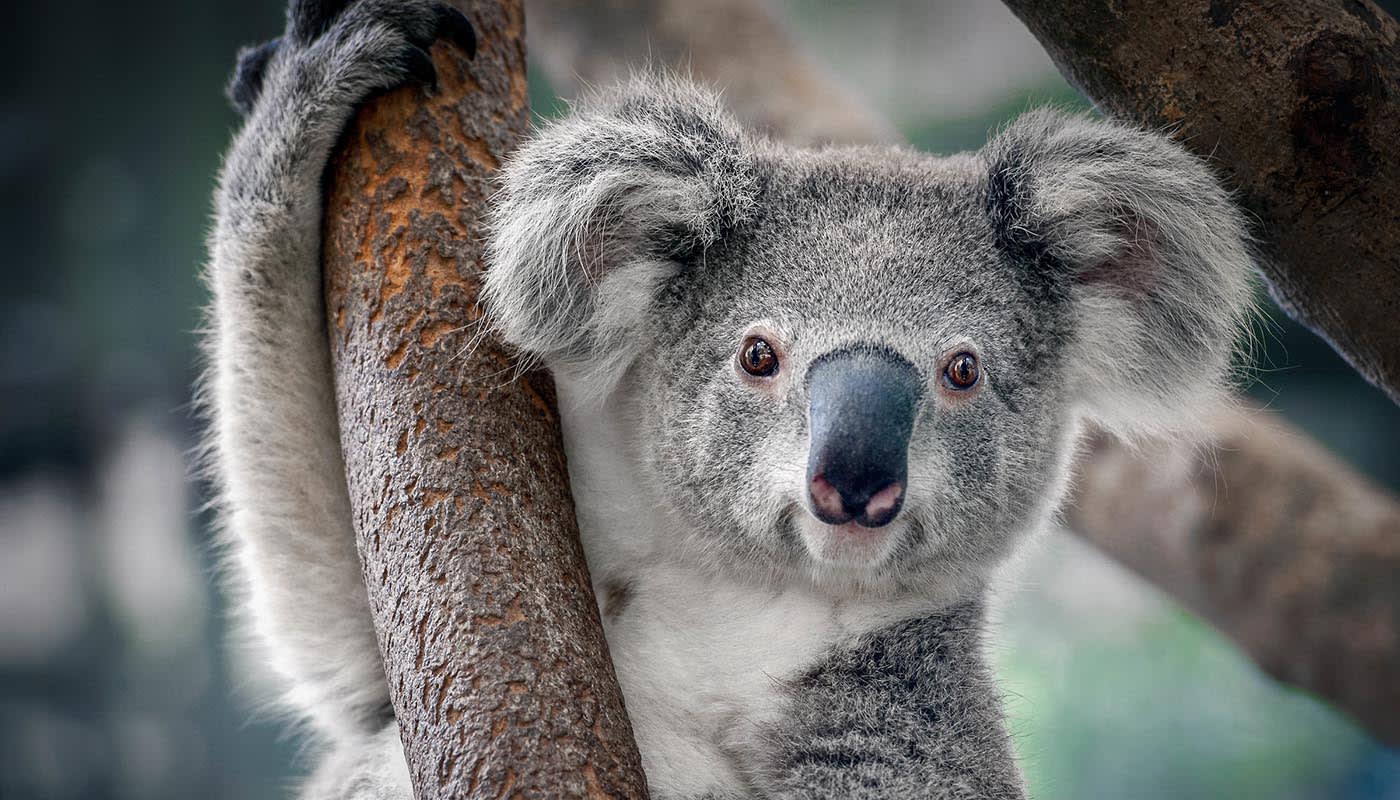
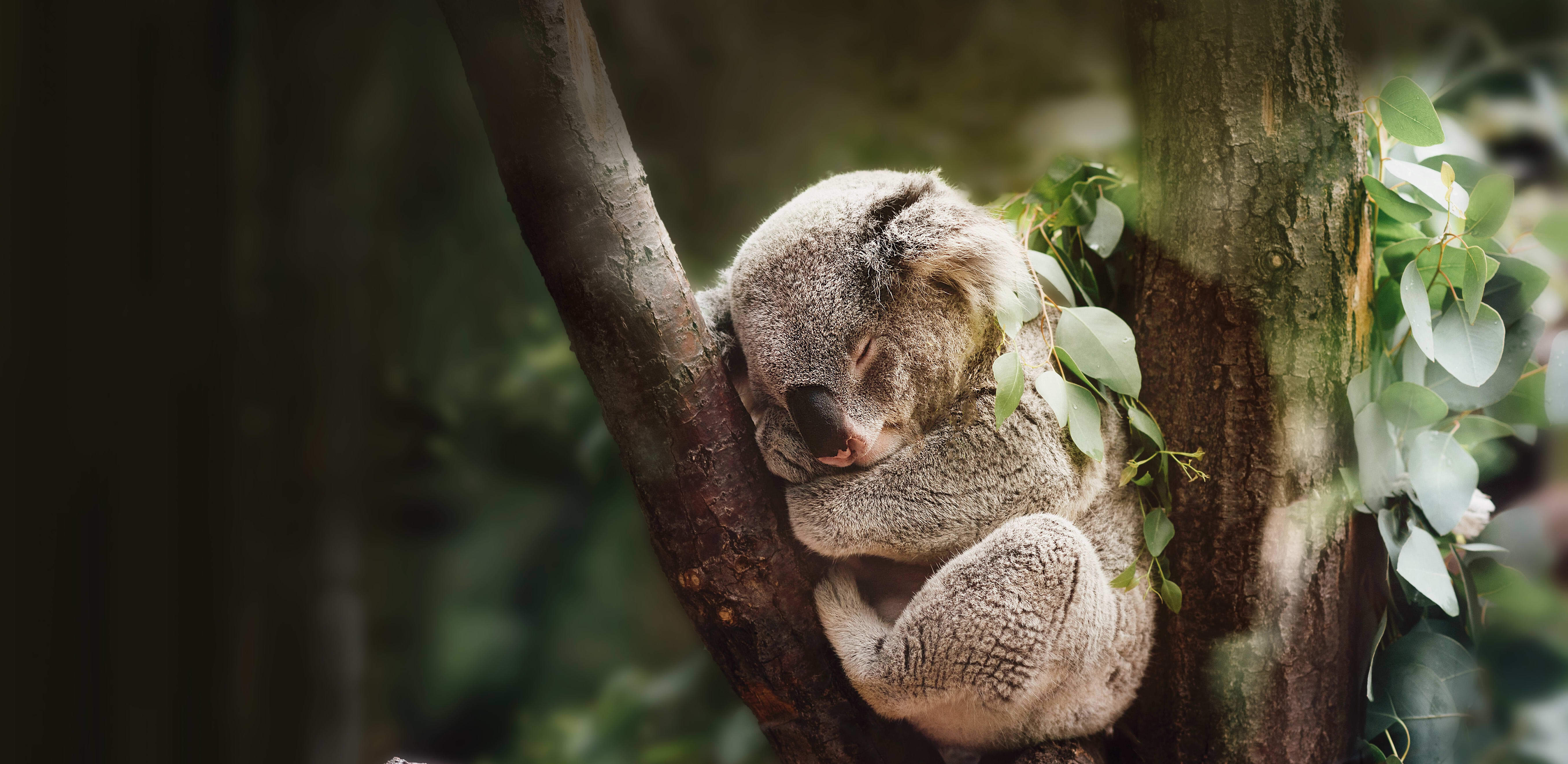
More than 8,000 WWF-Australia supporters signed the petition and helped uplist the koala's status from Vulnerable to Endangered. While bittersweet that means koalas and their forest homes receive greater legal protections. At the same time, with our supporters funding and with aid from our partners, over 75,000 native koala habitat and food trees were planted in the New South Wales Northern Rivers region. Discover our other wins of nature here.
2023
After seven years of campaigning for the removal of commercial gill nets from the Great Barrier Reef, it was officially 'a win' for the iconic reef and the marine wildlife that call it home.
7,500+ Aussies added their voice and helped secure a #NetFreeReef, with the Queensland Government making a bold commitment to end gill net fishing in dugong protection areas of the Great Barrier Reef World Heritage Area by 2024. Learn about the many ways you helped Regenerate Nature in 2023 here.
Learn more about WWF-Australia
This form could not be loaded. Please check the configured form URL.