Skip to content
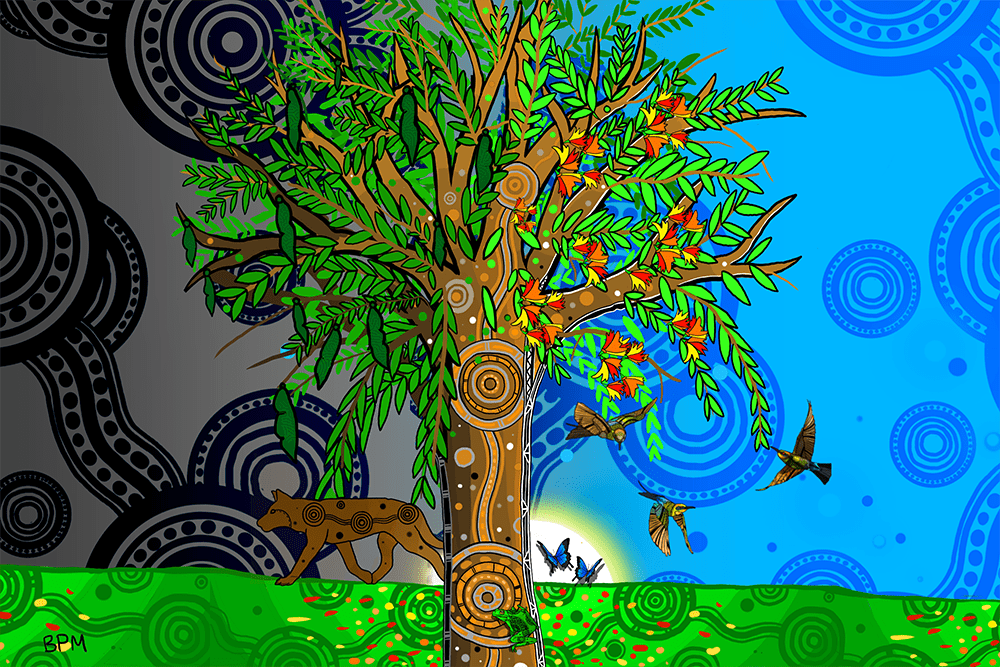
The Black Bean Tree by Jirrbal artist Beau Pennefather-Motlop
The Black Bean Tree by Jirrbal artist Beau Pennefather-Motlop © Beau Motlop / WWF-Australia

Inclusive Conservation

WWF-Australia's inclusive conservation approach aims to deliver well-being and equitable outcomes for people as well as restore and Regenerate Nature.

To create a world where people live and prosper in harmony with nature, our solutions must deliver positive outcomes for nature, communities, and climate. Only by delivering on all three will we ensure solutions that are long-term, sustainable and driven by local people and communities. By practising inclusive conservation, we can create new partnerships and ways of working that support both people and nature to thrive. 

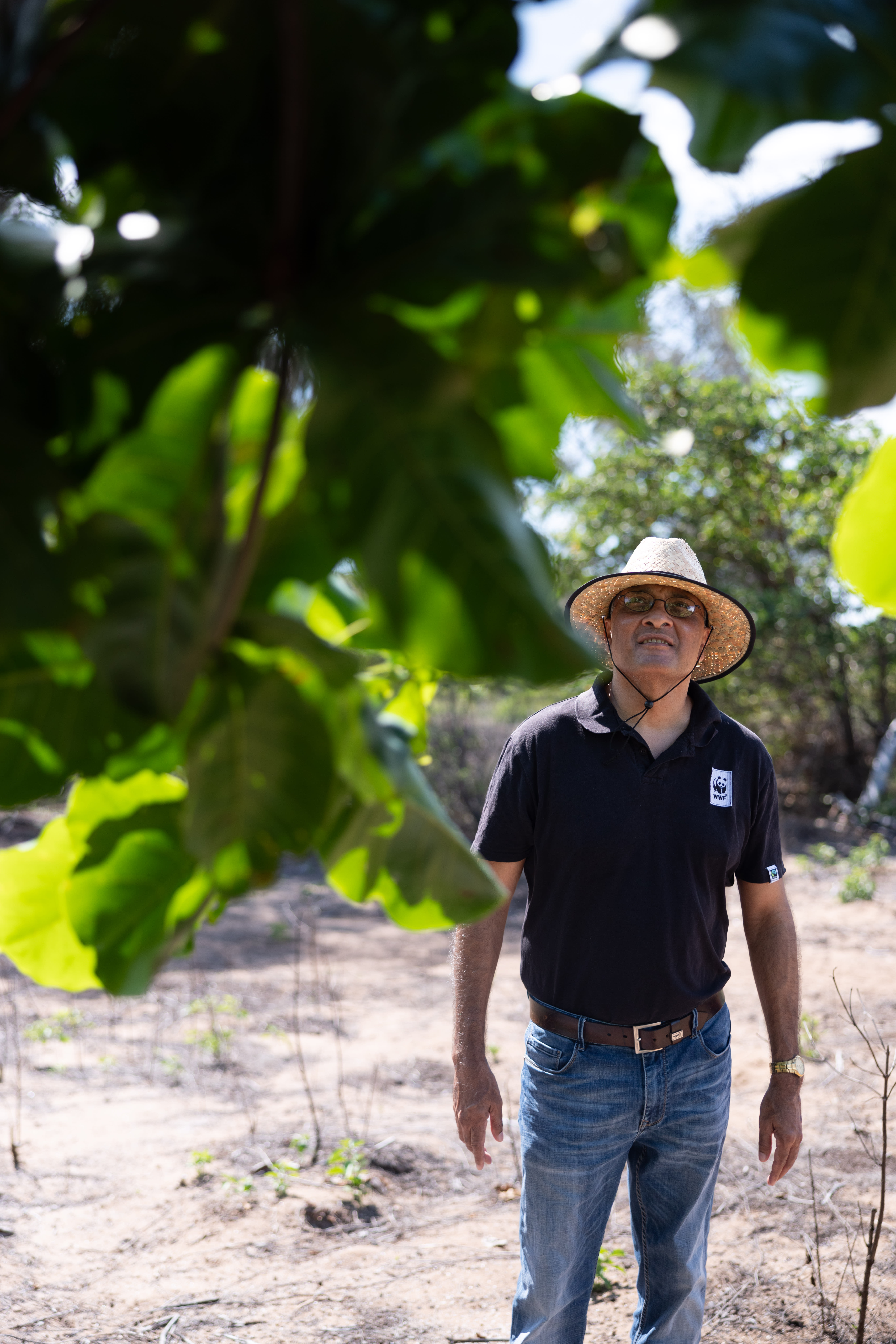
WWF First Nations Principal Advisor, Wakka Wakka Traditional Owner Cliff Cobbo in Townsville.
WWF First Nations Principal Advisor, Wakka Wakka Traditional Owner Cliff Cobbo in Townsville. © WWF-Australia / Woody Spark

What is Inclusive Conservation?

Inclusive Conservation (IC) recognises the inextricable link between people and nature. It strives to support people's sustainable development aspirations while restoring and regenerating nature.

It is an approach for accommodating and balancing different visions for conservation and development, and for achieving socially relevant, economically productive, and environmentally sustainable outcomes.

Inclusive Conservation is underpinned by the principles of inclusion, equity, and justice, which require addressing power imbalances that produce inequity. It is about ensuring that all people, especially those most impacted by marginalisation and vulnerability, can meaningfully contribute to and benefit from efforts to conserve and sustainably manage the natural environment.

Inclusive Conservation seeks to especially uphold the rights of Indigenous Peoples, local communities, children, and youth, and pursues gender equity, disability, and social inclusion.
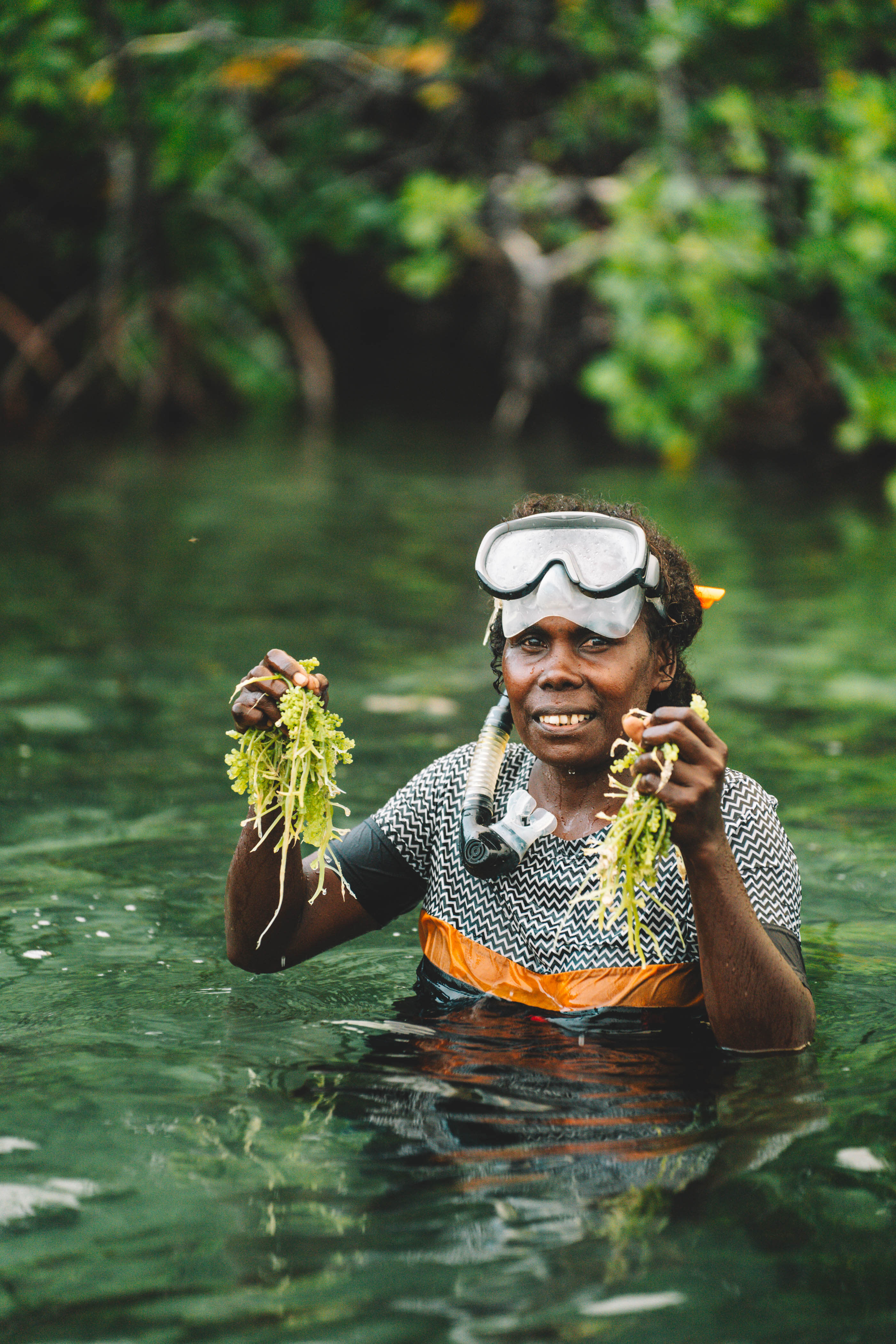
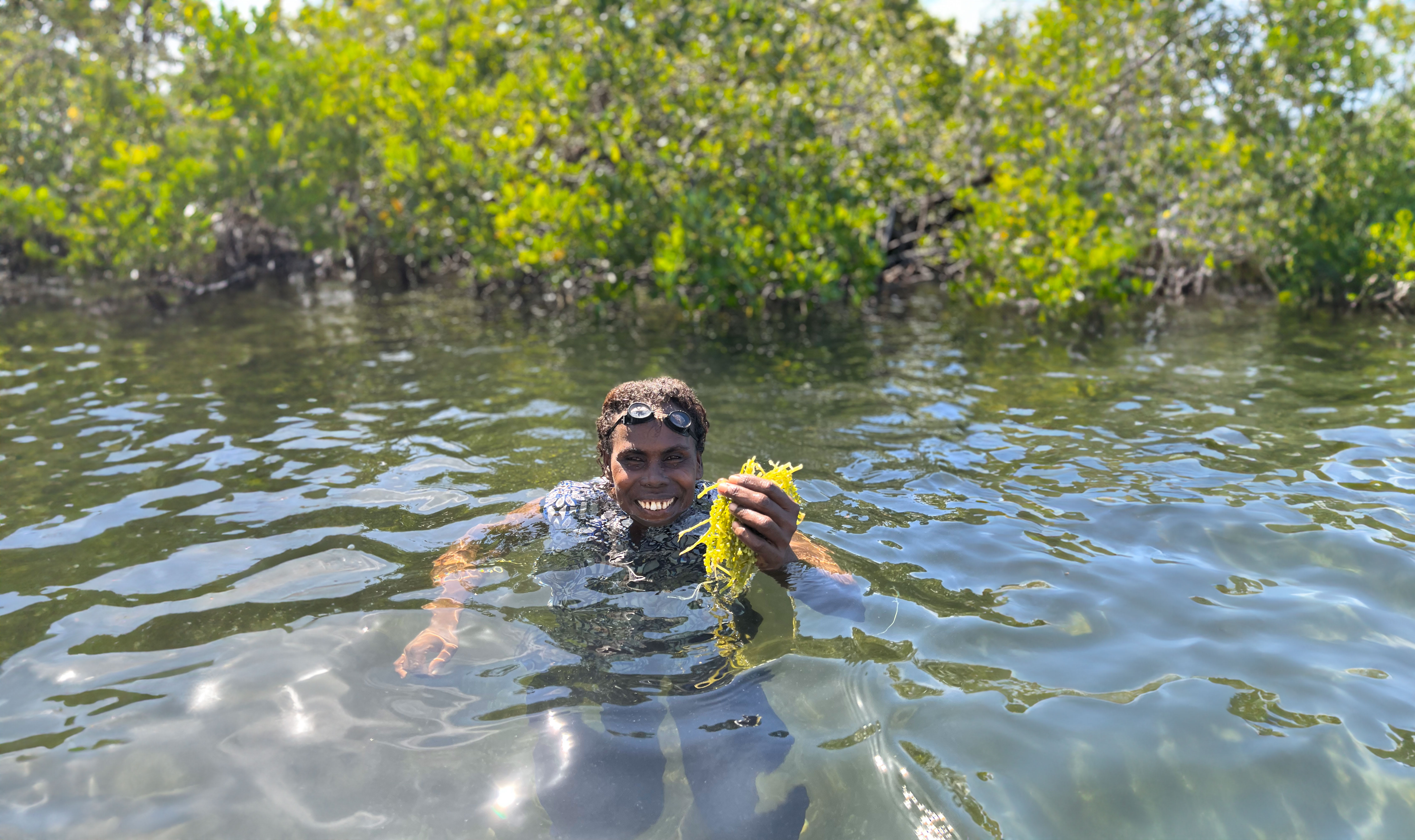
Nerolyn, a community facilitator harvesting seagrapes © WWF-Pacific / Andrew Buoro

Did you know?

Indigenous Peoples and Local Communities are custodians of over a third (36%) of the world’s most important places for biodiversity. Given that many of these key areas lack other forms of protection, it is clear that Indigenous Peoples and Local Communities play a crucial role in conserving some of the most critical areas for biodiversity.

Furthermore, Indigenous Peoples and Local Communities' lands remain in good ecological condition and make up 42% of all global land in good ecological condition (65.92 million km2).

Global biodiversity goals are unattainable without full inclusion of Indigenous Peoples and Local Communities.
The WWF Network Inclusive Conservation Good Practices are:

Learn from the past and inform the future

It is critical to learn from the past and understand conservation history in all its aspects; including the strengths and weaknesses of our approaches as well as the intended and unintended impacts on vulnerable groups and power dynamics. This involves an open and continuous dialogue to support learning and develop strong trust in partnerships.

Build a shared agenda

WWF aims to be cognisant and respectful of other conservation actors and their interests and rights. This includes broadening recognition of who should define the conservation agenda in any specific place and the approach to co-designing program and advocacy agendas.

Reshape partnerships

An effective inclusive conservation approach requires the repositioning of roles to encourage more equitable relations and partnerships founded on social equity and mutual respect. This involves supporting ‘local spaces’ and not taking over.

Appropriately support Indigenous Peoples and Local Communities in their views of conservation

When Indigenous Peoples and Local Communities initiatives, resource rights, Traditional Knowledge, and customary management practices are recognised, trusted, and appropriately supported, they can inspire us with powerful local solutions and models for conservation that enable more sustainable and just development.

Advocate for inclusive conservation

Directly addressing governance and other drivers of environmental degradation by advocating to ensure that conditions of equity and inclusion are established.

Mutual learning and innovation

Bolster a spirit of mutual learning and innovation that supports critical reflection and ‘out of the box thinking’. This recognises the valuable knowledge, wisdom, and capacities outside of WWF, including citizen science and Indigenous and local communities’ knowledge systems, which can be shared through mutual learning and mobilisation to support co-creation and innovation.

Build inclusivity into the WWF network

To build an internal culture of inclusivity requires planning for equitable, fair, and open ways of operating including: decision-making structures and support systems, human resources and staffing; knowledge management; skills, competencies and behaviour inspired by a set of common values like respect, courage, integrity and collaboration. 

Communicate what we practice

Encourage an integrated and people-centred narrative that acknowledges the complexities of our work and the contexts within which we operate. It is crucial to focus on the long-term objectives of our work and take a learning approach to contextualise the ebb and flow of failures and successes that are inherent in initiatives that deal with complex issues. 

Accountability

As WWF accelerates change towards inclusive conservation, we aim to be open, transparent and fully accountable – exemplifying all principles of good governance. WWF takes responsibility for its decisions as well as its contributions to the bigger transformation in conservation. 

Throughout all our activities - whether it's in communities, in our communications or in the office - we strive to take a cross-cutting, people-centred, human rights-based approach that promotes the agency and leadership of local communities, Indigenous Peoples, women, children, youth, people with disability, and other groups experiencing marginalisation.

WWF-Australia is uniquely positioned to engage with government, civil society and private sector actors for collective action and to catalyse change that can transform systems to benefit both people and nature.

We are also well positioned to harness both global knowledge and local perspectives. Our work blends local community knowledge, especially respecting the knowledge and traditions of First Peoples, with a global mindset that allows for impact and transformation with speed and scale.

We are committed to being a continuously learning organisation that seeks to measure our progress, listen to feedback and strengthen our efforts over time.

Inclusive Conservation is a vital part of our mission to Regenerate Nature.

See inclusive conservation in action

Learn more about inclusive conservation