Species
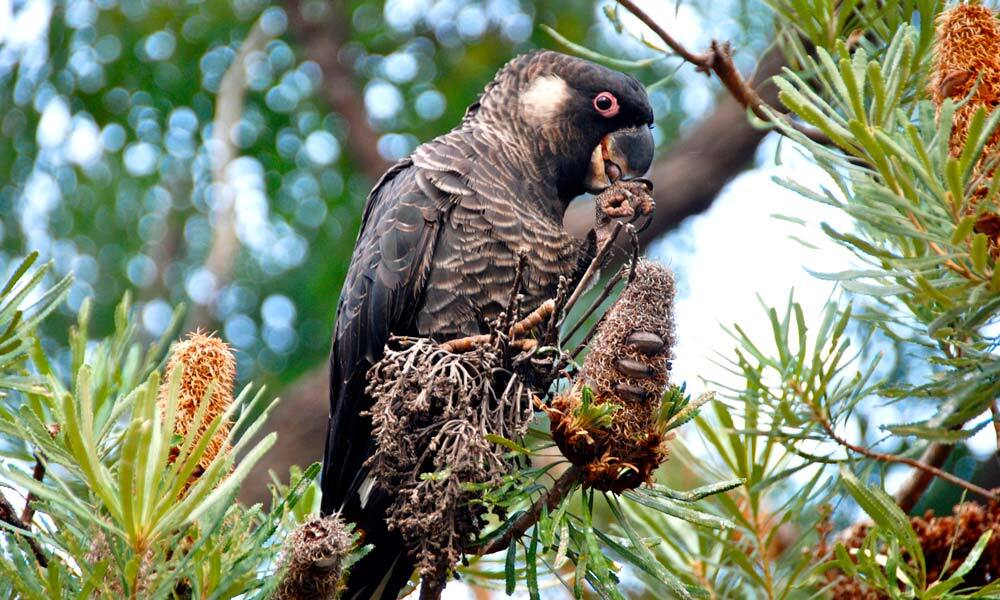
Australia is home to some of the world’s most beautiful nature and iconic wildlife found anywhere on the planet. Together, we can Regenerate Nature and save our unique wildlife.
The future of Australian species depends on trees – and your support today. Make a donation to help plant and protect trees and give our beloved native animals a future.
Australian Wildlife
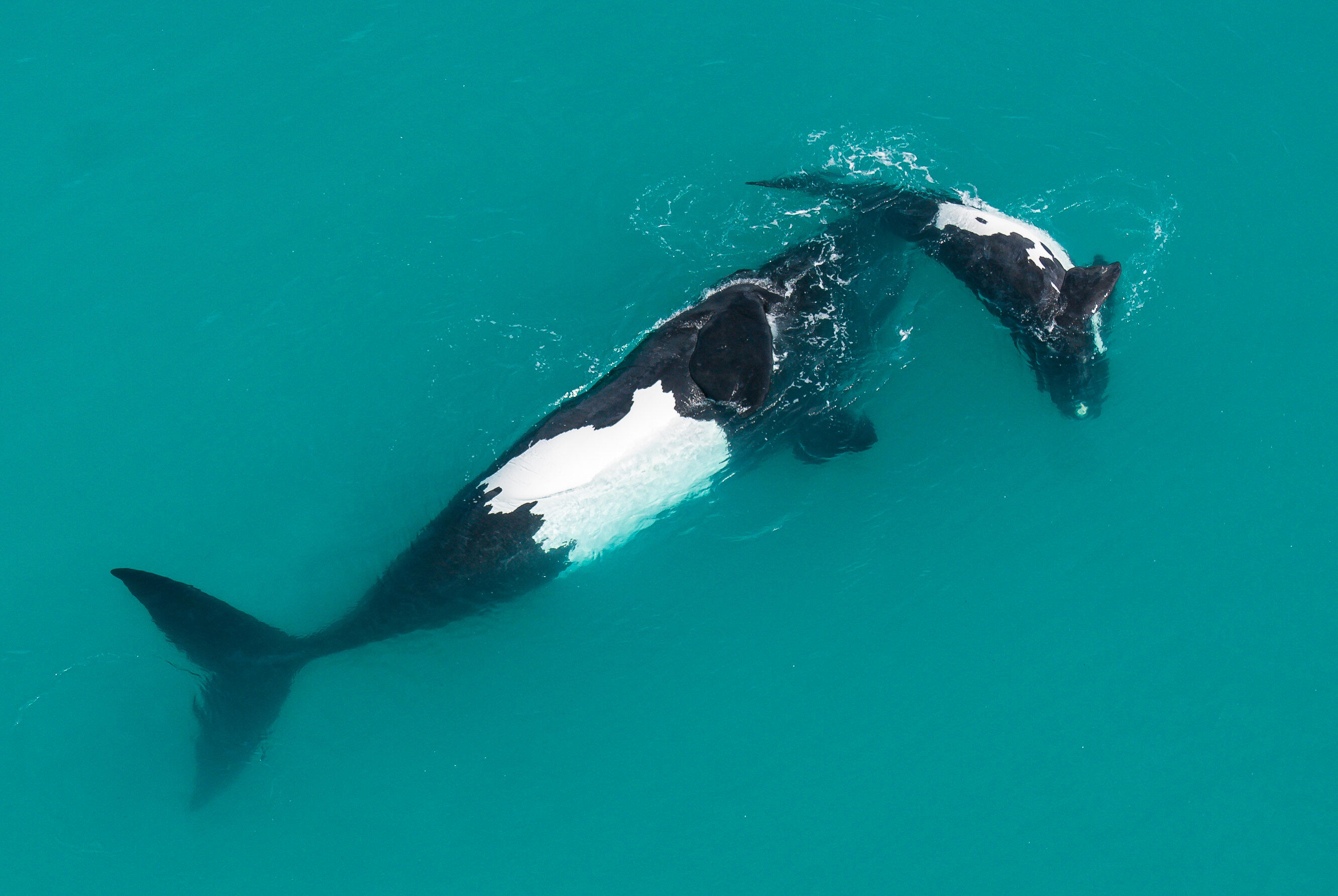
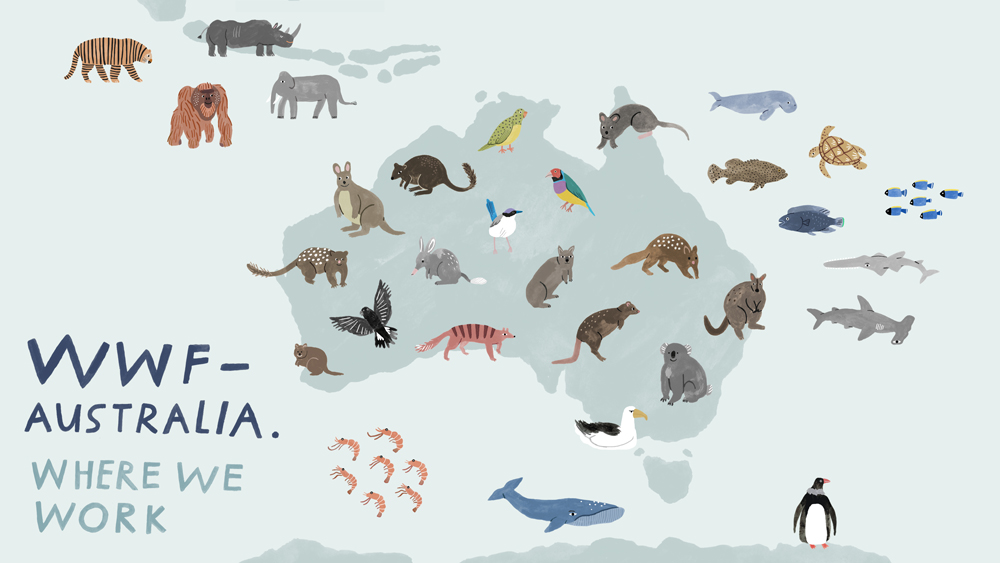
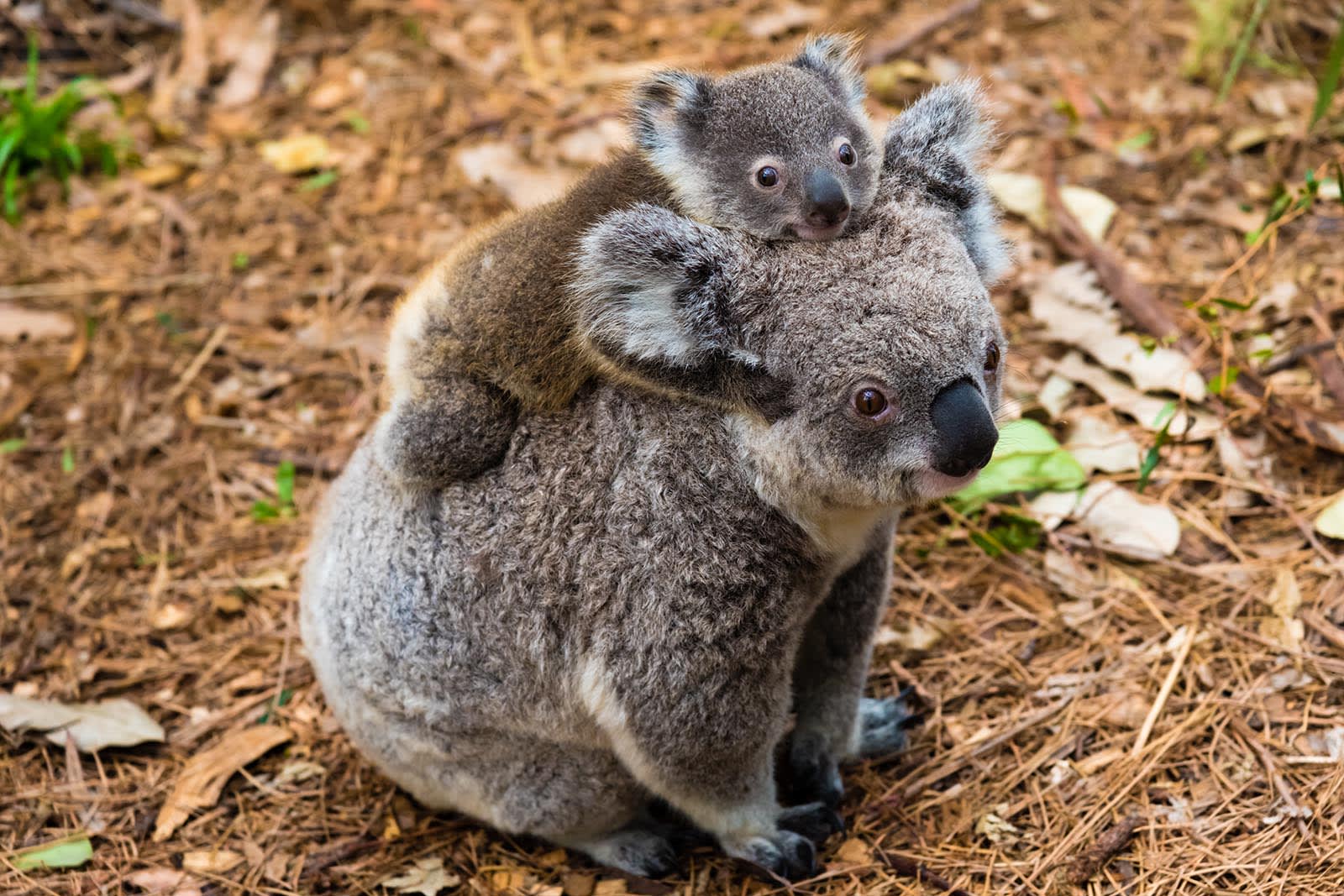
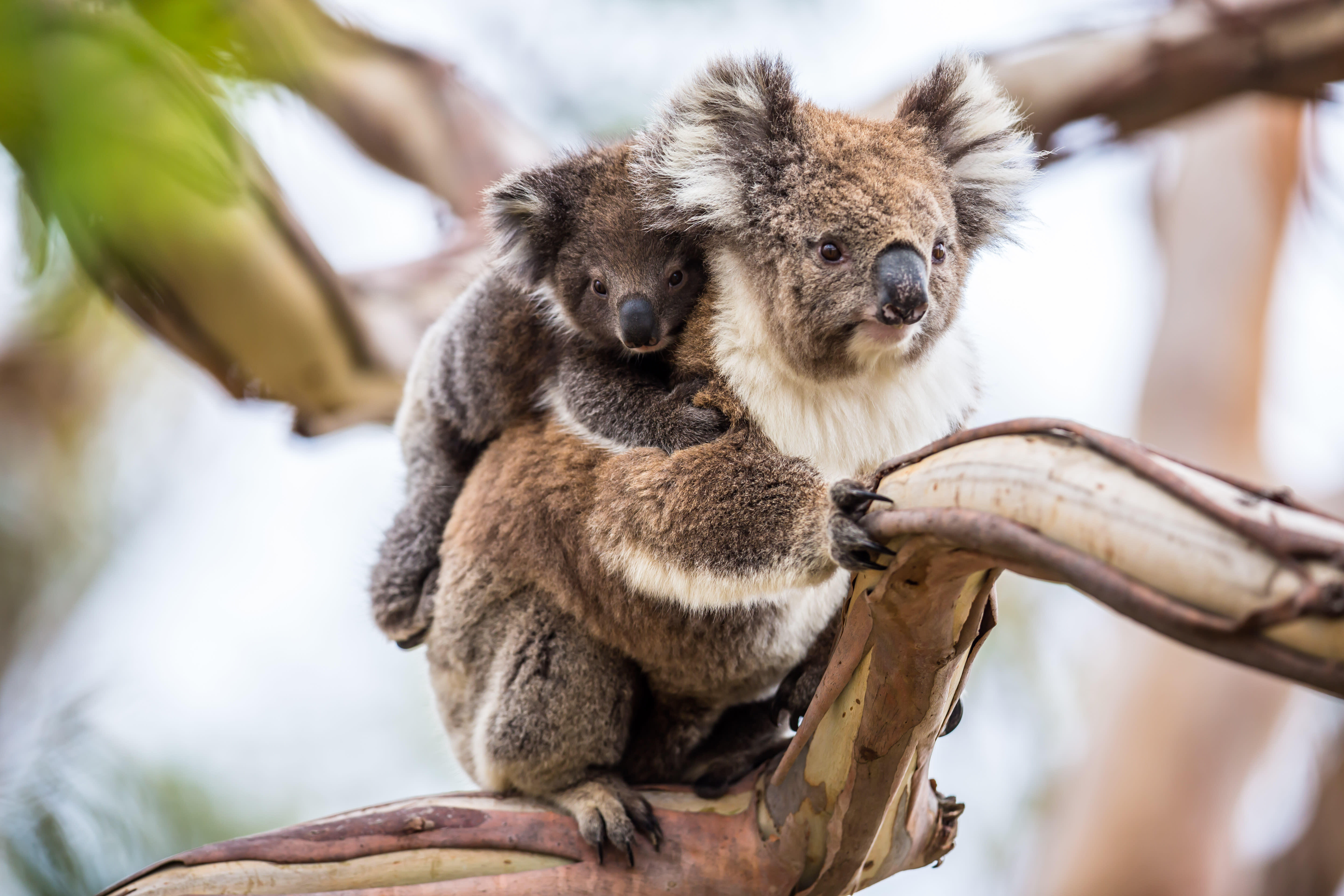
We have towering eucalypt forests, home to animals, including koalas and greater gliders. Intricate river systems, where platypus hide. Rugged ranges and red earth, where wallabies bounce. And then there are our magnificent beaches and seascapes, where marine turtles nest, and whales make their annual migration.
Our geographical isolation means many of these animals and plants have evolved over time and are unique to Australia.
Sadly, more than 570 of our native animals are at risk of being lost forever. Habitat destruction, invasive predators, inappropriate fires and the increasing impacts of a changing climate are pushing many of our precious wildlife to the brink of extinction. We’ve already lost more than 60 of our unique species.
WWF-Australia is working in partnership with Traditional Owners, communities, organisations, businesses, and individuals to protect threatened wildlife, restore their habitats, and turn the tide on the extinction crisis. This work is only possible thanks to our incredible supporters.
Together, we can Regenerate Nature and save our unique wildlife.
Saving our wildlife
Our boots on the ground
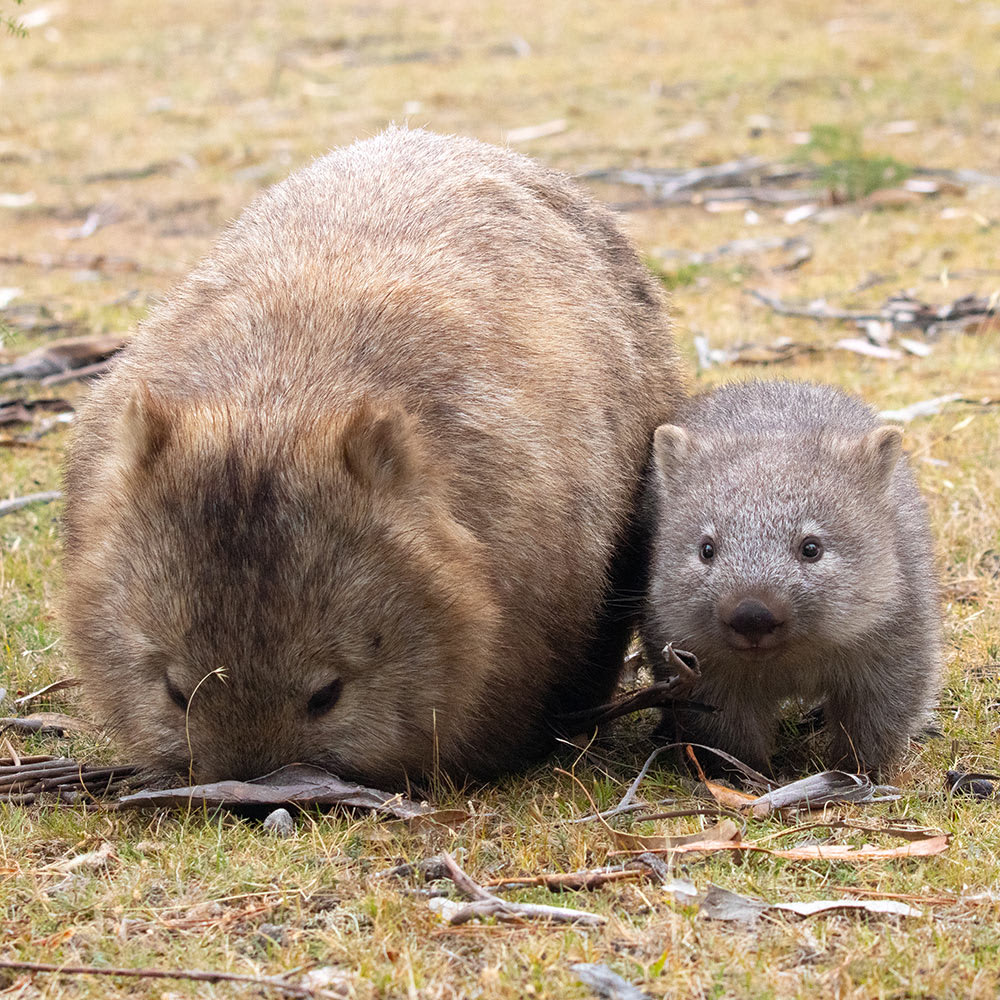
1. Bass Strait Island wombat (Bass Strait, Tasmania) - Working with the Tasmanian Aboriginal Centre to reintroduce Bass Strait Island wombat to lungtalanana, an Indigenous-owned island in the Bass Strait.
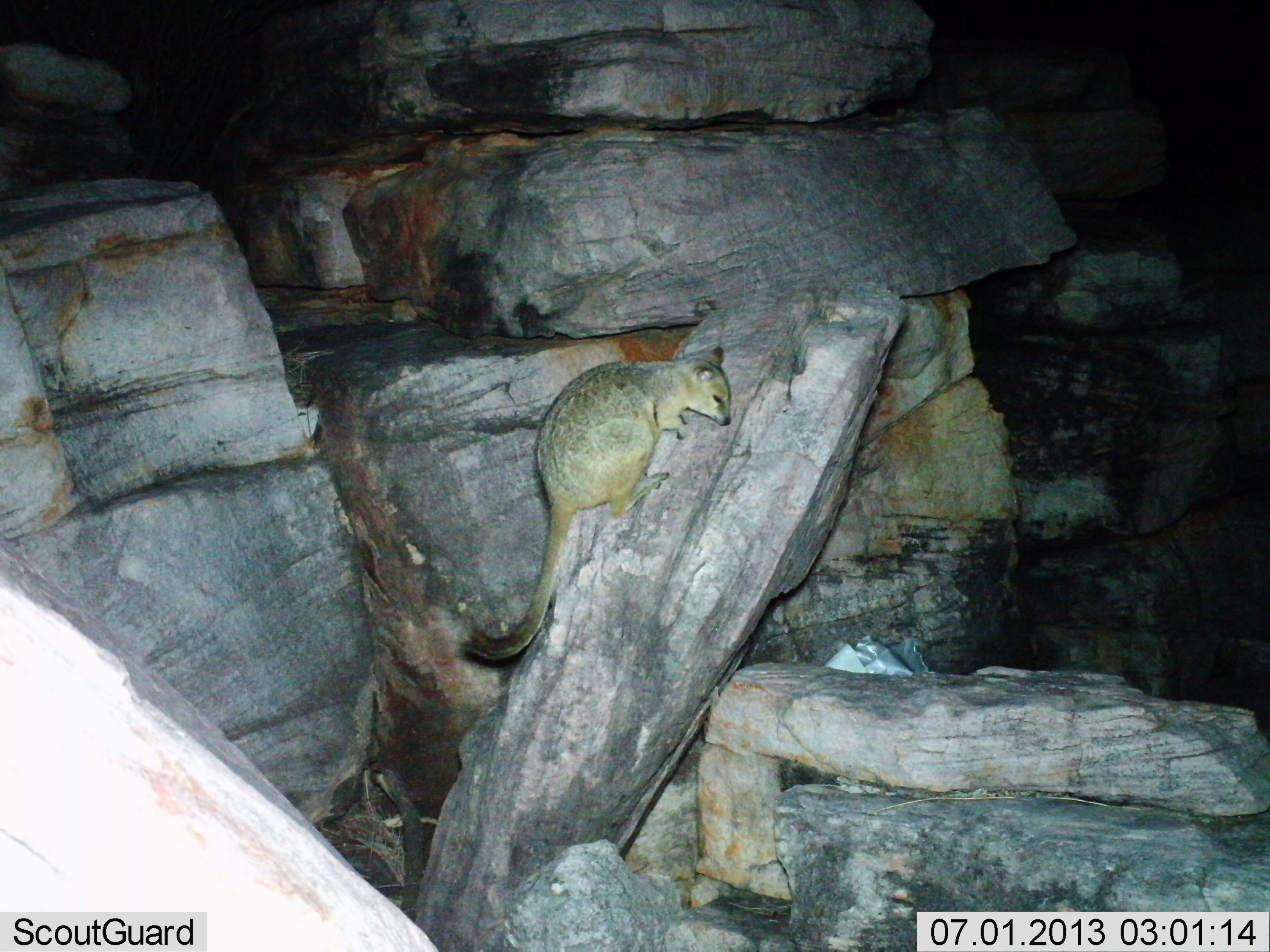
2. Black-footed rock-wallaby, wiliji (Nyikina Mangala Country, Kimberley region of Western Australia and southwest Western Australia) - Supporting the Nyikina Mangala Rangers in their work to reduce the threats to this species and conservation efforts to secure it in southwest WA.
3. Brush-tailed phascogale (Northern Kimberley, Western Australia) - Working with Indigenous ranger groups to identify a methodology that shows the biodiversity benefits of different burning regimes.
4. Dingo (northern New South Wales and northern Queensland) - Working with Indigenous ranger groups to monitor the dingo and collect stories on the importance of this species as the 'boss of Country'.
5. Eastern bettong (southeast Australia) - Reintroducing the eastern bettong to Yiraaldiya National Park as part of a multi-species reintroduction program to restore ecosystem processes to the landscape.
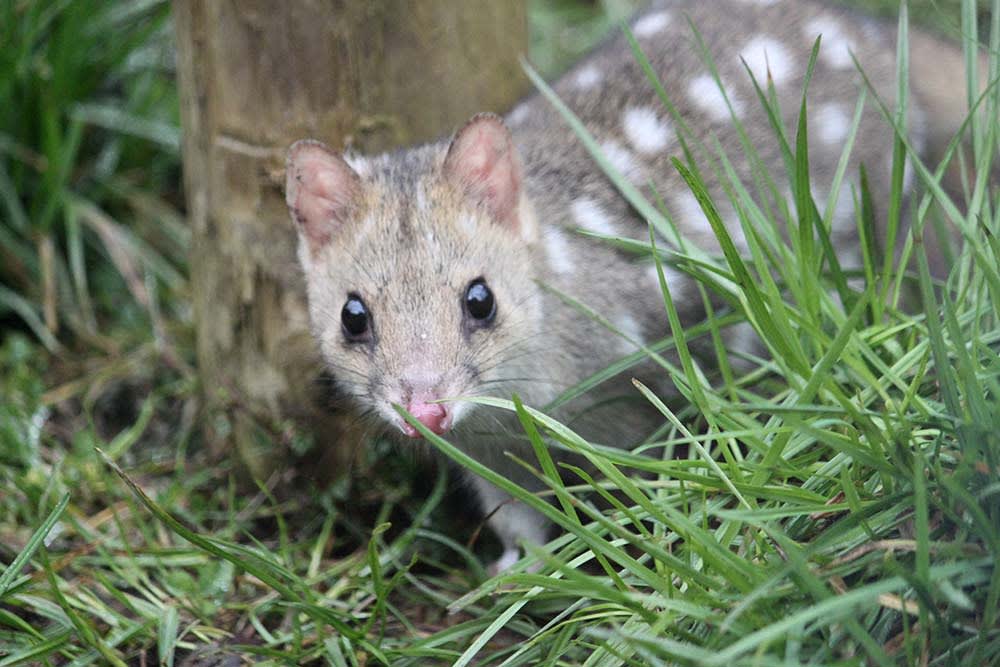
6. Eastern quoll (southeast Australia) - Reintroducing the eastern quoll to Booderee National Park and working with the Bherwerre Rangers to identify livelihood opportunities at Booderee.
7. Eastern quoll (Tasmania) - Working with partners to translocate eastern quolls raised in breeding programs to supplement wild populations.
8. Golden bandicoot (Northern Kimberley, Western Australia) - Working with Indigenous ranger groups to identify a methodology that shows the biodiversity benefits of different burning regimes.
9. Golden-backed tree-rat (Northern Kimberley, Western Australia) - Working with Indigenous ranger groups to identify a methodology that shows the biodiversity benefits of different burning regimes.
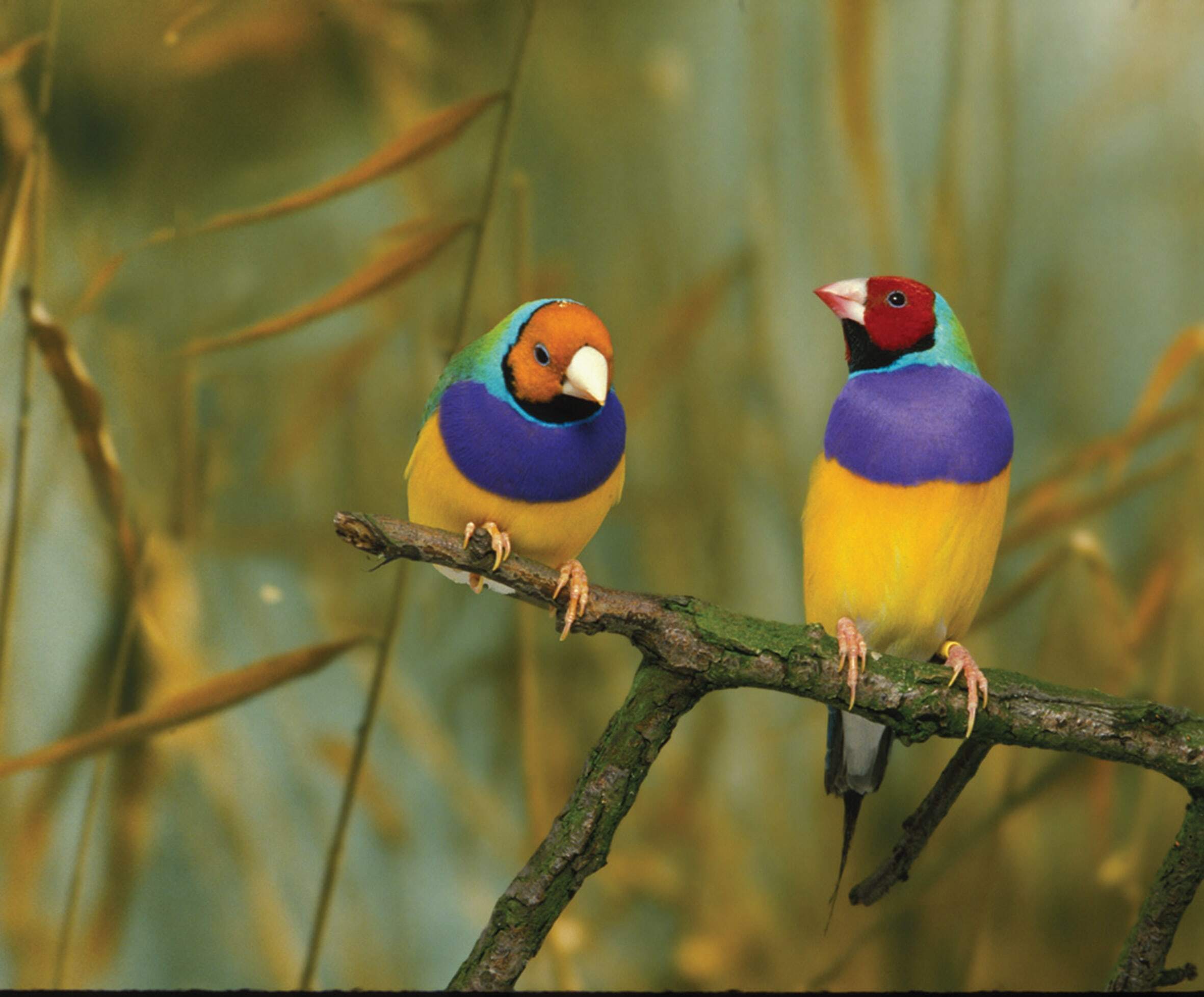
10. Gouldian finch (Northern Kimberley, Western Australia) - Working with Indigenous ranger groups to identify a methodology that shows the biodiversity benefits of different burning regimes.
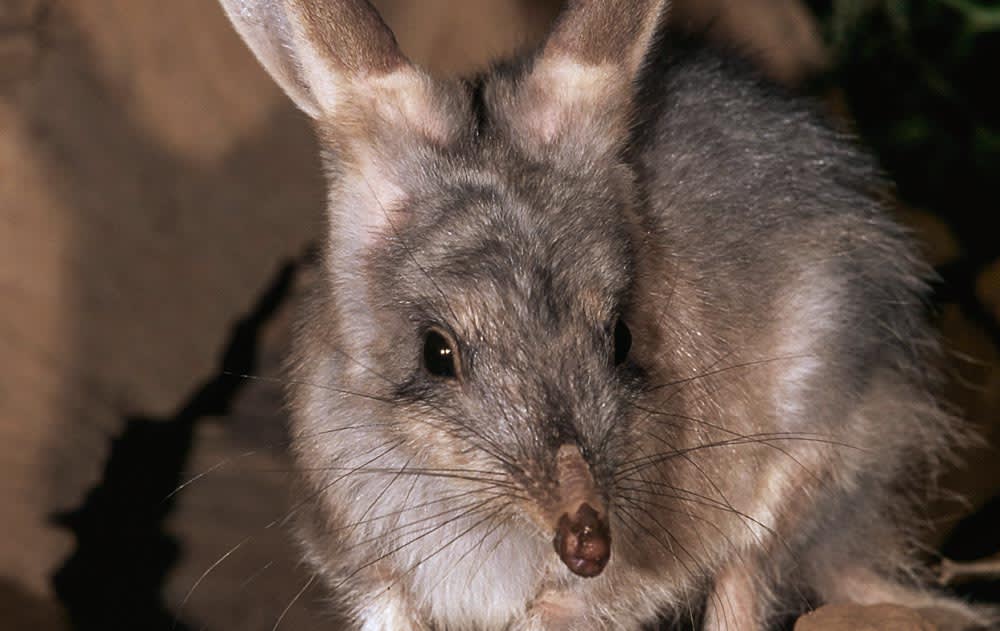
11. Greater bilby (Birriman-gan, Western Australia) - Partnering with three Indigenous ranger teams to survey a transitional area between the Pindan woodlands and Great Sandy Desert for culturally important and threatened mammal species.
12. Green turtle (Australia) - Climate adaptation project focused on filling critical knowledge gaps on turtle feminisation due to increasing sand temperatures. The team is now hoping to engage with Traditional Owners to make the methodology more accessible.
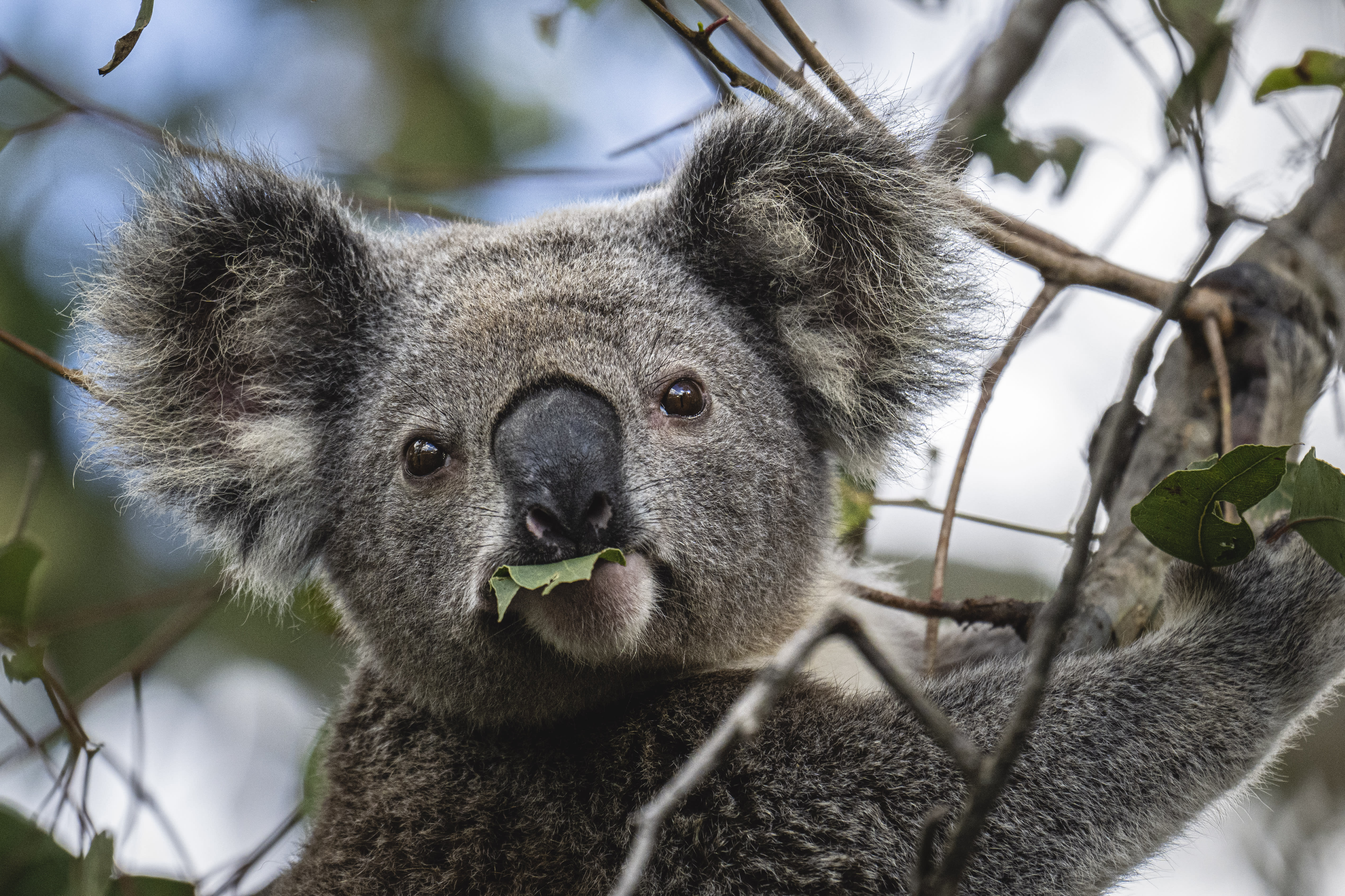
13. Koala (Currumbin, Queensland) - Improving the resilience of koalas in the wild against the Chlamydia infection through a vaccination program.
14. Koala (Minjerribah, Queensland) - Building the capacity of Quandamooka Yoolooburrabee Aboriginal Corporation (QYAC) Rangers to use drone and AI technology to improve knowledge and management of Minjerribah’s koalas as well as inform QYAC’s Traditional fire management practices and conservation work on Minjerribah.
15. Koala (Northern Rivers region, New South Wales) - Delivering koala habitat restoration and revegetation projects to reconnect koala habitats in over-cleared and burnt landscapes within the Northern Rivers region.
16. Koala (Northern Rivers, New England Tablelands and South Coast of New South Wales) - Working with Australian land managers, the program aims to restore 10,000 hectares of high-abundance koala habitat in eastern parts of Australia over the next 10 years.
17. Long-nosed potoroo (southeast Australia) - Reintroducing long-nosed potoroos to Booderee National Park and using eDNA analysis to understand the role these ecosystem engineers play in the landscape.
18. Mainland spectacled hare-wallaby (Birriman-gan, Western Australia) - Partnering with three Indigenous ranger teams to survey a transitional area between the Pindan woodlands and Great Sandy Desert for culturally important and threatened mammal species.
19. Monjon (North Kimberley, Western Australia) - Working with Indigenous ranger groups to identify a methodology that shows the biodiversity benefits of different burning regimes.
20. Nabarlek (North Kimberley, Western Australia) - Working with Indigenous ranger groups to identify a methodology that shows the biodiversity benefits of different burning regimes.
21. Northern brushtail possum (North Kimberley, Western Australia) - Working with Indigenous ranger groups to identify a methodology that shows the biodiversity benefits of different burning regimes.
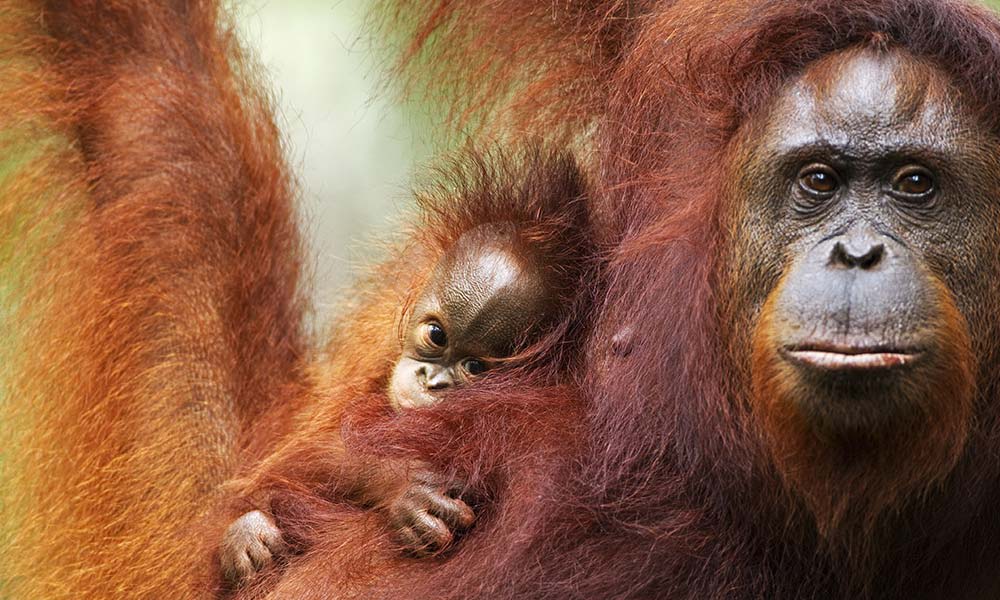
22. Orangutan (Katingan Corridor, Borneo) - Collaborating with local community and government partners to restore the degraded peatlands of Sebangau National Park in Indonesian Borneo.
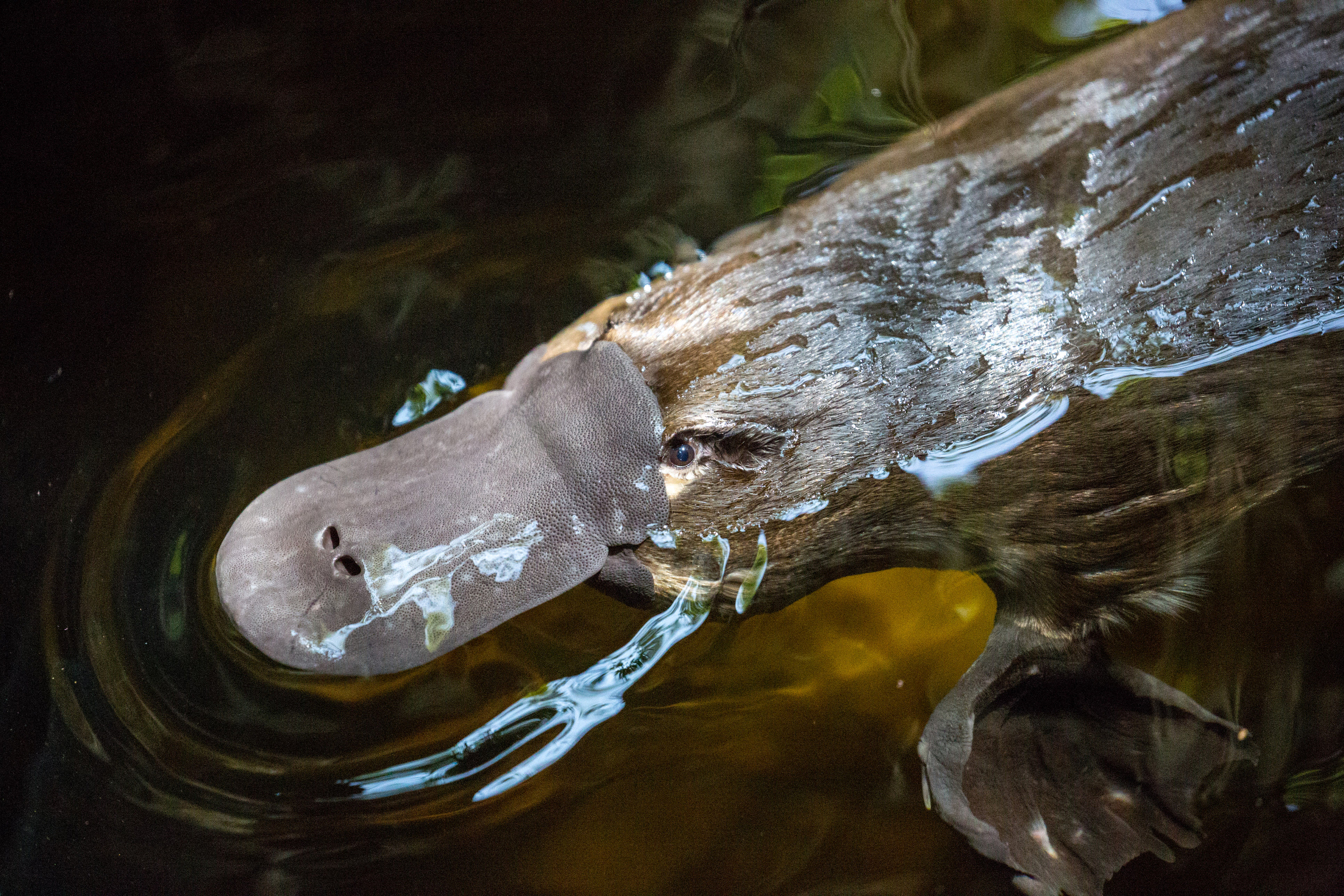
23. Platypus (Royal National Park, New South Wales) - Collaborating with UNSW's Platypus Conservation Initiative, Taronga Conservation Society Australia and NSW National Parks and Wildlife Service to rewild platypus populations to Sydney’s Royal National Park.
24. Purple-crowned fairy-wren (western) (North Kimberley, Western Australia) - Working with Indigenous ranger groups to identify a methodology that shows the biodiversity benefits of different burning regimes.
25. Southern brown bandicoot (Southeast Australia) - Translocating southern brown bandicoots to Booderee National Park and using eDNA analysis to understand the role these ecosystem engineers play in the landscape.
26. Southern cassowary (Northern Queensland) - Working with Wuthathi Women Rangers to monitor southern cassowary on Country.
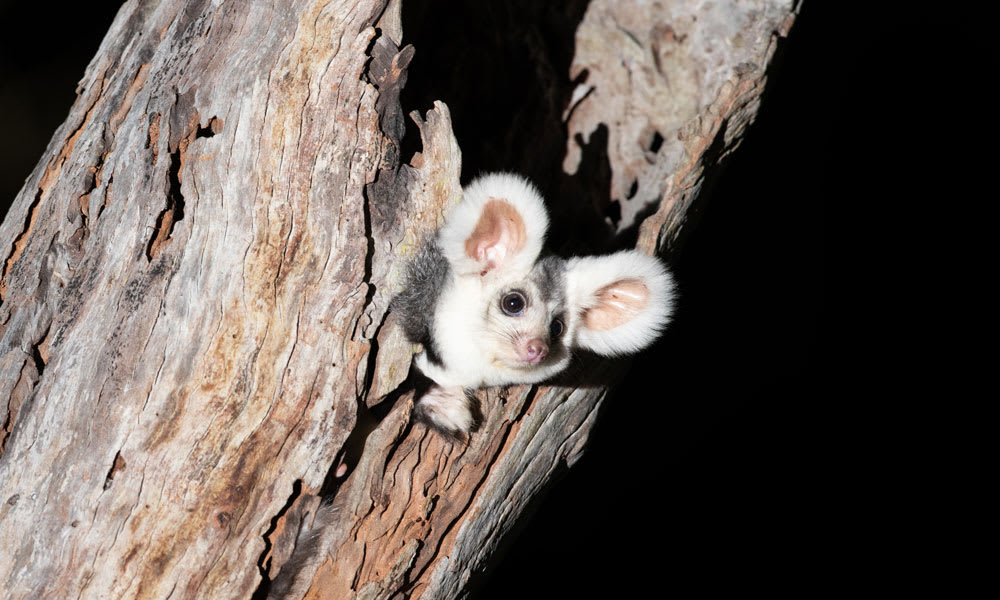
27. Southern greater glider (East Gippsland and Central Highlands, Victoria) – Working together with Australian National University and Greening Australia to design, test and install high-tech nest boxes in fire-affected forests in East Gippsland. WWF-Australia is also working to restore critical greater glider habitat and conducting home-range studies of the species in the region.
28. Southern greater glider (Tallaganda, New South Wales) - Working together with Australian National University and Greening Australia to design, test and install high-tech nest boxes in fire-affected forests in Tallaganda National Park.
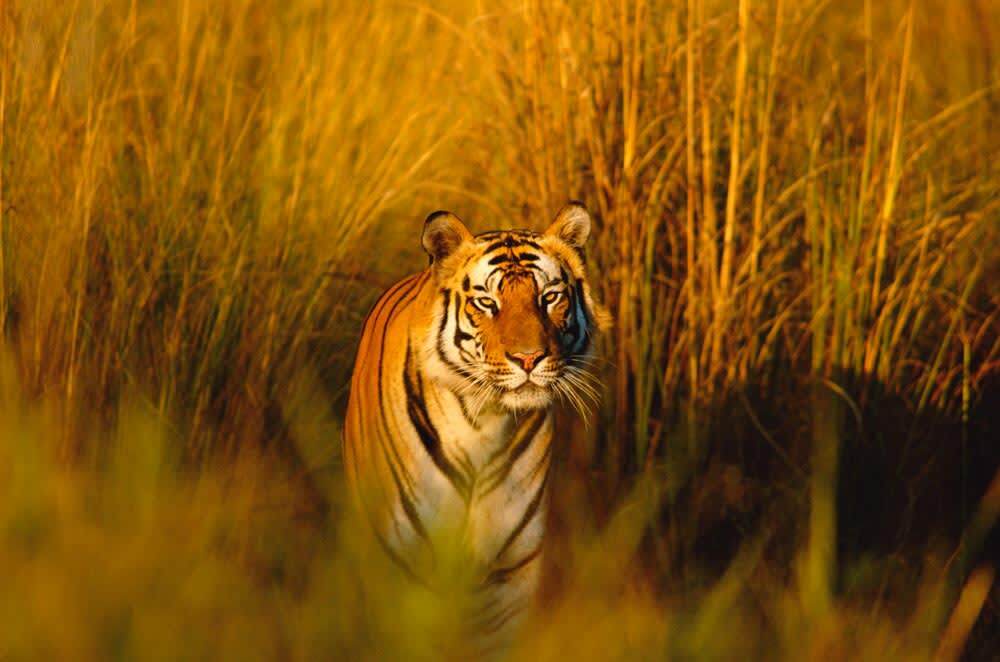
29. Tigers (Banke-Bardia Complex, Nepal) - Enhancing human-tiger coexistence through awareness campaigns and the construction of livestock corrals.
30. Tigers (Belum-Temengor Forest Complex, Malaysia) - Conducting anti-poaching patrols and monitoring of tigers and prey species populations.
31. Tigers (Bhutan & Nepal) - Working with protected area managers to ensure that protected areas are managed to ensure tiger recovery.
32. Tigers (Dawna Tenasserim, Thailand) - Securing tiger habitat and maintaining connectivity through protected area designation and the recognition of Other effective conservation measures (OECMs).
33. Tigers (Terai Arc & Karbi Anglong, India) - Ensuring habitat integrity and connectivity across the landscape for key wildlife populations while providing alternate livelihood options for local communities within an enabling policy and institutional environment.
34. Western swamp turtle or western swamp tortoise (southwest Western Australia) - In collaboration with UWA, DBCA and Perth Zoo, this project aims to enhance global heating resilience of western swamp turtles through targeted assisted migration into climate-stable swamps, and trialling new monitoring methods to enhance understanding of post-translocation survival and movements.
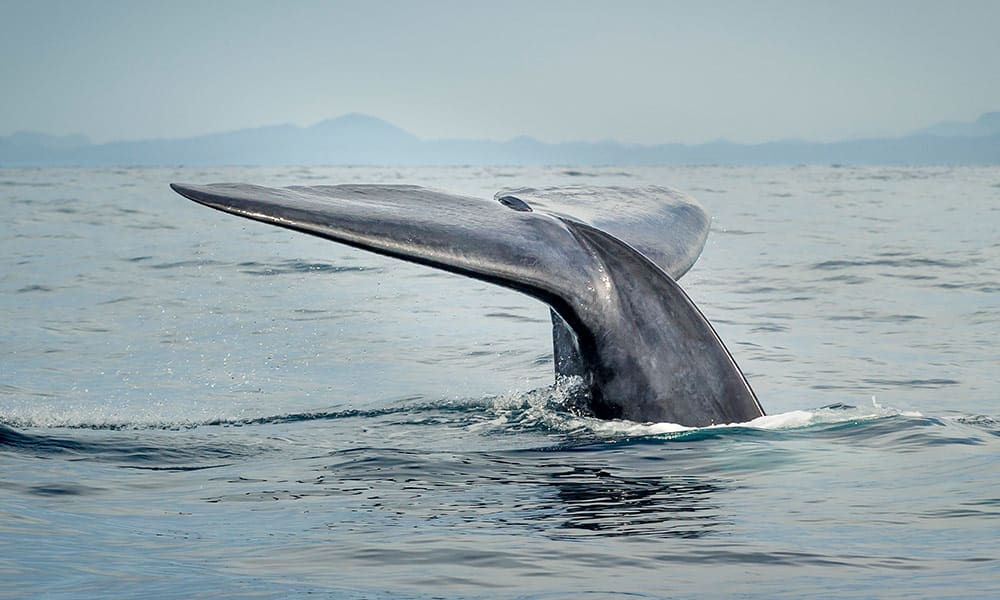
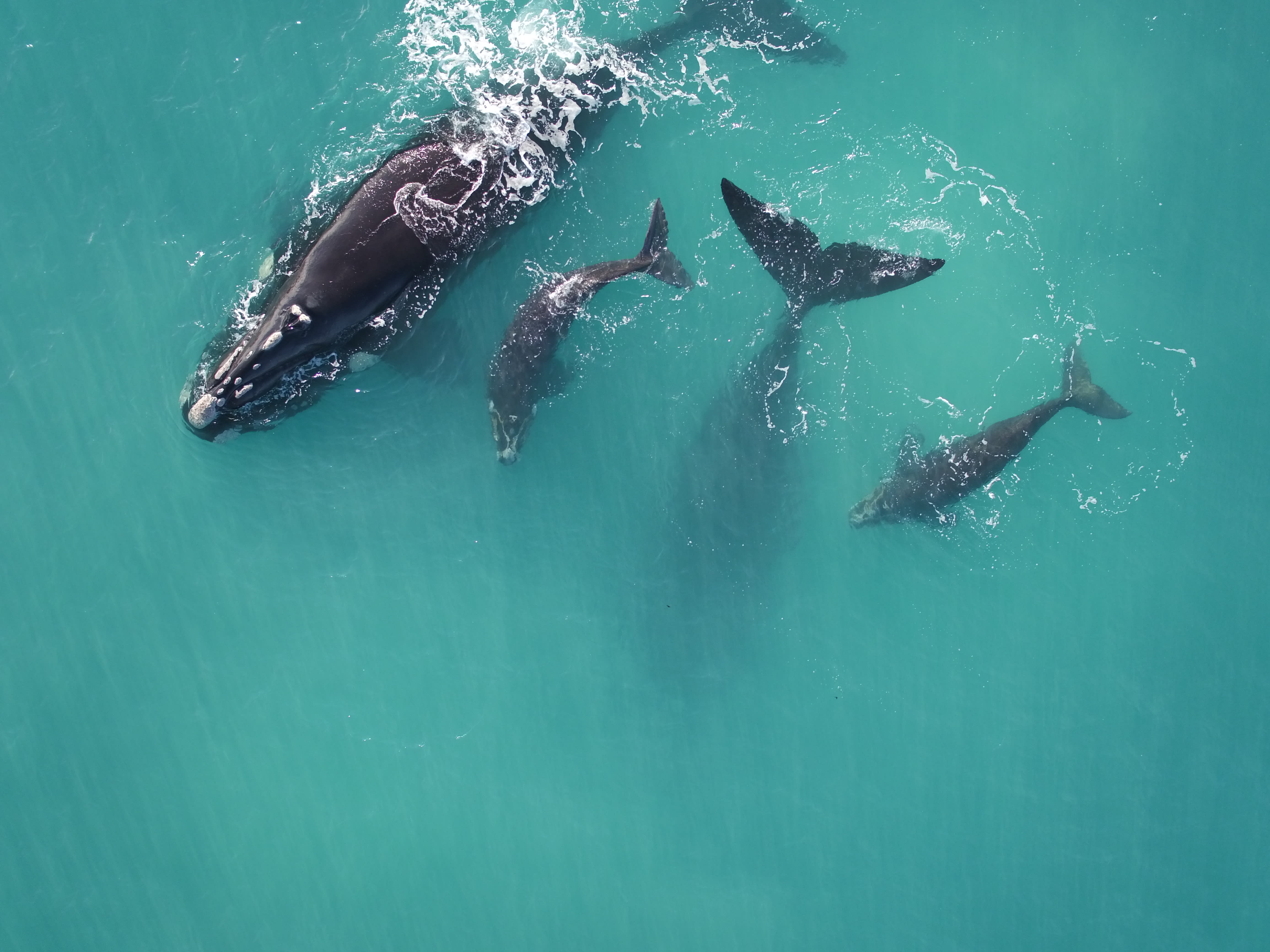
35. Whales (Southern hemisphere) - Working with our neighbours in the Asia-Pacific region to support global goals of protecting 30% of our oceans by 2030 and securing critical ocean habitats for whales and other marine species.
Meet some more Australian wildlife
Australia has the worst mammal extinction rate in the world
Over 30 million years of geographical isolation have created animals and plants unique to Australia. However, this rich biological diversity has seriously declined since European settlement. 39 Australian mammals have become extinct over the past 200 years.
In the land of the kangaroo, the platypus and the koala, our mammals are the most distinctive in the world. 86% can’t be found anywhere else.
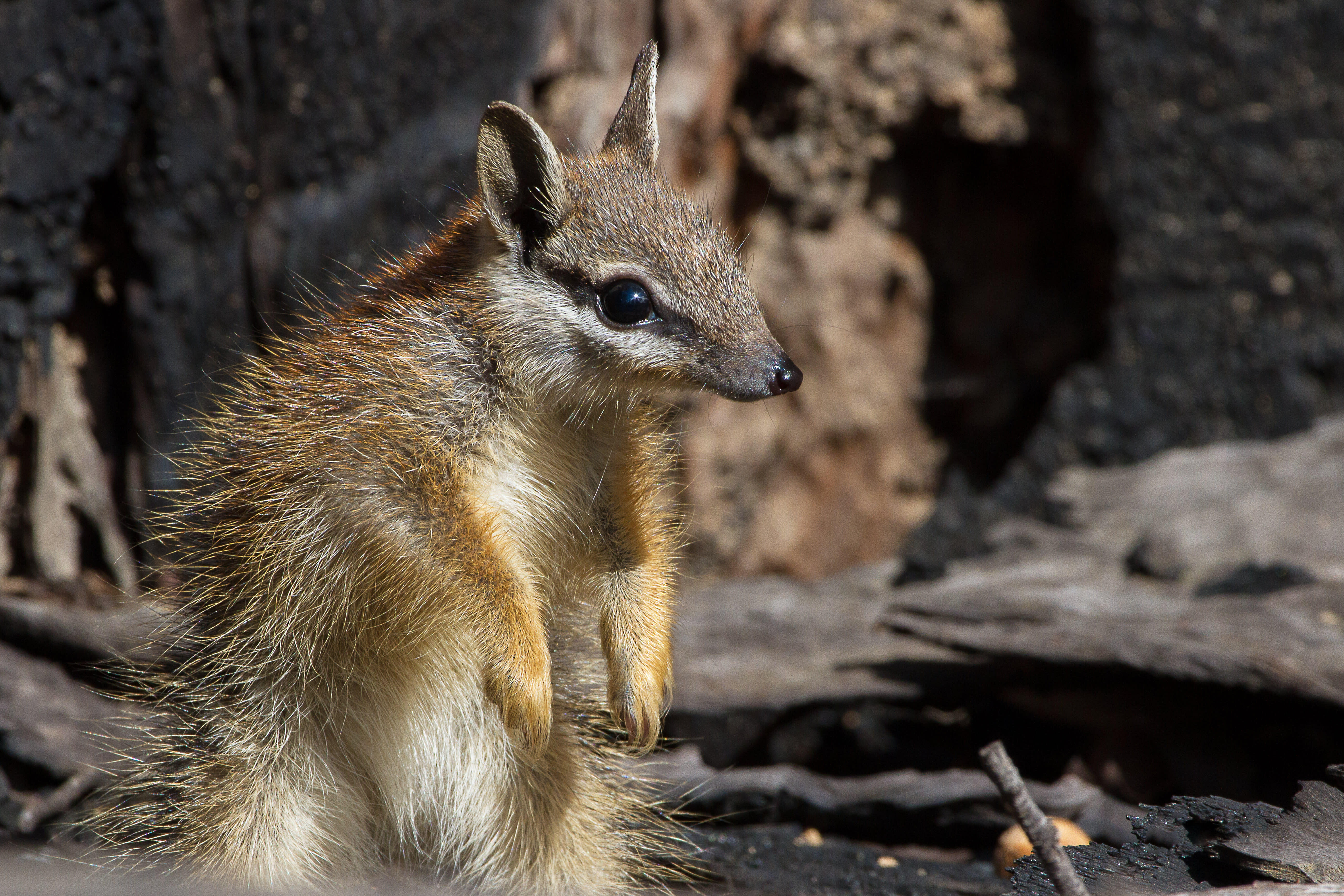
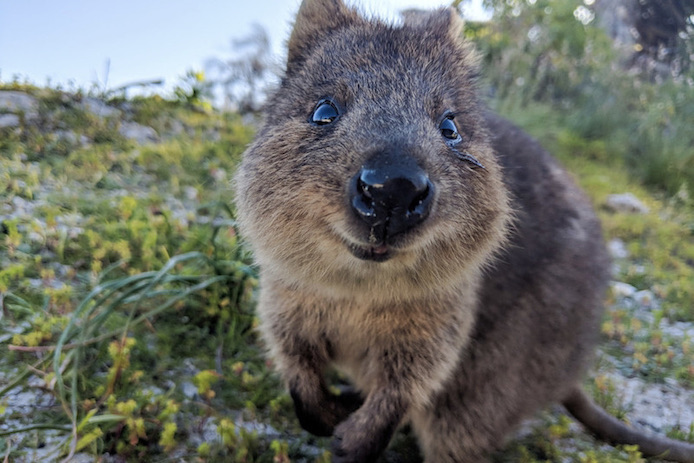
But our mammal population is dwindling. The main wildlife in danger of extinction or decline are those that fall in a critical weight range - 35 to 5,500 grams. Threatened animals in this range include woylies, numbats, bandicoots, bilbies, quokkas, quolls and rock-wallabies, which are particularly vulnerable to predators, including feral cats and foxes.
Threats
What WWF is doing
Regenerative Country is our program to protect and recover species and habitats on Country. We aim to transform Australia from a deforestation to a reforestation nation and work with communities to protect and regenerate vital landscapes and species, both here and abroad.
What you can do to help wildlife
This form could not be loaded. Please check the configured form URL.