Skip to content
A stock image of solar panels in a rural setting. Green hills in background with renewable energy solar panels in the foreground.
Solar panels. © Shutterstock / Eenevski / WWF
Accelerating Climate Action Across our Region

A healthy climate underpins life on Earth, but climate change is already affecting communities, livelihoods and ecosystems across our region. From rising sea levels in the Pacific to more frequent floods, droughts and bushfires, the greatest impacts are often felt by the people who have contributed least to the problem. Limiting global warming to 1.5°C remains critical to avoiding the worst impacts of climate change and protecting the people, wildlife and places we love.

Across Australia and the Asia-Pacific region, WWF-Australia helped turn climate ambition into action. Together with communities, partners and supporters, we helped build confidence in renewable energy, strengthen indigenous leadership and support nature-based solutions that are helping people and nature thrive. 

Building confidence in a renewable future

Australia's transition away from fossil fuels gathered pace in 2025, with renewable energy supplying more than half of the nation's electricity for the first time in December. This milestone highlights the growing role of clean energy in powering Australia's future.

WWF-Australia helped build support for a renewable future that works for people and nature. Through the Future Made With Australia program, we produced evidence-based reports and brought together government, industry and community to discuss Australia's energy future. This work demonstrated how renewable energy can strengthen Australia’s economy, improve energy security, support regional communities and position Australia as a leader in the clean energy transition.

As Australia accelerated its shift to renewable energy, WWF-Australia continued advocating for policies that protect wildlife and ecosystems while reducing reliance on fossil fuels. Advocacy for a strong, science-based 2035 emissions reduction target helped lift national climate ambition and contributed to the Australian Government's proposed target range of 62–70%. WWF-Australia will continue advocating for the upper end of that ambition through a faster transition to renewable energy that benefits people, nature and regional communities.

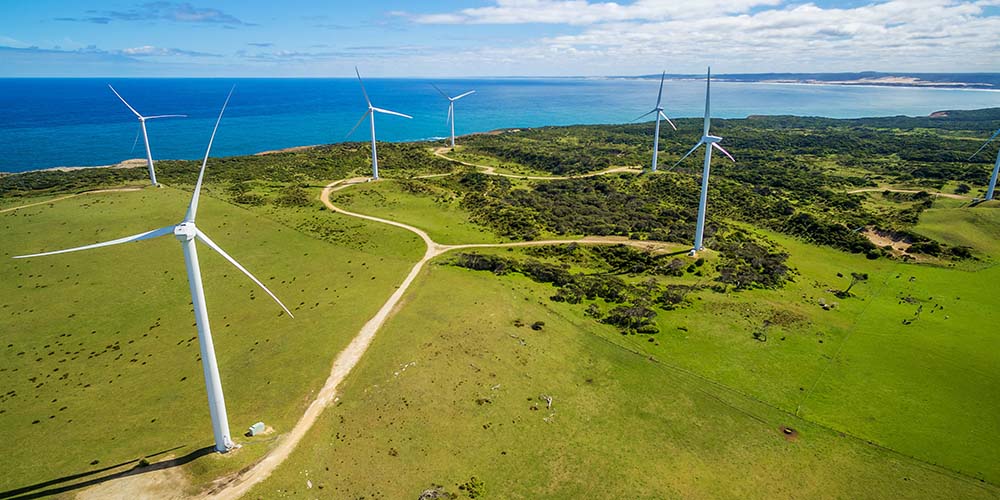
Aerial view of wind farm in rural area on bright sunny day in Australia. © Greg Brave - stock.adobe.com
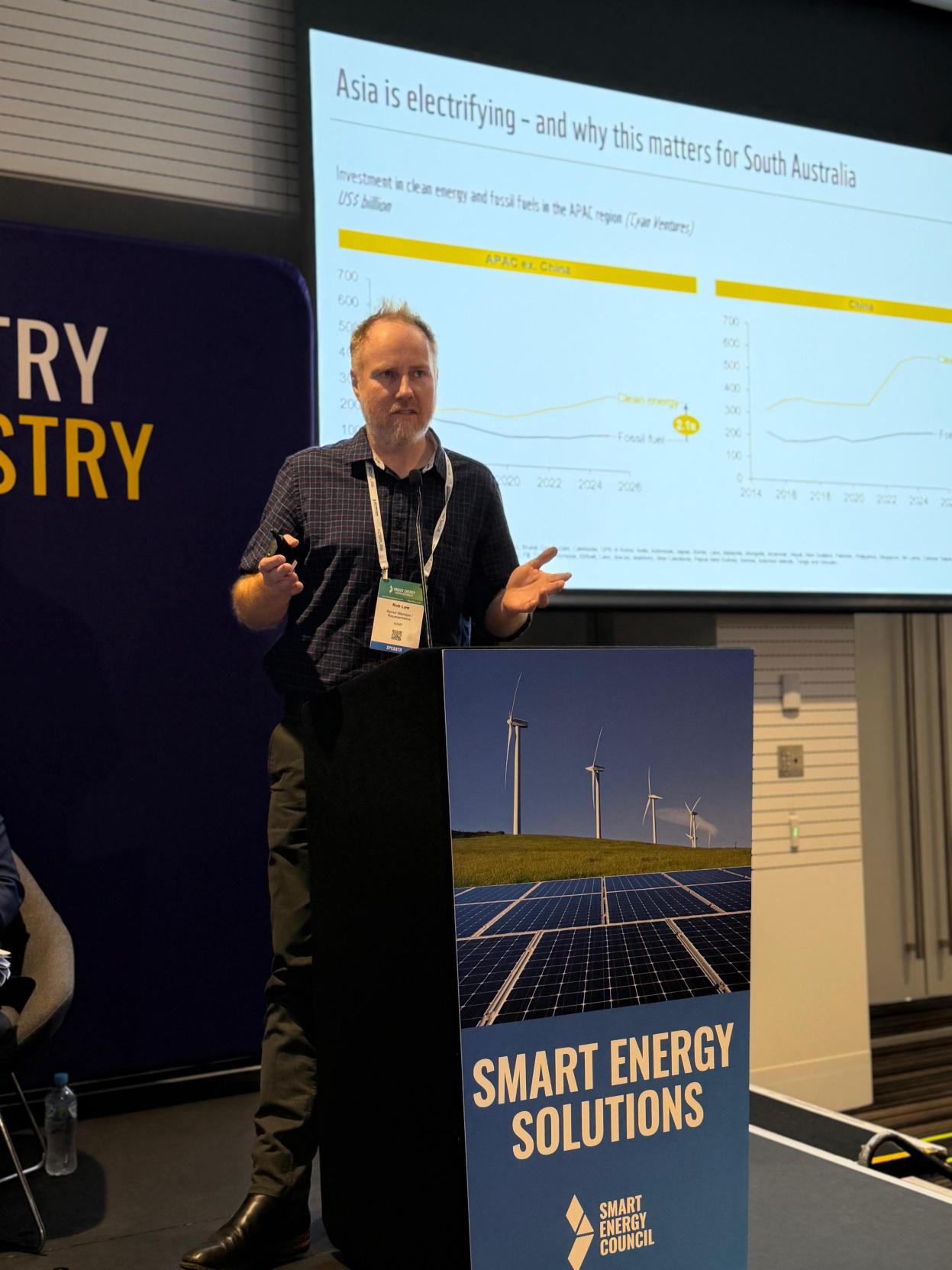
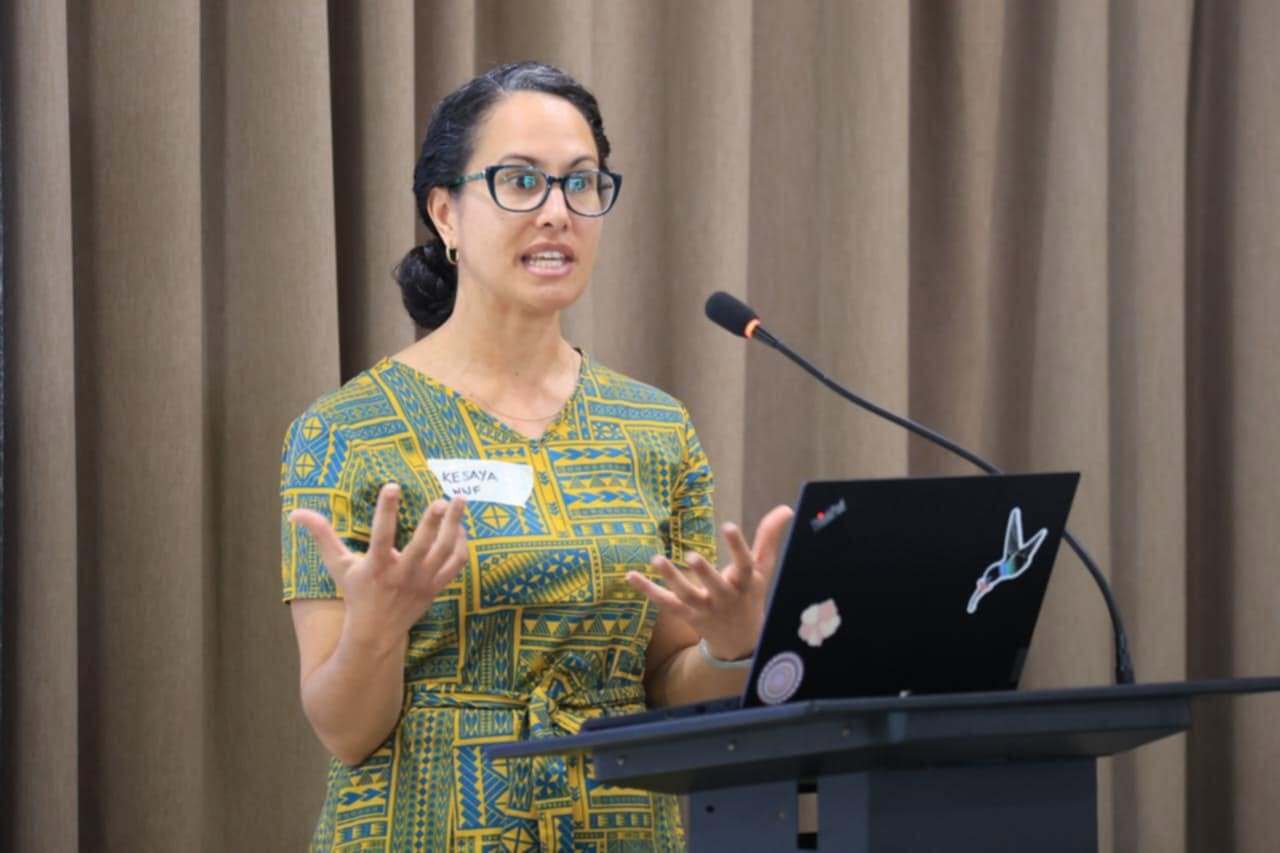
A Wwf-Australia staff memeber speaks at a climate and energy event. © WWF-Australia
© WWF-Australia

Indigenous-led climate action

Across Oceania, rising sea levels, stronger storms and changing weather patterns are already affecting communities, livelihoods and cultural connections to land and sea. As Australia and Pacific nations are playing a leading role in COP31, the United Nations climate conference, it is critical that the people living with these impacts help shape the solutions.

Ahead of COP31, indigenous and community leaders from across Oceania came together to share priorities and strengthen regional collaboration on climate action. At the third Oceania First Voices Forum in Fiji, 20 leaders developed shared priorities and pathways for engaging in key climate decision-making processes. WWF also supported indigenous leaders to participate in the Pacific Climate Summit and COP30 in Brazil, helping elevate community perspectives in regional and international climate discussions.

As momentum builds towards COP31, these efforts are helping ensure climate solutions are informed by local knowledge, lived experience and indigenous leadership, while elevating the voices of Oceania's communities in shaping the region's climate future.

A WWF Pacific representative speaks at an event. © WWF-Pacific
© WWF Pacific
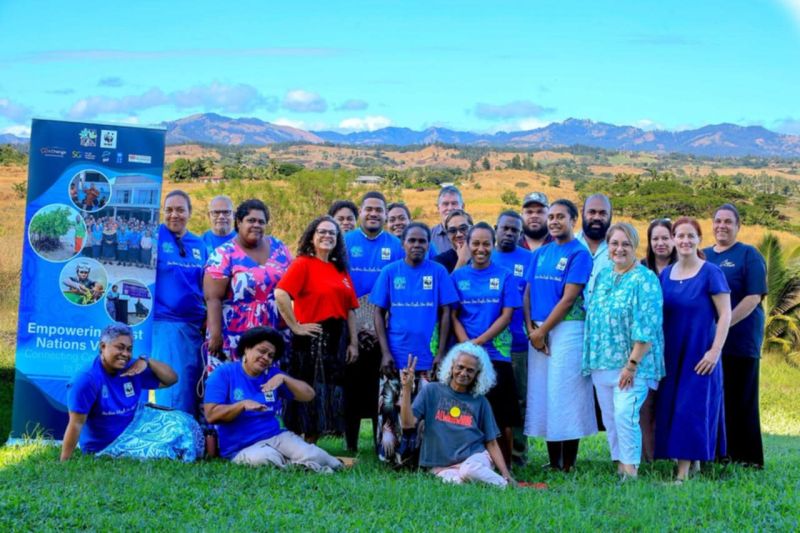
A group photo of people from WWF Pacific in a grass landscape with mountains in the background. © WWF-Pacific
© WWF-Pacific

Restoring wetlands and strengthening livelihoods in Viet Nam

Climate Resilient by Nature is an Australian Government initiative in partnership with WWF-Australia, supporting nature-based solutions to climate change in the Indo-Pacific. Across ten countries, the first phase of the program demonstrated how working with nature can strengthen livelihoods, restore ecosystems and help communities adapt to a changing climate.

In Viet Nam's Mekong Delta, this approach helped communities revive traditional flood-based farming practices that work with seasonal floods rather than against them.

As water returned to the landscape, wetlands began to recover. Floating rice systems retained more than 17 times more water than conventional rice farming while supporting richer habitat for fish, birds and other wildlife.

Farmers also benefited. Floating rice sold for around three times the price of conventional rice while requiring fewer inputs and less labour. By working with nature, communities are restoring wetlands, strengthening livelihoods and building resilience to a changing climate.

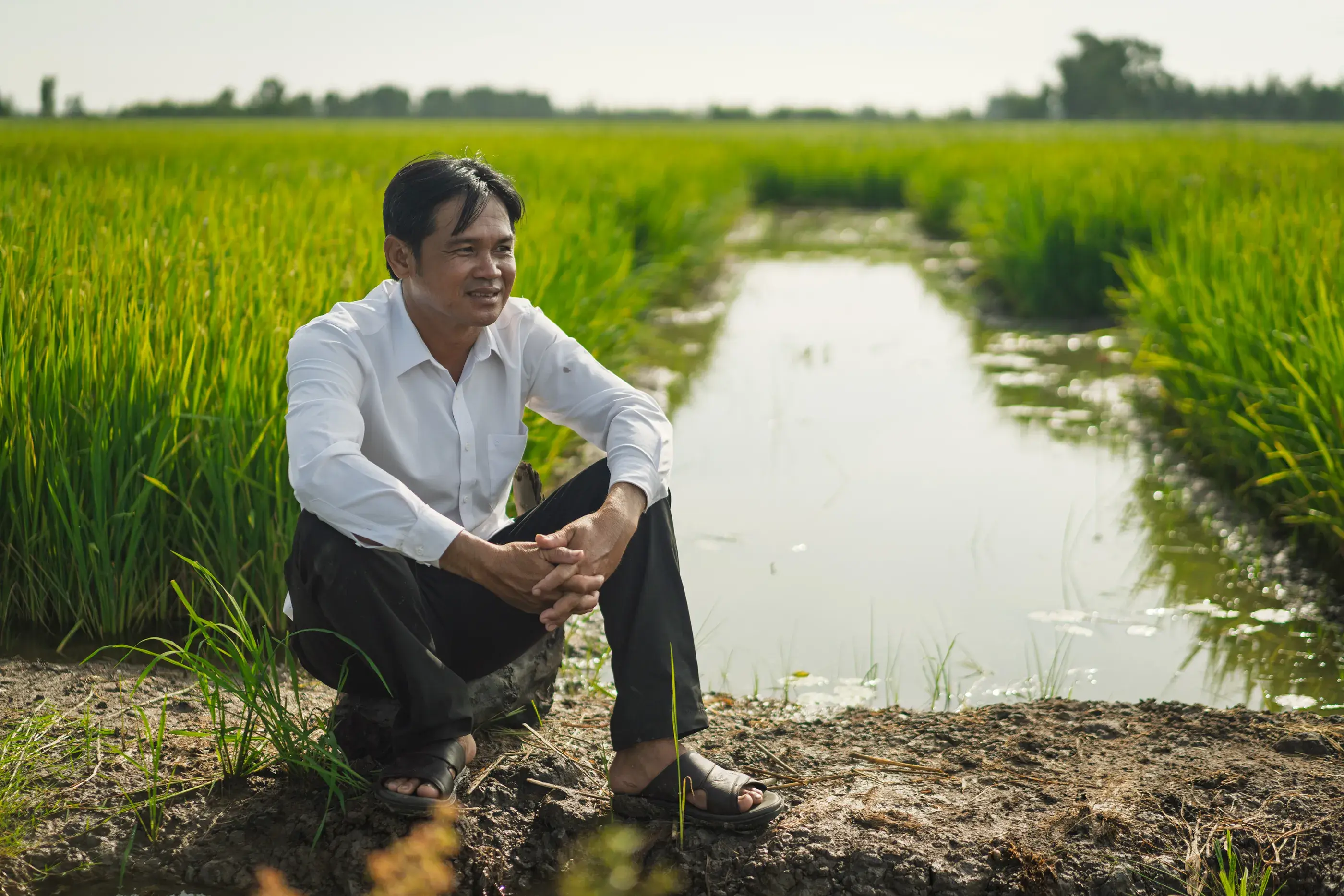
Dien, a local farmer supported by CRxN Mekong Viet Nam sits in a rice field with water in the background. © WWF-Viet Nam
Dien, a local farmer supported by CRxN Mekong, Viet Nam. © WWF-Viet Nam
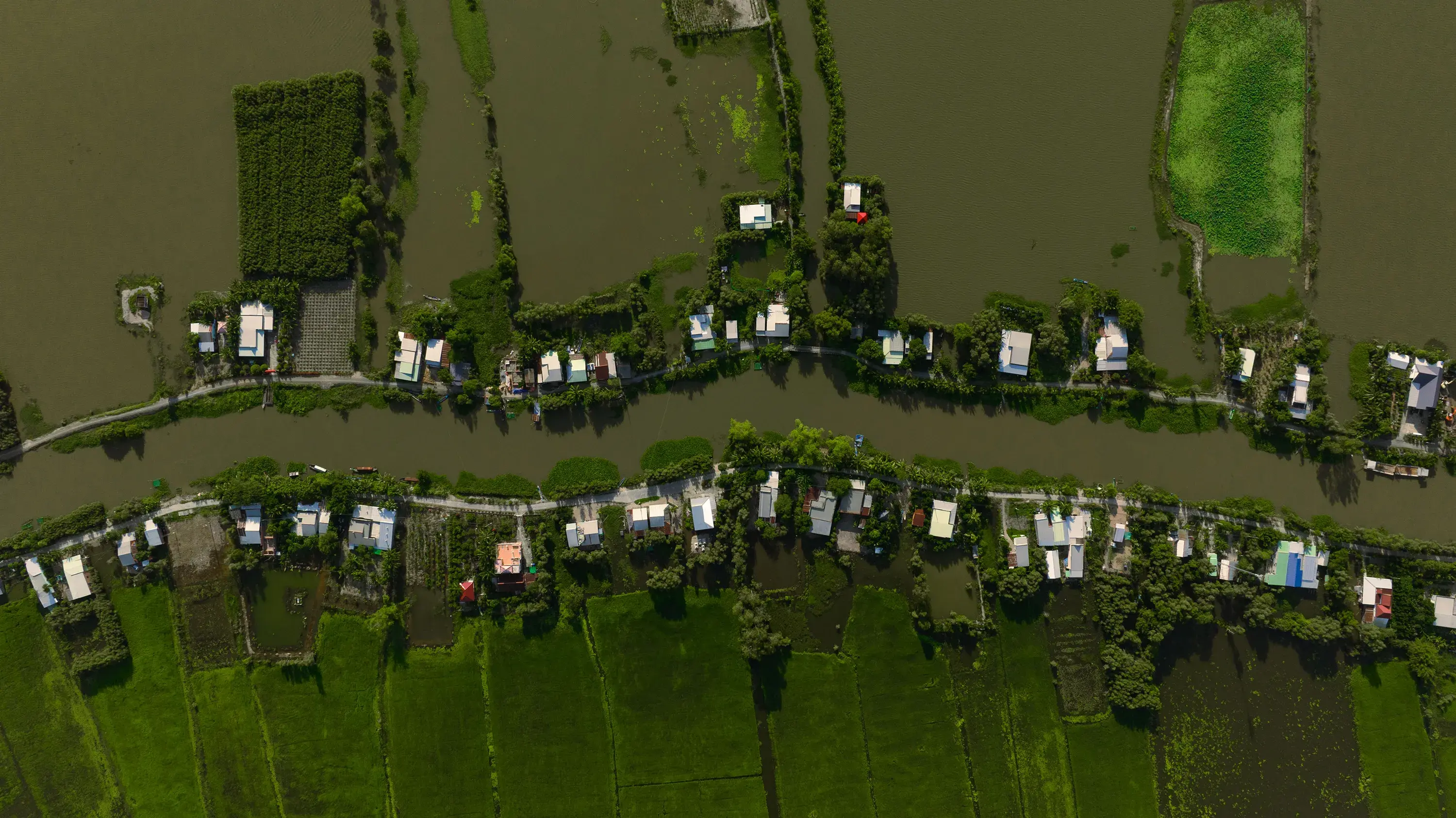
Aerial view of floating rice fields during the flooding season, Mekong Delta, Viet Nam. © WWF-Viet Nam / Cham Team
Floating rice fields during the flooding season, Mekong Delta, Viet Nam. © WWF-Viet Nam / Cham Team

Impact Snapshot

Reducing emissions, strengthening climate resilience and supporting community-led solutions are critical to creating a safer future for people and nature. Key 2025-26 achievements included:
  • 62- 70% emissions reduction target announced by the Australian Government for 2035, with WWF continuing to advocate for the upper end of that ambition through a faster transition from fossil fuels to renewable energy.
  • 20 indigenous leaders came together through the Oceania First Voices Forum to strengthen climate advocacy ahead of COP31.
  • 10 Oceania First Voices leaders participated in the Pacific Climate Summit, strengthening regional climate advocacy.
  • 3 indigenous leaders were supported to participate in COP30, bringing community perspectives into global climate discussions.
  • Floating rice systems in Viet Nam retained more than 17 times more water than conventional rice farming, helping restore wetlands and strengthen climate resilience.
  • Farmers adopting floating rice systems earned around three times the price of conventional rice, while reducing inputs and labour.
  • In Viet Nam, 108 women accessed loans through a revolving fund, with more than 80% reporting increased income from flood-season livelihood activities. 
Loading form…