Skip to content
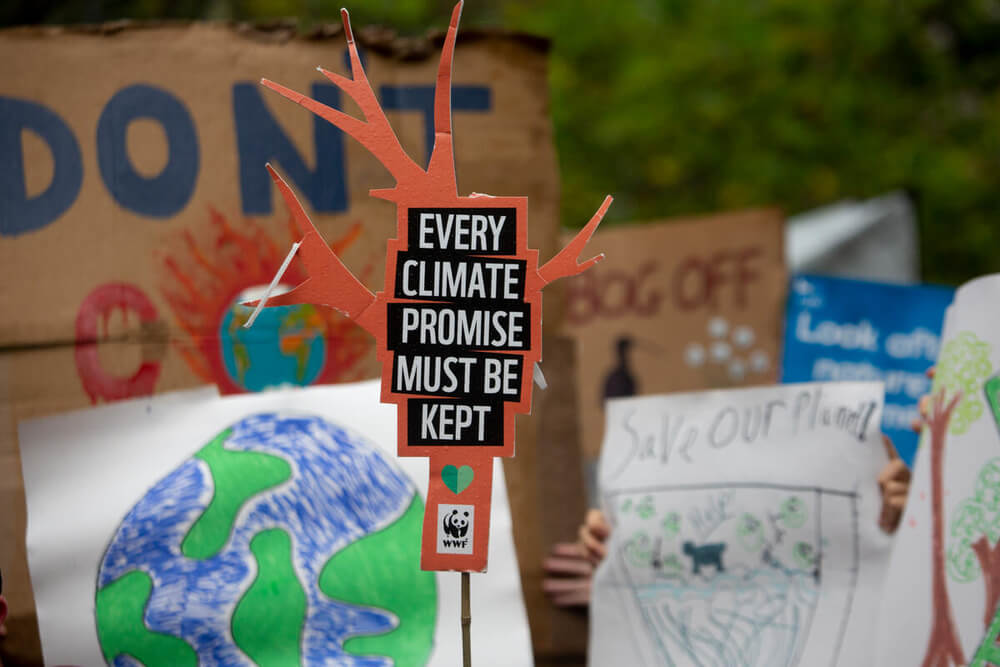
WWF Supporters take part in the Global Day of Action for Climate Justice march through Glasgow during COP26 in 2021
© David Bebber / WWF-UK

COP31: Australia and the Pacific’s moment for climate action

The Conference of the Parties (COP) is a crucial global gathering where nations come together to tackle the climate crisis, set ambitious targets, and drive meaningful action.

Türkiye will host COP31 while Australia will serve as President of Negotiations, following the successful Pacific hosted pre-COP event.

Australia has an important opportunity to work alongside Pacific nations and others to help drive global agreement and real progress on climate action. COP31 must accelerate the transition away from fossil fuels, embrace clean energy, and ensure Pacific and First Nations leadership and solutions help shape the global response to the climate crisis.

WWF-Australia will work with WWF-Türkiye, WWF-Pacific and the wider WWF network to help ensure COP31 delivers meaningful outcomes for people, nature and climate.

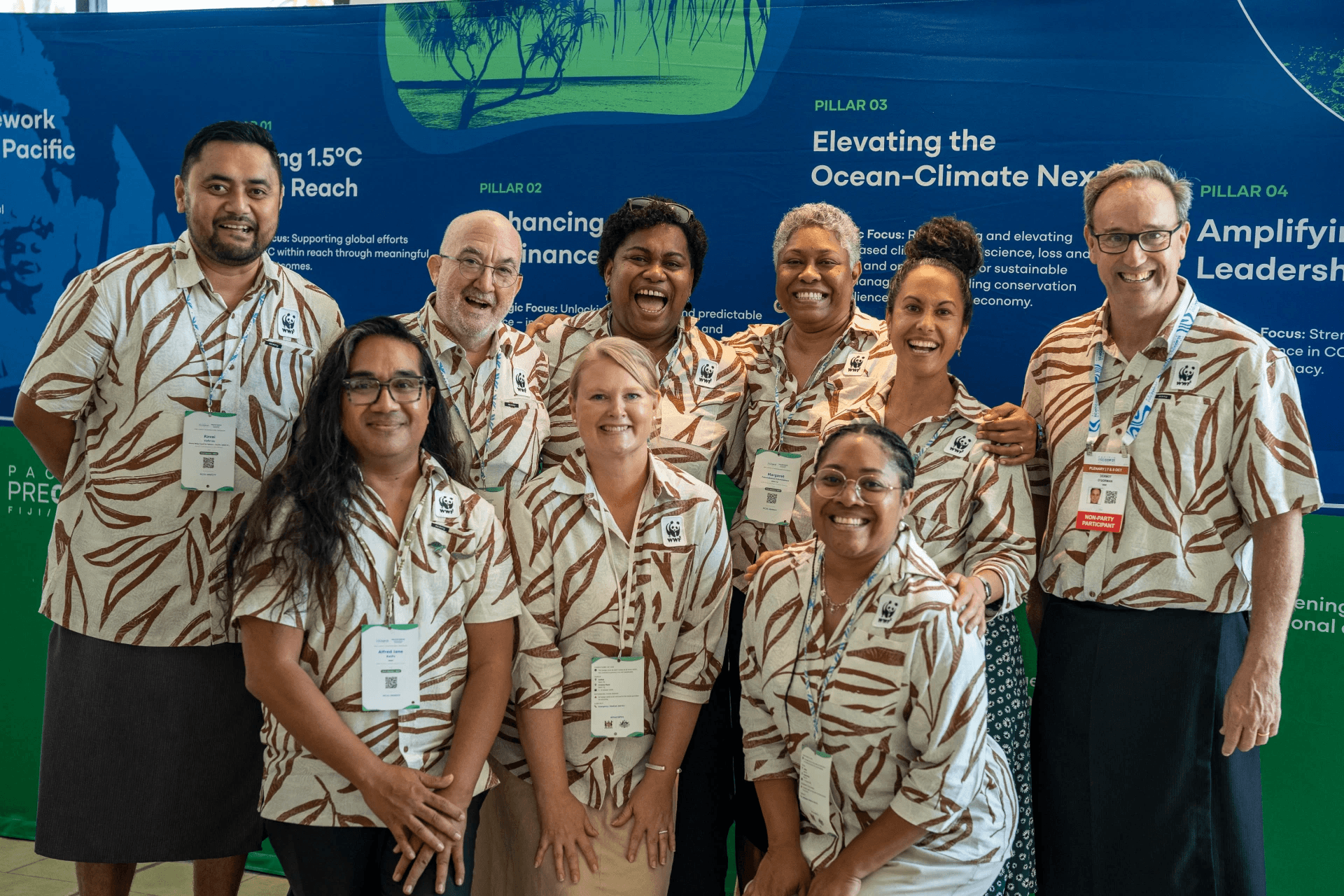
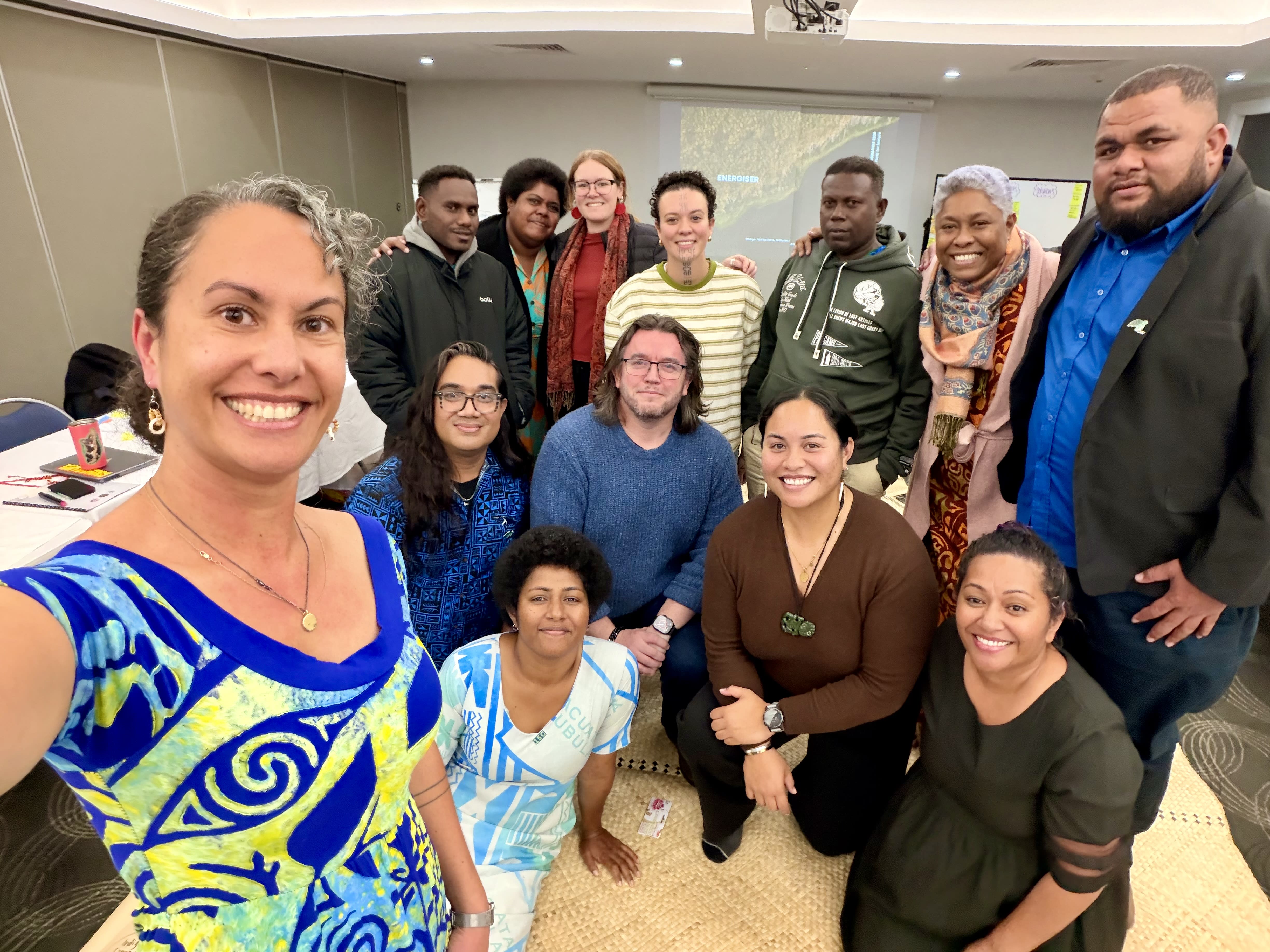
A group of people pose for a photo at a climate conference. Members of WWF-Australia and WWF-Pacific delegation. Members of WWF-Australia and WWF-Pacific delegation
Members of WWF-Australia and WWF-Pacific delegation. © WWF-Australia / WWF-Pacific / Shireen Choo 

Pacific leadership at COP31

COP31 must be a people’s COP, prioritising inclusivity, grassroots participation, and leadership from those most affected by climate change. Pacific nations are already living with the impacts of climate change, and their leadership and solutions matter. COP31 is an opportunity for Australia to work alongside Pacific nations to help drive the global response to the climate crisis


True partnership means taking bold steps: ending new coal and gas developments, committing to climate finance, and embracing the Fossil Fuel Non-Proliferation Treaty. The world is watching, and Australia has a chance to show decisive climate leadership.
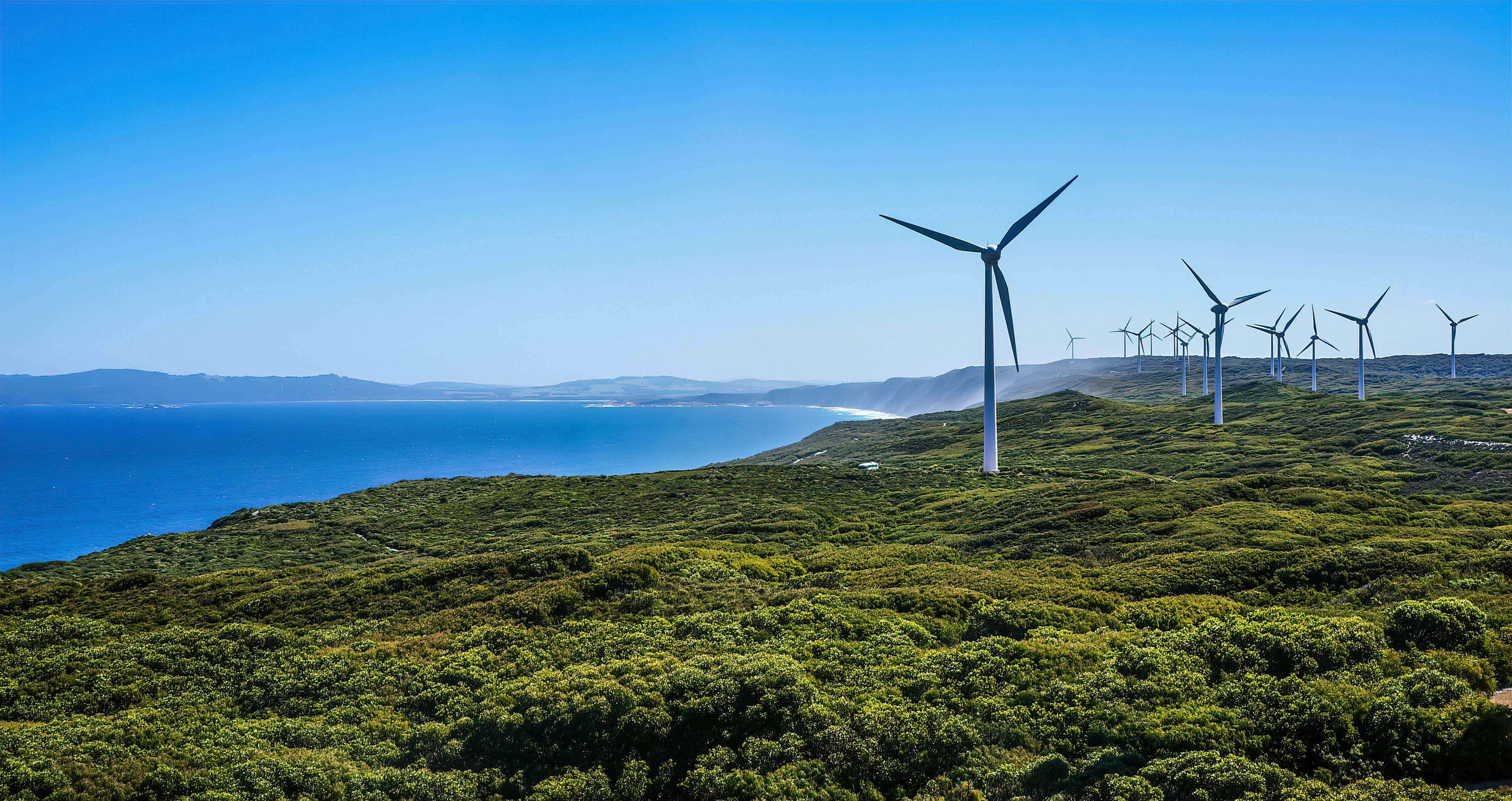
landscape image of a coastline with wind turbines.
© Adobe Stock / WWF-Australia

Powering the Future with Renewables

Australia has the potential to be a renewable energy superpower. With world-class resources, we can replace fossil fuel exports with clean energy solutions for major trading partners. Being a leading voice in the COP31 negotiations is our opportunity to show the world a bold, credible path forward, one that fast-tracks the global phase-out of fossil fuels while protecting nature and communities.
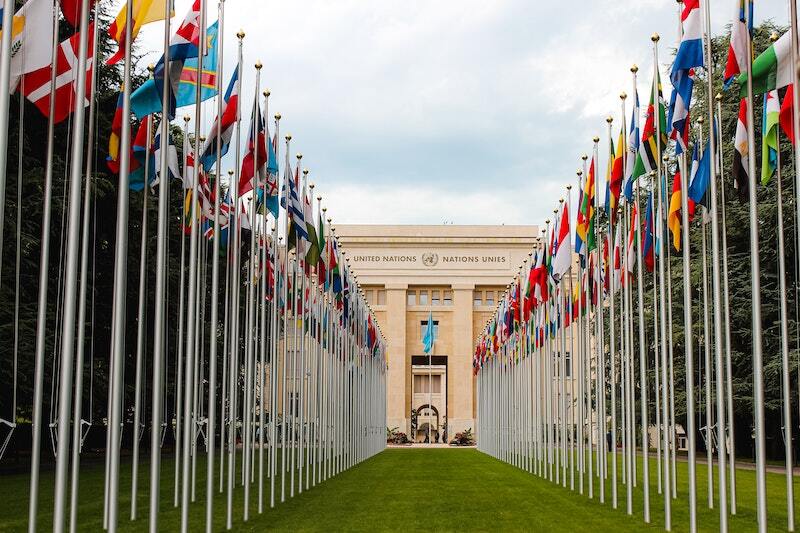
Flags outside the United Nations
© Mathias Reding / Unsplash

Turning COP31 commitments into action

COP31 must deliver real outcomes for people, nature and climate. That means turning global commitments into action, accelerating the transition away from fossil fuels and embracing clean energy.

Australia has an important role to play in helping drive global agreement, working alongside Pacific nations and others to ensure COP31 delivers meaningful progress.
Climate COP FAQs

What is a Climate COP?

A COP (Conference of the Parties) is an annual global summit where countries negotiate actions to tackle climate change under the UNFCCC (United Nations Framework Convention on Climate Change).

What is COP31?

COP31 refers to the 31st Conference of the Parties. The numbering started with COP1 in 1995, which was the first official meeting of the parties after the UNFCCC came into force in 1994.

Why are COP meetings important?

They help set global climate policies, encourage emissions reductions, and foster collaboration on climate solutions.

What is the Paris Agreement?

Adopted at COP21 in 2015, it commits 195 countries to limit global warming to well below 2°C, and to pursue efforts to 1.5°C.

Who attends COP?

Representatives from almost every country, along with NGOs, businesses, scientists, and activists—sometimes exceeding 80,000 participants.

What happens at COP?

Countries negotiate climate policies, pledge commitments, and collaborate on strategies to reduce emissions and support vulnerable communities. Non-state actors advocate on their priorities, hold governments to account, secure funding for their work and generate awareness for climate action in their communities.

Where are COPs hosted?

COPs are hosted in a different country each year and are organised within the five regional groupings of the United Nations: Africa, Asia, Eastern Europe, Latin America and the Caribbean and Western Europe and Others. Within their respective grouping, countries bid to host future COPs, and if the bid is approved, that country assumes the COP Presidency for an entire year.

Why does Australia’s role at COP31 matter?

As President of Negotiations, Australia has an important opportunity to help countries reach agreement and deliver strong outcomes at COP31. Working alongside Pacific nations will be critical to making real progress.

Does flying delegates to COP contradict climate goals?

While travel emissions are a factor, COPs drive global climate agreements that result in long-term emissions reductions. Hosts, including Australia, can minimise the carbon footprint by using renewable energy and promoting sustainable transport.

Who will host COP31?

Türkiye will host COP31, including the world leaders’ summit.

What is Australia’s role at COP31?

Australia will serve as the “President of Negotiations”. The COP31 President (from Türkiye) will delegate the task of leading the negotiations to Australia from the conclusion of COP30 in Brasil to the end of COP31.

What does the “President of Negotiations” actually do?

They lead the negotiations agenda at COP31, convene consultations through the year, select ministerial and other co‑facilitators, produce draft texts, and act as the focal point with the UNFCCC on negotiations.

What happened at the pre-COP meeting?

The Pacific Pre-COP was held in Fiji from 5–8 October, bringing together around 4,000 people from more than 100 countries ahead of COP31. It put Pacific priorities at the centre of the global climate agenda, with a focus on keeping 1.5°C within reach, strengthening climate resilience, unlocking climate finance and elevating the role of the ocean.

A key outcome was the Taku Pakasoa Declaration, a Pacific-led call for stronger climate action, resilience, finance and Pacific leadership, alongside new international commitments to the Pacific Resilience Facility.

WWF-Australia's goal

COP31 secures a defining moment for climate, nature and communities that will stabilise global warming to 1.5°C.

How we will achieve this

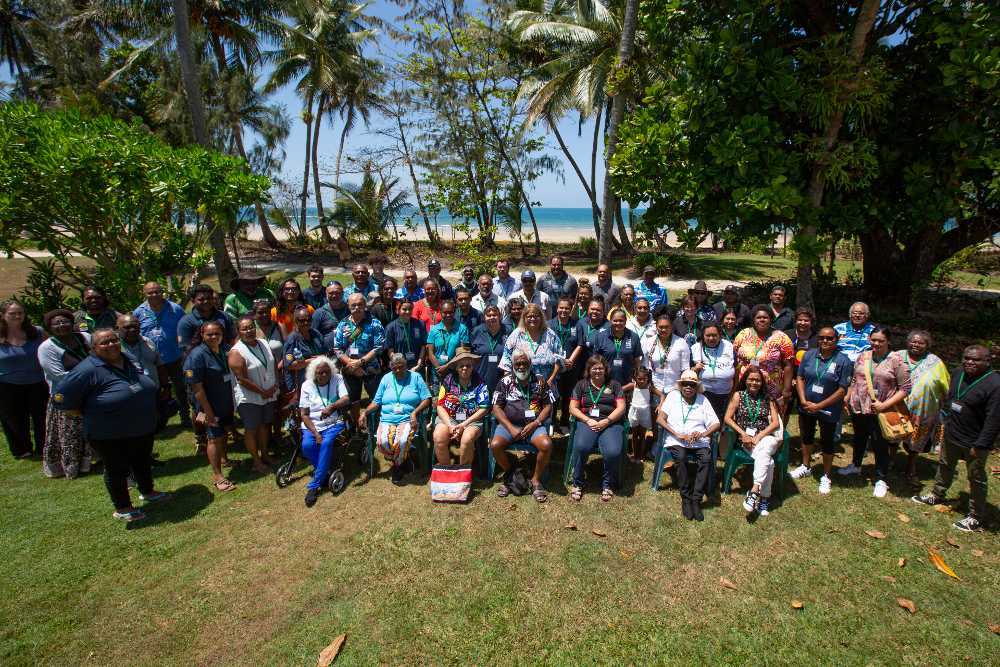
First Peoples Forum for Oceania in Mission Beach= Queensland
© Styledia / Girringun

Support decision-making processes that centre Indigenous leadership, particularly of First Nations and the Pacific.
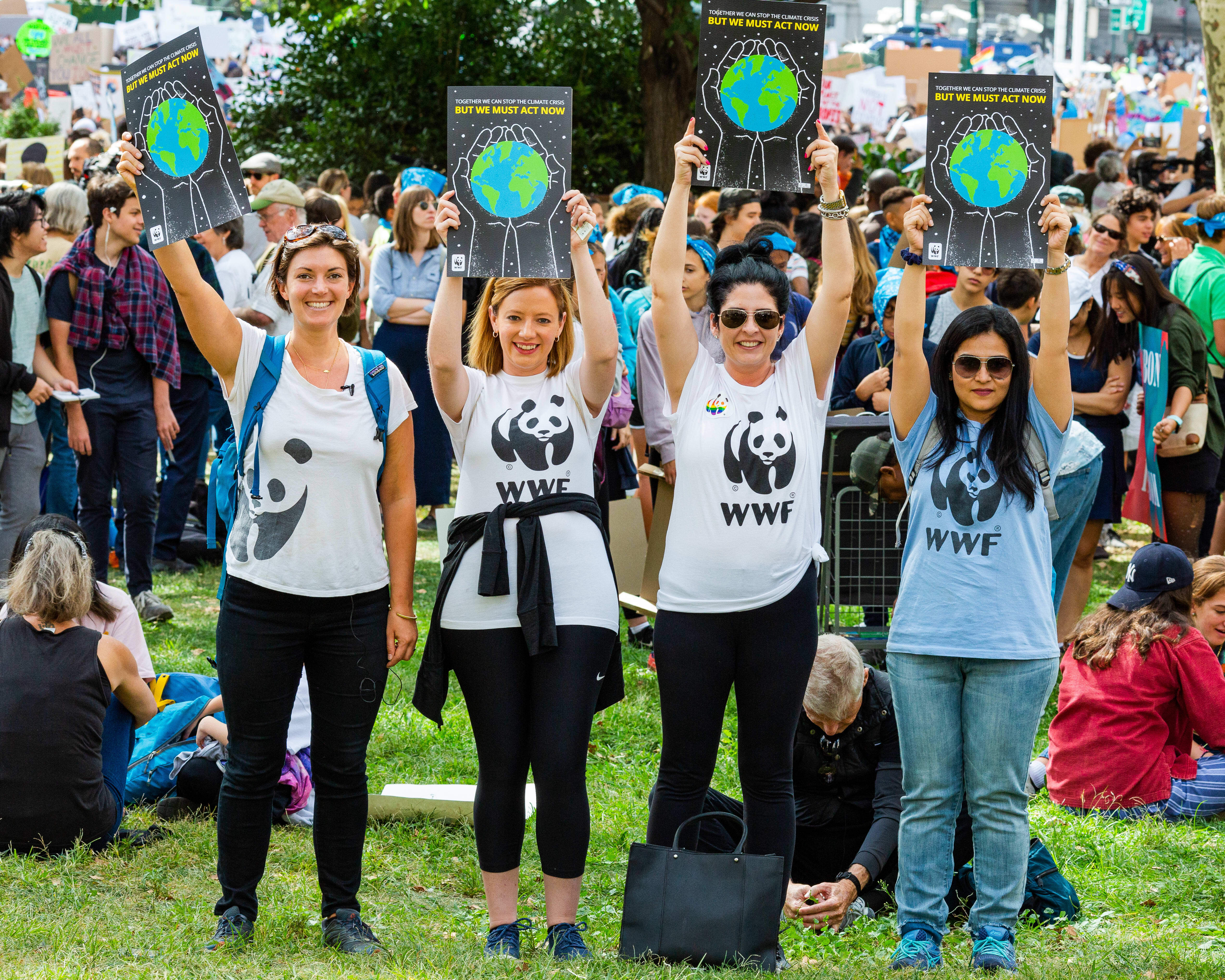
Four women holding signs at Climate March 2019 in New York, New York.
Four women holding signs at Climate March 2019 in New York, New York. © WWF-US / Keith Arnold

Work with WWF Türkiye, WWF Pacific and the WWF International network to magnify collective climate action at COP31.

Regenerative Sky

WWF-Australia is not only dedicated to building momentum for COP31, but our vision is to support Australia in becoming a global leader in securing a healthy climate powered by communities, nature, and renewable energy. 

Read our climate strategy

Loading form…