Skip to content
A photo of a humbpack whale breaching out of the ocean. the whale is almost entirely out of the water with the underside showing to the camera.
Humpback whale breaching off Eden, NSW © Tracey Harris

Caring for the Oceans That Care For Us

As highlighted in David Attenborough’s documentary ‘Ocean’, the future of our planet is inseparable from the future of our oceans. From the high seas beyond national borders to the migration routes used by whales and the fisheries that support coastal communities, healthy oceans underpin life on Earth.

Together with our supporters, partners and the wider conservation community, WWF-Australia helped drive progress in ocean protection, conservation of whale and marine life and sustainable fisheries through science and advocacy, helping create a healthier future for our oceans.

Protecting the ocean beyond borders

WWF-Australia and our supporters built momentum for stronger protection of the high seas, creating a once-in-a-generation opportunity to safeguard marine life in international waters.

The high seas cover around half of Earth's surface, yet less than 1% is currently highly protected. The High Seas Treaty opens the door to future marine protected areas across vast stretches of ocean, supporting the global goal of protecting at least 30% of the world's oceans by 2030.

Together we built support for this historic agreement, paving the way for stronger protection of whales, dolphins and other marine life, along with the habitats and migration routes they depend on.

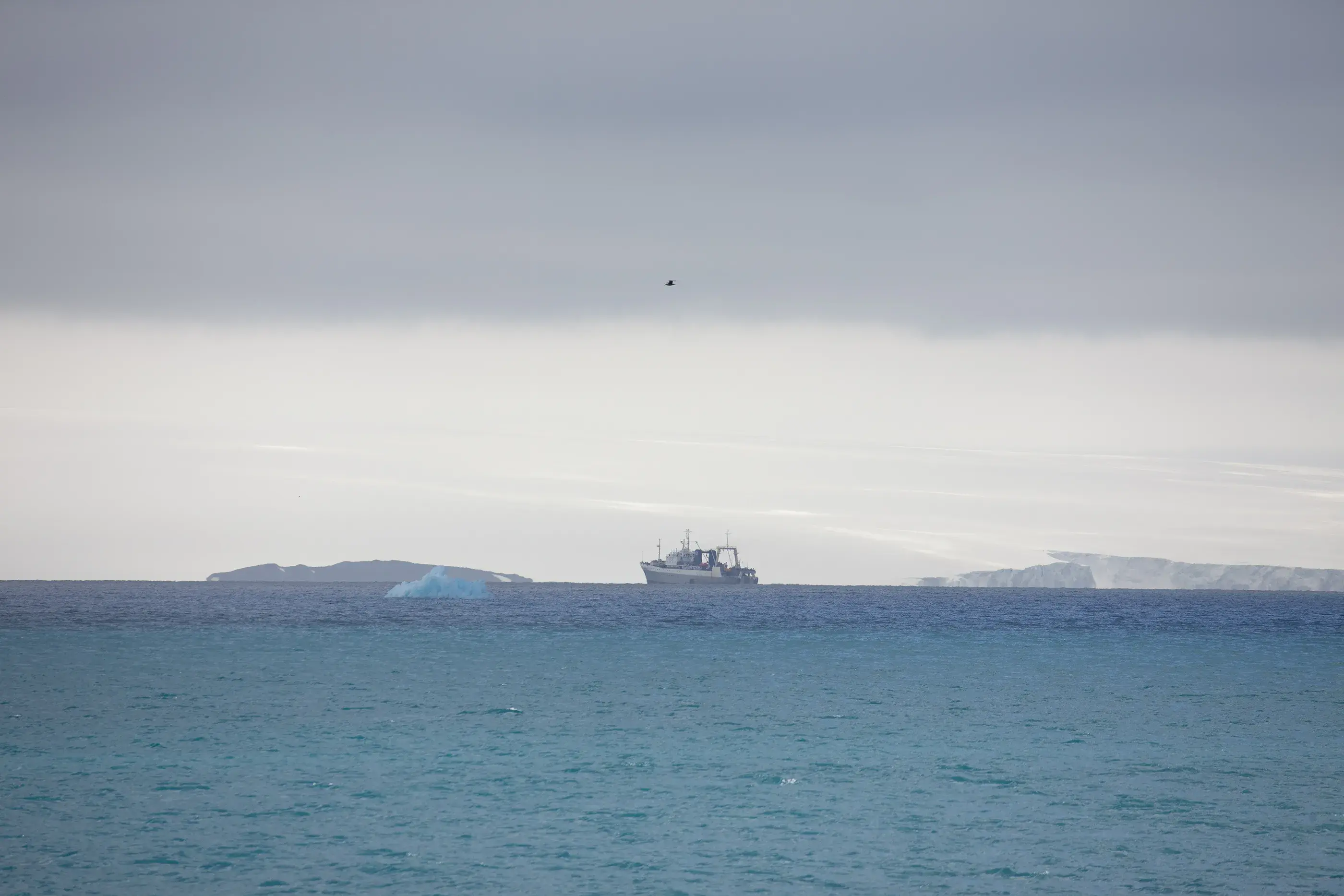
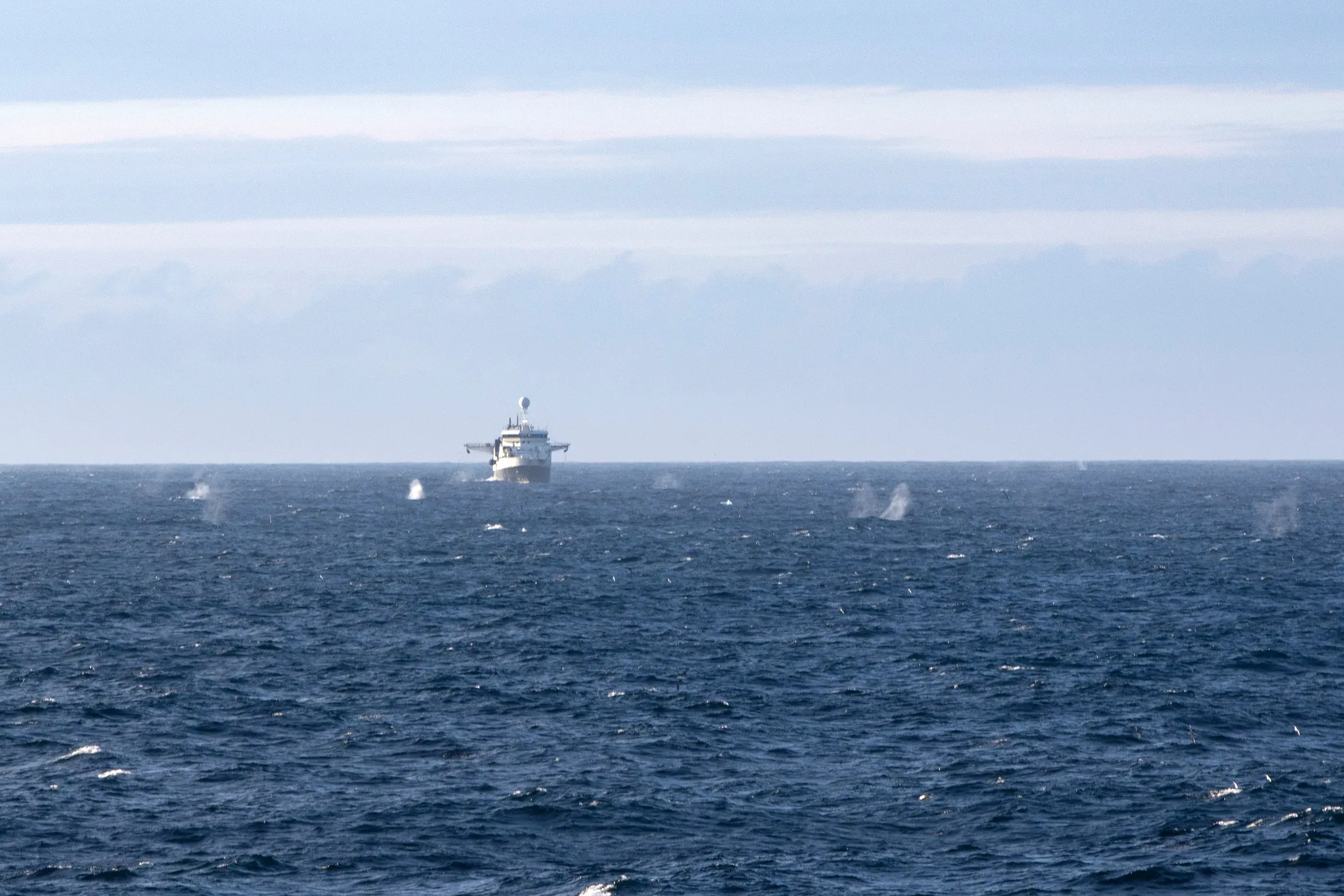
A krill fishing vessel actively trawling towards an extremely large group of fin whales 25 km north of Coronation Island on 13 January 2022. © Conor Ryan
A krill fishing vessel. © Conor Ryan
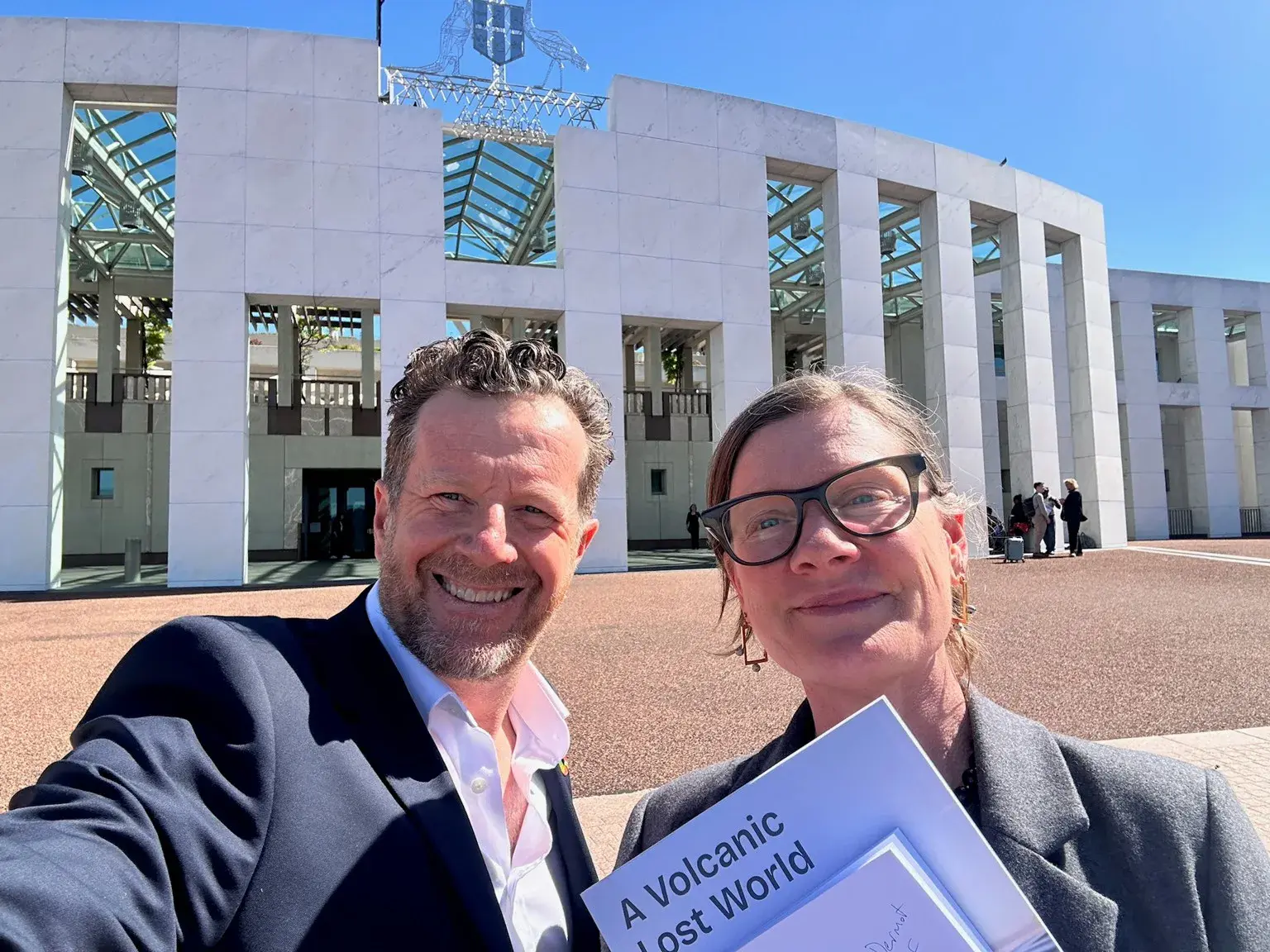
Two WWF_Australia staff pose for a selfie outside Parliamanet House, Canberra. © Richard Leck
WWF-Australia, Canberra. © Richard Leck

Turning whale science into conservation action

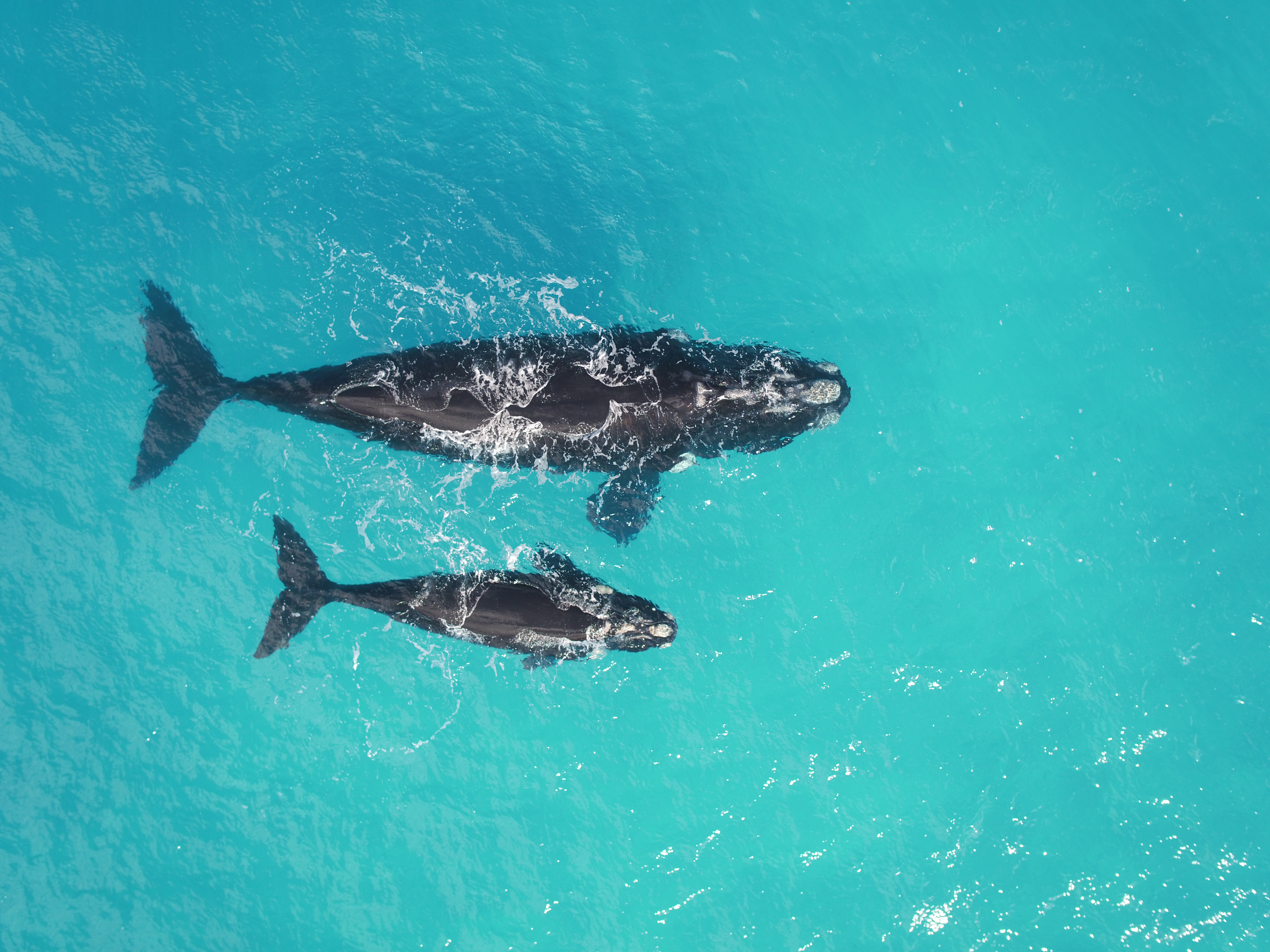
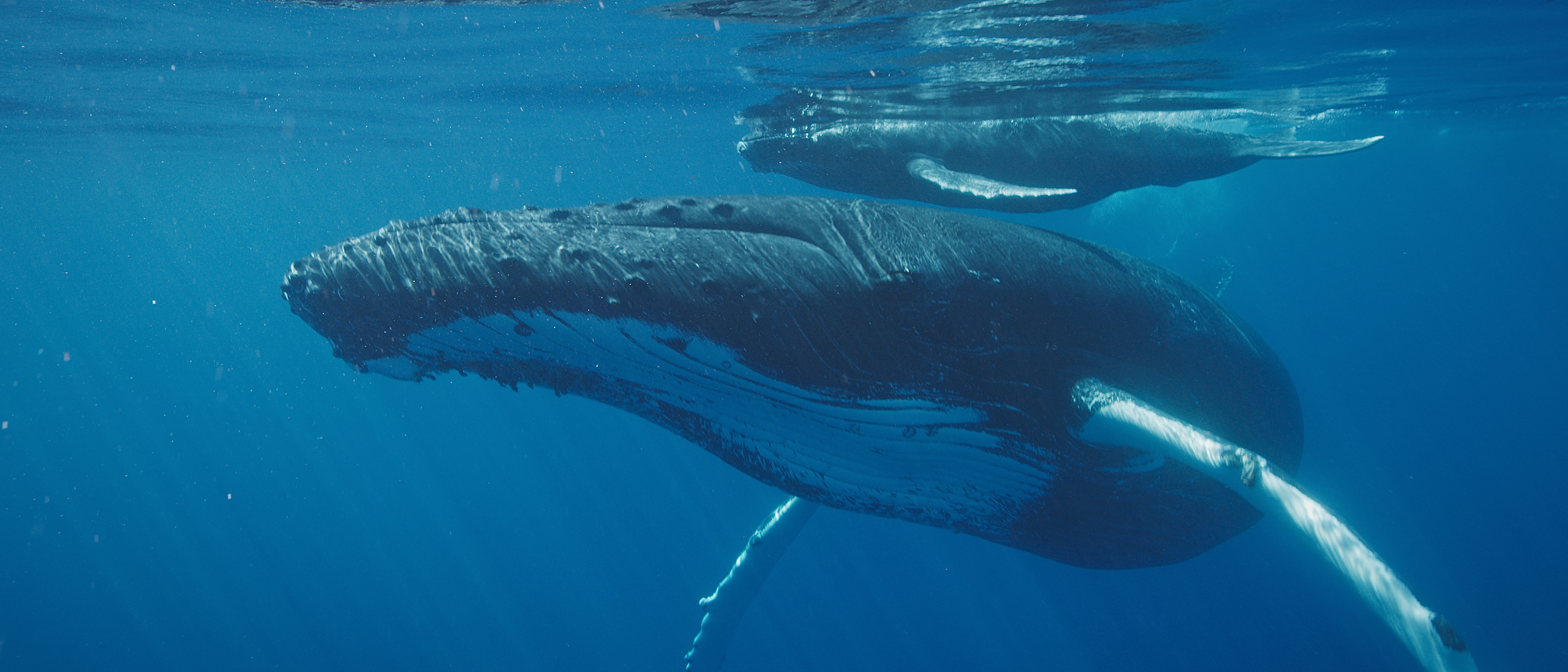
Every year, whales travel thousands of kilometres across the Pacific, relying on connected migration routes, feeding grounds and breeding areas to survive.

BlueCorridors.org transformed 30 years of whale tracking data from more than 60 research partners into an interactive platform that assists governments, researchers and conservation organisations to better understand and protect whale migration routes. The initiative reflects a growing recognition that protecting ocean connectivity requires both scientific evidence and the knowledge, stewardship and leadership of Indigenous Peoples and local communities across the Pacific.

WWF helped bring together the science, expertise and partnerships behind the initiative, which received a Webby Award in recognition of its innovative use of science and storytelling to support conservation action.

By making whale migration data more accessible and actionable, BlueCorridors.org is helping turn science into stronger ocean protection. Showcased at the International Whaling Commission, the Convention on Migratory Species and the United Nations Ocean Conference, this platform has helped elevate whale migration routes and ocean connectivity on the international conservation agenda while supporting a shared vision for ocean stewardship shaped by science, indigenous knowledge and local leadership across the Pacific.

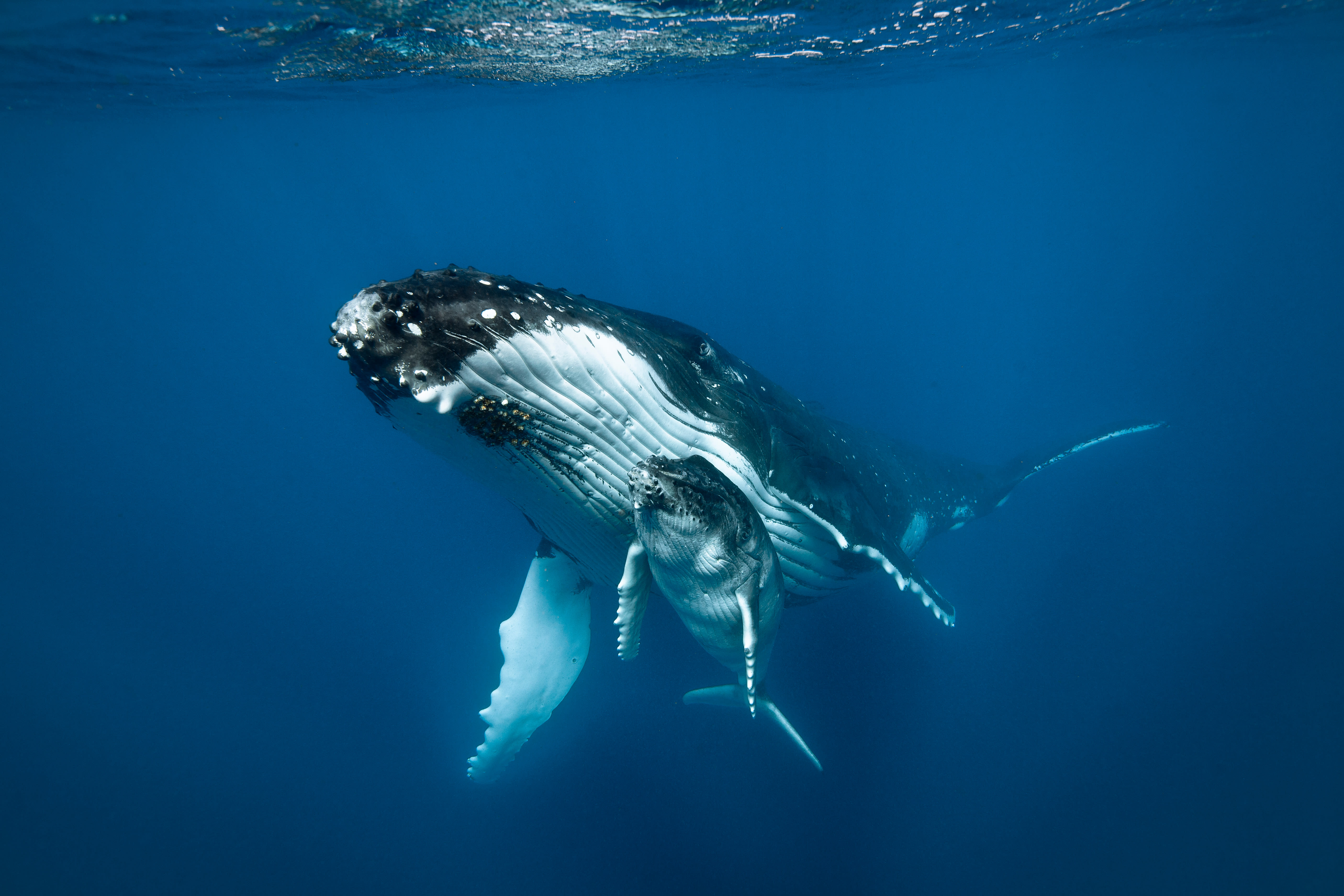
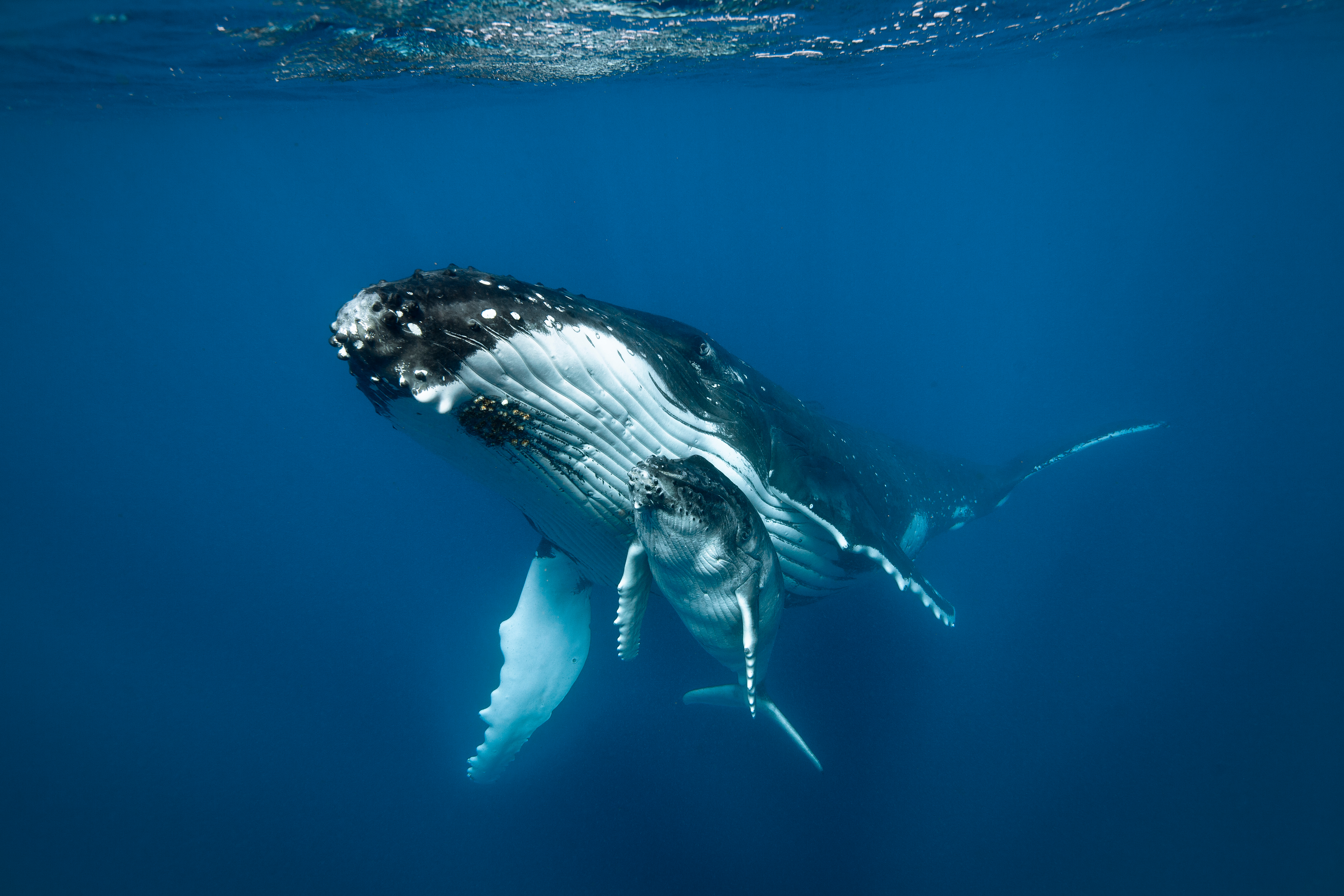
Underwater photo of a mother and calf humpback whales
Humpback mother and her calf in Tonga. © Shutterstock / Martin Hristov / WWF
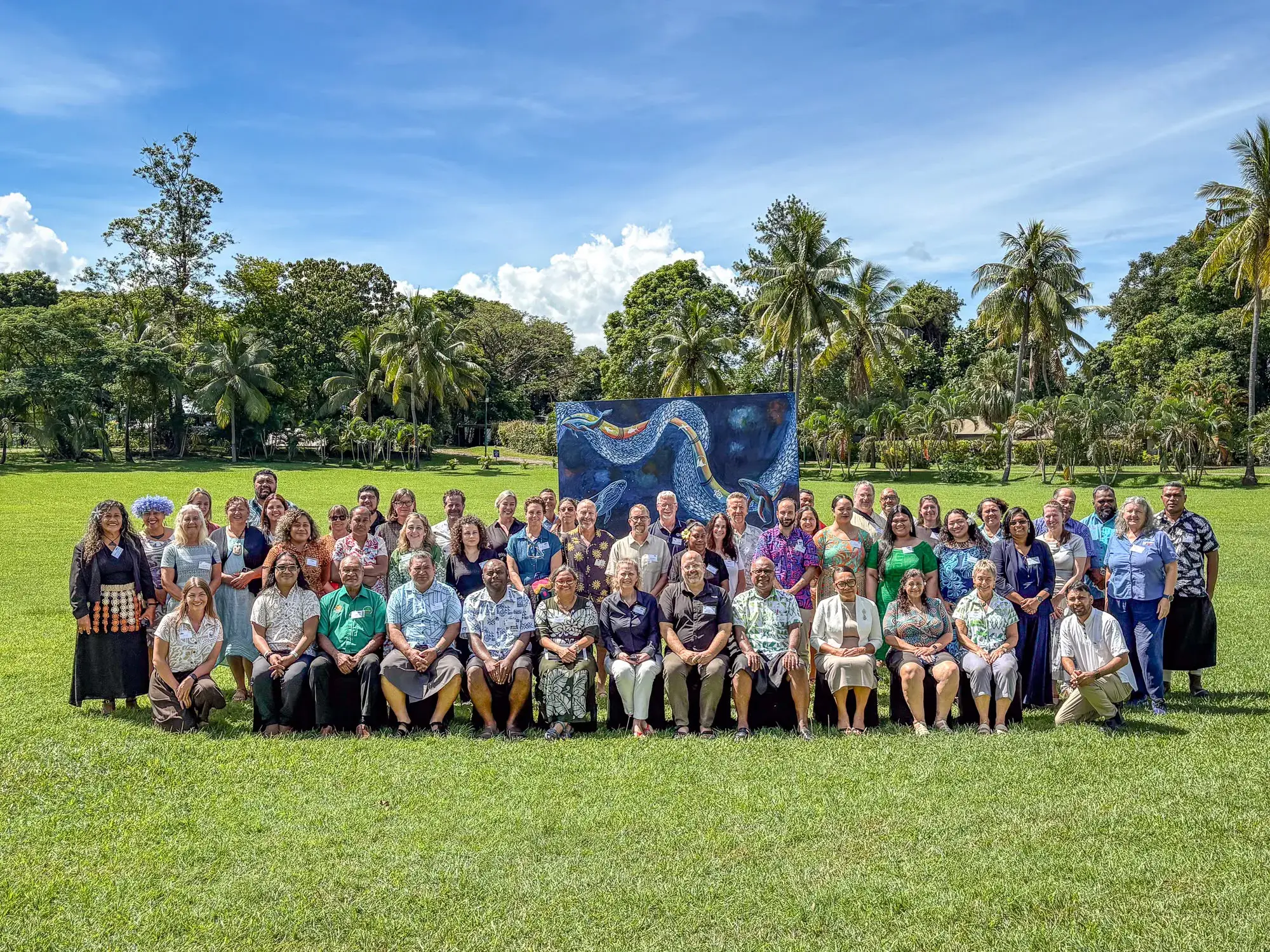
A group photo of WWF Pacific on a grass field with large green trees in background. © WWF-Pacific
WWF Pacific © WWF-Pacific

Protecting the species and resources oceans depend on

Healthy oceans support both wildlife and the communities that depend on them. WWF-Australia supported WWF-Pacific's Sustainable Fisheries program, to improve transparency in the Pacific tuna fishery. New traceability requirements now cover 84% of vessels in the fishery, strengthening sustainable fisheries management and supporting a resource many Pacific communities rely on for food security and livelihoods.

WWF-Australia also advocated for stronger protections for Antarctic krill, a tiny species that sustains much of Antarctica's wildlife. By engaging decision-makers, businesses and retailers, WWF helped bring greater attention to the risks facing krill and the ecosystems that depend on them. Growing awareness of their importance is already driving change, with some retailers beginning to phase out krill-based products.

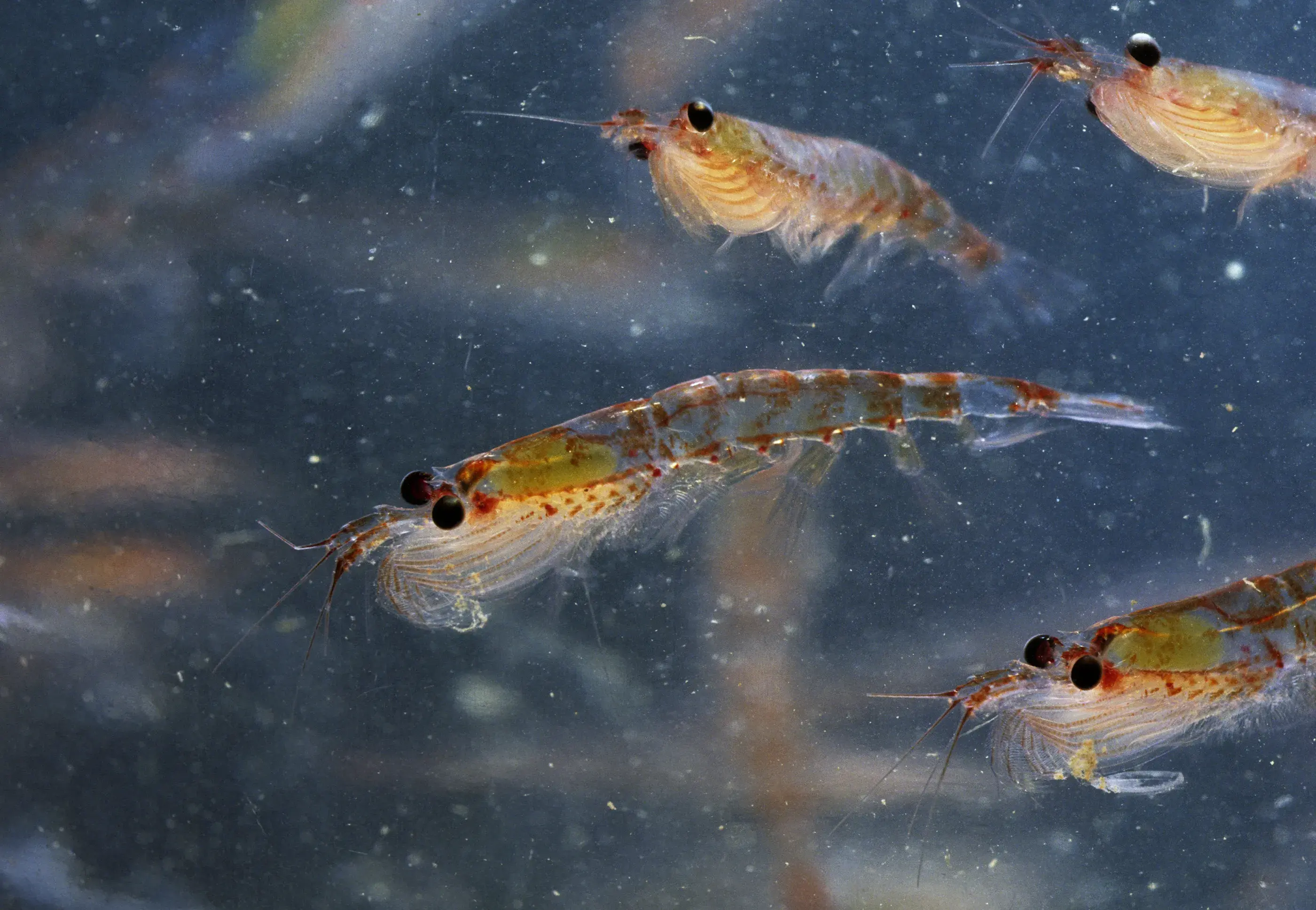
A close up underwater image of krill
Krill. © naturepl.com / David Tipling / WWF  
A commercial krill fishing vessel sits in an ocean scene with light grey sky in the background.
A commercial krill fishing vessel. © Chris Johnson / WWF-Aus

Impact Snapshot

Healthy oceans that care for us, depend on connected ecosystems, strong protections and sustainable management. Key 2025-26 achievements included:

  • The High Seas Biodiversity Act passed in Australian Parliament, paving the way for marine protected areas in international waters.

  • 93 countries formally joined the High Seas Treaty, reflecting growing global momentum for ocean protection.

  • 30 years of whale tracking data from more than 60 research partners were transformed into BlueCorridors.org, making vital science more accessible for conservation action.

  • BlueCorridors.org received a Webby Award in May 2026, recognising its global leadership in conservation communication and digital storytelling.

  • Marine Stewardship Council certification now covers 42 of 50 vessels in the Pacific Tuna Longline Fishery, embedding traceability and transparency requirements across the fishery as an ongoing standard.  

Loading form…