The historic UN High Seas Treaty became international law in January. For the first time, it provides a comprehensive framework for regulating and protecting biodiversity on the high seas; parts of the ocean that are not managed by any one country. On 31 March, the Government passed legislation to see Australia officially join the treaty, along with nearly 90 other countries that have already done so.
At least two decades in the making, this global agreement is a major game changer for our ocean. Here are five things it could do to benefit people and planet.
1. Pave the way for high seas marine protected areas
Most marine sanctuaries are in national waters, less than 200km from coastlines. Only a handful have ever been created outside of these areas, in the Arctic Ocean and Antarctica, where there is a legal basis for protection. The High Seas Treaty provides a new way for countries to propose marine protected areas on the high seas. These could be highly protected areas, prohibiting all extractive activities, which can be extremely effective. As one of the world's most biodiverse regions, there are many areas in Oceania that desperately need this protection put in place as soon as possible.
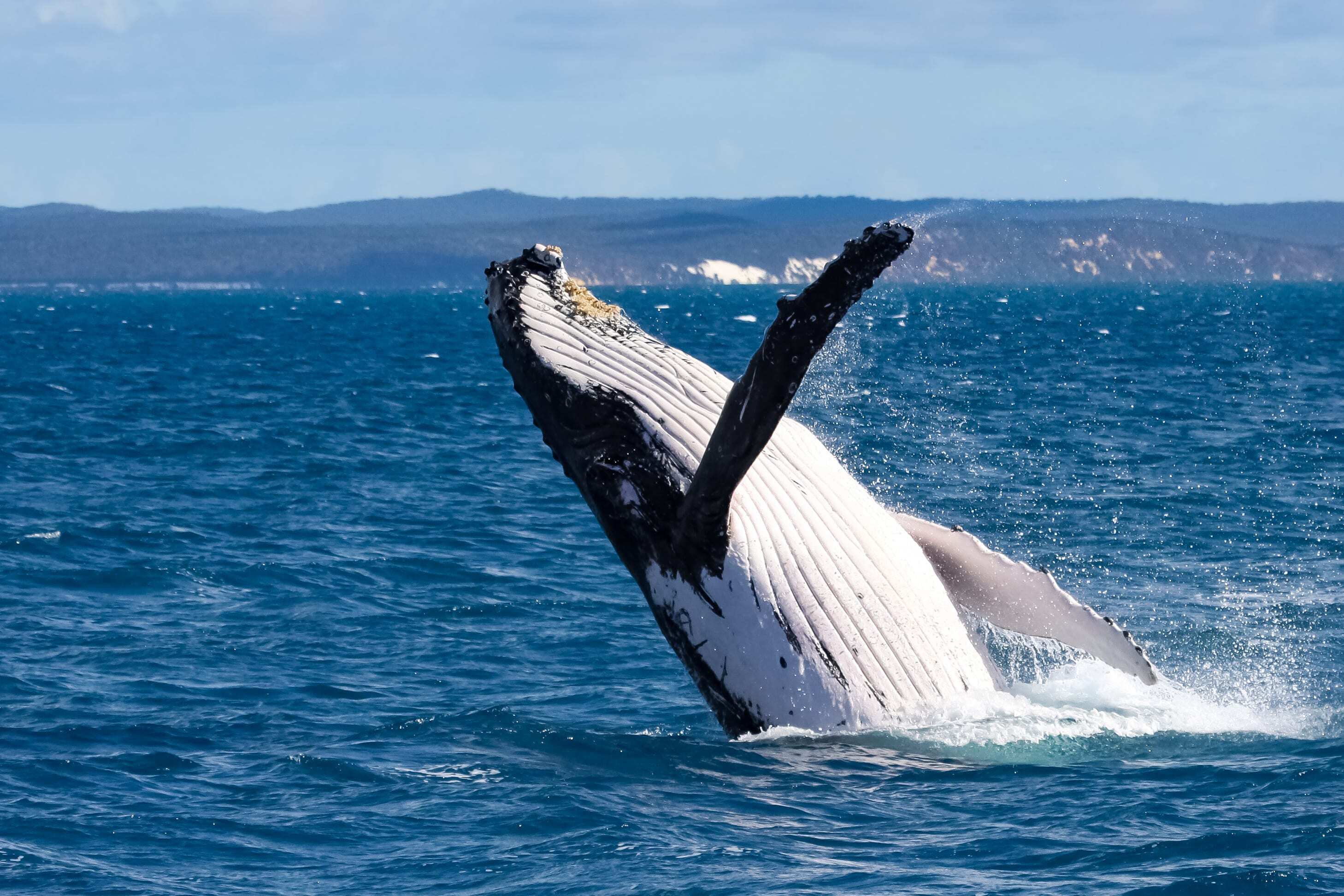
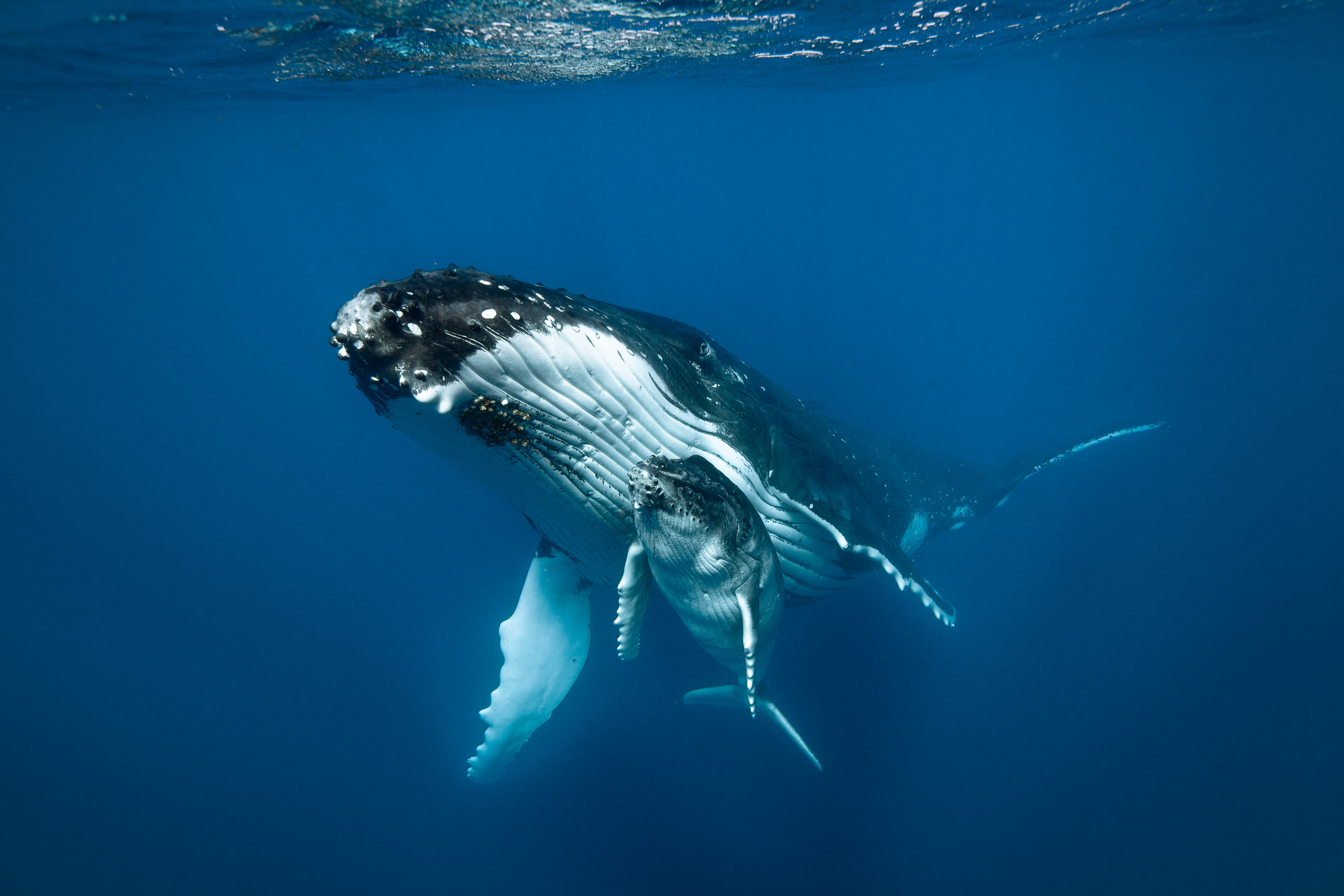
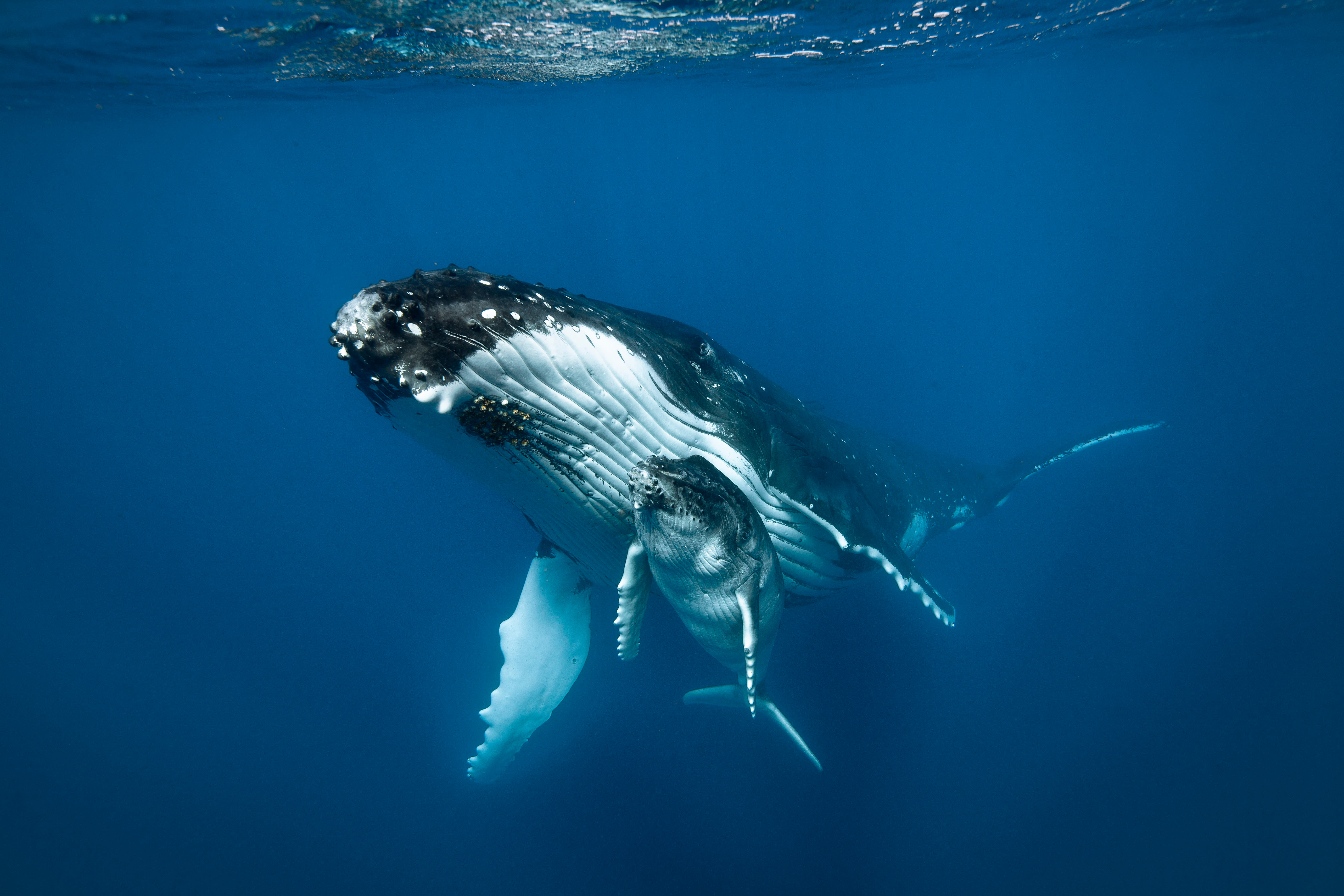
2. Help safeguard migratory and culturally important species like whales
Whales move in and out of national and international waters all the time – the legal borders we set mean nothing to them. On their journeys of thousands of kilometres between breeding, feeding and resting grounds, they face growing threats. For the thousands of whales migrating through Australian and into the high seas, the timing of this new Treaty is especially important. Governments around the world are considering new high seas marine protected areas at the same time as the Australian government is reviewing nearly all of its marine parks and sanctuaries. This creates a rare, once-in-a-generation opportunity to expand protections for whales as they move up Australia’s coast and into the Pacific, and back again en route to Antarctica.
3. Put Indigenous Peoples and Traditional Knowledge at the heart of decision-making
Indigenous people hold deep knowledge of ocean species and systems, learned and shared over tens of thousands of years. During negotiations on the High Seas Treaty, many Indigenous Peoples’ representatives worked to ensure the Treaty formally recognises this, and incorporates Indigenous Knowledge, leadership and participation in the Treaty’s implementation. The Treaty is particularly important to Pacific governments, because Oceania is a continent made up of more water than land, and home to some of the world’s most incredible marine biodiversity.
Now that Australia has passed new laws through Parliament allowing us to formally join the treaty, attention must turn to action, to safeguard and protect marine biodiversity at a global scale.
4. Enable the protection of nearly a third of global oceans
In 2023 the international community listened to the calls of scientists around the world. Together, governments agreed to conserve at least 30 per cent of the ocean globally by 2030. These goals are known as the ’30 by 30’ targets, and are just two of 23 global targets aimed at halting nature loss and supporting biodiversity to thrive. For ocean protection, the 30x30 target cannot be achieved unless we protect the high seas, which make up around two-thirds of the global ocean. Right now, only around two per cent of international waters are currently protected. The High Seas Treaty provides a vital tool to close this gap and to care for the ocean that cares for us.
5. Require harmful activities to be properly assessed
In Australian waters, major industrial activities must go through environmental impact assessments. On the high seas, these kinds of assessments are rare. For the first time, the High Seas Treaty will require environmental impact assessments for activities that could harm ocean wildlife and ecosystems on the high seas. Activities can’t just be considered in isolation, either. Importantly, these assessments must consider ‘cumulative impacts,’ which means measuring the combined impacts of all activities on ecosystems, rather than assessing one activity at a time.
The High Seas Treaty is a critical step towards protecting at least 30% of oceans by 2030, but there’s still work to do. Together, we can care for the ocean that cares for us.