Help protect greater gliders and the trees they need to survive.
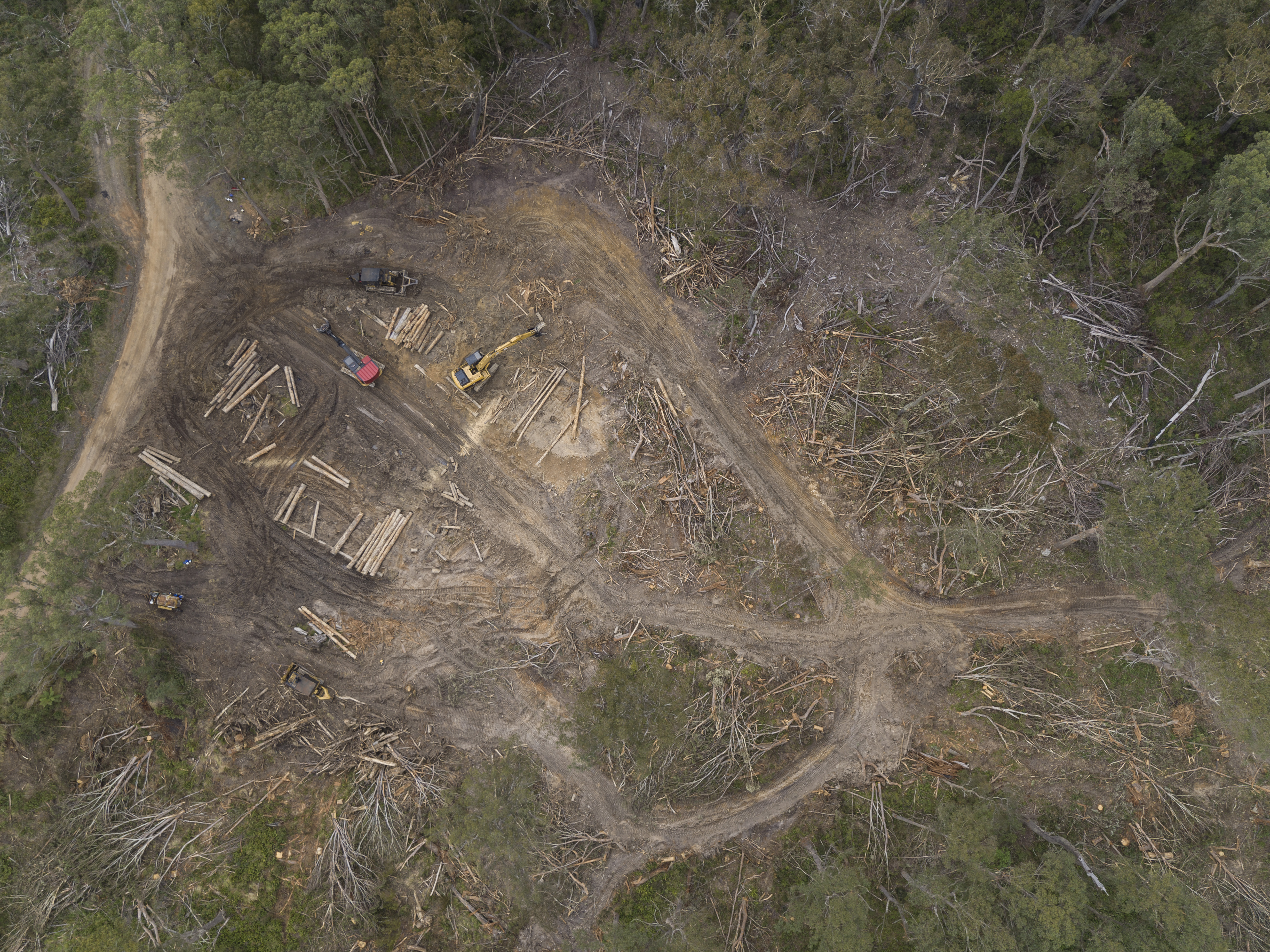
It takes over 100 years for a greater glider's home to grow. Native forest logging can destroy it in just minutes.
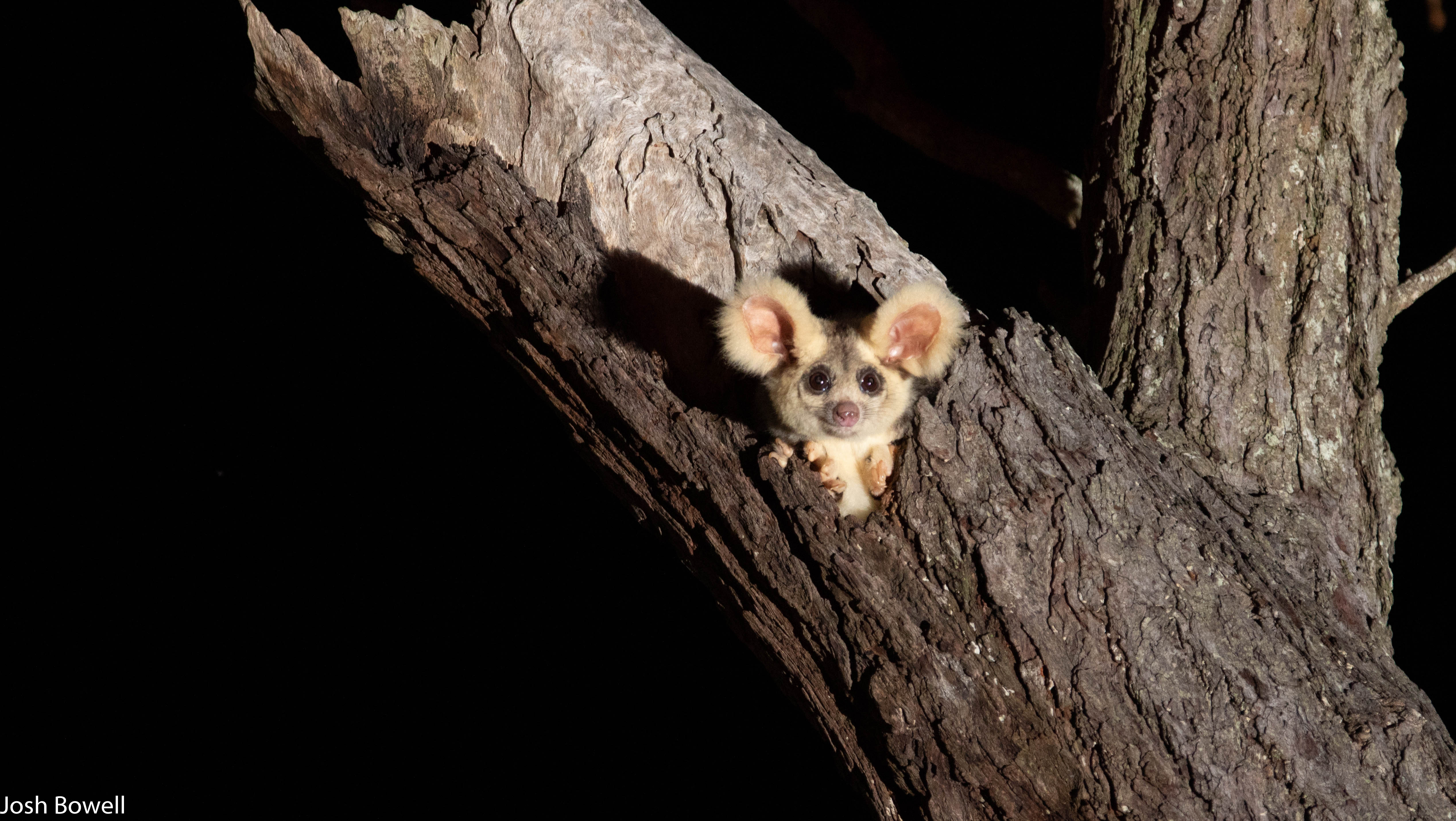
Greater gliders once thrived in forests across Australia's east coast.
Today, their numbers have fallen by up to 80%, and they are now Endangered. One of the biggest threats they face is native forest logging, which destroys the mature trees they depend on.
Greater gliders depend on trees for food, shelter and to raise their young. But it only takes minutes for logging machines to destroy them.
As someone who cares deeply about wildlife, you can help protect these precious trees before they're lost forever.
Every tree protected today can help create a safer future for greater gliders and the hundreds of other species that share their forest home.
Please donate today and help protect the trees greater gliders need to survive.
How can you help protect trees and greater gliders?
Greater gliders are facing an uncertain future as their habitat continues to be destroyed.
As someone who cares about nature, you can help protect the mature forests these remarkable animals depend on. Your support today can help:
Protect crucial habitat before it's destroyed, helping identify and safeguard important greater glider den trees before they're cut down.
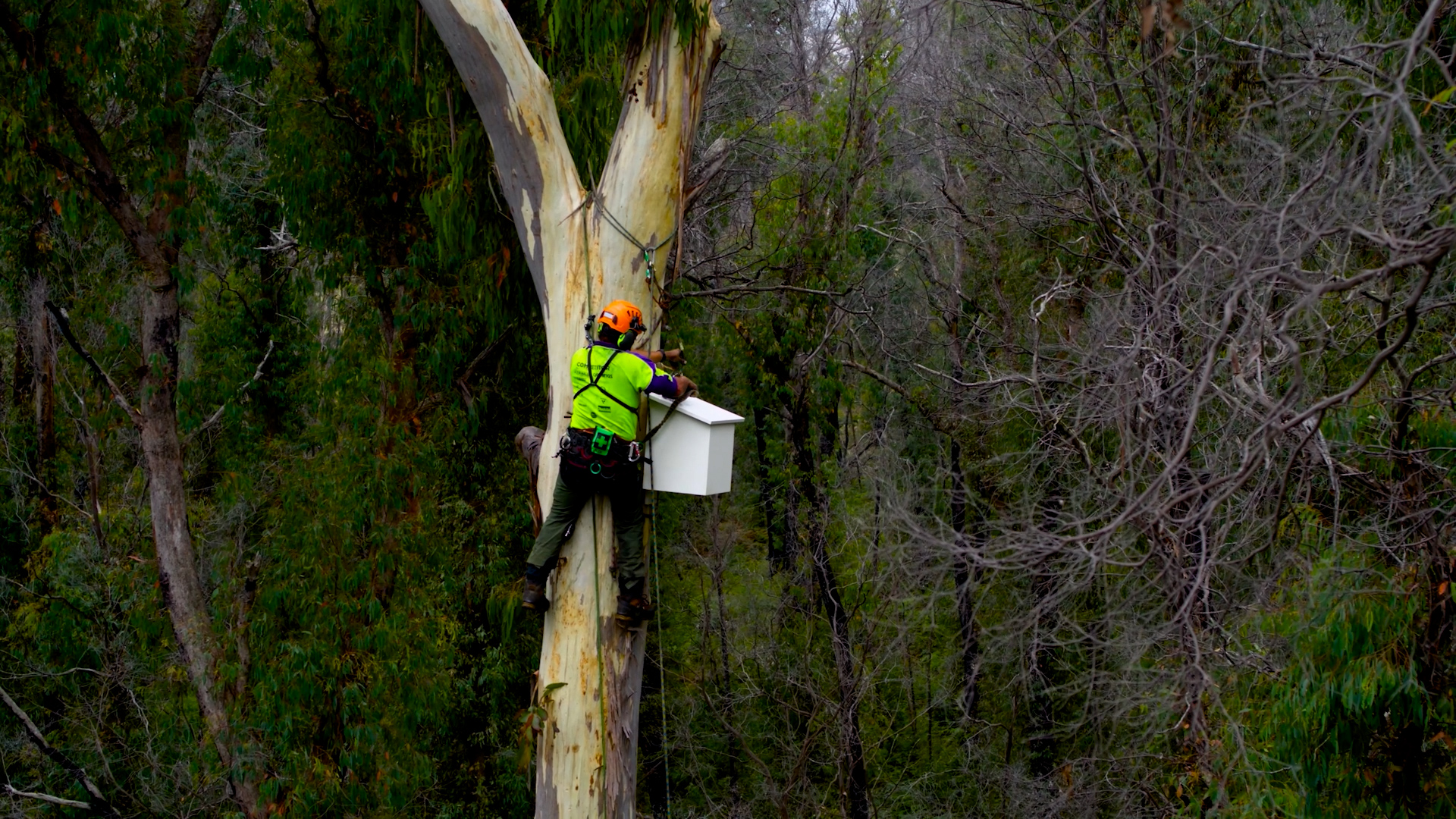
Support practical and innovative solutions, including nest boxes that provide displaced greater gliders with a safe place to shelter and raise their young.
Help build support for an end to native forest logging in New South Wales.
When you help protect greater gliders and the trees they need to survive, you're doing more than helping one species. You're helping protect habitat and homes for countless animals that depend on the same precious trees. Please make a donation today.
Why do greater gliders need mature trees?
As someone who cares about Australia's wildlife, you understand what's at stake when ancient trees and forests are lost. Greater gliders rely on these trees for almost everything they need to survive. Trees provide:
A safe place to shelter and sleep
Nesting hollows to raise young
Leaves to eat
Safe pathways through the forest canopy
It can take more than 100 years for a tree to develop the hollows greater gliders need for shelter and nesting. Once a mature tree is lost, it can take more than a century before another tree can replace the home it provided To a glider, a logged tree is not timber — it is a home lost forever.
How can your donation help?
Please donate now and help protect greater gliders and their forest homes.
FAQs
Greater glider numbers have fallen by up to 80% over the past two decades. One of the biggest threats they face is habitat destruction from native forest logging.
Young trees are important, but they cannot immediately replace mature trees.
It can take over 100 years for a eucalypt tree to develop the deep hollows greater gliders and other animals need for shelter and nesting.
Greater gliders are known as an "umbrella species".
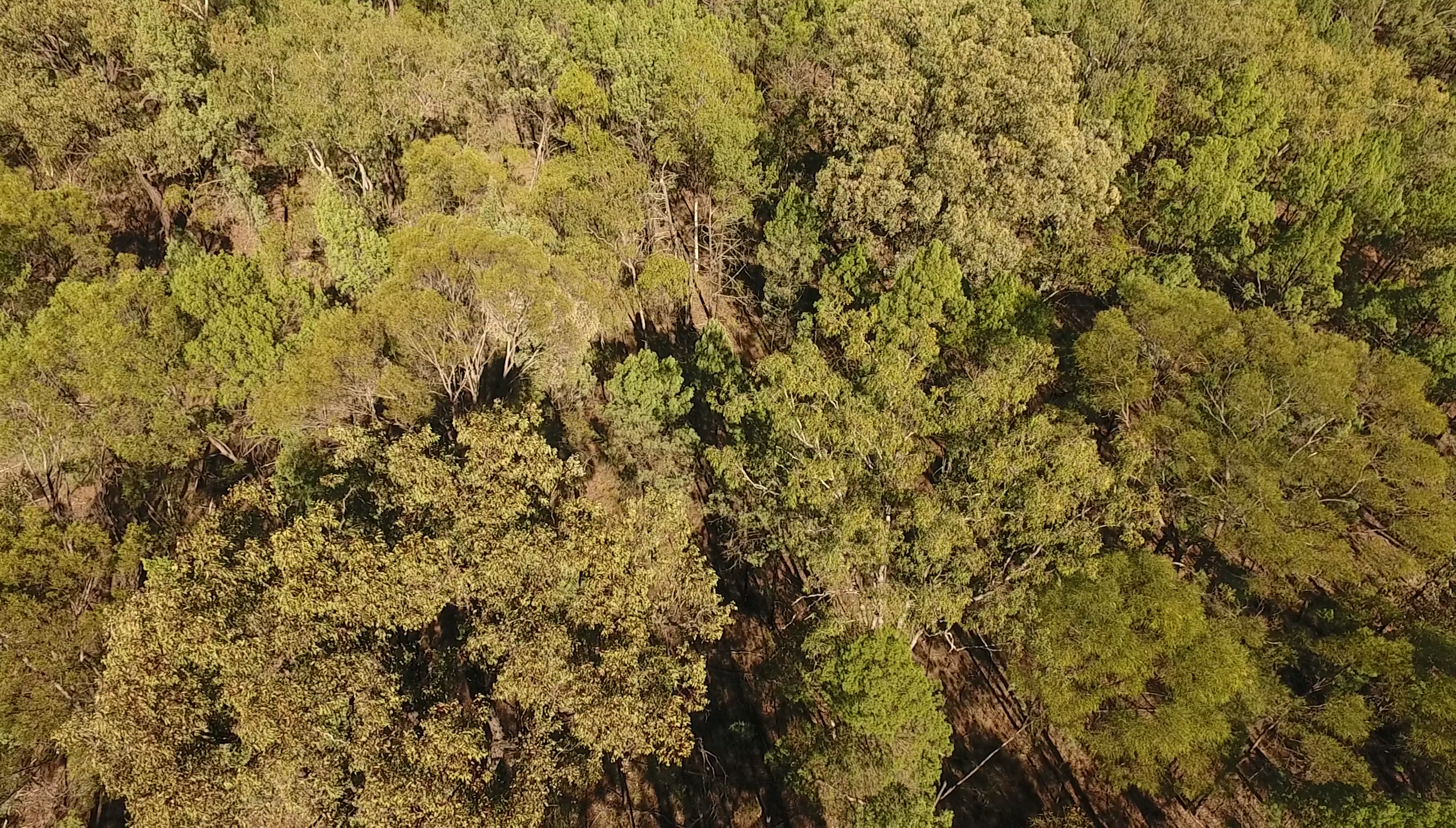
The forests they call home are shared by hundreds of other threatened species. Because greater gliders are highly sensitive to changes in their environment, protecting them helps protect entire forest ecosystems.
When you help protect greater gliders, you're helping safeguard habitat for countless animals that depend on the same forests.
You're helping keep forests healthy, connected and thriving for future generations.
WWF-Australia supports independent surveys that help identify greater glider den trees and secure protection for important habitat. Donor support also helps drive conservation innovation and advocacy to protect forests.
Yes. Your support can help protect habitat before it's lost, support innovative conservation solutions and help advocate for stronger protections for forests and wildlife. Every contribution helps create a better future for greater gliders and the species that share their forest home.
At WWF-Australia, we are committed to maximising the impact of your donation today, while ensuring we can operate efficiently and sustainably into the future.
In the past 12 months, for every $1 donated to WWF-Australia:
74% went straight into wildlife conservation.
9% was allocated to administration, governance and monitoring systems, helping us operate efficiently and accountably. This includes vital investments in IT, reporting, security and finance.
17% was spent on raising the next dollar for our conservation work.
We review our costs annually to ensure every donation is used to maximum effect for nature and wildlife.