
Nature-based solutions
Nature can help us address the biggest challenges facing our world.
Nature-based solutions (NbS) are actions that harness the power of nature to protect, manage and/or restore ecosystems in a way that benefits people, nature, and climate.
These actions address a range of societal challenges like climate change, human health, food and water security, and disasters.
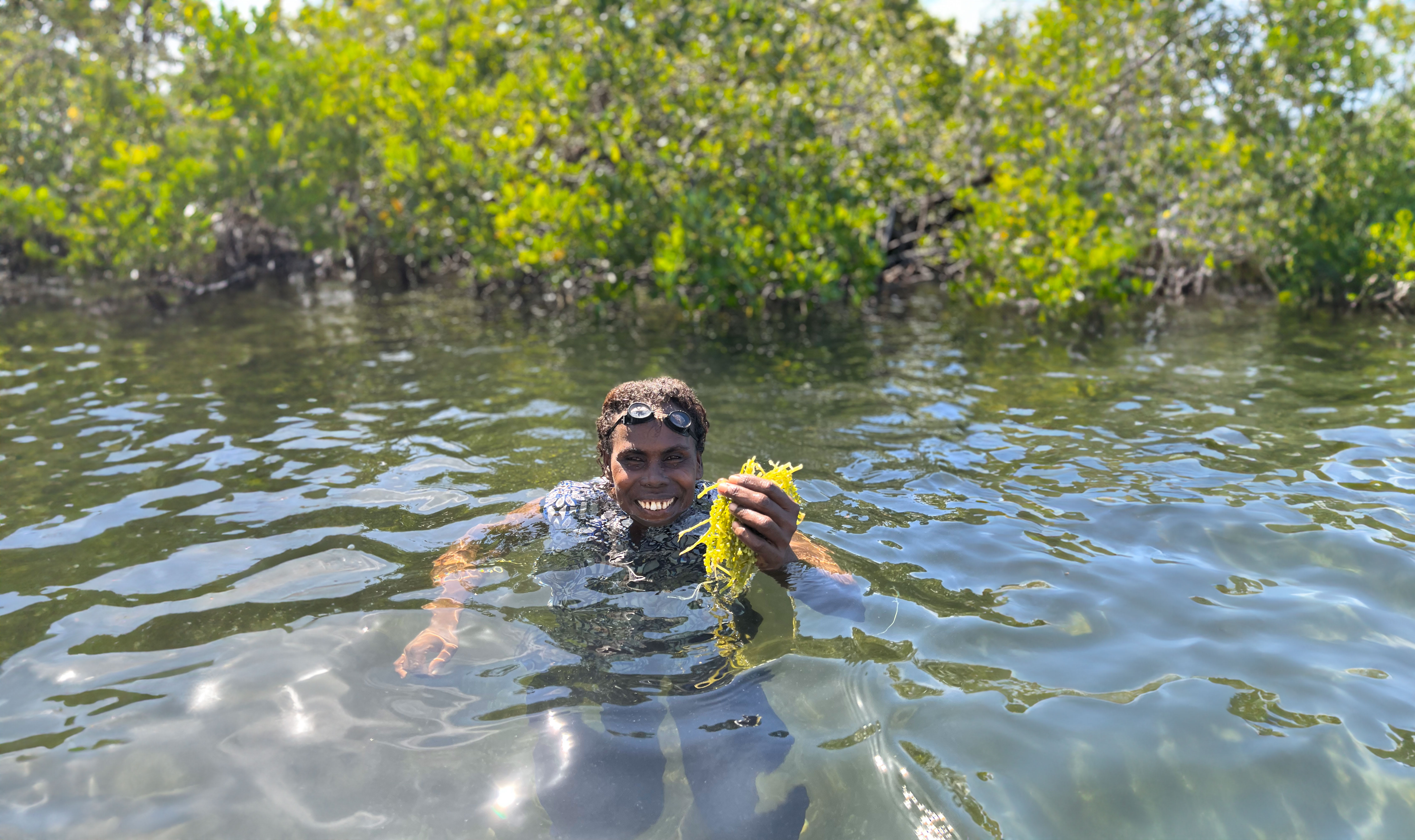
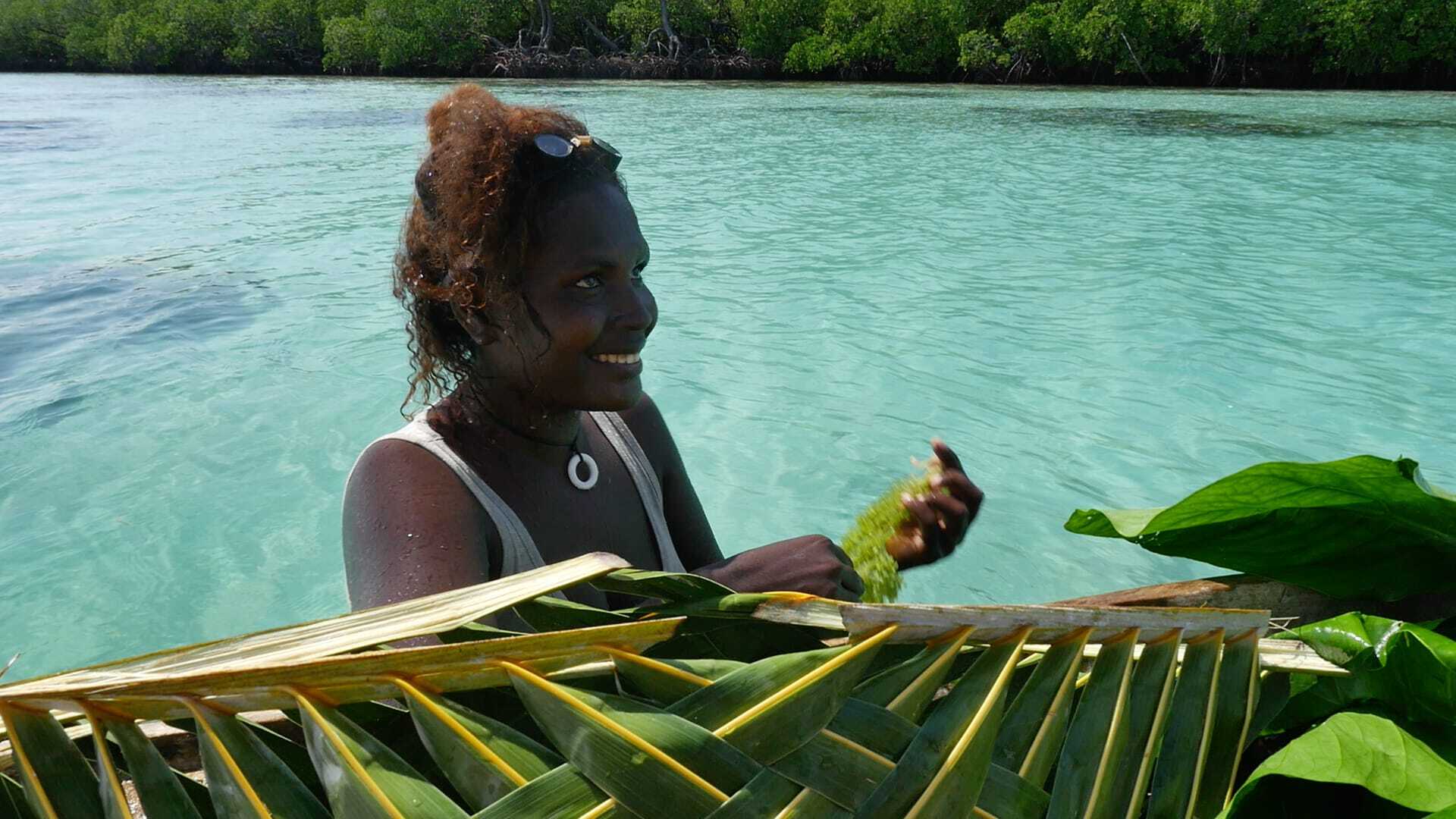
An example of a nature-based solution is the restoration of mangrove forests that maintain critical habitats for local wildlife, protect nearby homes from rising sea levels, and provide income opportunities for community members.
Indigenous Peoples and Local Communities (IPLCs) have applied nature-based solutions for millennia. It is essential that nature-based solutions are people-centred and led by communities - embracing innovation and First Peoples Knowledge, amplifying Indigenous Peoples and Local Communities voices to ensure they are inclusive, transparent, and just for communities and nature.
Why are nature-based solutions important?
Our planet is fighting a three-way battle with biodiversity loss, climate change and equitable development.
Around a million animal and plant species are now threatened with extinction - more than ever before in human history. Climate related extreme weather events occur more frequently, threatening communities and their food and water supplies. Half of the world’s economy comprises industries like agriculture, fisheries, forestry and tourism that depend on the planet’s natural assets.
Furthermore, the impacts of climate change are not equal, as the communities that contribute the least to human-induced climate change, including the First Nations Peoples of Australia and Torres Strait, will bear the worst impacts.
Nature-based solutions are an opportunity to address these problems and are essential to building a nature-positive future by providing essential services such as carbon storage, ensuring food and water supplies and buffering against the impacts of a warming world.
Challenges nature-based solutions can help solve
Climate adaptation
Human Health
Food security
Water security
Climate change mitigation
What WWF is doing
WWF works globally to promote nature-based solutions and prioritises actions that benefit people, nature and climate. We develop measurable, people-centred initiatives worldwide that harness nature-based solutions and emphasise the benefits of protecting and restoring nature to businesses, cities, communities and governments.
We are working to:
Develop science-based guidance for field-based interventions.
Partner with initiatives that boost nature-based solutions.
Advocate for policy changes and inclusion of nature-based solutions in more countries climate pledges.
Make nature-based solutions a part of the Convention on Biological Diversity’s Global Biodiversity Framework to help strengthen alignment between climate and nature conventions.
Advocate for nature-based solutions to be people-centric - carefully planned, designed and implemented with the right of Indigenous Peoples and Local Communities at the forefront.
Encouraging the use of IUCN’s Global Standard of Nature-based Solutions.
At WWF-Australia, our flagship program Climate Resilient by Nature, supported by the Australian Government, is advancing high-integrity, equitable nature-based solutions to climate change in the Indo-Pacific to support communities to be more socially, economically, and ecologically resilient.
Where we work
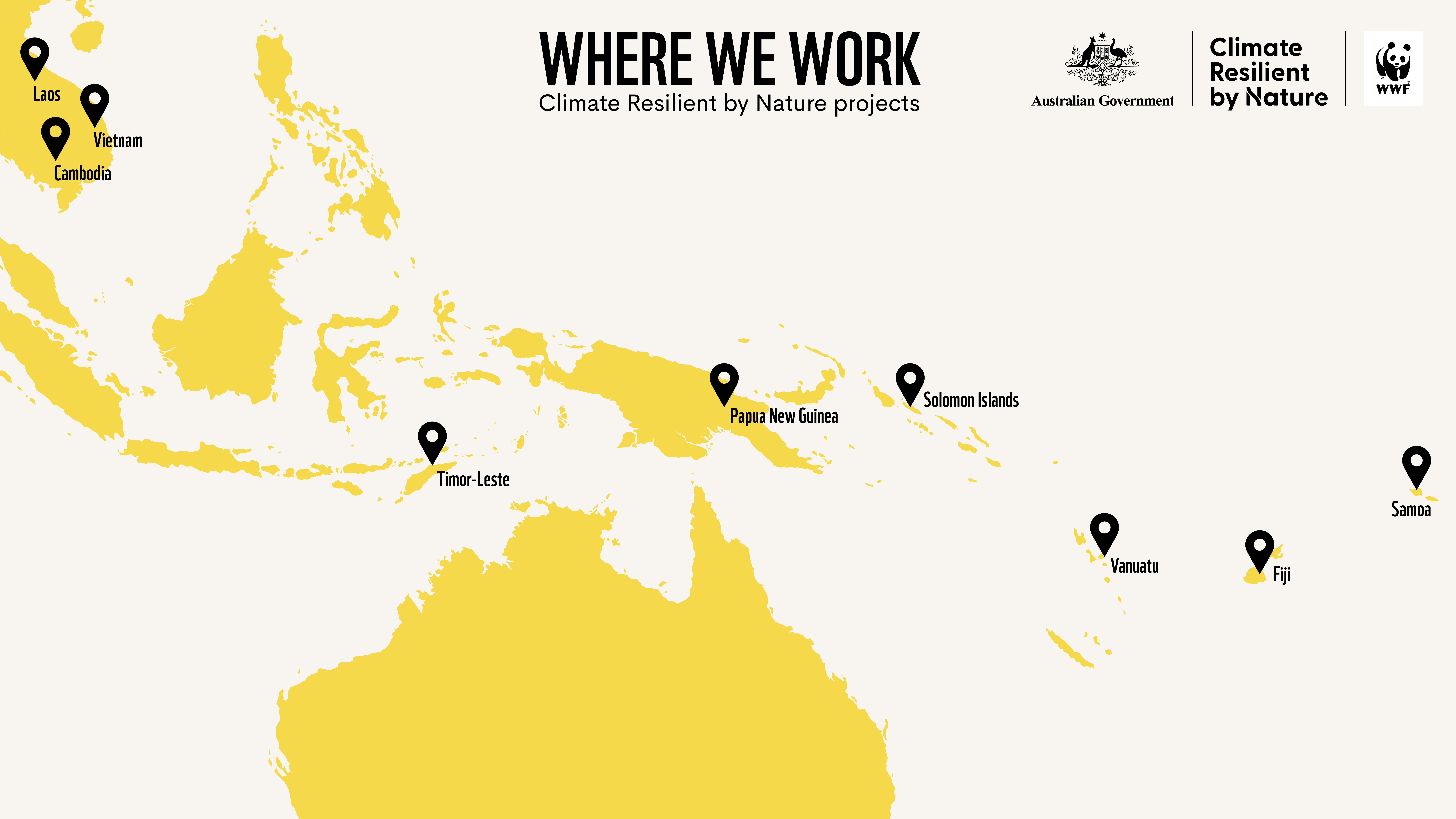
Expanding Nature-based Solutions in the Mekong Flooded Forest – implemented in Cambodia in partnership with WWF-Cambodia, this project works with local community fisheries groups in the Mekong Flooded Forest (MFF) to support sustainable fishing. This includes joint patrols, enhancement of natural fish diversity and abundance, piloting agro-biodiversity cultivation, and ecotourism development.
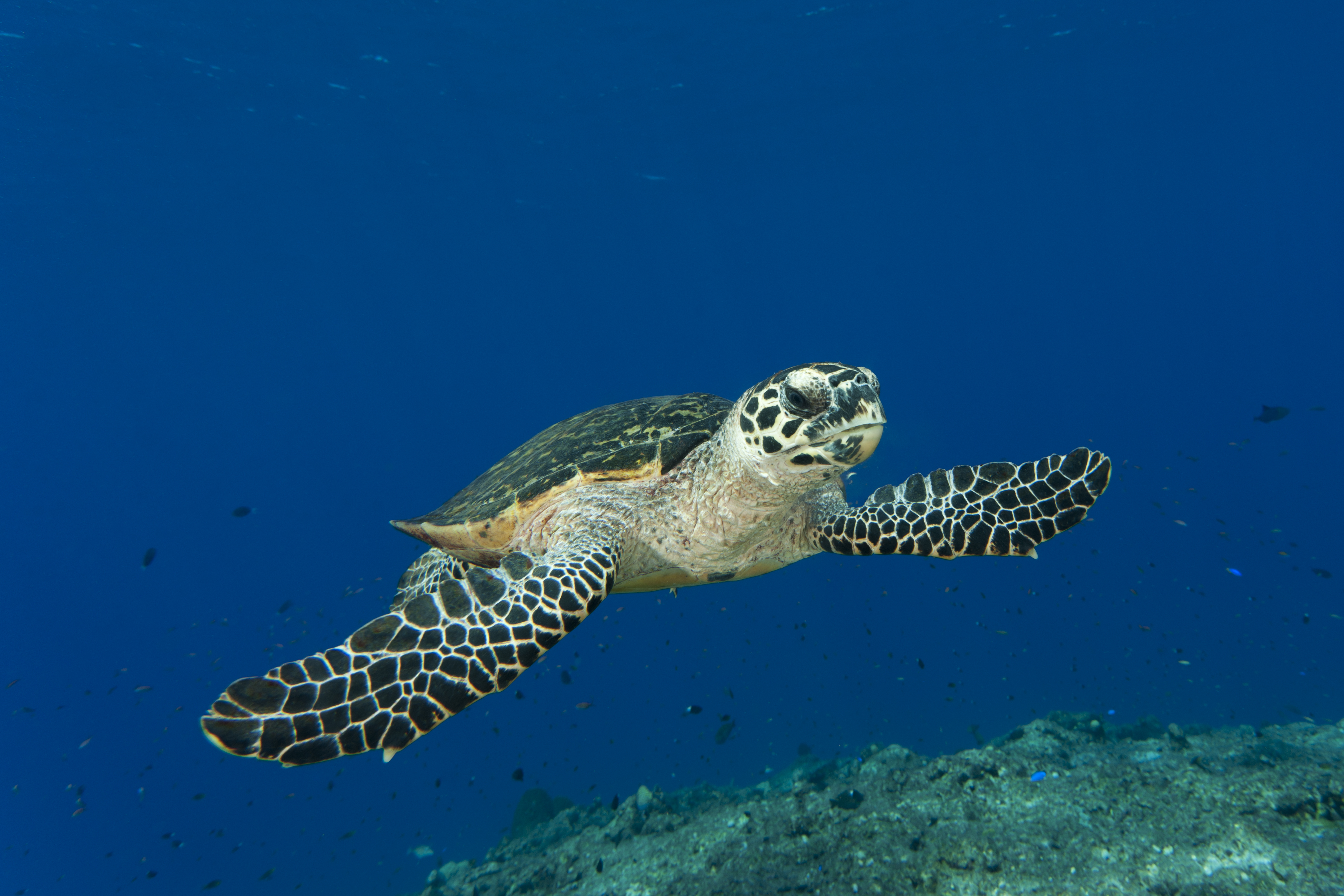
Nature-Positive Business for Climate Critical Ecosystems – implemented in Fiji and Solomon Islands in partnership with WWF-Pacific, this project maintains and enhances the functionality of linked climate-critical ecosystems, including reefs, mangroves, and forests, through community-led approaches to resource management and nature-positive livelihoods.
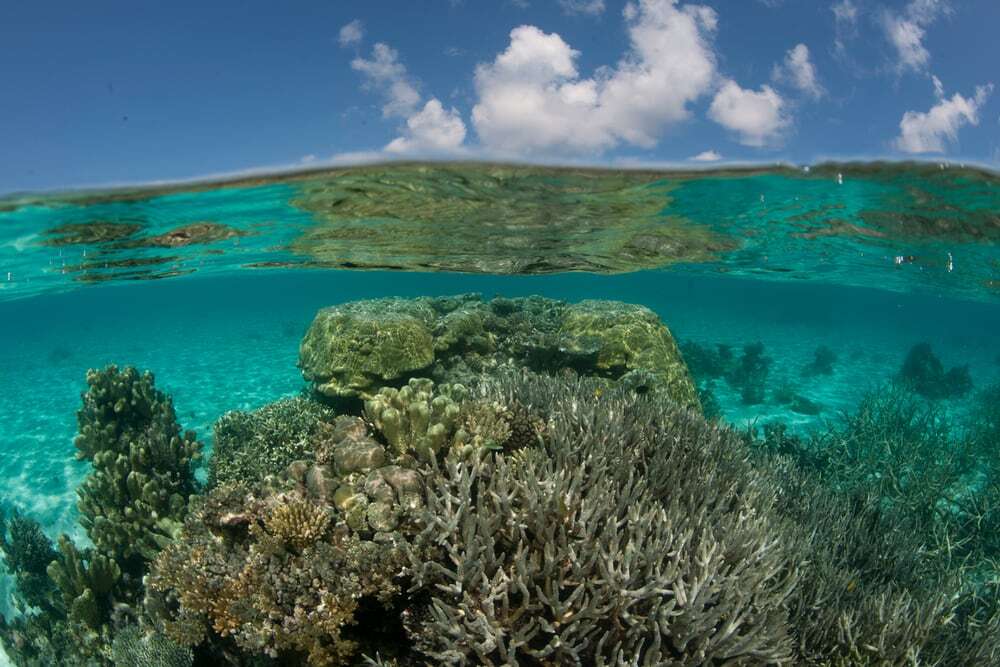
Community-led Coral Reef Restoration - Community, Corals, and Chickens – implemented in Fiji, Samoa, and Papua New Guinea in partnership with the Kyeema Foundation, this project supports young Indigenous scientists and community leaders from Fiji and Papua New Guinea with climate adaptation training that helps restore compromised reef ecosystems and linked mangrove habitats.
Expanding Nature-based Solutions in the Siphandone Riverscape – implemented in Laos in partnership with WWF-Laos, this project works with climate-vulnerable communities to promote sustainable fisheries and the creation of Fish Conservation Zones in the Siphandone and the surrounding forest habitat. It also promotes ecosystem-based adaptation to climate change for sustainable livelihoods.
Community-based Participation in Nature-based Climate Solutions – implemented in Papua New Guinea and Solomon Islands in partnership with Save the Children supports communities in coastal areas to build resilience to climate change impacts by managing and protecting coastal ecosystems. This is achieved through meaningful participation with women and people with disabilities as well as upskilling youth to engage with nature-based solutions.
Nature-based Solutions for Forests and People – implemented in Vanuatu and Papua New Guinea in partnership with Live & Learn Environmental Education, this project works with Indigenous communities to protect and restore critical ecosystems as well as build social, economic, and climate resilience through sustainable carbon finance.
Community-led Coral Reef Restoration - Community, Corals, and Chickens – implemented in Fiji, Samoa, and Papua New Guinea in partnership with the Kyeema Foundation, this project supports young Indigenous scientists and community leaders from Fiji and Papua New Guinea with climate adaptation training that helps restore compromised reef ecosystems and linked mangrove habitats.
Community-led Coral Reef Restoration - Community, Corals, and Chickens – implemented in Fiji, Samoa, and Papua New Guinea in partnership with the Kyeema Foundation, this project supports young Indigenous scientists and community leaders from Fiji and Papua New Guinea with climate adaptation training that helps restore compromised reef ecosystems and linked mangrove habitats.
Nature-Positive Business for Climate Critical Ecosystems – implemented in Fiji and Solomon Islands in partnership with WWF-Pacific, this project maintains and enhances the functionality of linked climate-critical ecosystems, including reefs, mangroves, and forests, through community-led approaches to resource management and nature-positive livelihoods.
Community-based Participation in Nature-based Climate Solutions – implemented in Papua New Guinea and Solomon Islands in partnership with Save the Children supports communities in coastal areas to build resilience to climate change impacts by managing and protecting coastal ecosystems. This is achieved through meaningful participation with women and people with disabilities and upskilling youth to engage with nature-based solutions.
Community-led Farmer Managed Natural Regeneration (FMNR) of mangroves and tropical forests in North Malaita and Makira-Ulawa - implemented in Solomon Islands in partnership with World Vision Australia, this project partners with communities to regenerate, restore and protect agricultural land and tropical forests and pilot Farmer Managed Natural Regeneration programs with mangroves.
Transforming Rural lives through Adaptation and Carbon Capture (TRACC) – implemented in Timor-Leste in partnership with Caritas, this project uses nature-based solutions to reduce deforestation and promote agroforestry in Timor-Leste. It delivers essential climate mitigation and adaptation impacts, analyses barriers to deforestation behaviour change, and introduces agroforestry practices to 500 households.
Ni-Vanuatu Women Leading Solutions to Climate Change – implemented in Vanuatu in partnership with ActionAid, this project empowers 1,000 women, including women with disabilities, to lead agroecology solutions to protect the agro-biodiversity of soil on Tanna and Erromango islands.
Nature-based Solutions for Forests and People – implemented in Vanuatu and Papua New Guinea in partnership with Live & Learn Environmental Education, this project works with Indigenous communities to protect and restore critical ecosystems as well as build social, economic and climate resilience through sustainable carbon finance.
Expanding Nature-based Solutions in the Mekong Delta – implemented in Vietnam in partnership with WWF-Vietnam, this project works with the local communities to adopt flood-based livelihood strategies, including a mixed aquaculture model for floating rice and fish. This includes providing access to green financing mechanisms and fish restoration programs that enhance sedimentation and water storage by restoring natural flooding processes in the delta.
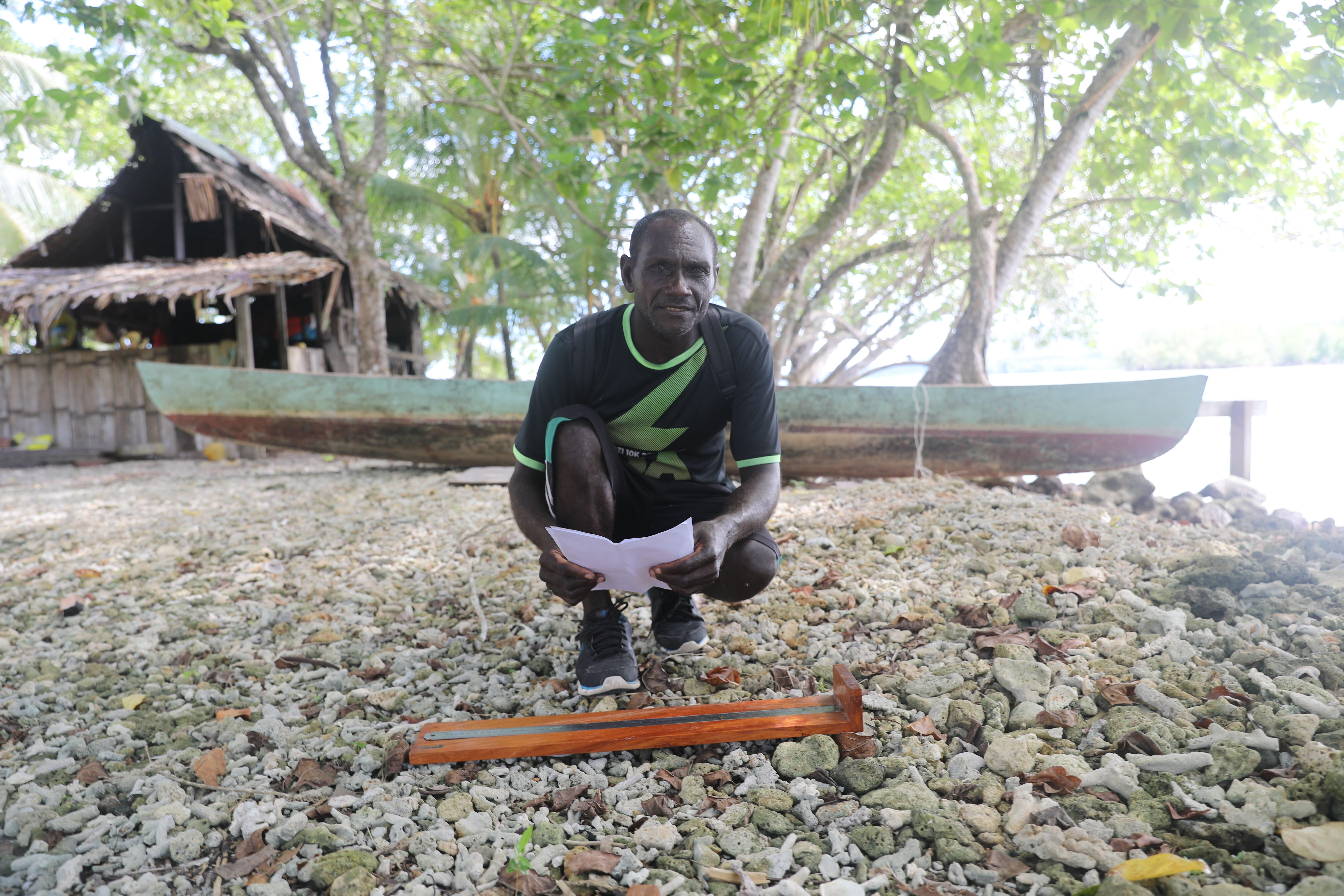
Stories from our projects
WWF Reports
Powering Nature: Creating the conditions to enable nature-based solutions
PDF 22.41 MBNature-based solutions for climate change
PDF 2.37 MBA blueprint for high-quality interventions that work for people, nature and climate
PDF 14.88 MBReview of nature-based solutions in the Pacific region: Focus and opportunities
PDF 1.55 MBThe state of voluntary carbon markets in the Pacific
PDF 1.78 MBDeforestation and Land Degradation Barrier Analysis Report
PDF 1.97 MBCase Studies
This form could not be loaded. Please check the configured form URL.