Skip to content
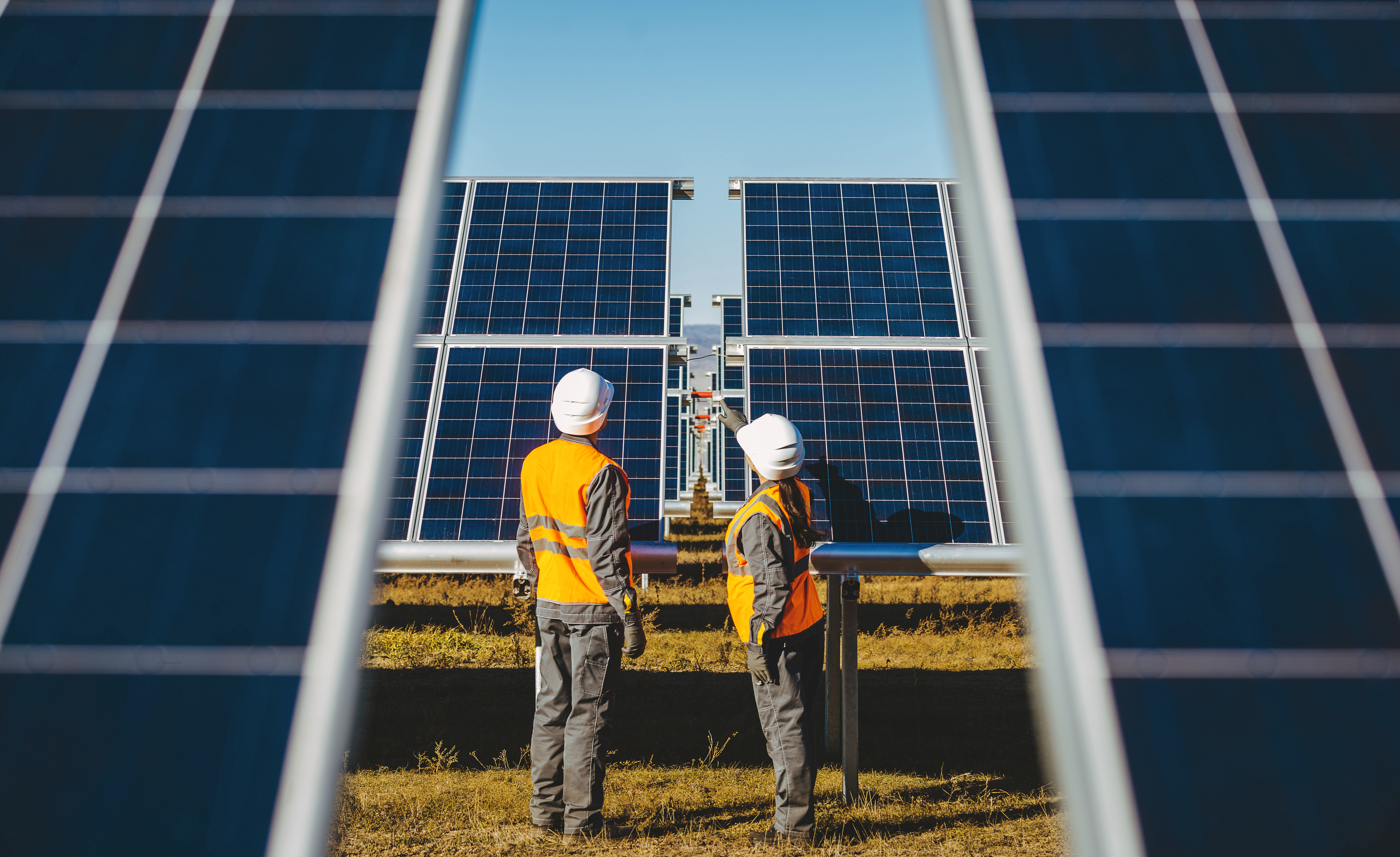
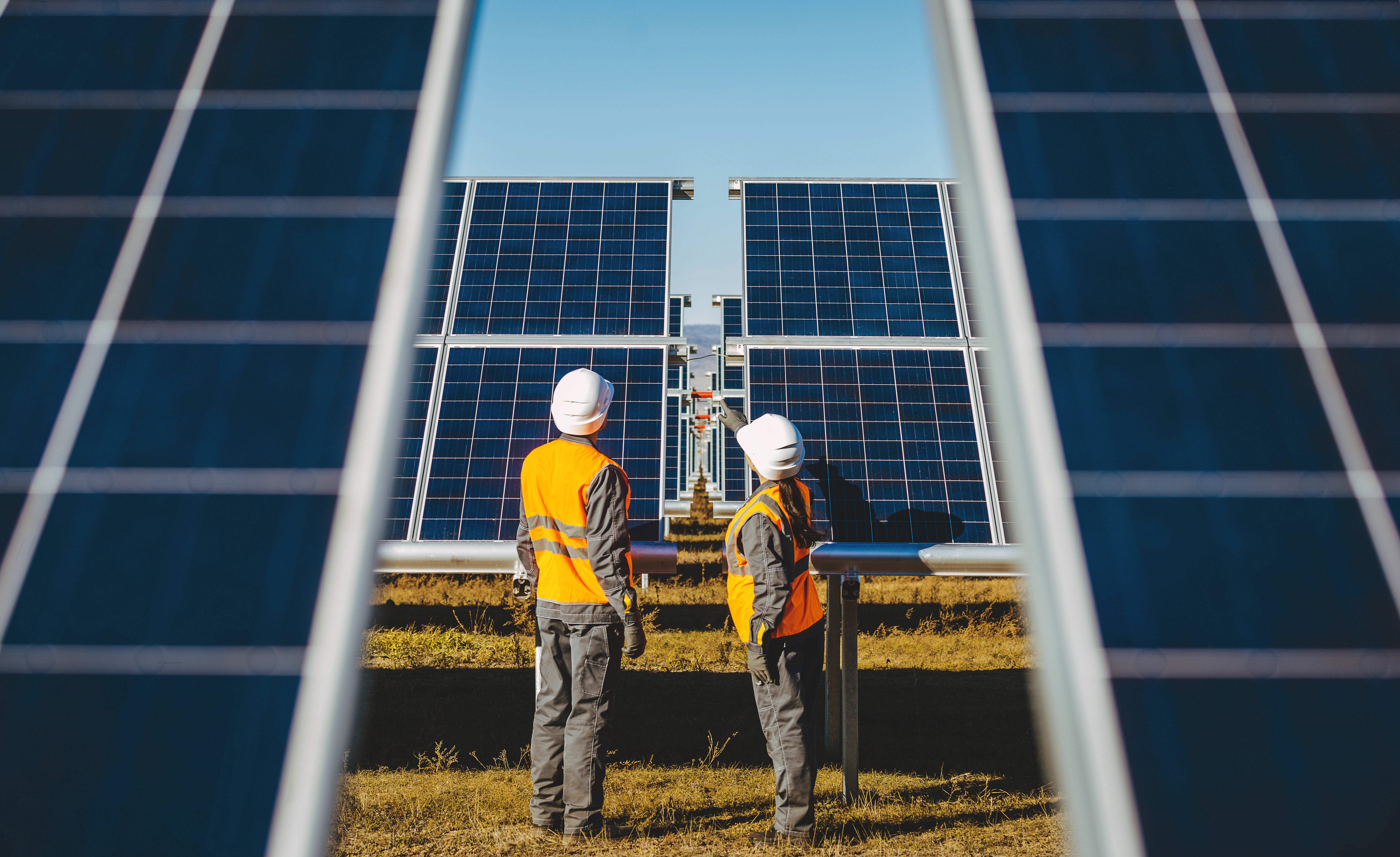
Renewable energy wind workers
Renewable energy wind workers © WWF-Australia / serts / iStock

Renewables Australia

Global heating is rapidly impacting the people, animals and places we love – and the impacts are not equal for some. Australia needs to rapidly shift towards a more renewable future that protects people and the planet.


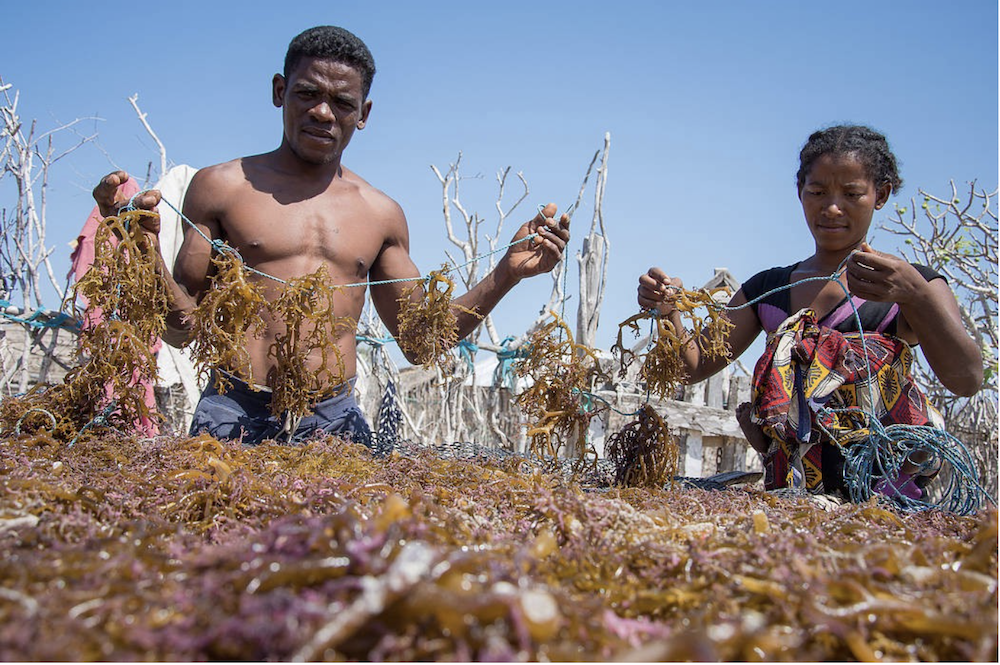
Activities like burning fossil fuels are polluting our atmosphere and warming our planet, increasing extreme weather events, rising sea levels and the warming and acidification of our oceans. Our wildlife and ecosystems are struggling to adapt fast enough. The Indigenous Peoples of the Pacific, including the First Peoples of Australia and Torres Strait, contribute the least to human-induced climate change but bear the worst of the impacts.

Australia needs to rapidly shift away from fossil fuels to a renewable future that works for people and the planet. 

Although the world is increasingly doing more to transition to renewables and decarbonise emissions-intensive industries to combat climate change, it is critical to influence how this transition occurs for meaningful impact. 

We need a fast, best, and just transition to renewable energy, products and systems that protect and restore nature and benefit people and communities. 

It is now time to build fast to keep 1.5°C warming in reach, best to reverse the trend of biodiversity loss, and just to achieve an inclusive, just and resilient transition for local communities, in particular First Nations communities.

Decarbonisation explained

What is decarbonisation?

Decarbonisation describes the process of reducing or eliminating carbon dioxide and other greenhouse gas emissions from human activities that contribute to global warming.

Regardless of your industry, nearly all our activities have some form of carbon footprint – from the fossil fuels burned to generate electricity to the fuel used in trucks to transport goods to your front step.  

Why is decarbonisation important?

Decarbonisation is essential for addressing climate change, protecting the environment, fostering economic growth, ensuring energy security and promoting social equity. However, decarbonising effectively involves a highly integrated approach across all industries, changing entire economic systems through the process.

While transitioning our energy grid is a significant driver of decarbonisation, we also need to shift market behaviours, use our resources more efficiently, create policies that nurture innovation and encourage investment to facilitate this transition. We must ensure that these efforts are fast, best and just for both people and nature.

Decarbonisation also offers significant opportunities for innovation, job creation, and economic growth in renewable energy, sustainable agriculture, and many low carbon industries such as greening metals, mining and materials.  

How can Australia decarbonise?

WWF-Australia recognises the need for Australia to set ambitious goals to phase out fossil fuels and reach net-zero well ahead of 2050. We are calling on the Australian Government and all States and Territories to aim to reduce their emissions by at least 90% below 2005 levels by 2035 as the absolute minimum, and ideally net-zero by 2035.

To achieve this, Australia needs a highly integrated, large-scale and systems-based approach across various industries.

Currently, the built environment is responsible for a quarter of Australia’s carbon emissions, with over 80% coming from operational activities such as lighting and heating. The iron and steel sectors also have the highest carbon dioxide emissions of all heavy industries and the second highest energy consumption.

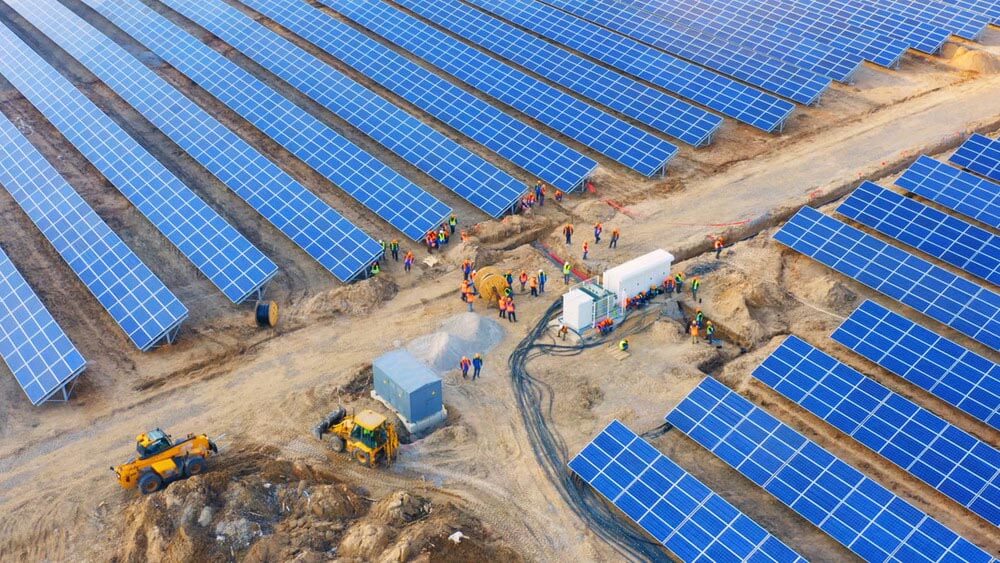
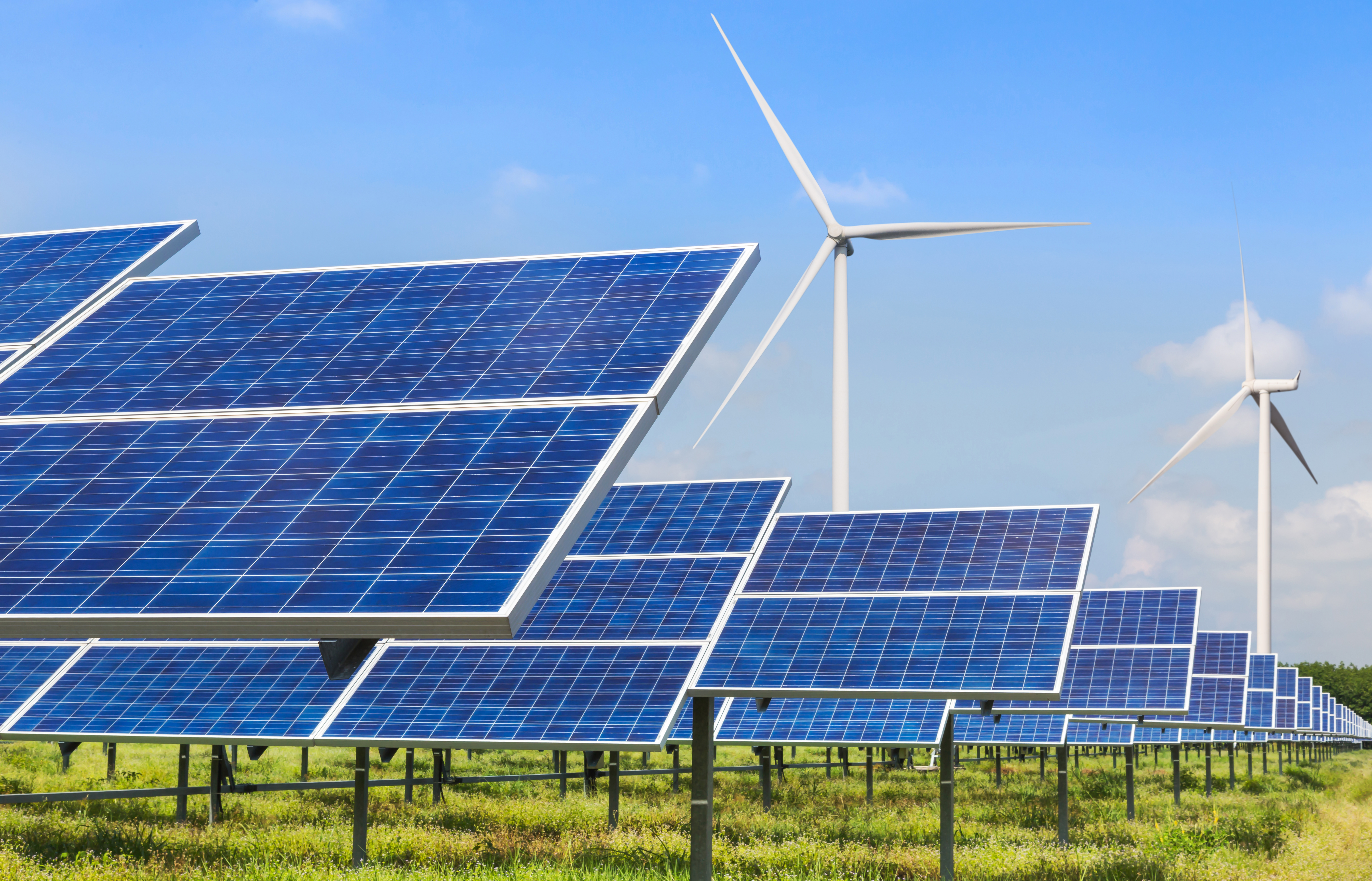
Transitioning Australia’s energy grid to renewable energy sources like solar and wind will play a vital role in decarbonising the most emissions-intensive industries, but it does not stop there. New innovations and technologies can be implemented to further decarbonise other aspects across supply chains.  

Facts about renewable energy in Australia

What is renewable energy?

Renewable energy, sometimes called clean energy, refers to energy from natural sources or processes that can be constantly replenished. Some of the most common renewable energy sources include solar, wind, and hydropower. 

How much of Australia's energy is generated by renewable energy?

A report found that renewables accounted for almost 40% of Australia’s electricity supply in 2023. This record high is one step closer to the Australian Government’s target of 82% renewable energy by 2030.

How many jobs will renewables create in Australia?

Research revealed that a transition to an Australian economy driven by clean energy in five priority clean exports could potentially add $100b in value to the economy and over 400,000 jobs to the market.

These five priority clean exports include:

1. Critical minerals

2. Green iron & steel

3. Batteries

4. Green hydrogen and ammonia

5. Green alumina and aluminium

What is Australia's renewable energy target?

Through the ‘Powering Australia’ Plan, the federal government set the goal for Australia to generate more than 82% of its electricity from renewable sources by 2030.

As we electrify more of our economy, such as through buildings and transport, the demand for electricity will only increase. The Australian Energy Market Operator (AEMO) has forecast that Australia will need seven times the current levels of utility wind and solar and four times the current levels of consumer energy resources by 2050.

WWF-Australia is calling for our government to set an ambitious goal of reaching 700% renewables by 2050 to become a Renewable Energy Export Superpower and replace our fossil fuel exports.

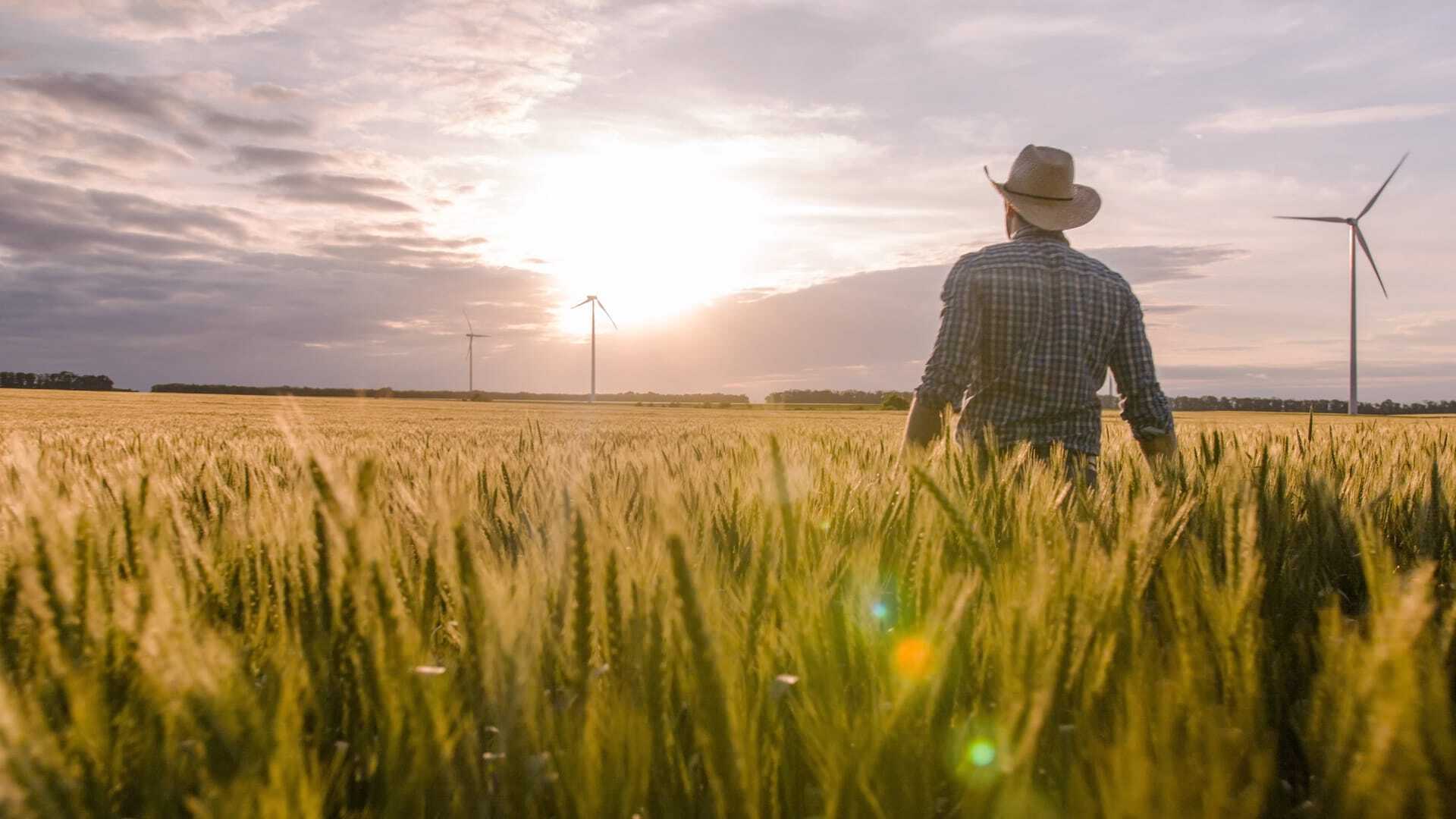
A man walking through wheat field with wind turbines and sun.
© Pond5 / CleverArts / WWF

Renewables and nature

Any power generation, even using renewables, disrupts the natural environment on which we all depend. While a rapid shift to renewable energy is crucial to decarbonising our activities and preventing the worst impacts of climate change, the impact of this energy production on people and the planet must also be considered.

WWF is facilitating the Coalition Linking Energy And Nature for Action (CLEANaction) and working globally to connect nature and climate crises. It aims to highlight the need for careful assessment of new renewable energy projects and their impact on biodiversity, providing options for decision-makers to prioritise options that are least damaging to nature.

In its first major report, CLEANaction confirms that even when the full range of environmental impacts - from sourcing raw materials to final operation - is considered, generating and storing energy from renewables is far less environmentally damaging than fossil fuels.

To achieve a clean energy future that takes complete account of the impact on nature, CLEANaction is urging governments to: 

  • Undertake strategic-level energy planning at national or regional scales to identify potential energy savings, suitable renewable energy sources, and sites for energy expansion in areas of low biodiversity sensitivity. 

  • Consider the impact on nature at the earliest stage of integrated clean energy planning, taking account of the entire value chain - from sourcing material to disposal. 

  • Develop national regulatory schemes that require energy developers to contribute to national conservation targets. 

  • Invest in timely nature-sensitivity mapping to help direct technology sifting through proper data and require industry to avoid protected areas, key biodiversity areas, and other areas of particular cultural sensitivity and value. 

  • Apply stringent environmental impact assessment processes and require standards for all new developments according to best practices. 

  • Adopt a circular economy approach with optimised energy efficiency to maximise the reuse of energy materials and minimise the demand for natural resources. 

Read the report here

WWF-Australia's vision

WWF-Australia is calling on our leaders to rapidly phase out fossil fuel exports and secure Australia's position as a Renewable Energy Exports Superpower by ensuring a fast, best, and just transition to 700% renewable energy production by 2050. Australia is the third largest exporter of fossil fuels, and we need to act quickly to realise the economic, social and environmental benefits of a renewable future.
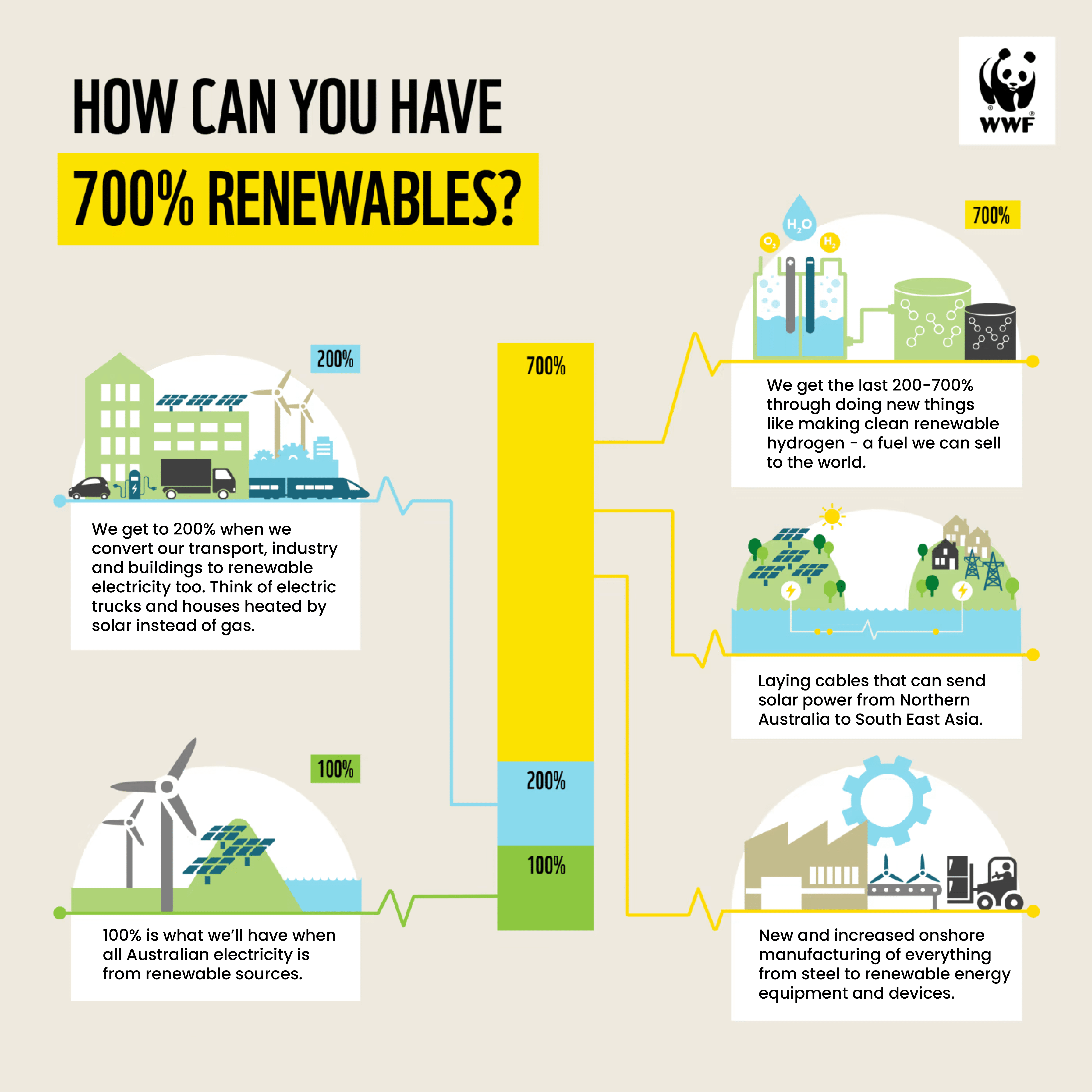
Infographic explaining how Australia can achieve 700% renewables.
© WWF-Australia

How can you have 700% renewables?

700% renewable energy means that Australia has the potential to not only meet its own needs with 100% renewable energy but also export 600% of that value to the world, cementing Australia as a Renewable Energy Export Superpower. 

We can calculate it as follows:   

  • 100% is what we’ll have when all Australian electricity is from renewable sources. 

  • We get to 200% when we convert our transport, industry and buildings to renewable electricity. Think of electric trucks and houses heated by solar instead of gas. 

  • We get the last 200-700% by doing new things like making clean, renewable hydrogen - a fuel we can sell to the world. 
How we’ll achieve our vision

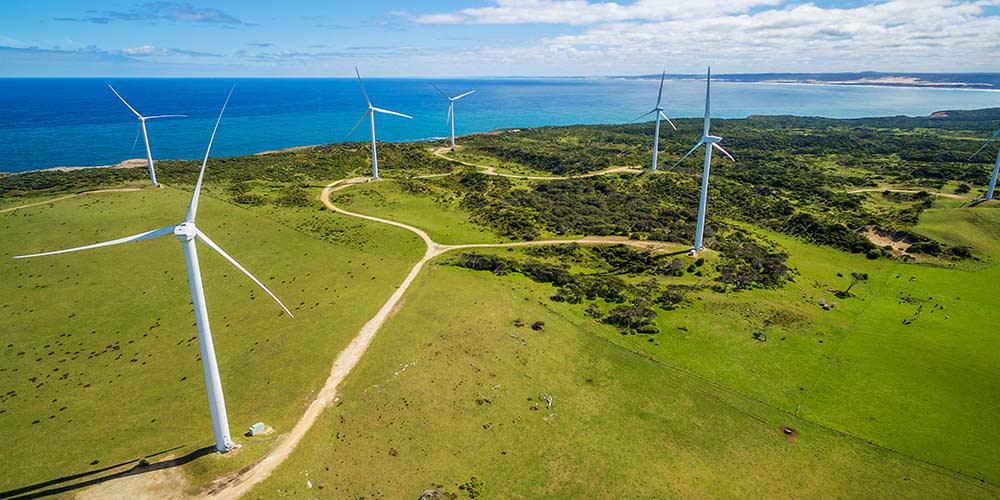
Aerial view of wind farm in rural area on bright sunny day in Australia
© Greg Brave - stock.adobe.com

Working towards a Nature Positive Energy transition that works for people and the planet by:

  • Ensuring that the transition minimises impacts on nature. 

  • Facilitating best practices to realise opportunities for nature-positive outcomes from the transition. 

  • Communicating the benefits of the energy transition to build broad support. 

  • Advocating for strong ambition and targets that reflect relevant climate science. 
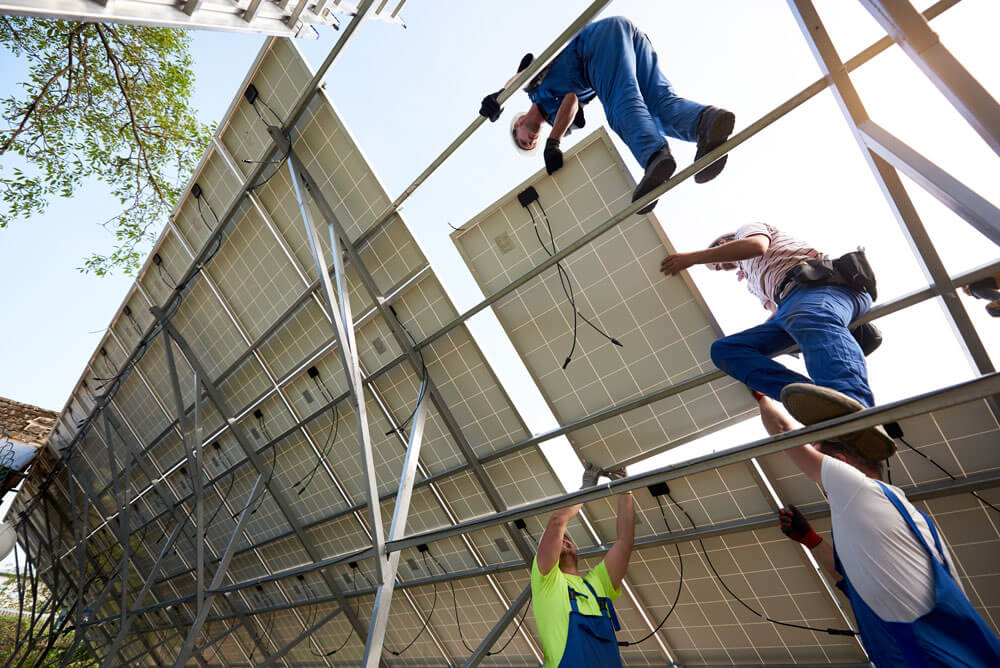
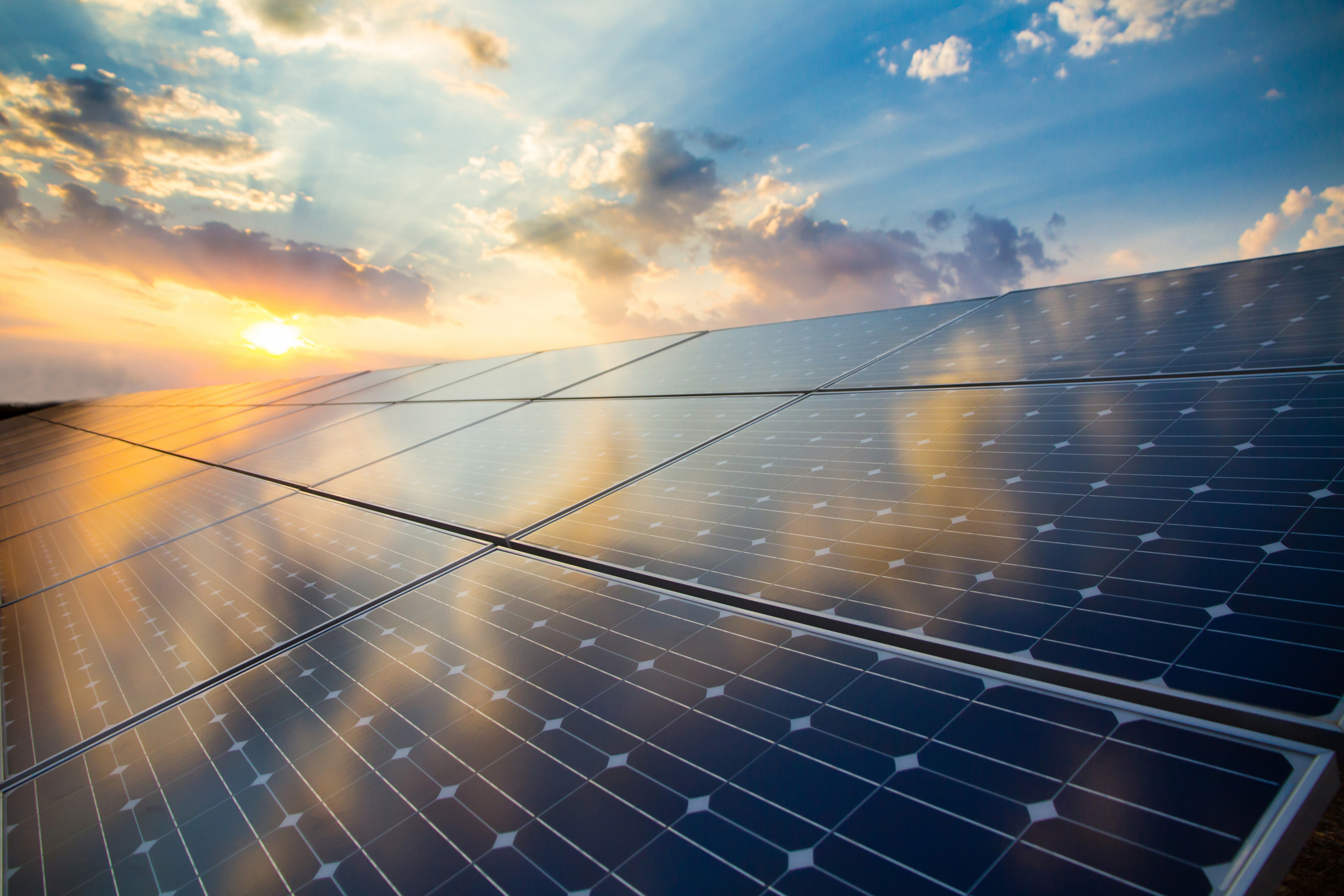
Solar installation
Solar installation © Anatoliy_gleb / WWF-Australia

Building unstoppable momentum to reduce embodied carbon in buildings and the construction industry through:

  • Demonstrating consistent demand for lower and zero carbon materials;

  • Best practice measurement of embodied carbon;

  • Knowledge sharing & skills development;

  • Developing common language for procurement guidelines;

  • Managing transition risks & risk sharing in the use of innovative materials and 

  • Supporting the reduction of embodied carbon in construction materials like steel, concrete, aluminium, engineered timber, and others.
MECLA
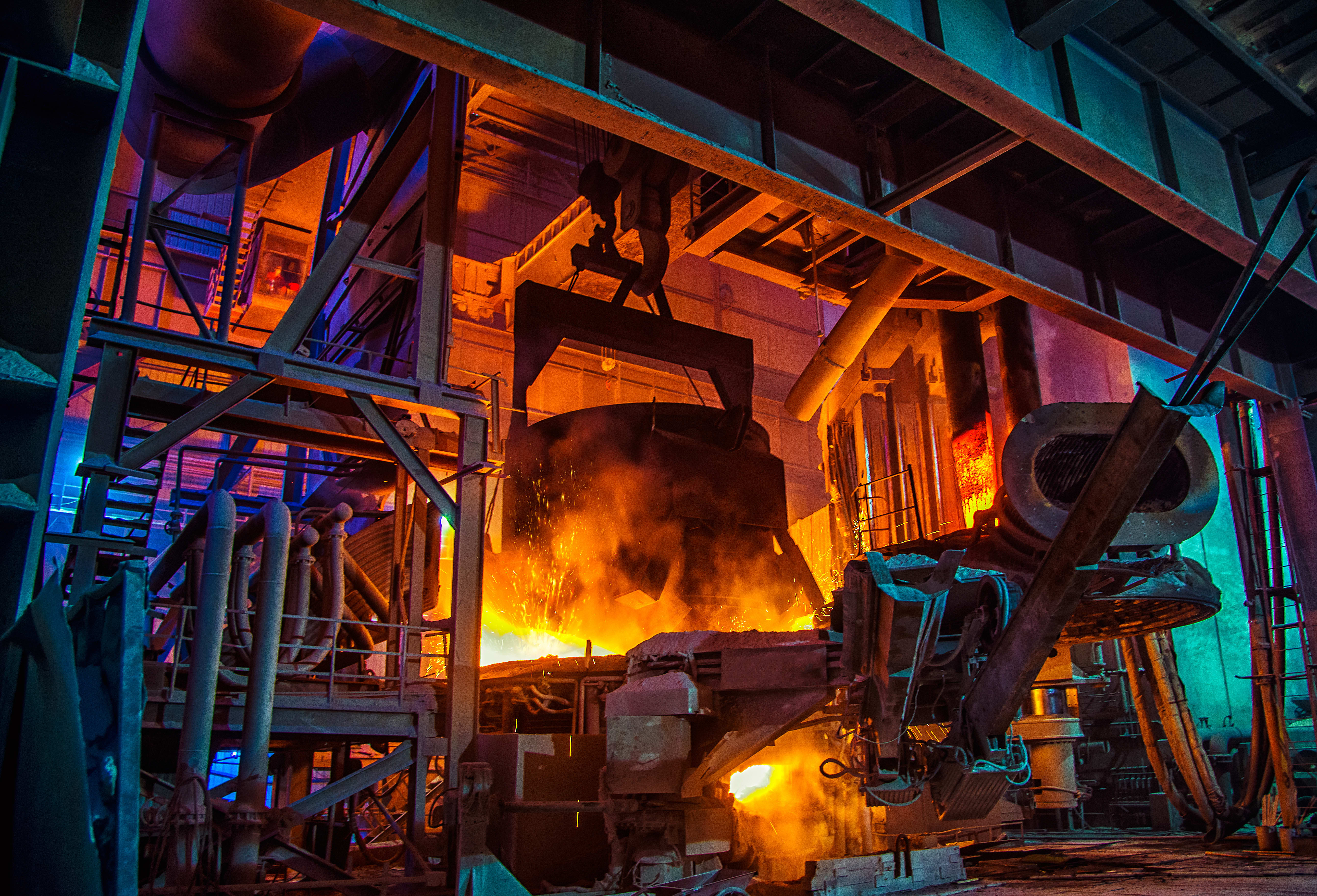
Steelmaking workshop.
Steelmaking workshop. © Zhang Sheng / Shutterstock / WWF

Supporting Australia’s transition towards decarbonised steel production as a major global coal, gas and iron ore exporter by:

  • Encouraging investment in Australia’s renewable energy resources and green hydrogen infrastructure. 

  • Ensuring a commitment to a greener iron trading identity. 

  • Promoting discussion and cooperation with key trading partners like Japan, Korea and China to better support the transition to decarbonised steel. 

Download - Highlights: Australia's Green Iron Key
Download - Report: Australia's Green Iron Key
Download - Case Study: A Green Steel and
Clean Energy Leadership

Regenerative Sky

WWF-Australia is not only dedicated to making Australia a Renewable Energy Export Superpower, but our vision is to support Australia in becoming a global leader in securing a healthy climate powered by communities, nature and renewable energy.

Read our climate strategy

Our Reports

WWF has been developing concrete policy proposals to accelerate Australia to become a renewable superpower. Read our reports:

Explore more

Loading form…