Farmed Seafood
Around the world, our taste for fish is tipping the boat. More than 31% of the world's fisheries are estimated to be overfished. Worse still, global consumption is projected to increase by 31 million tonnes over the next decade, which is about 33% more than the current wild catch.
What this means is that wild fish populations are not going to be able to meet future demand. Farmed fish, or aquaculture, will have to make a greater contribution to protein production. But not just any aquaculture.
Without safeguards, aquaculture comes with its own significant environmental risks. Poorly sited operations can result in the clearing of valuable and highly productive habitats such as mangroves and seagrass beds. Irresponsible operations can also result in extensive nutrient pollution, the release of harmful chemicals, the introduction of non-native species and the spread of disease into native fish populations. Another major challenge is that aquaculture food is made from wild fish.
What we're doing
Sustainably farmed prawns
Australia's prawn farming industry operates predominantly along the coast of the Great Barrier Reef, which is already under pressure from poor catchment management practices, coastal development and climate change. WWF is working with the prawn farming industry to raise growers' awareness of sustainable management practices.
Sustainable buying decisions
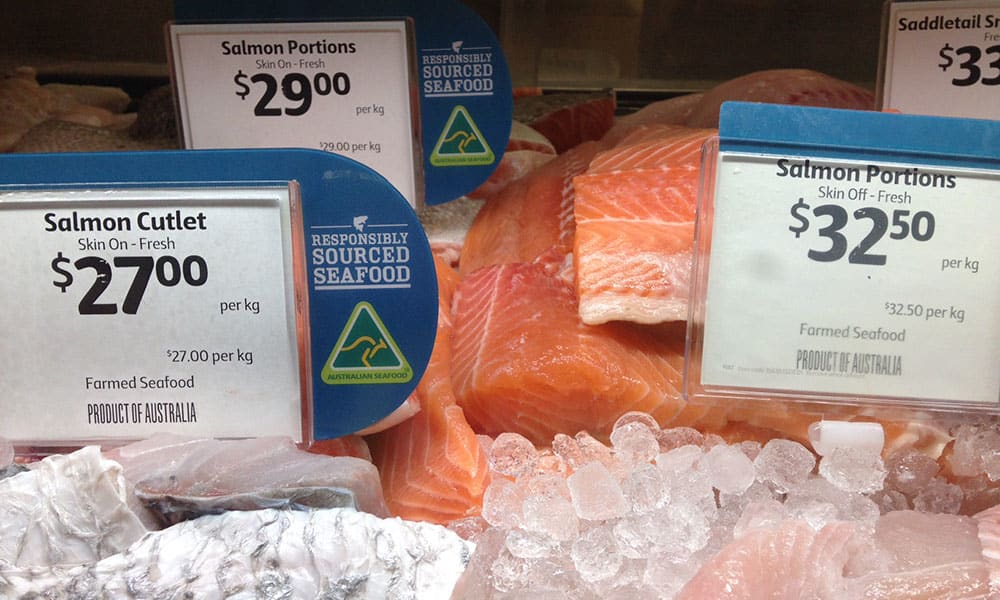
WWF works with retail and wholesale seafood businesses to help them make responsible decisions about purchasing farmed seafood - and to help them offer consumers more responsibly farmed seafood. Businesses communicating to their suppliers that they want responsibly farmed seafood has encouraged many farmers, in Australia and overseas, to improve their practices and take up ASC certification.

Helping you find responsibly farmed seafood
Standards like Aquaculture Stewardship Council (ASC) certification are important tools, often providing the initial steps to drive improvements. However, these fully independent certification schemes also require continual monitoring and evaluation as new scientific evidence comes to light.
Why it matters
Globally, seafood is the primary source of protein for about 950 million people. This is putting extreme pressure on wild fish stocks, and driving new demand for farmed seafood.
In 2014, farmed seafood for human consumption exceeded wild-caught seafood for the first time. As the world's population continues to grow, farmed seafood will become an increasingly important source of protein.
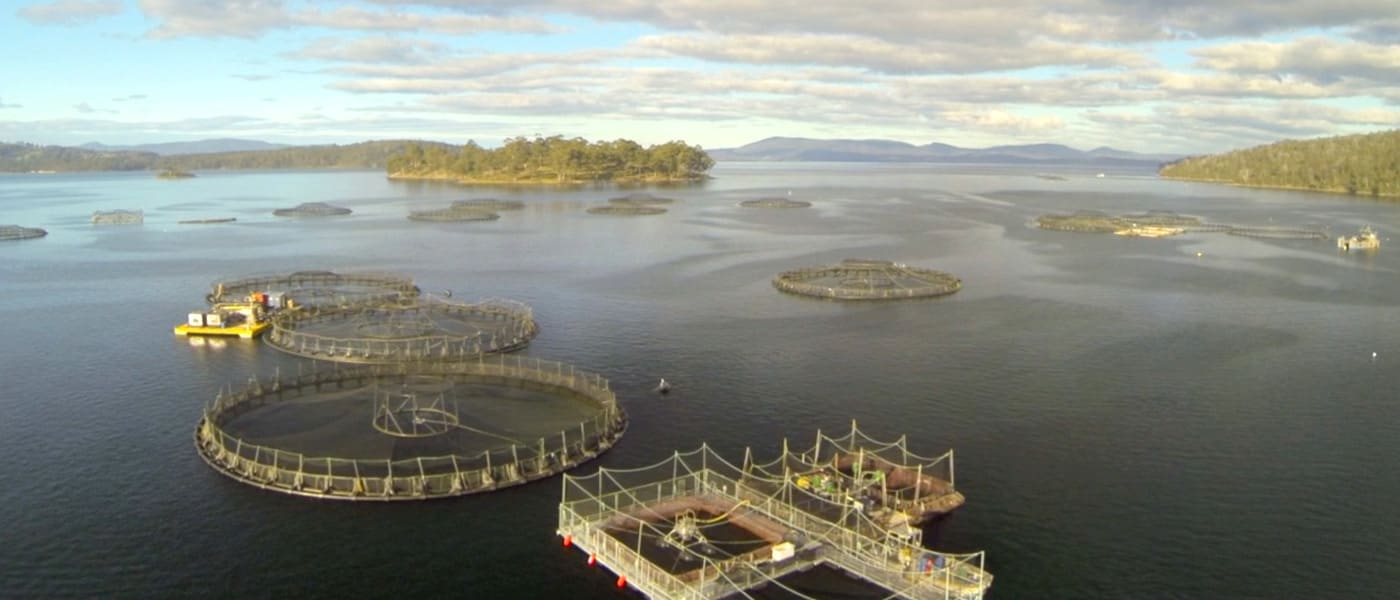
Aquaculture is a rapidly expanding industry which, when farming operations are responsible, can provide an important source of protein and reduce the pressure on wild-caught fisheries. Standards like ASC are important tools, often providing the initial steps to drive improvements in aquaculture farming practices to ensure that farming is carried out in an ecologically responsible manner. However, these fully independent certification schemes also require continual monitoring and evaluation. WWF-Australia will continue to work to ensure the continual improvement of such schemes as new scientific evidence comes to light, calling for robust standards, oversight, and implementation.
Impacts
Chemicals
Habitat destruction
Nutrient pollution
Disease
Aquaculture food
What you can do to help
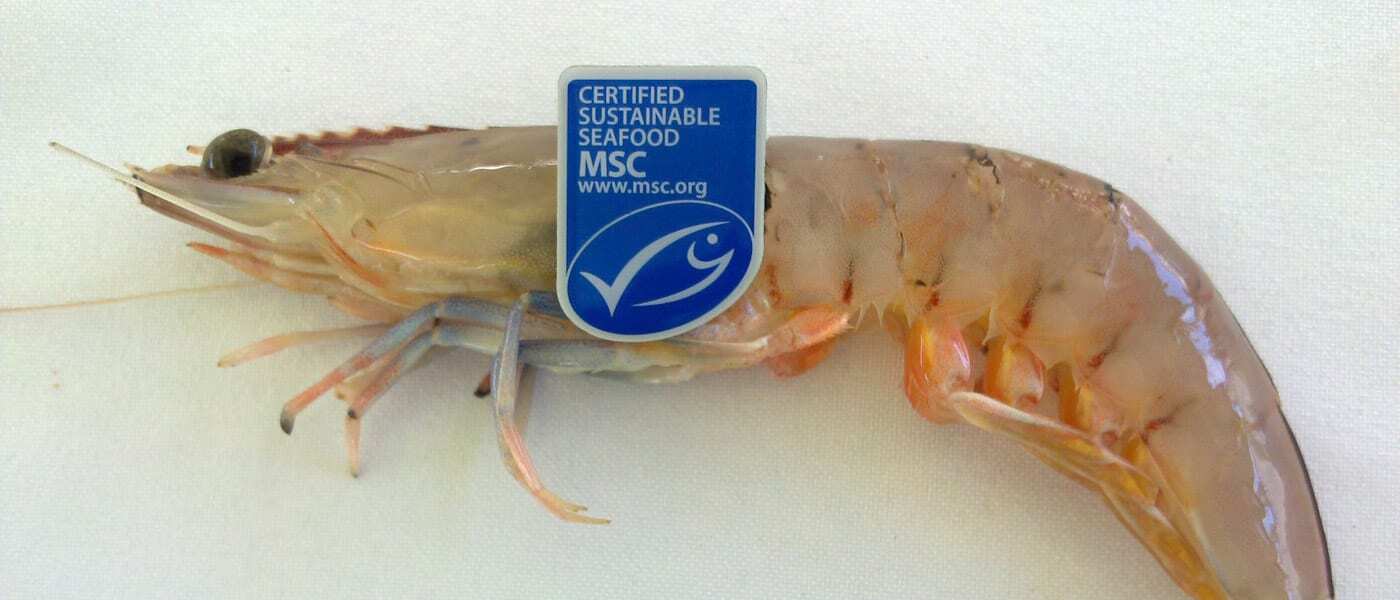
The Marine Stewardship Council (MSC) and the Aquaculture Stewardship Council (ASC) provide a framework of standards under which seafood products can be audited and certified as meeting essential environmental requirements for responsible practices. Such standards are important tools, often providing the initial steps to drive improvements in wild-caught fisheries and aquaculture farming practices. However, these fully independent certification schemes also require continual monitoring and evaluation as new scientific evidence comes to light.
We will continue to challenge and work to ensure the continual improvement of such schemes as new scientific evidence comes to light, calling for robust standards, oversight, and implementation. WWF works to ensure that through strong government laws and regulations, scientifically-robust certification standards, and transparency in where food comes from, we can all be assured that the seafood we eat has been sourced in the most responsible ways.
This form could not be loaded. Please check the configured form URL.