Skip to content
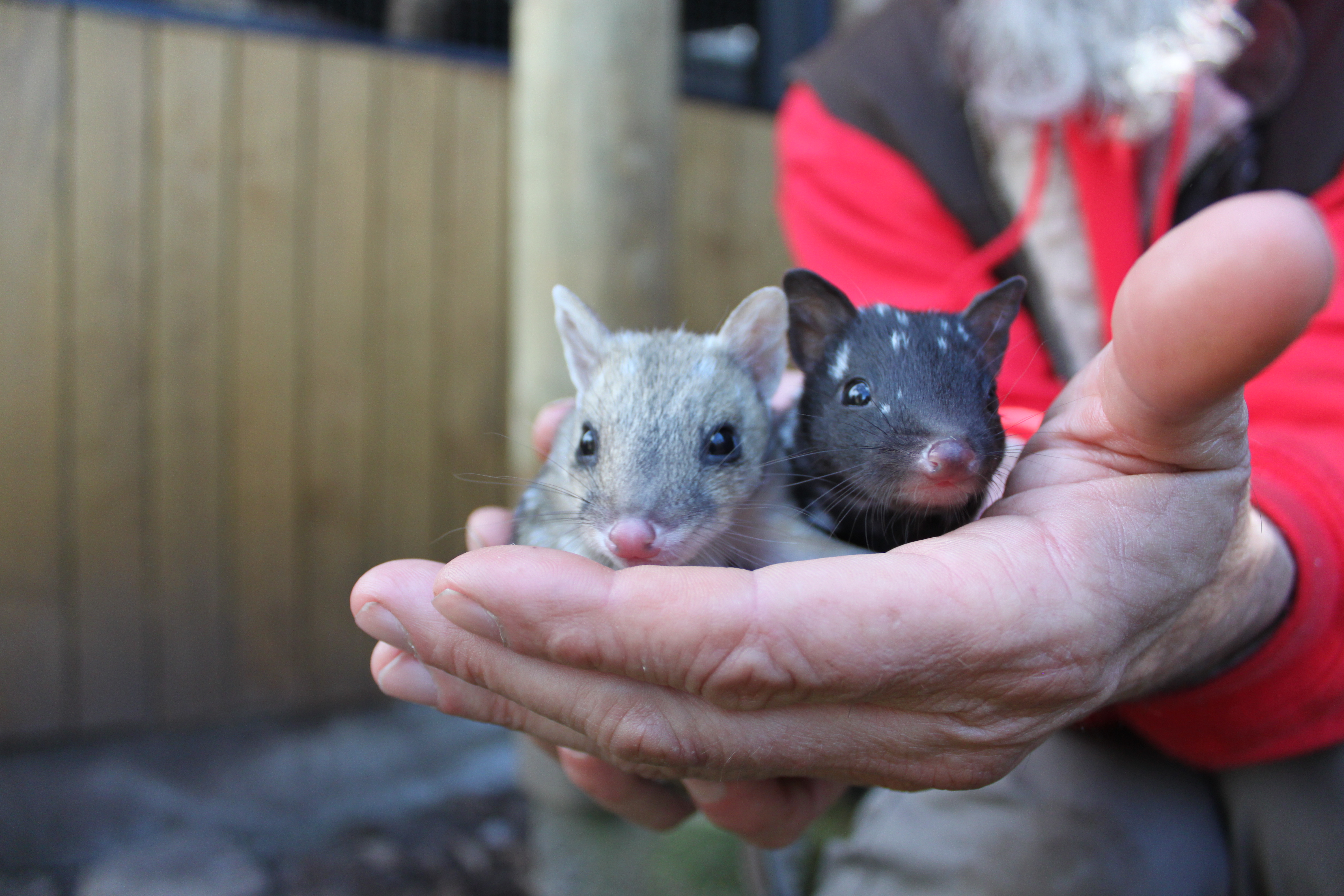
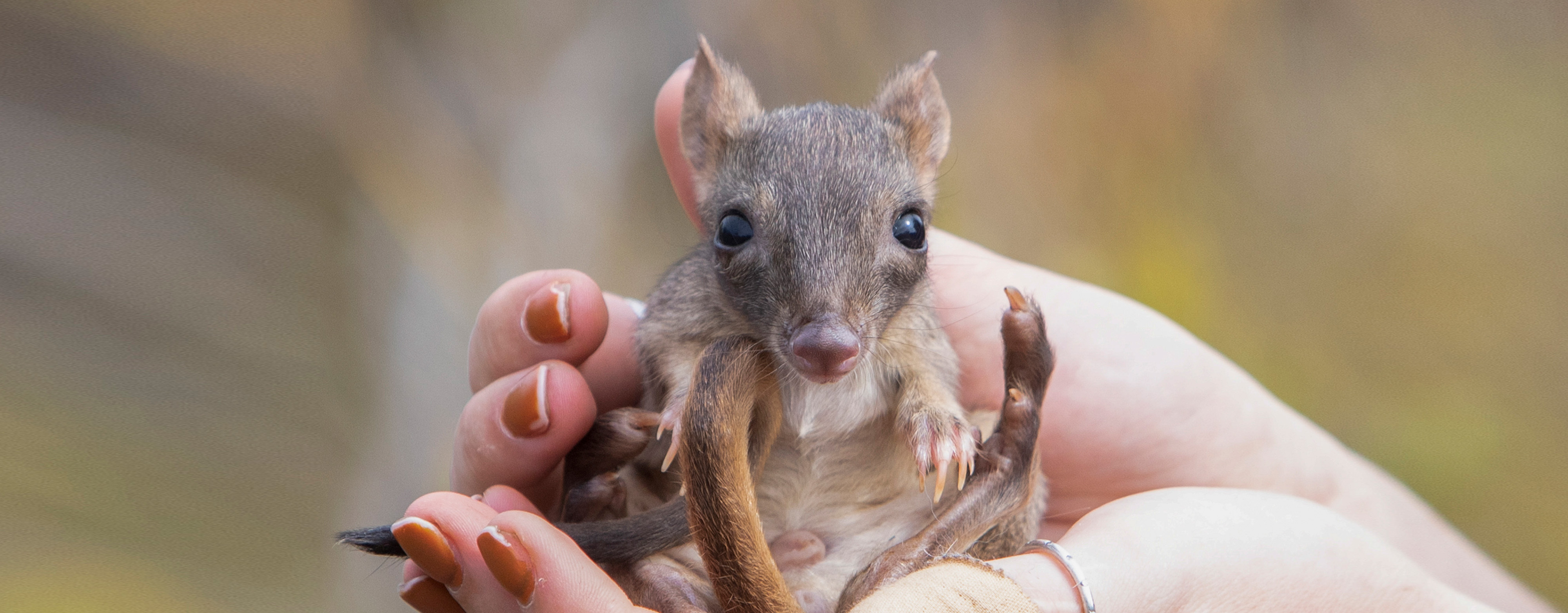
A juvenile bettong born on Yorke Peninsula.
A juvenile bettong born on Yorke Peninsula. © WWF-Aus / think Mammoth

Ecosystem Restoration

Restoring Ecosystems to protect and Regenerate Nature

Restoring Ecosystems unites Traditional Ecological Knowledge with modern science, to protect vulnerable wildlife and build thriving ecosystems. Many of Australia’s animals play an important role within our landscapes, as ecosystem regulators or ecosystem engineers, and are culturally important to both Aboriginal culture and the broader Australian community. 

Why do we need to restore Australia's Ecosystems?

Australia is home to an incredible array of animals and plants found nowhere else in the world. Sadly, more than 1,900 plants and animals are threatened with extinction. Wildlife populations across Australia have decreased significantly due to the introduction of invasive species, habitat destruction and a rapidly changing climate.

Our focus is on supporting strategies that test and scale-up methods that help reverse the decline of culturally important wildlife and move beyond just preventing further extinction toward our goal of Regenerating Nature by 2030. 

By restoring ecosystems, we aim to improve the resilience and adaptability of our wildlife and landscapes to current and future threats - creating a future richer for both people and nature. 

Our key projects

Bringing back the bounce 

Rewilding bandicoots, potoroos and bettongs to restore ecosystem function
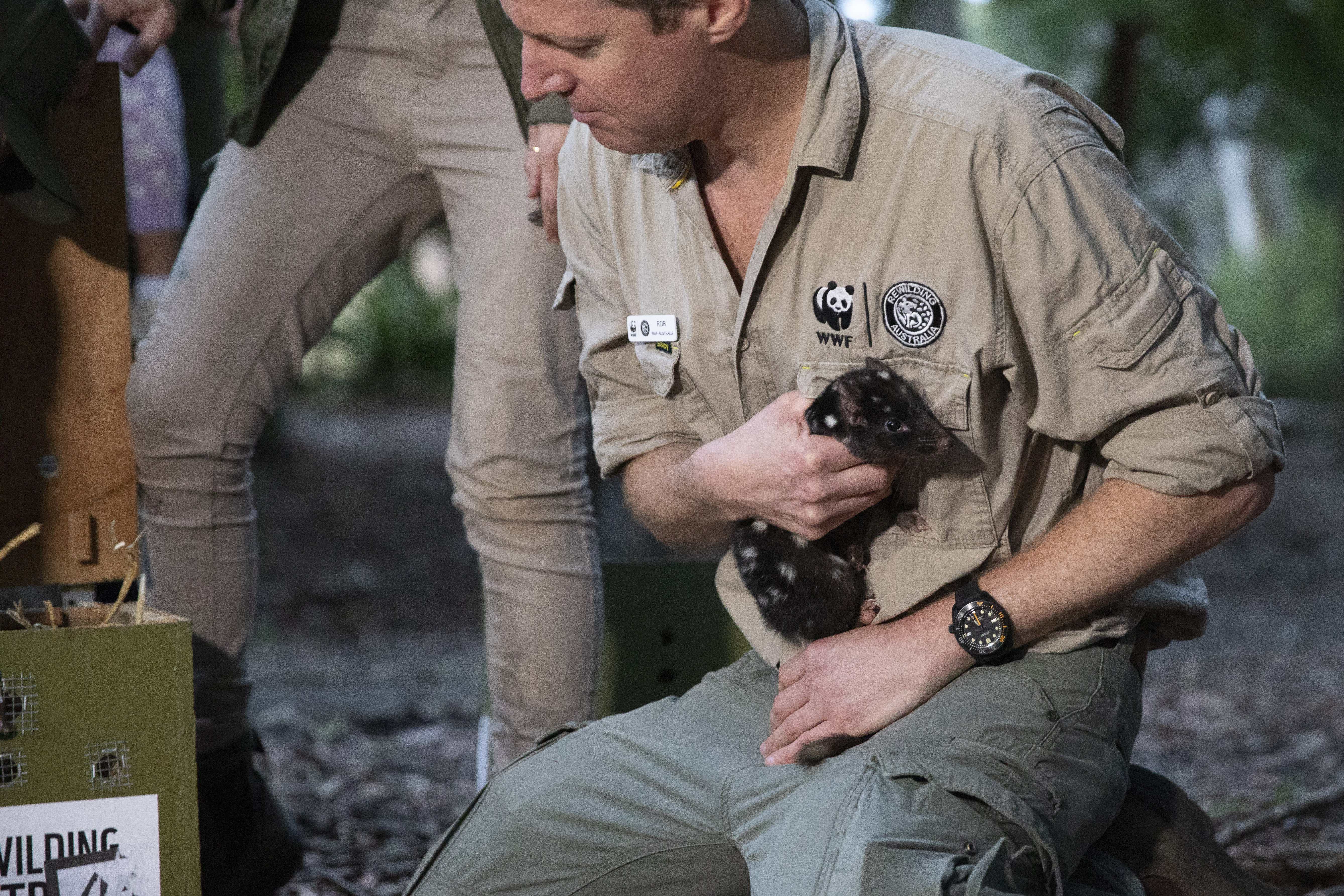
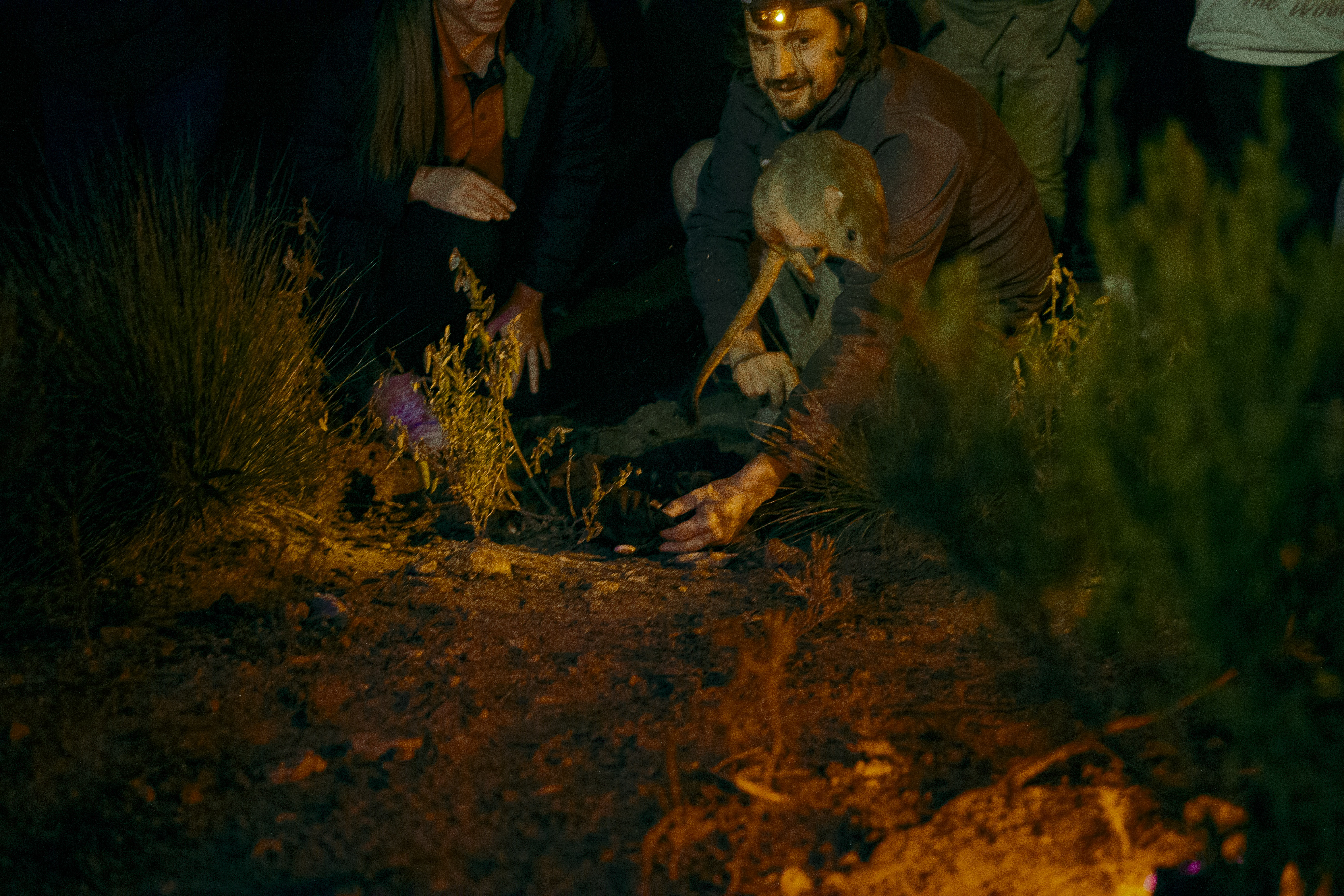
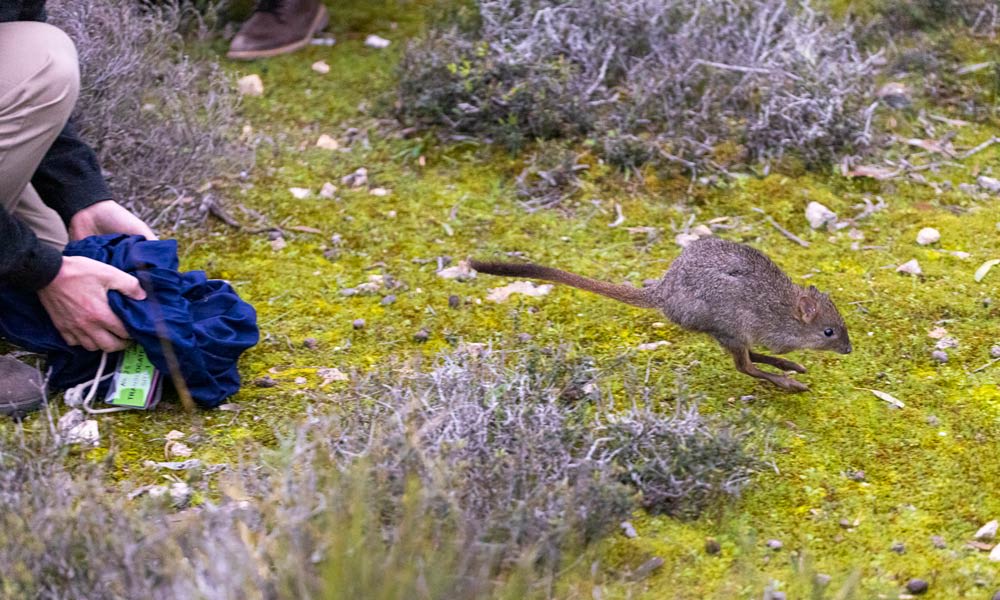
Brush-tailed bettong released in Dhilba Guuranda-Innes National Park, Yorke Peninsula
Brush-tailed bettong released in Dhilba Guuranda-Innes National Park, Yorke Peninsula © WWF-Australia / Juansimage.com

Our digging mammals perform key ecological roles by digging across our landscapes, aerating soil, burying seeds and promoting germination and cycling nutrients. This contributes to complex native plant communities and potentially even the reduction in bushfire intensity by burying flammable leaf litter.

We’re working with partners to rewild at least five ecosystem engineer species to at least five landscapes across southeastern Australia by 2030. These include the brush-tailed bettong, eastern bettong, southern brown bandicoot, long-nosed bandicoot and the long-nosed potoroo.

But we’re not stopping with our bouncing ecosystem engineer friends! We’re also working to restore a unique subspecies of wombat - the Bass Strait Islands wombat - to lungtalanana, an Aboriginal-owned and managed island lying between mainland Australia and Tasmania. As avid burrowers, wombats have been known to provide safe havens for a range of other species in extreme temperatures and bushfires – improving the island’s resilience to future threats and restoring a cultural connection for the Traditional Owners of the island.

Our partners

Our partners across five sites include NSW National Parks and Wildlife Service, University of Sydney, Parks Australia staff at Booderee National Park, National Parks Conservation Trust, Australian National University Fenner School of Environment and Society, the Wreck Bay Aboriginal Community Council, Bherwerre Caring for Country Rangers, Tasmanian Aboriginal Centre, University of Tasmania, the Northern and Yorke Landscape Board, the Australian Government National Landcare Program, the SA Department for Environment and Water (DEW), Foundation for National Parks & Wildlife, University of Adelaide, Zoos SA, and the Narungga Nation Aboriginal Corporation. 

Discover more of Rewilding Australia

Loading form…