Blue whale
The largest animal – the blue whale – sets a number of impressive records. It’s also one of the loudest and hungriest species on Earth.
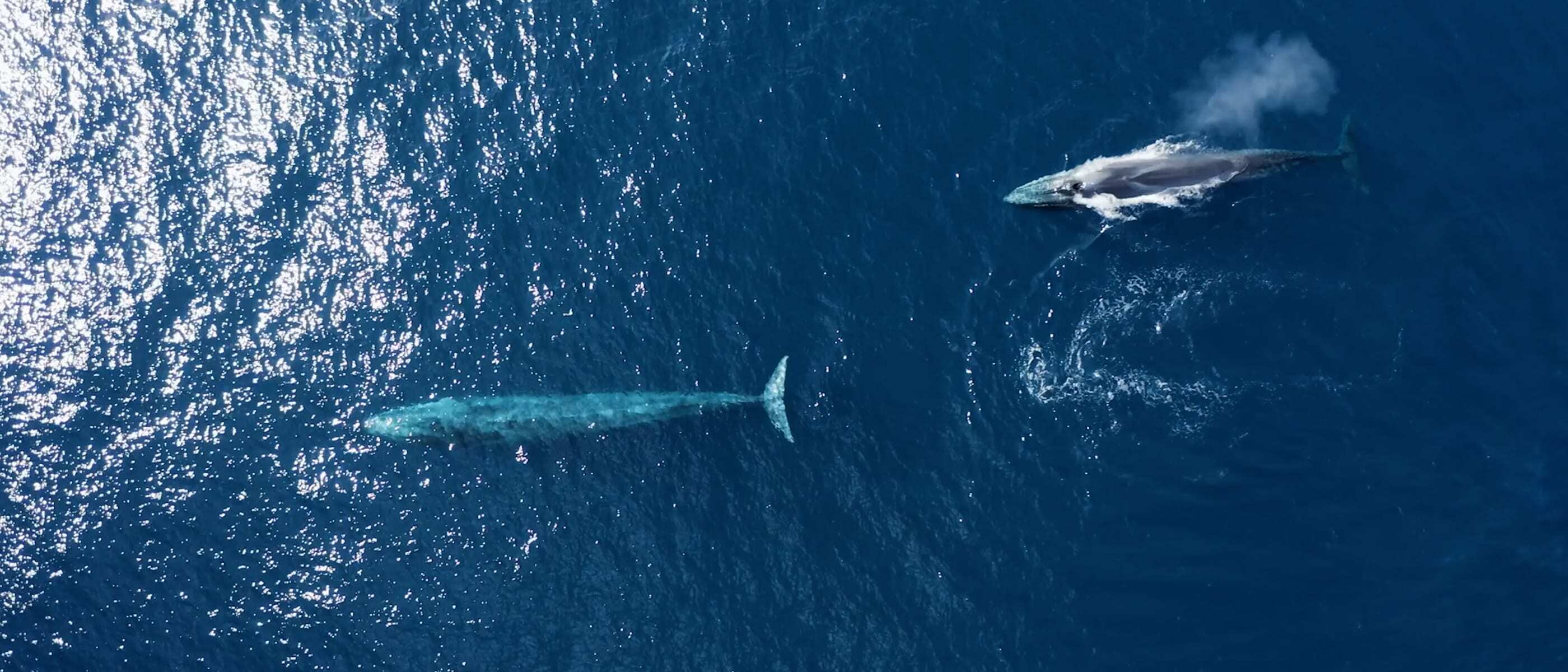
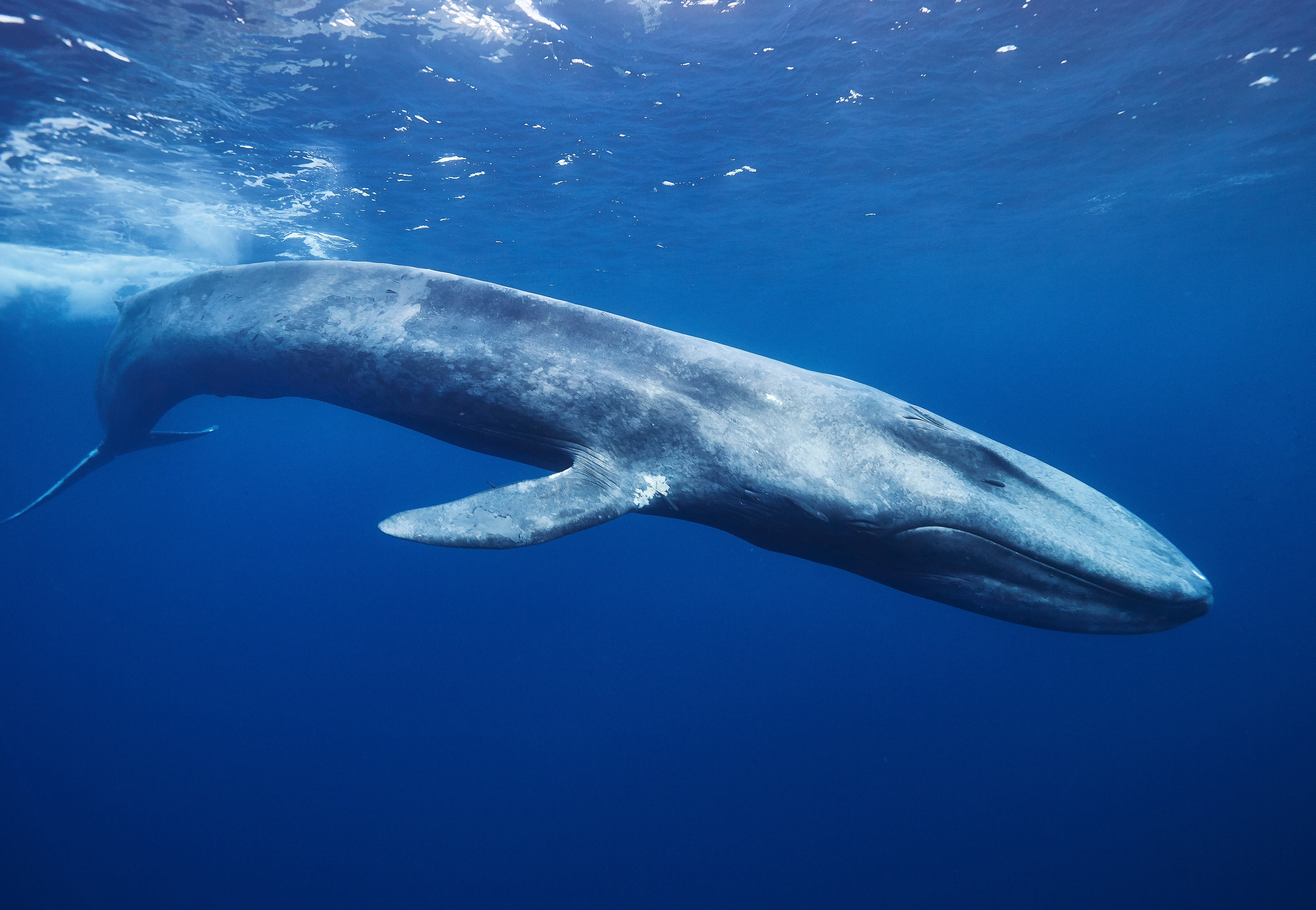
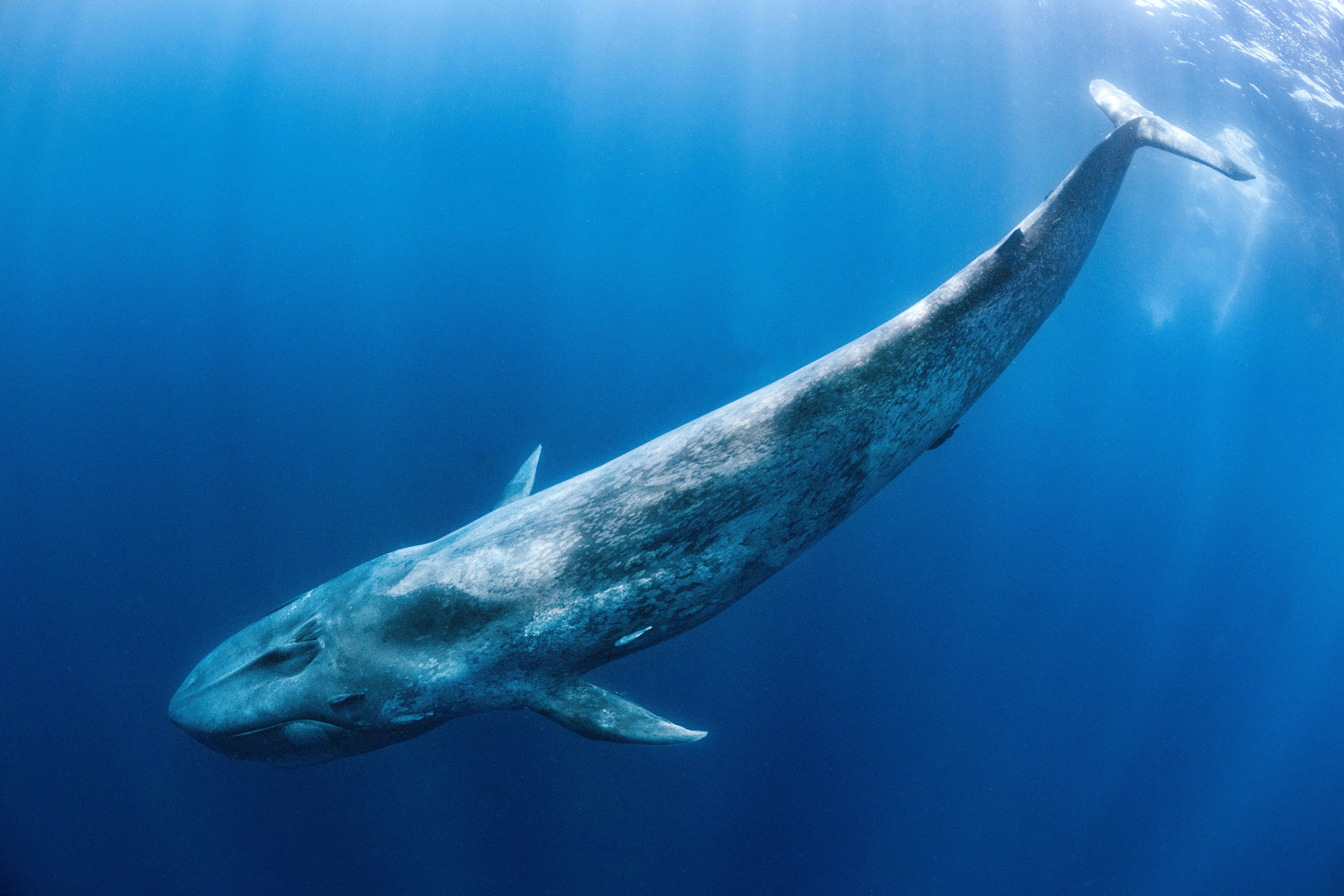
Did you know the Antarctic blue whale is the largest known animal to have ever lived on Earth? It’s difficult to grasp just how big these gentle giants are - imagine an animal the length of three school buses and as heavy as 33 elephants. That’s the scale of the blue whale!
These enormous marine mammals can grow up to 30m in length and eat up to 3,600kg of krill a day. As blue whales are baleen whales, they have hundreds of baleen bristles lining their mouths instead of teeth. They use these bristles to trap prey and filter out water in massive quantities.
Living an average of 80 to 90 years, blue whales migrate every year in search of food and breeding grounds. They spend summers gorging on krill in the Antarctic’s cold polar seas before heading north to warm tropical waters to breed and escape the harsh winter. If you’re lucky, you might be able to spot a blue whale off Australia’s southern coasts in spring and autumn during their annual migration.
Blue whales may be the rulers of the ocean, but sadly, they’re classified as Endangered by the IUCN Red List. Fortunately, WWF-Australia is working to protect all whales and their precious ocean home, and you can help make a difference.
Species bio
Common Name
Blue whale
Scientific Name
Balaenoptera musculus
Subspecies
Balaenoptera musculus musculus - Northern blue whale
Balaenoptera musculus intermedia - Antarctic blue whale
Balaenoptera musculus indica - Northern Indian Ocean blue whale
Balaenoptera musculus brevicauda - Pygmy blue whale
Balaenoptera musculus unnamed subspecies - Chilean blue whale.
Stats
Length: 24-33m
Weight: Up to 200 tonnes
Population: 10,000-25,000
Status
Listed as Endangered (IUCN Red List)
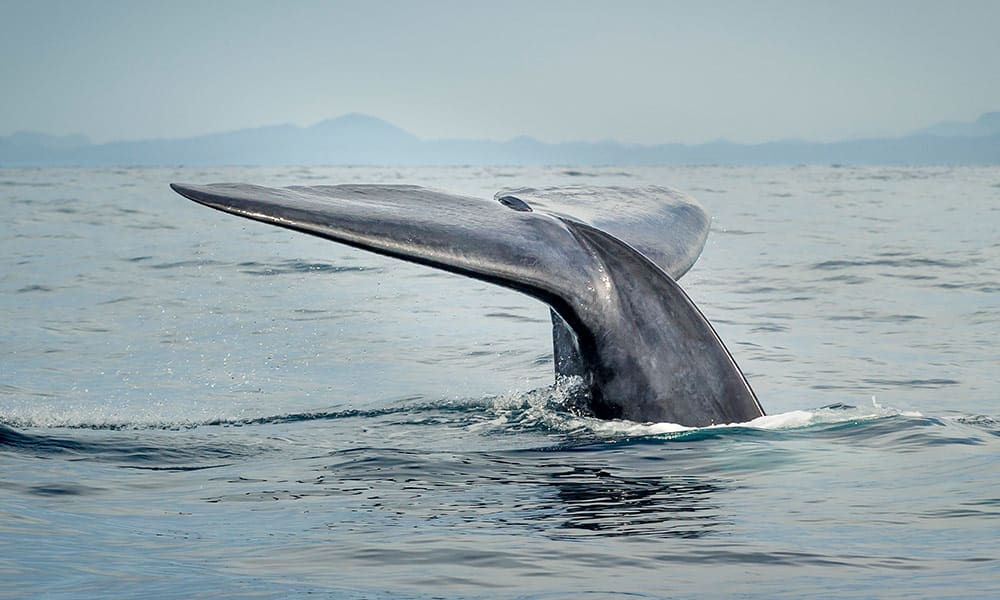
What we're doing to help blue whales
Securing critical ocean habitat for whales
Blue whales face a growing number of threats from human interference. Ship strikes, chemical and noise pollution, bycatch and climate change all pose a significant threat, and sadly, blue whales are Endangered as a result. We need to take action now to remove these threats and protect whales. WWF-Australia is working with our neighbours in the Asia-Pacific region to support efforts to protect 30% of our shared oceans by 2030, and we’re working to unite key southern hemisphere countries to protect 100 million hectares of ocean.
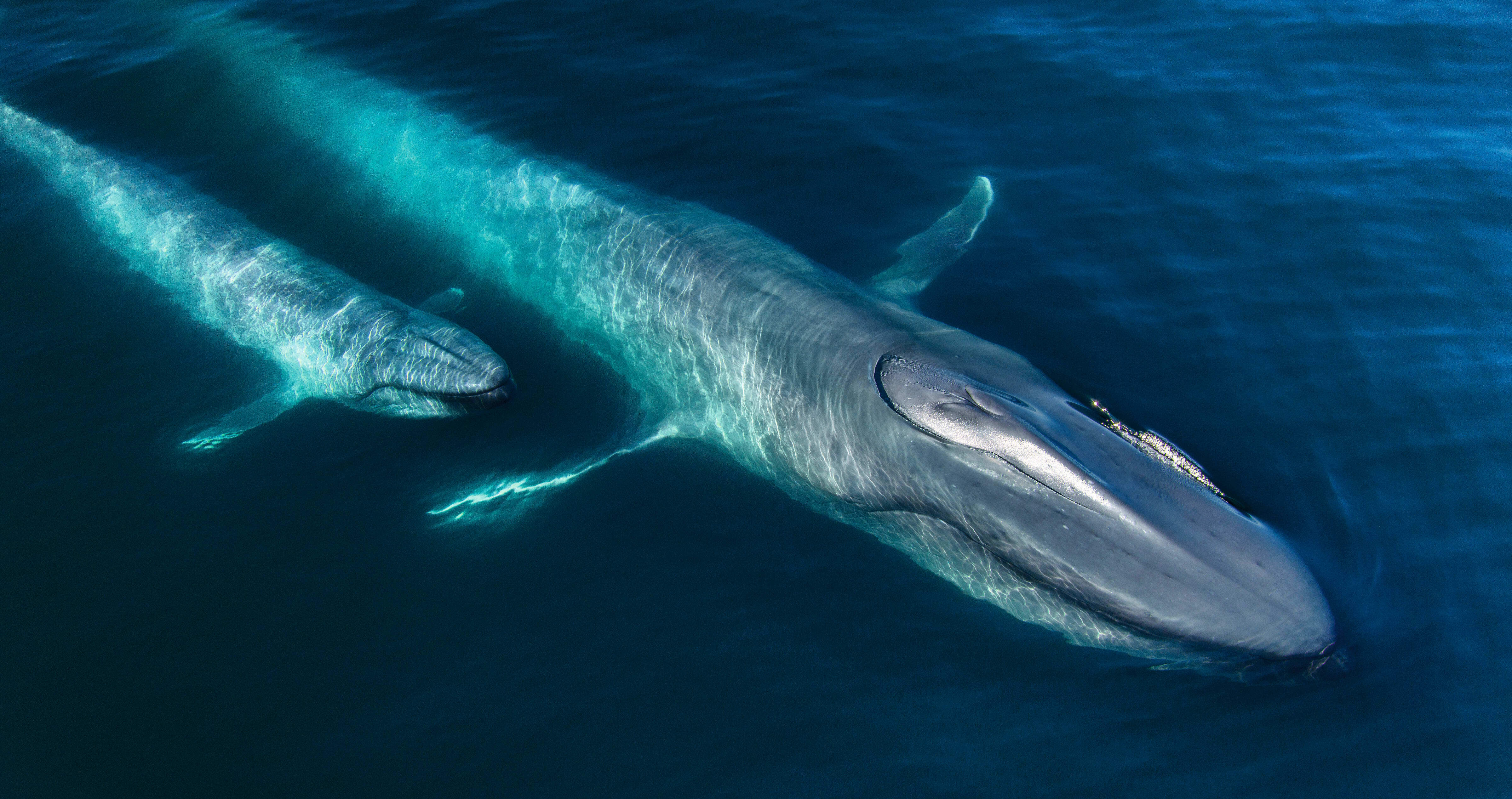
Protecting ‘blue corridors’
Whales migrate around the world every year following specific routes known as ‘blue corridors’. WWF-Australia is working with partners to map these migratory routes and potential threats. Our goal is to connect networks of Marine Protected Areas (MPAs) to ensure safe passage for blue whales and all marine animals.
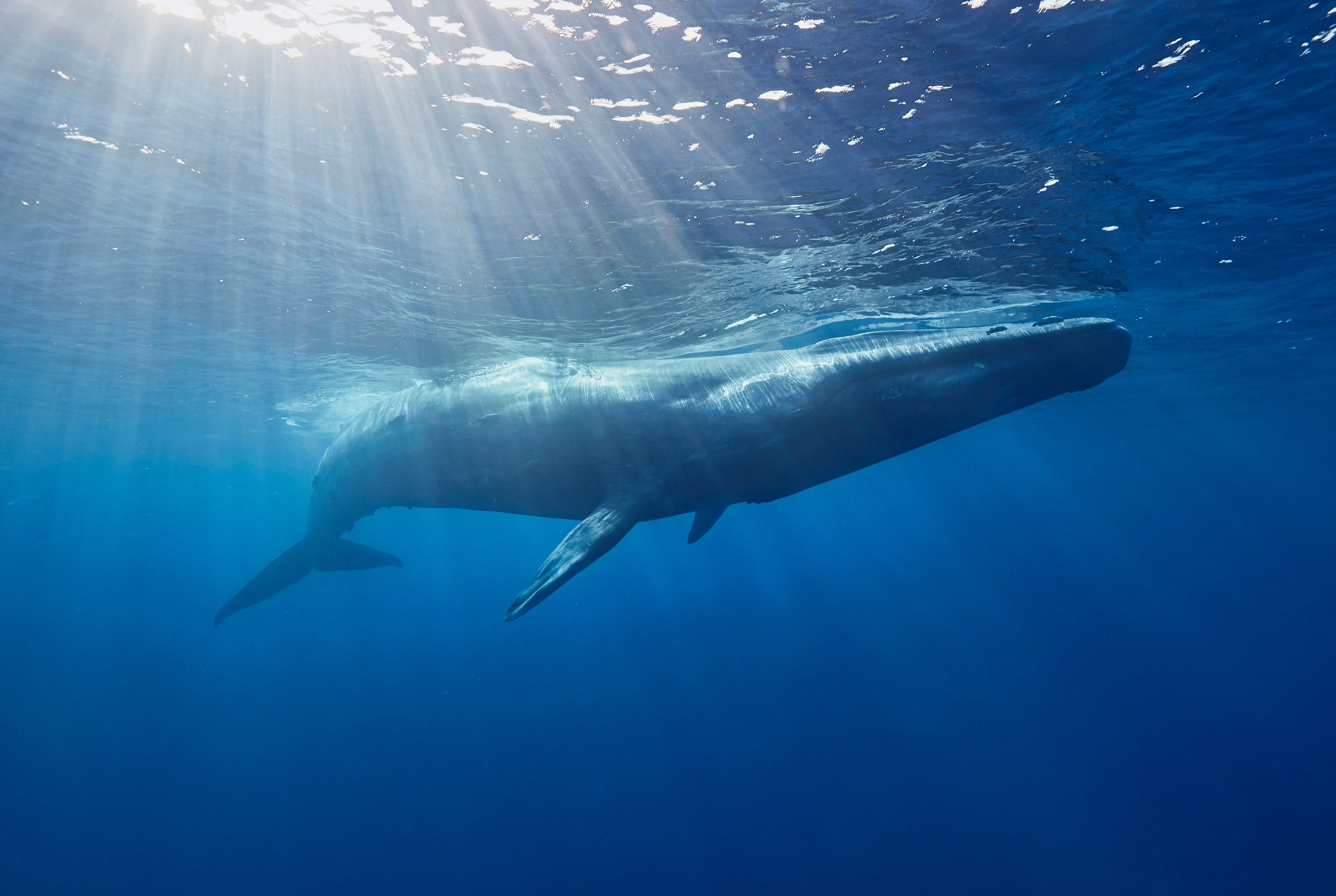
Securing a healthy climate for – and with – whales.
Australia can become a global leader in securing a healthy and resilient net-zero world. WWF-Australia supports the transition to renewable energy and nature-based solutions and integrating the vital ecological role of whales into environmental policies.
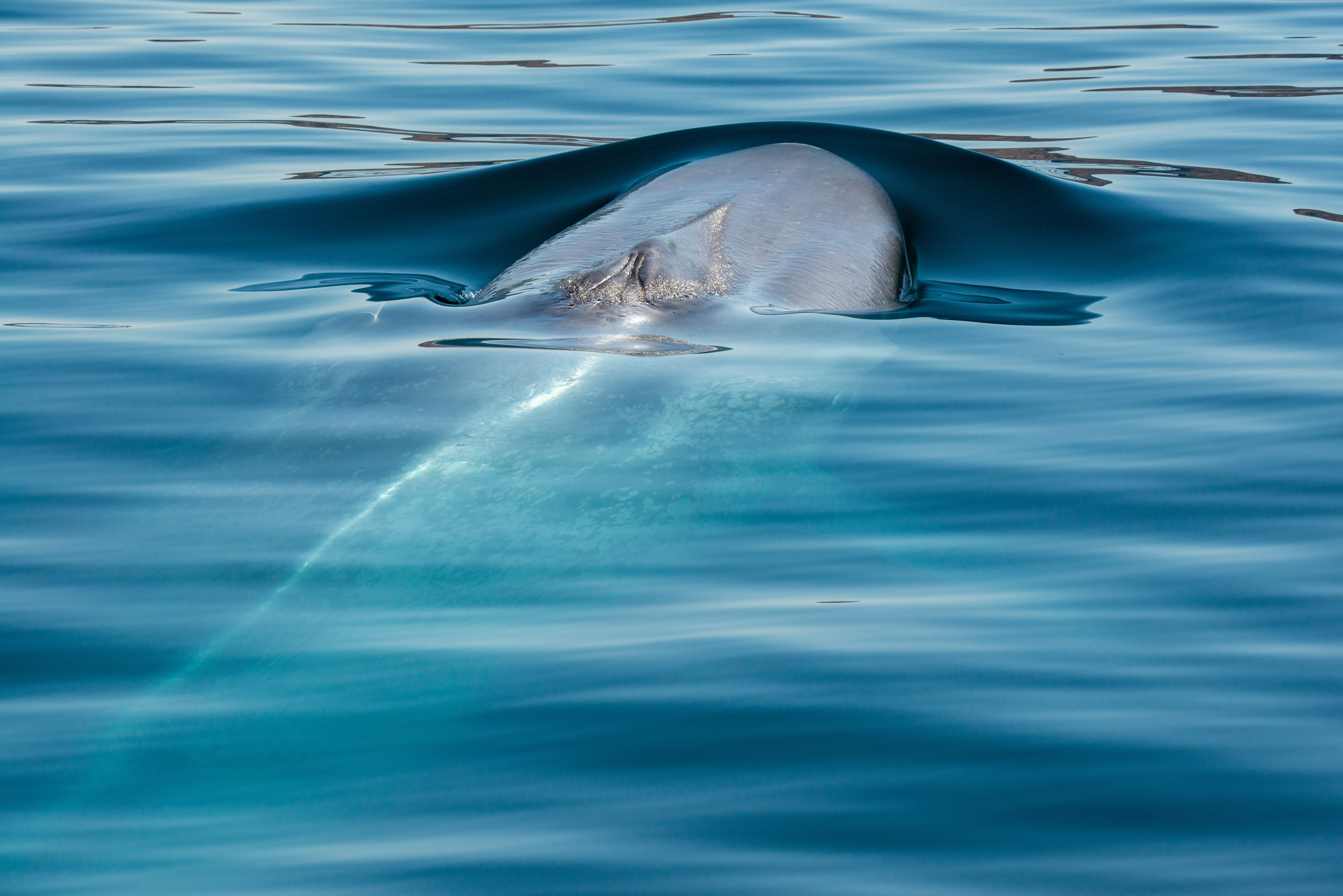
Why it matters
Whales play a vital role in their marine ecosystem and in combating climate change. Their impact shines in two fundamental ways: fertilising the ocean and absorbing carbon.
Blue whales require enormous amounts of food, and their iron-rich faeces (poo) is an essential source of nutrients in the marine food chain. These nutrients, particularly iron and nitrogen, are vital for phytoplankton. Phytoplankton generate over half of Earth’s oxygen and absorb around 40% of all carbon dioxide produced. By fertilising their growth, whales contribute significantly to keeping our planet healthy.
Additionally, when whales die and descend to the seabed, so does the carbon stored in their bodies. Over their lifetime, these gentle giants capture a staggering amount of carbon - equivalent to thousands of trees. Their impact is pivotal to ensuring balance both in the ocean and outside of it.
Whale wonders: did you know blue whales are the loudest animals on Earth?
Blue whales hold the record for being the loudest in the animal kingdom. With a heart the size of a small car, their heartbeat can be heard from three kilometres away. But that’s nothing compared to their call. A blue whale’s low-frequency whistle is as loud as a jet engine, reaching up to 180 decibels. The sound travels across hundreds of kilometres and is an essential tool for scouring the vast ocean in search of food and mates.
Discover more interesting whale facts below.
Threats
Despite their vital role in the ocean and keeping carbon out of the atmosphere, blue whales have faced threats from humans for centuries. Commercial whaling pushed their population to the brink, and it wasn’t until 1966 that the International Whaling Commission banned commercial whaling practices on blue whales.
Before whaling, there may have been as many as 250,000 blue whales, but today, it is one of the world's rarest species, with a population of just 10,000-25,000. Sadly, blue whales face a multitude of threats from human interference. However, it’s not too late to change their fate.
Climate change
Growing ship traffic
What you can do to help
Increase your impact and donate to help keep whales safe on their long ocean journeys.
Learn more about whales and why we need to protect them.
Responsible whale-watching. Whale-watching is one of the fastest growing nature-based tourism activities in the world. Choose a responsible whale-watching company that abides by local and national laws.
Recommended reading
This form could not be loaded. Please check the configured form URL.