Skip to content
A wild koala (Phascolarctos cinereus) climbing in its natural habitat of gum trees.
A wild koala (Phascolarctos cinereus) climbing in its natural habitat of gum trees. © Shutterstock / GunnerL / WWF
Learn more about koalas

The koala is one of the world’s most iconic animal species – right up there with the panda, tiger, elephant, dolphin, and polar bear. And they're found nowhere else in the world but Australia!

Our much-loved koalas, with their stocky, tailless body, big head with round, fluffy ears and large, oval-shaped nose, are instantly recognisable as a symbol of Australian nature.

However, koalas in New South Wales, Queensland and ACT are now listed as endangered. Without urgent action we could loose koalas forever by 2050.

Habitat destruction, disease, climate change and extreme weather events, including bushfires and floods, are all having significant impact on koalas.

Read on to learn more about koalas and the threats they are facing.

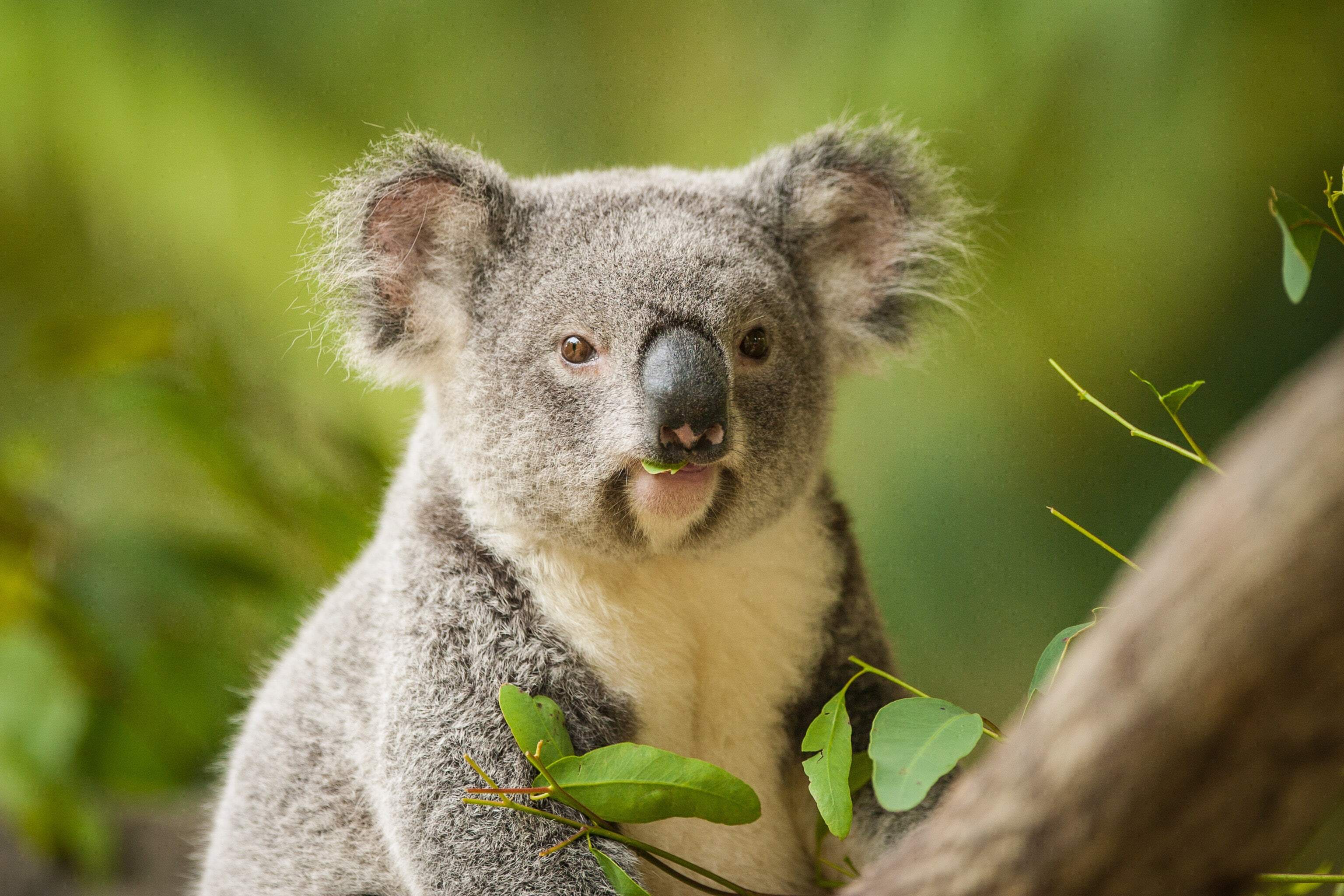
Koala eating eucalypt leaves
© Shutterstock / Janelle Lugge / WWF

Species bio

Common Name

Koala

Scientific Name

Phascolarctos cinereus

Indigenous Name

gula, burbi, bandurbah, dunggir, and bandjurah - Bundjalung (Qld)
burraga, gulamany - Darug (NSW)
barrandhang, gurabaan, naagun - Wiradjuri (NSW)
kulla - Dippil (NSW)
gula - Ngunnawal (ACT)
Gurrborra - Woi wurrung (Vic.)

Stats

Length: 50-80cm


Weight: A koala’s size is dependent on what part of Australia it lives in. The biggest koalas live in the south and can weigh up to 10kg, while in North Queensland, they weigh as little as 5.5kg.


Distribution: Throughout eucalyptus forests in eastern Australia - from North Queensland to across New South Wales, the Australian Capital Territory, Victoria and South Australia.

Status

Endangered (EPBC Act – Qld, NSW, ACT only)
Did you know?

Here are some of our favourite interesting facts about koalas.
Koalas aren’t bears

Despite mistakenly being called ‘koala bears’, koalas are more closely related to wombats and kangaroos than bears. This is because they are all marsupials, a type of animal that has a pouch for rearing their young.

Koalas are fussy eaters

Koalas survive on a diet of eucalyptus leaves and can eat up to a kilogram of leaves a day! However, they can be quite picky eaters, eating less than 50 of the 800 eucalypt species. Even then, they’ll often choose leaves at the top of the tallest trees that contain more liquid and nutrients.

Their diet is poisonous

Eucalyptus leaves contain toxins that are poisonous to most animals. Not koalas though! They have a unique fibre-digesting organ called a caecum that helps to detoxify the chemicals in the leaves.

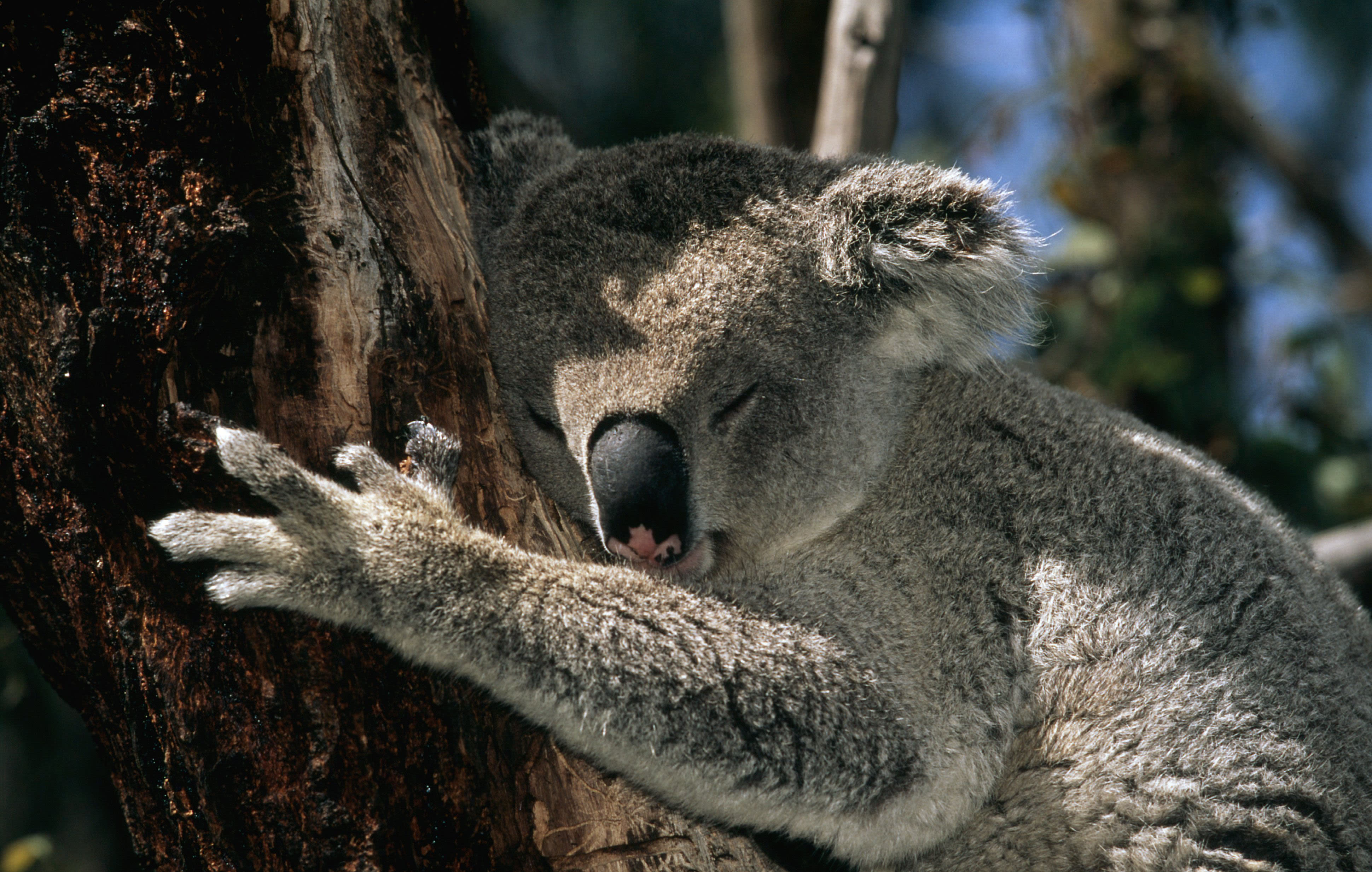
Koalas sleep a lot - up to 18 hours every day!

This is because their leafy diet is so low in nutrients that koalas need to conserve their energy and do this by napping almost constantly.

Koalas have super-strong butts

Living in trees and being wedged between rough branches while sleeping requires a lot of support! Luckily, the koala has strong cartilage at the end of its curved spine, allowing it to make eucalyptus trees a comfortable home!

They don’t need to drink water

Koalas get most of the moisture they need from juicy eucalyptus leaves. However, when they need to, like when it’s really hot or dry, koalas will drink from water sources like rivers, ponds and even bird baths or dog bowls!

Koalas are now Endangered

Sadly, being iconic and symbolic is not enough to save the koala from the threat of extinction. In the 1920s, hundreds of thousands of koalas were shot for the fur trade and now koalas and their bush homes are facing even more threats.

Phascolarctos cinereus Koala Koalas sleep up to 20 hours a day Australia
© Martin Harvey / WWF

Threats

Tree-clearing

Sadly, koala trees and habitats are being destroyed or fragmented because of landclearing for agriculture and urban development. Not only does this lead to fewer trees for koalas to eat and sleep in, it also means koalas must spend more time on the ground when moving from tree to tree. Once down there, they are much more vulnerable to being hit by cars and attacked by dogs, while elevated levels of stress make them prone to sickness and diseases like Chlamydia.

Climate change

Changing weather patterns and a warming climate are putting pressure on many of Australia’s ecosystems and animals. Drier weather means the eucalyptus leaves koalas rely on contain less moisture. Prolonged droughts and extremely high temperatures, like heatwaves, can also make koalas very sick and dehydrated, as well as increase the risk and severity of bushfires during summer.

What you can do to help

Learning about wildlife and nature loss is the best and most important way you can make a difference right now. Check out our new koala-focused lessons created by Cool.org and made possible thanks to Australia Post, a proud supporter of WWF-Australia. 

If you’d like to do even more, you can support a healthy future for people, nature and Aussie wildlife by taking part in Wear it Wild! Ways to get involved in Wear it Wild include:  

  • Wear it Wild and dress as your favourite animal!  

  • Make a Wear it Wild mask or give face painting a try.  

  • Organise a Wear it Wild bake sale.

Wear it Wild is just one of the ways you, or your family and friends, can get involved in Earth Hour, the world’s biggest movement to protect our planet and shine a spotlight on nature loss. Find out more about Earth Hour here.

WEAR IT WILD

Did you know there could be koalas or other threatened wildlife living near you? Discover what animals need protection in your local area using 

WWF-Australia’s ‘My Backyard’ tool, and find out how well they’re being cared for.

Who lives in your backyard?

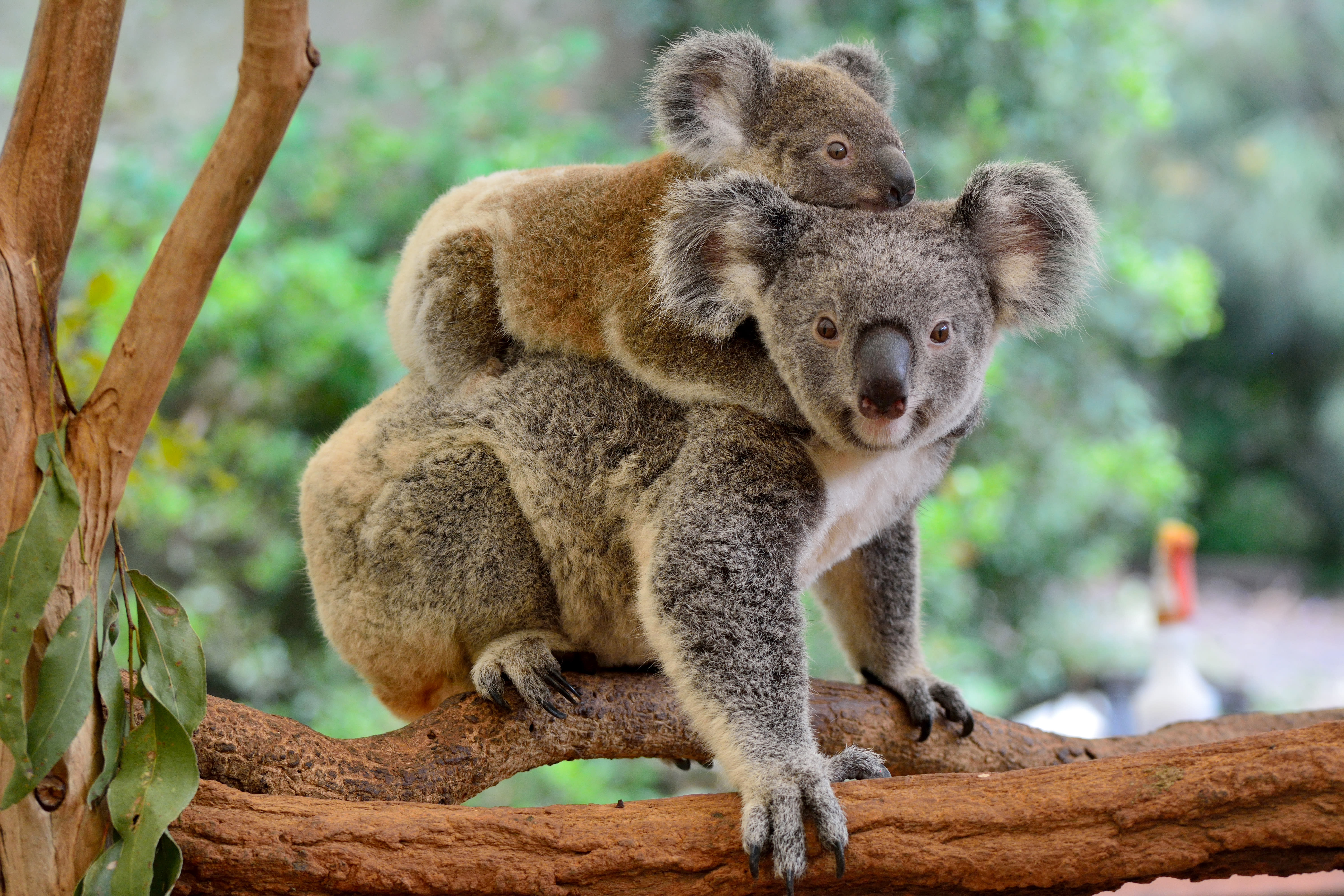
Mother koala with joey on her back
Mother koala with joey on her back © Shutterstock / Alizada Studios / WWF