An Antarctic Safe Haven
Whales are facing increasing dangers along their migrational journeys. Learn how we can protect our ocean giants and make their epic journeys safer for years to come.
HELP SECURE AN ANTARCTIC SAFE HAVEN – SIGN NOW!
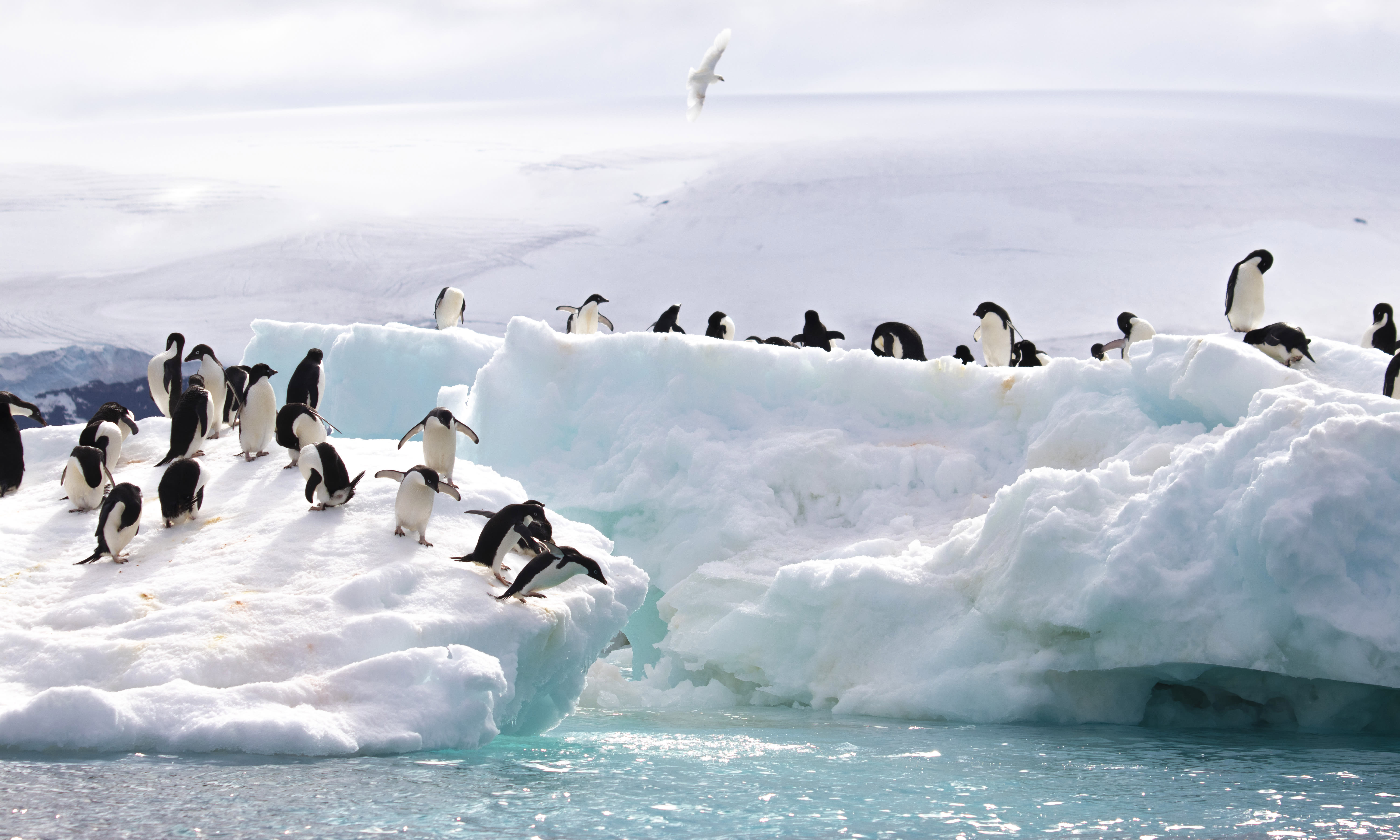
Australia's pristine subantarctic Islands off the southwest coast of the continent is an ocean oasis and critical feeding grounds abundant with krill – a tiny but mighty animal that allows our marine ecosystem to thrive.
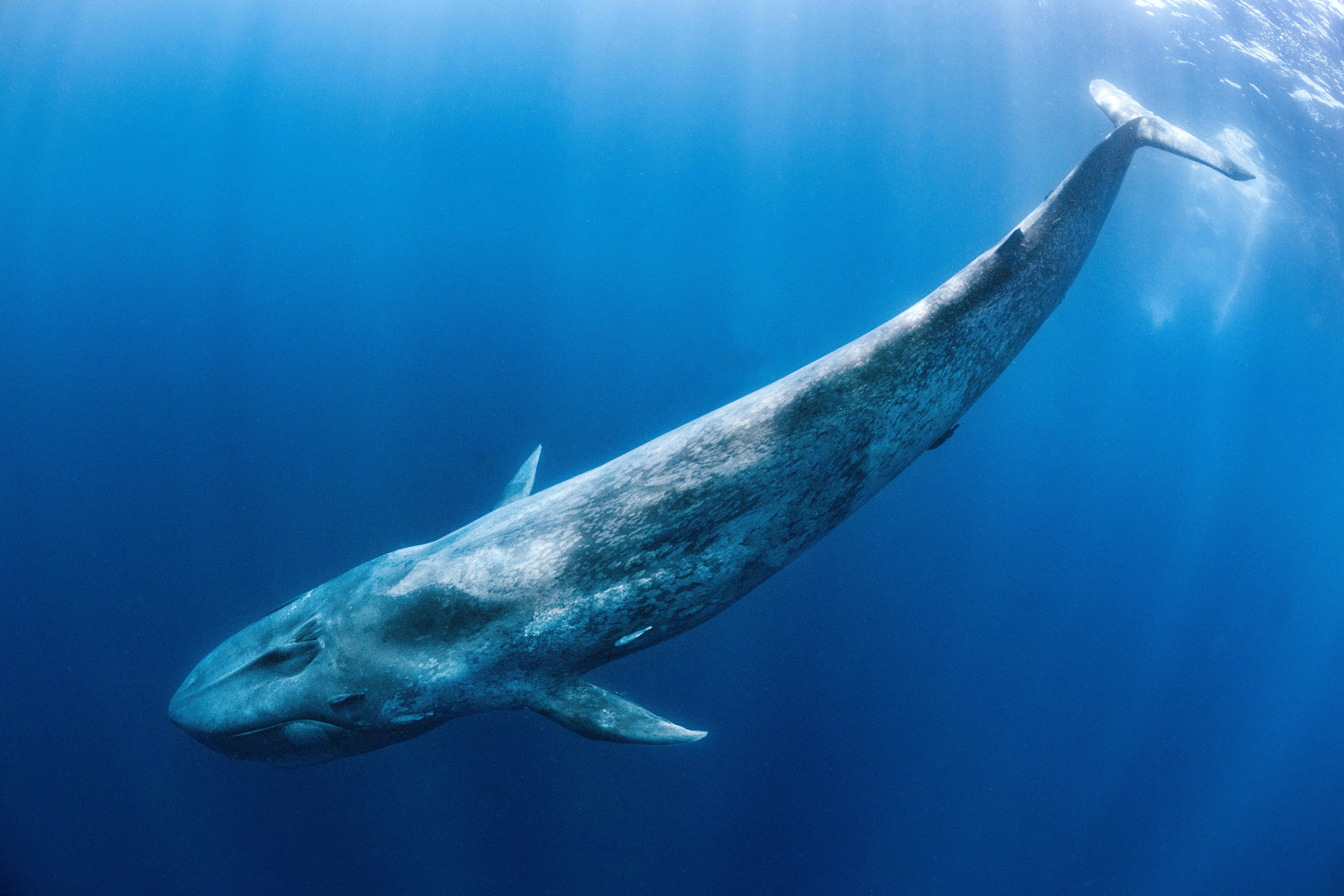
Heard and McDonald Islands Marine Reserve is a sanctuary, providing vital sources of krill for an array of animals, including elephant seals, macaroni penguins and more. The majestic sperm whale has even been spotted feeding in this untouched wonderland - an important stop on their long migratory journey along the blue corridors.
This sanctuary is safe from fishing nets, ocean pollution and ever-expanding ship traffic. Right now, the marine reserve is undergoing a once-in-a-decade review. This our chance to secure expanded protection of this vital underwater haven.
We’re asking the Australian Government to commit to:
Significantly expanding the Heard and McDonald Islands Marine Reserve boundaries, in line with the Australian government's 30x30 protection targets.
Ensure the marine reserve is protected under IUCN Categories 1 and 2, ensuring that the area is free from activities like industrial fishing.
By signing this petition, you will:
Make a submission into the Australian Antarctic Divisions review process, calling on them to expand the Heard and McDonald Islands Marine Reserve, and ensure that protections from industries like fishing are strengthened.
Our ocean wildlife, from tiny krill to giant whales, need you. Add your voice now to call on the Australian government to secure an Antarctic safe haven.
Why whales need our help
Growing evidence shows thriving populations of whales are essential to a healthy ocean and planet. The benefits they provide – from capturing carbon to enhancing marine productivity – only strengthen the case for protecting them.
Despite the vital role they play in the health of our planet and our lives, whales are facing a barrage of growing threats from humans.
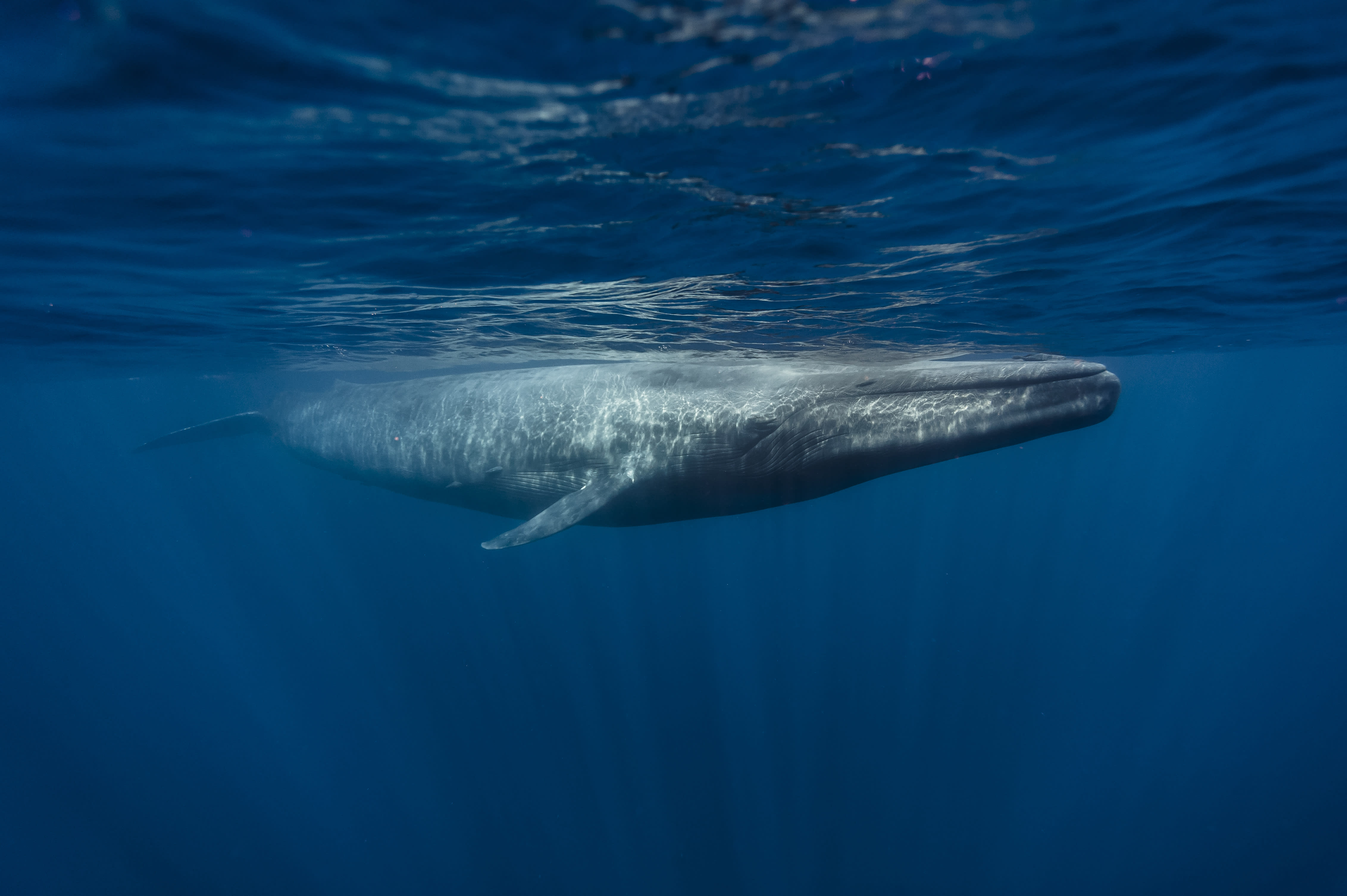
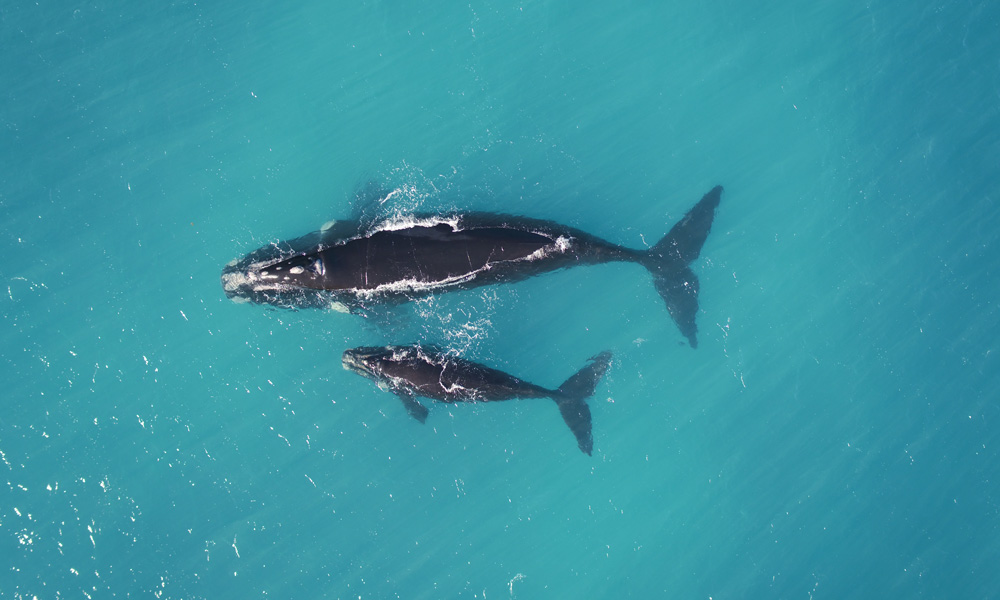
While the global moratorium on commercial whaling in 1986 allowed some populations to recover from the brink of extinction, some have not. Seven out of the 14 great whale species globally are now classified as Endangered or Vulnerable – including southern right whales that migrate along the Australian coast.
All around the world, mounting threats from human activities are making migrations between feeding and breeding grounds increasingly dangerous for whales.
The biggest threats to Australia's whales
Climate change
Growing ship traffic
Offshore oil and gas drilling
What are blue corridors?
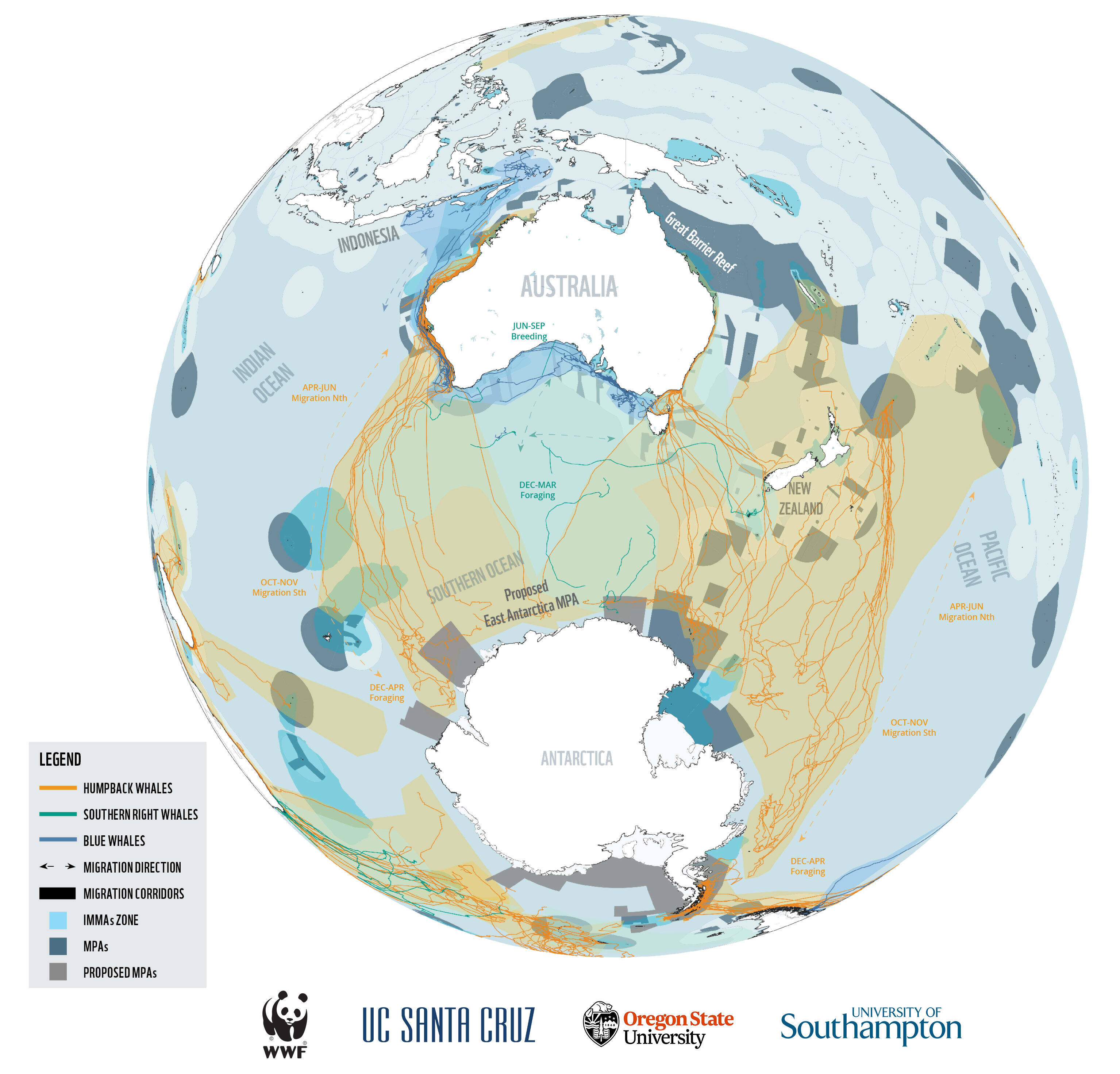
Blue corridors are migration routes that allow whales to move between different ocean habitats – areas where they feed, mate, give birth, nurse young and socialise. Whales rely on these critical habitats and the migration routes that connect them for their survival.
Whales travel these migration routes often along the coast, but also across the open ocean, in and out of international and national waters – some for thousands of kilometres each year. Sadly, these paths often overlap with human activity, endangering whale populations in these areas.
Mapping of global blue corridors by WWF and partners is helping to identify where migratory routes and key habitat areas overlap with a range of emerging and cumulative impacts - helping inform how we can better protect and manage critical ocean habitats for whales worldwide.
Learn more about blue corridors here
What WWF is doing to help
Safeguarding blue corridors to protect existing whale populations and connect their critical habitats and migration corridors.
Calling on the Australian Government at all levels to play its part and build on its track record of protecting whales to:
Reduce fisheries bycatch and implement whale-safe fishing gear.
Set mandatory ship 'slow down' rules and other measures to reduce underwater noise and risks of ship strikes.
Recognising the critical role Traditional Owners and local communities play in protecting and managing the marine environment and supporting their aspirations to do so.
Learn more
This form could not be loaded. Please check the configured form URL.