Skip to content

Antarctica

Icy waters teeming with penguins and pods of killer whales, swirling clouds of krill and majestic humpback whales – the oceans surrounding Antarctica are some of the most pristine and productive in the world.

However, its incredible biodiversity is threatened by climate change, and increased fishing and marine pollution.


About Antarctica

How big is Antarctica?

Antarctica is a massive frozen landmass at the bottom of our planet and is the fifth-largest continent in total area. The ocean surrounding Antarctica – the Southern Ocean – covers an area of 20,327,000km².

Even though it covers a significant area, Antarctica does not have an indigenous human population or any permanent residents.

Is Antarctica a desert?

Not only is Antarctica extremely cold – reaching temperatures as low as -94°C - it also happens to be the driest and windiest continent. Interestingly, it does not experience much snow and is so dry that it is considered a polar desert. As a result, there are no trees on the continent, and there are only two known kinds of native flowering plants.

What animals live in Antarctica?

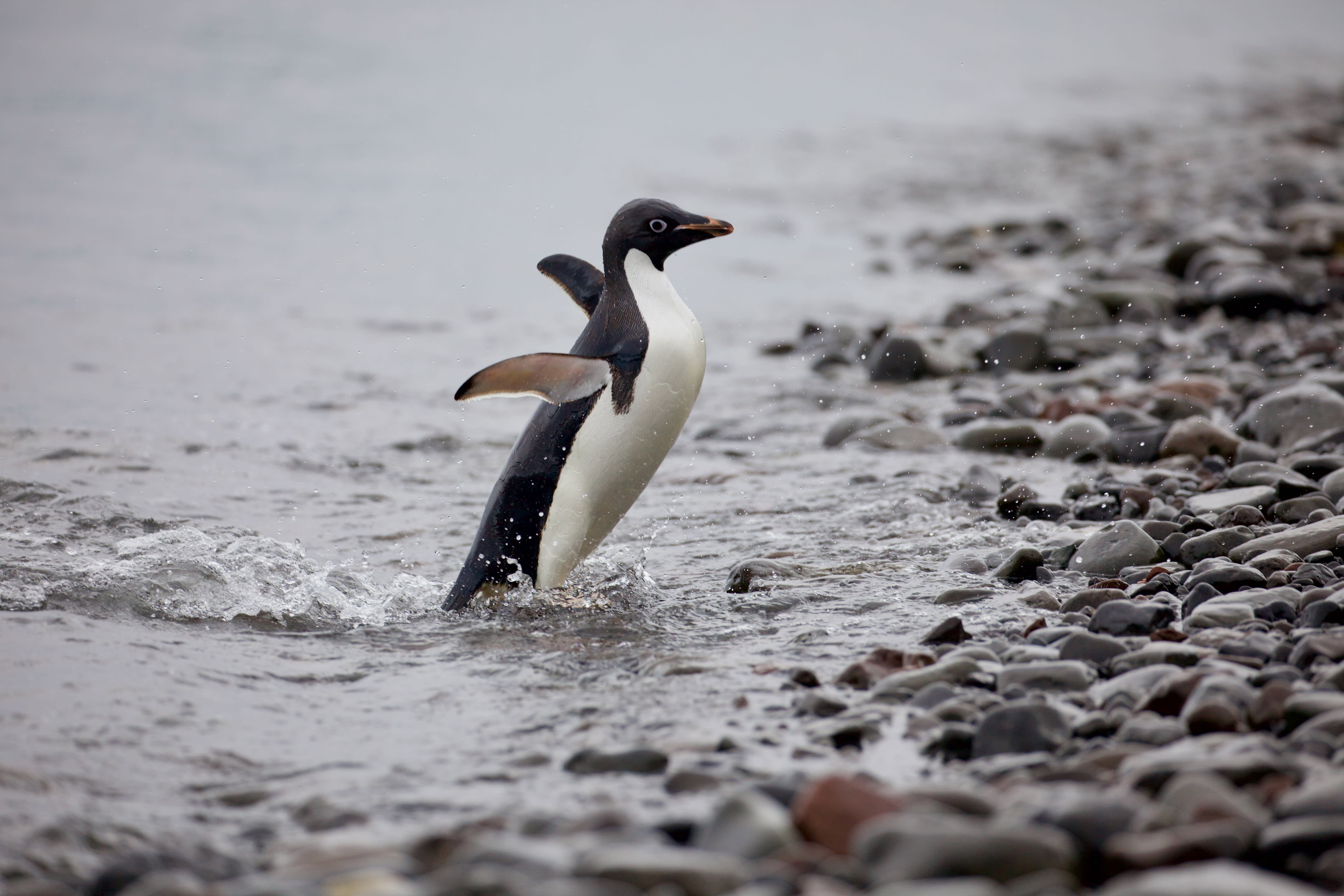
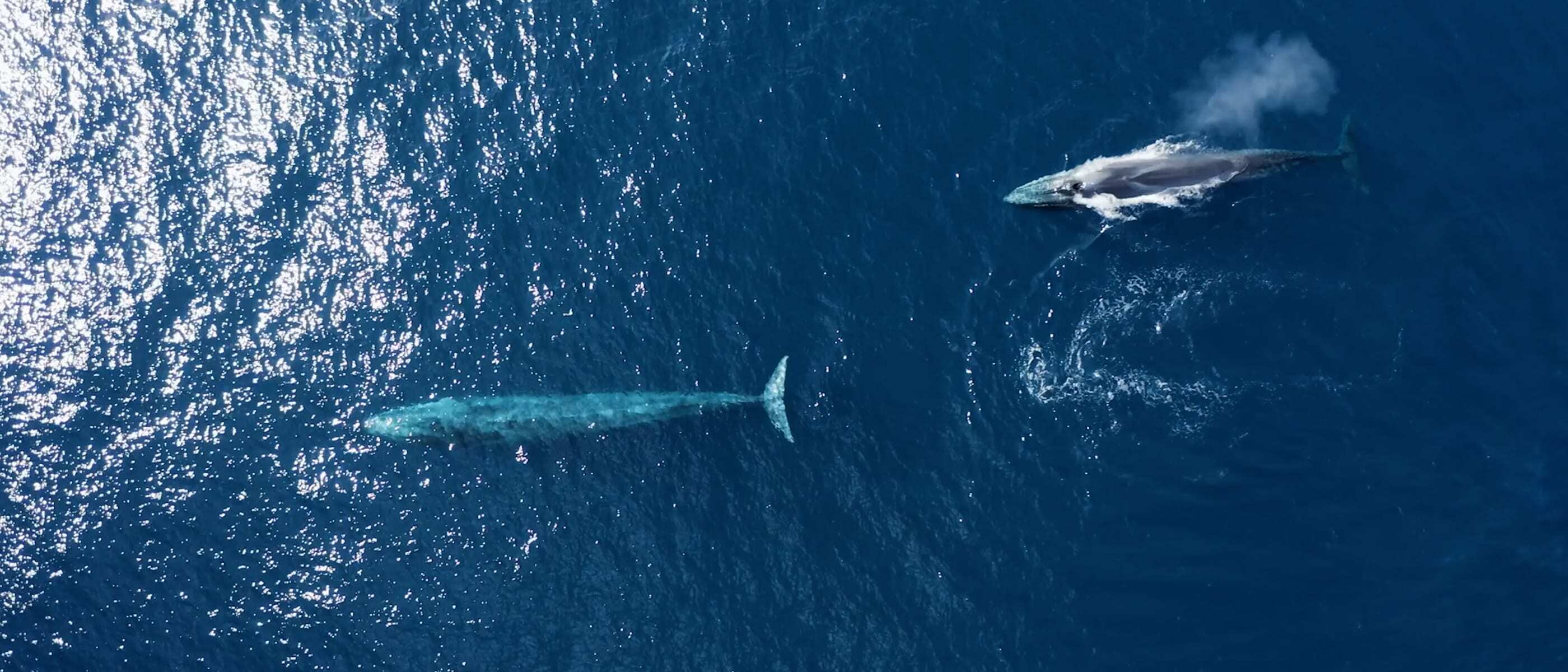
Antarctica and the Southern Ocean around it are home to a wide variety of marine wildlife – from tiny Antarctic Krill to the biggest animal on the planet, the blue whale. You can find half of the world’s penguin species, 15 species of whale and dolphin, as well as over 30 species of seabird and seal. In fact, Antarctica’s surrounding oceans are home to more than 8,000 marine species, more than half of which are seen nowhere else in the world.

Are there polar bears in Antarctica?

While the North and South Poles share similar extremely cold environments, polar bears are not found in Antarctica – living exclusively across the Arctic Ocean. 

Why it matters

Antarctica is much more than just an icy pole for our planet – it is vital for our survival too.
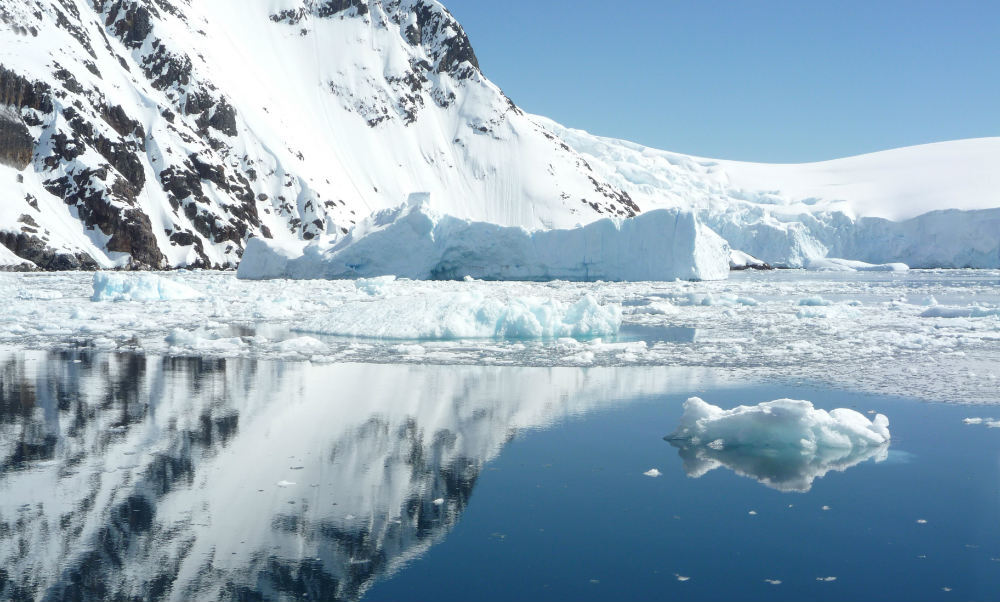
Antarctica 2008-2009 - Lemaire Channel
© Greg & Kate Bourne / WWF-Aus

Antarctica helps regulate our planet’s temperature and oceans

Antarctica plays a significant role in maintaining the planet’s heat balance. Ice being much more reflective than land or water, the massive Antarctic ice sheet helps deflect some of the sun’s rays away from the Earth, keeping temperatures livable. 

The waters around Antarctica also play a significant role in the ‘ocean conveyor belt’. Its cold and incredibly dense waters force warmer water to rise or upwell. This upwelling is so strong it moves water across the entire planet. Without it, Earth’s waters would become imbalanced and struggle to circulate efficiently. 
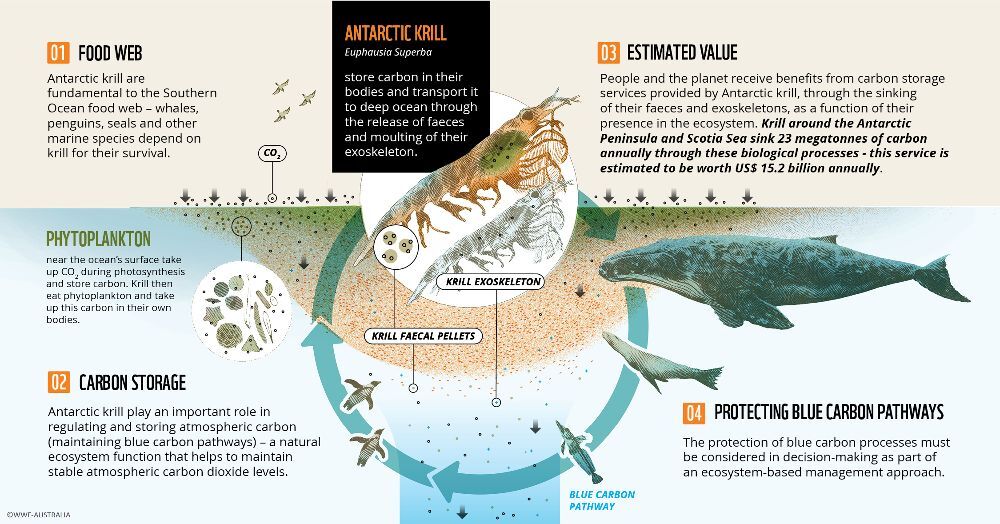
Antarctic krill graphic
© WWF-Australia

Antarctic krill are carbon-storing powerhouses and the cornerstone of the Antarctic food web

Antarctica’s waters are also home to one of the most fundamental species to the Antarctic food web – the Antarctic krill. These shrimp-like creatures are the primary food source for countless species, including penguins, seals, and whales. To top it off, Antarctic krill are carbon-storing powerhouses – with reports revealing that krill in the Antarctic Peninsula and Scotia Sea have the capacity to sink 23 megatonnes of carbon annually. In fact we are only just learning about the potential role krill play in climate change. 
Learn about Antarctic krill

Countless wildlife depend on Antarctica’s water for survival

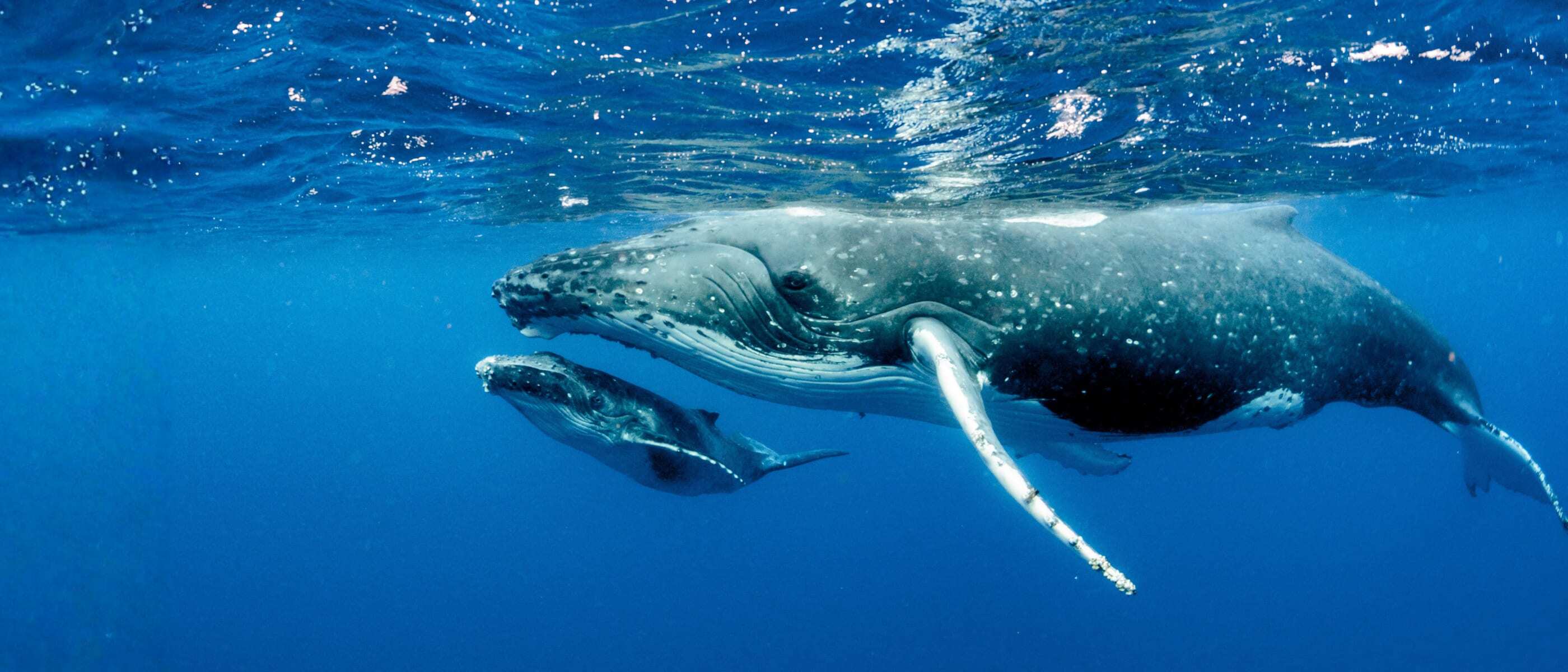
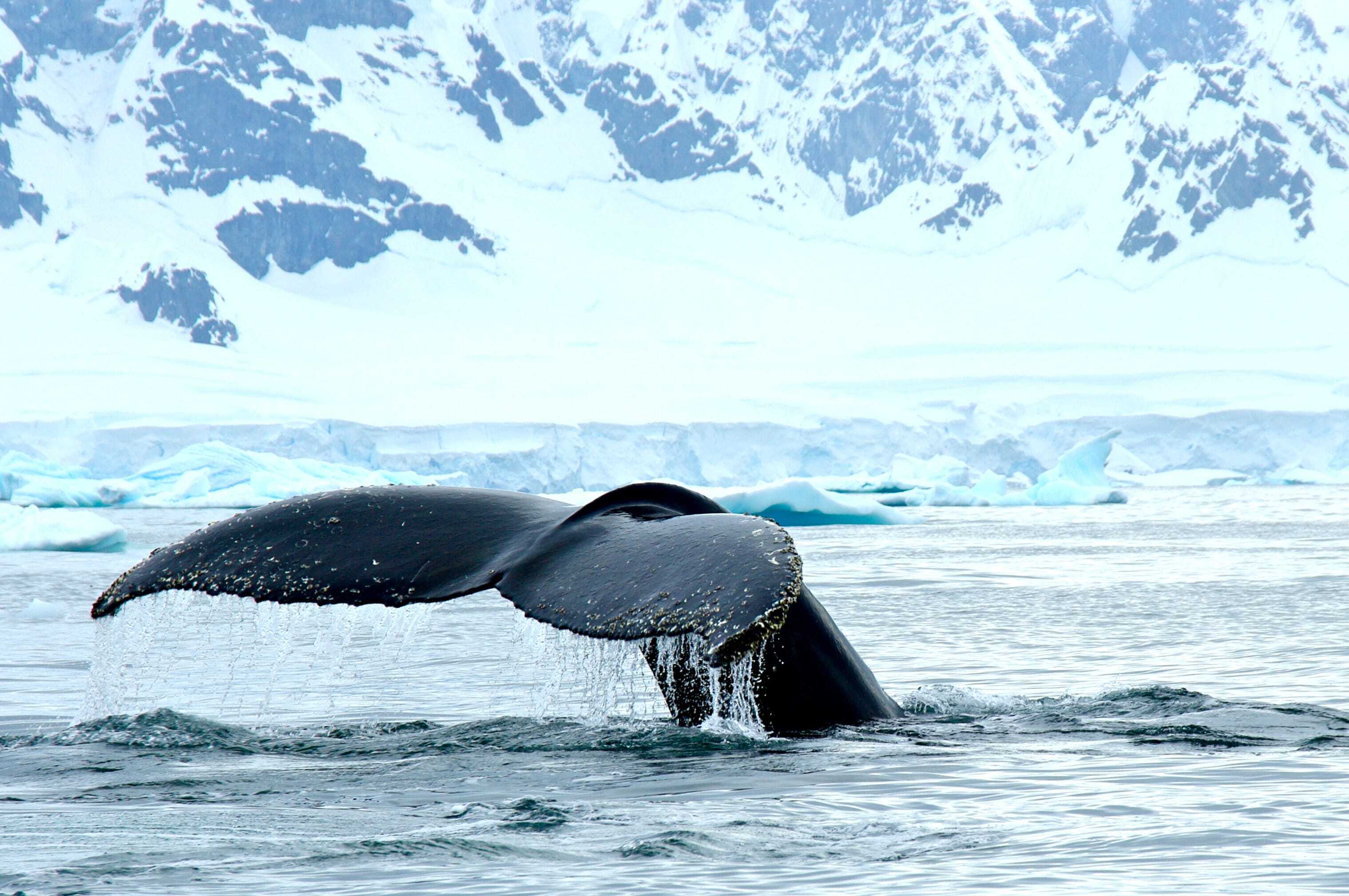
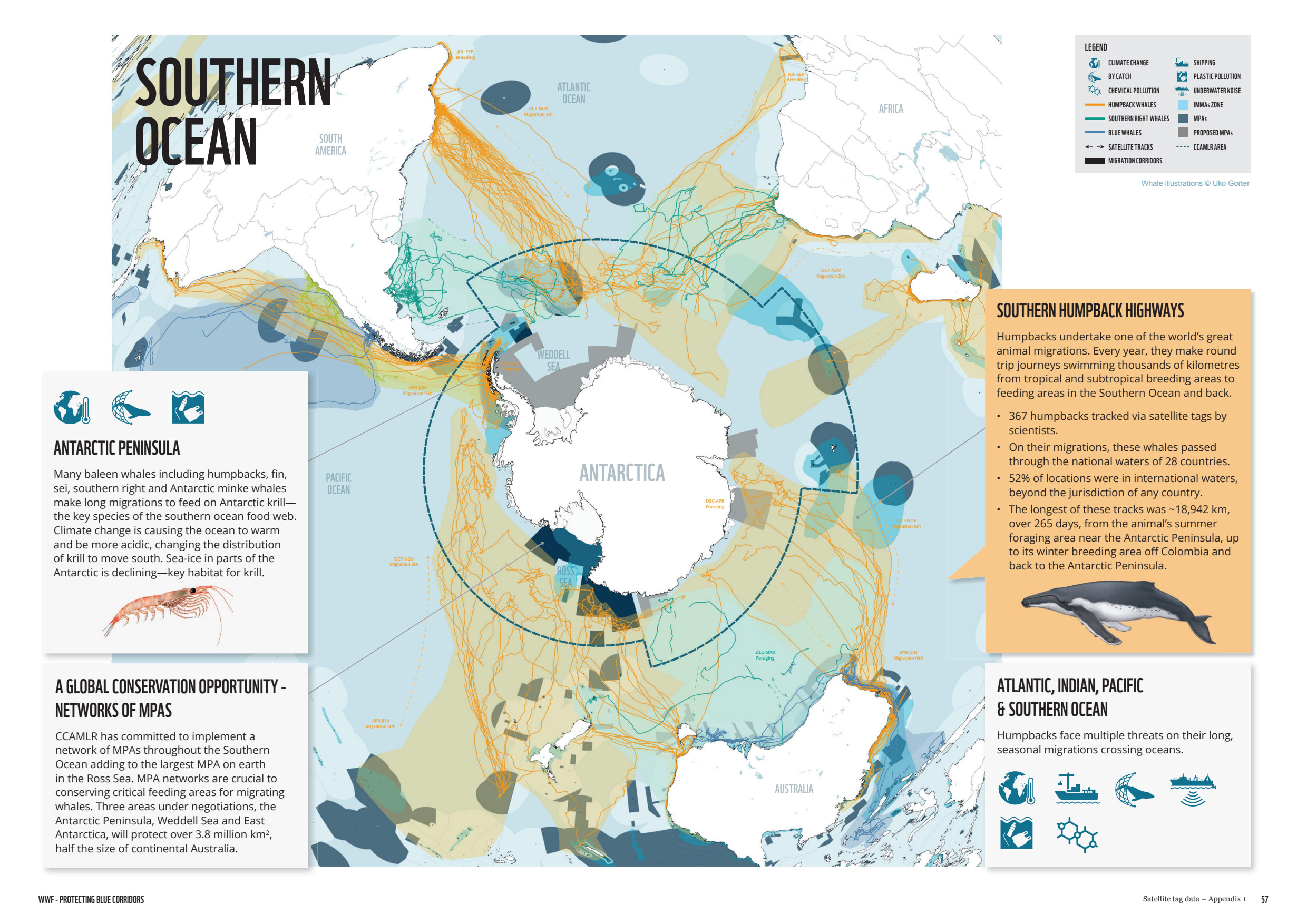
Of the world's 18 penguin species, half are found only within the Southern Ocean. Antarctica’s waters also provide critical habitat and feeding grounds for 80-90% of the world's whale species, including the humpback whale, which is only now recovering from being hunted to the brink of extinction.  
Threats

Global warming

Climate change is the greatest long-term threat to the region. Some parts of Antarctica are experiencing significant ice retreat, including the collapse of ice shelves along the Antarctic Peninsula, while other areas are increasing. If our climate continues to warm and acidify the Southern ocean, scientists predict that krill populations could be devastated, undermining the entire food chain.

Increased fishing pressure and illegal fishing

As global fisheries become depleted, there is growing interest to expand fishing throughout the region. In particular, krill fishing needs to be closely monitored and controlled to ensure whales, penguins and other wildlife are protected. Illegal, unregulated and unreported (IUU) fishing also threatens fish stocks in some areas of the Southern Ocean and thereby the seabirds and marine mammals that depend upon them. The harmful fishing methods used by IUU fishing vessels also cause the direct deaths of countless seabirds.

Marine pollution

Persistent organic pollutants (POPs) have been measured around Antarctica and detected in wildlife. Microplastics are emerging as a threat in the region. Increasing quantities of plastic are washing up on the Antarctic coastline and subantarctic islands.

Invasive species

Many Antarctic species have evolved in isolation from the rest of the world. Consequently, they have developed no means of defending themselves from the invasive species carried aboard ships. WWF catalysed and helped fund the removal of rabbits from Macquarie Island and is now helping to remove mice from the Antipodes Islands.

What we're doing

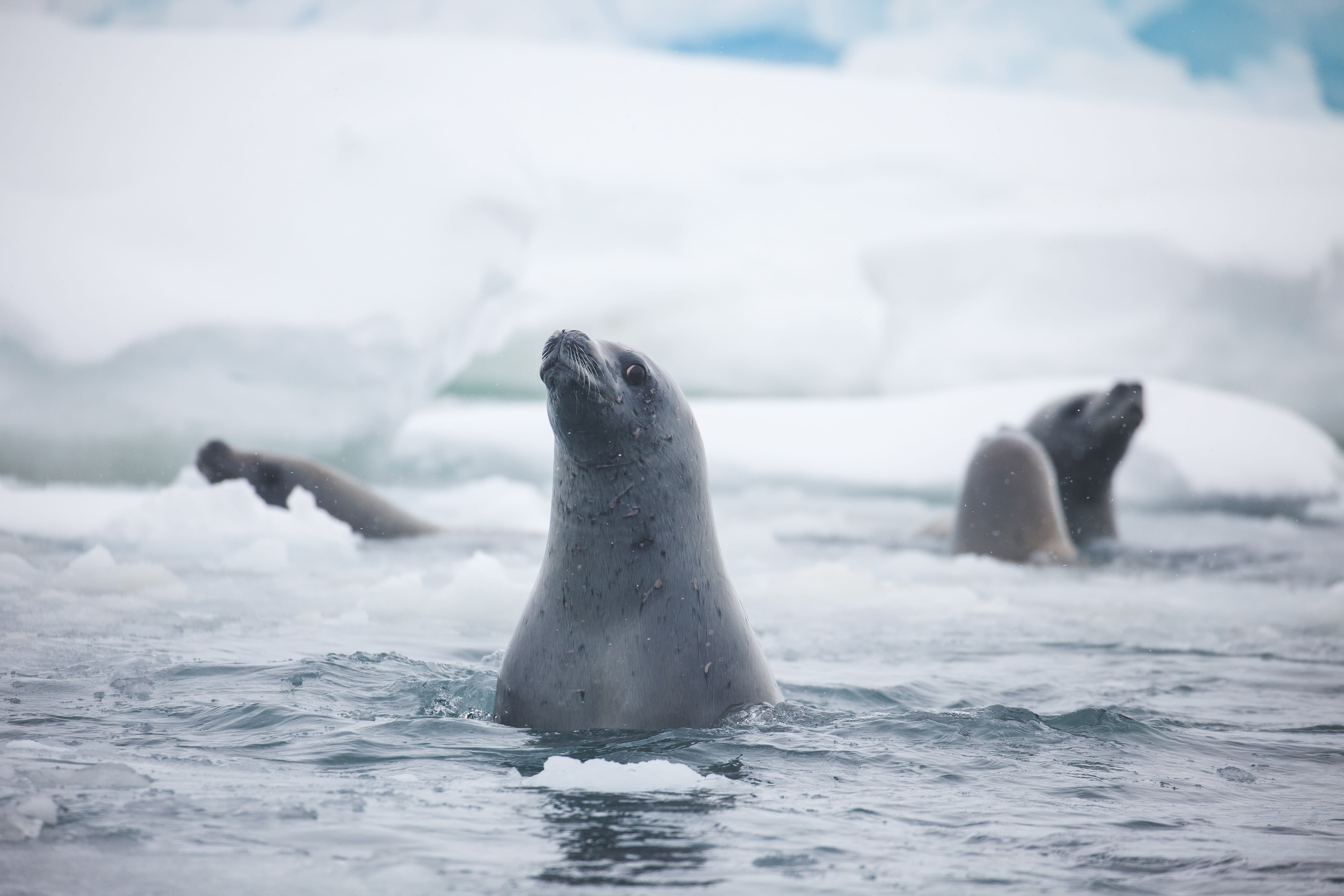
Crabeater seals (Lobodon carcinophagus) swimming in the water, Antarctic Peninsula, December 2018.
Crabeater seals (Lobodon carcinophagus) swimming in the water, Antarctic Peninsula, December 2018. © Chris Johnson / WWF-Aus

Protecting Antarctic giants

By partnering with First Peoples, governments, industry and coastal communities to achieve impact at scale to protect seascapes and Saltwater Country. 
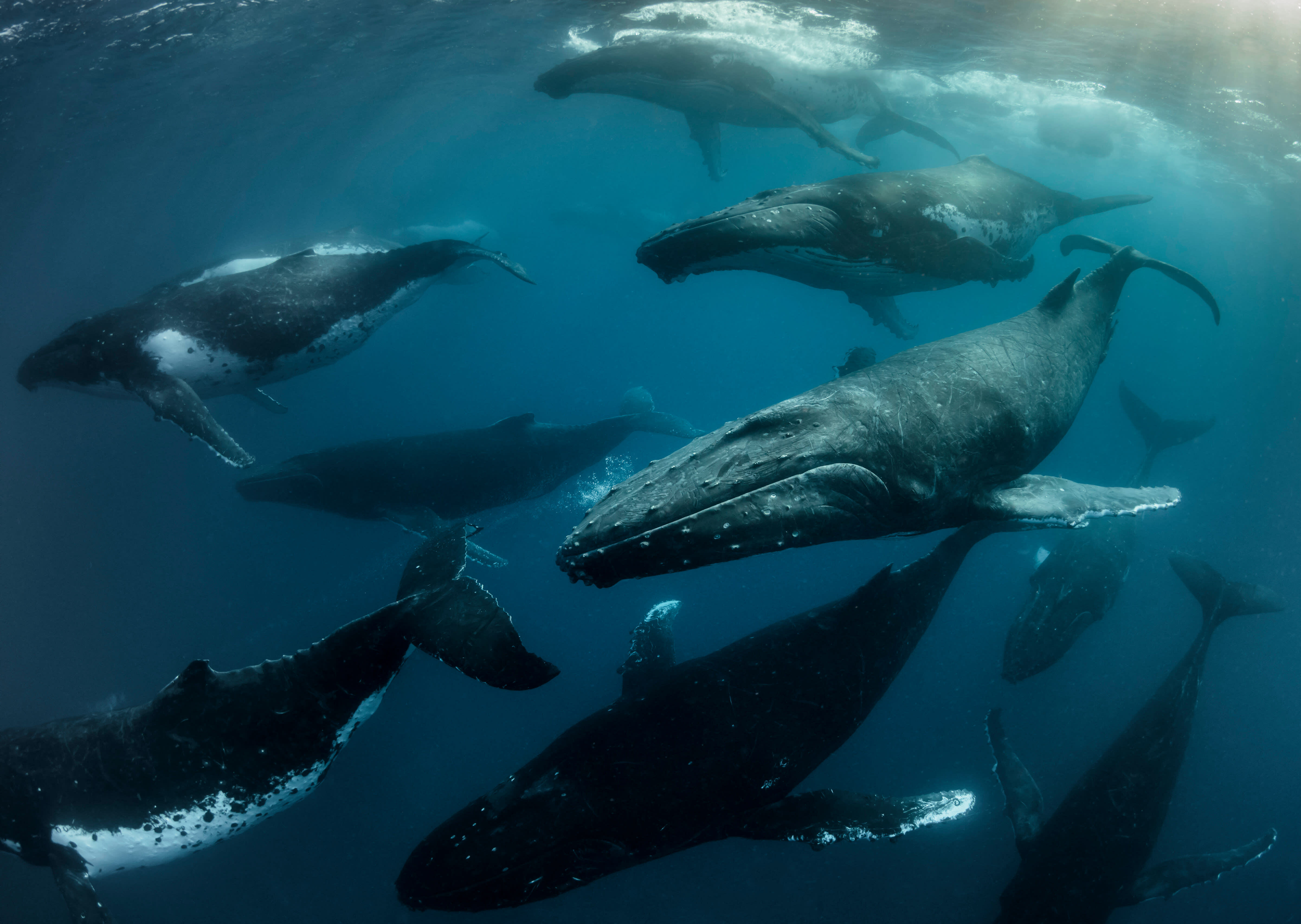
Southern Humpback Whale heat run, Kingdom of Tonga.
Southern Humpback Whale heat run, Kingdom of Tonga. © Darren Jew / WWF

Safeguarding blue corridors to protect existing whale populations and connect their critical habitats and migration corridors.

By increasing local, regional, federal and global-level advocacy to enable more robust frameworks and calling on the Australian Government to play their part in protecting whales – within Australia and its surrounding waters such as the Southern Ocean and Antarctica. 
Read more
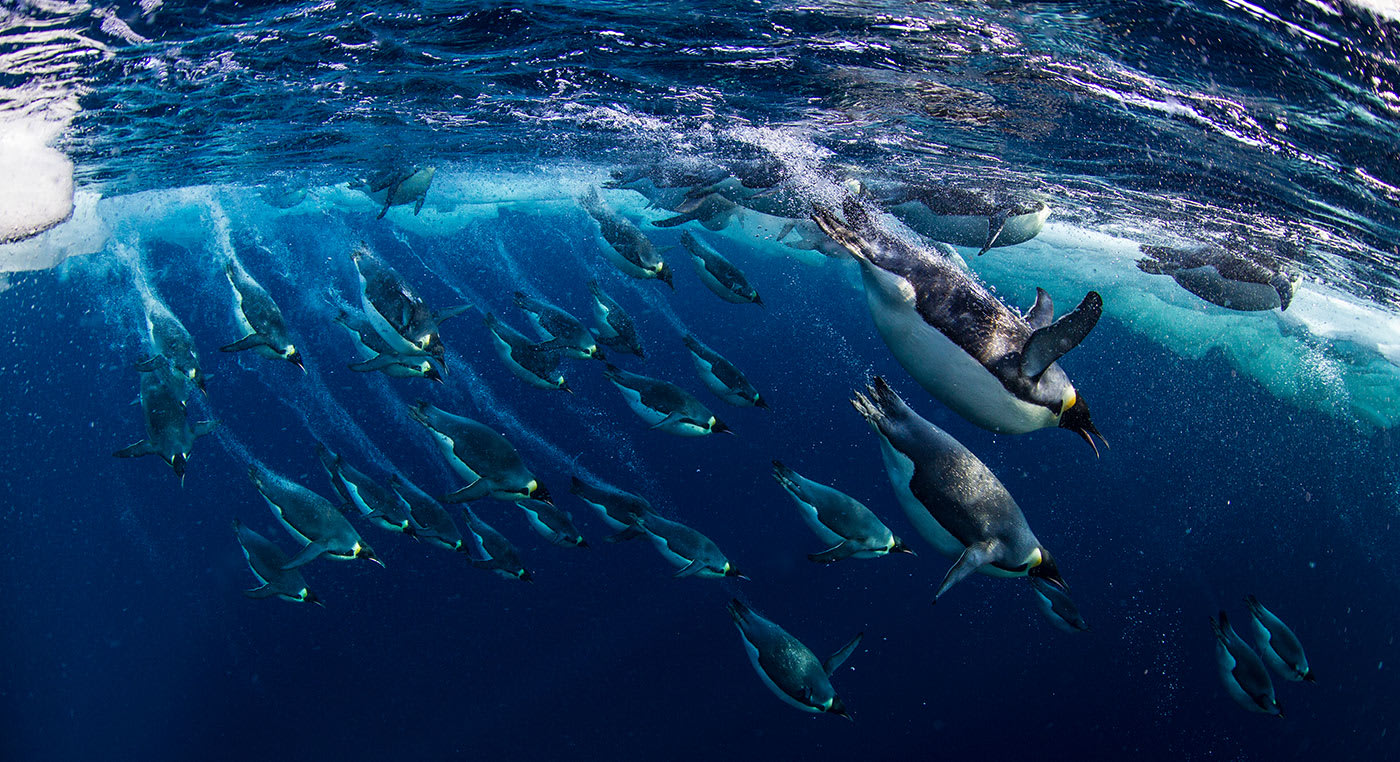
Emperor penguins (Aptenodytes forsteri) diving= Ross Sea= Antarctica
Emperor penguins (Aptenodytes forsteri) diving= Ross Sea= Antarctica © National Geographic Creative / Paul Nicklen / WWF
Loading form…