How is global warming affecting life in Australia?
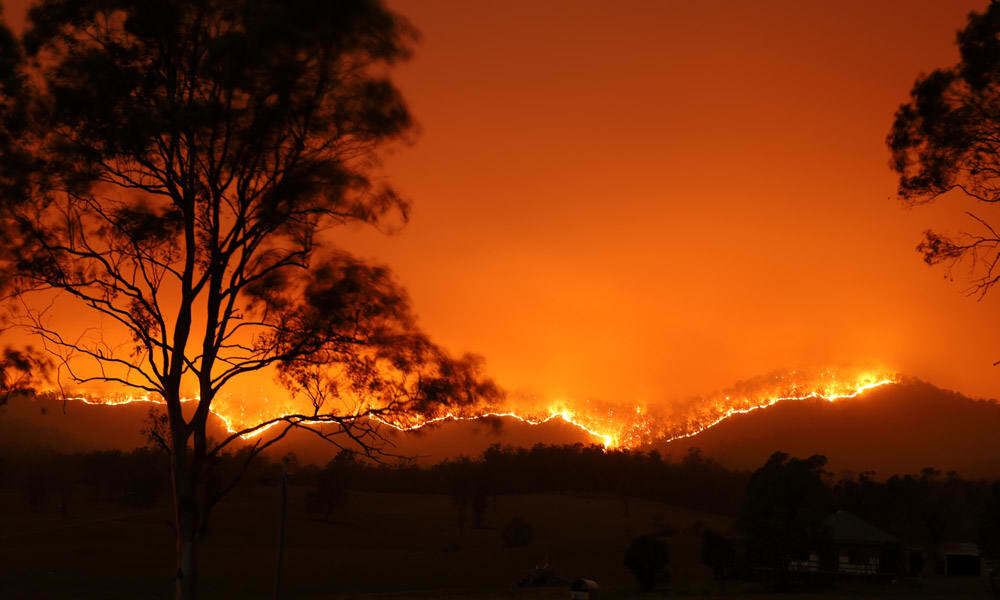
Global warming stresses ecosystems through rising temperatures, water shortages, increased fire threats, drought, weed and pest invasions, intense storm damage, and salt invasion, to name a few. Some of Australia’s great natural icons, such as the Great Barrier Reef, are already threatened.
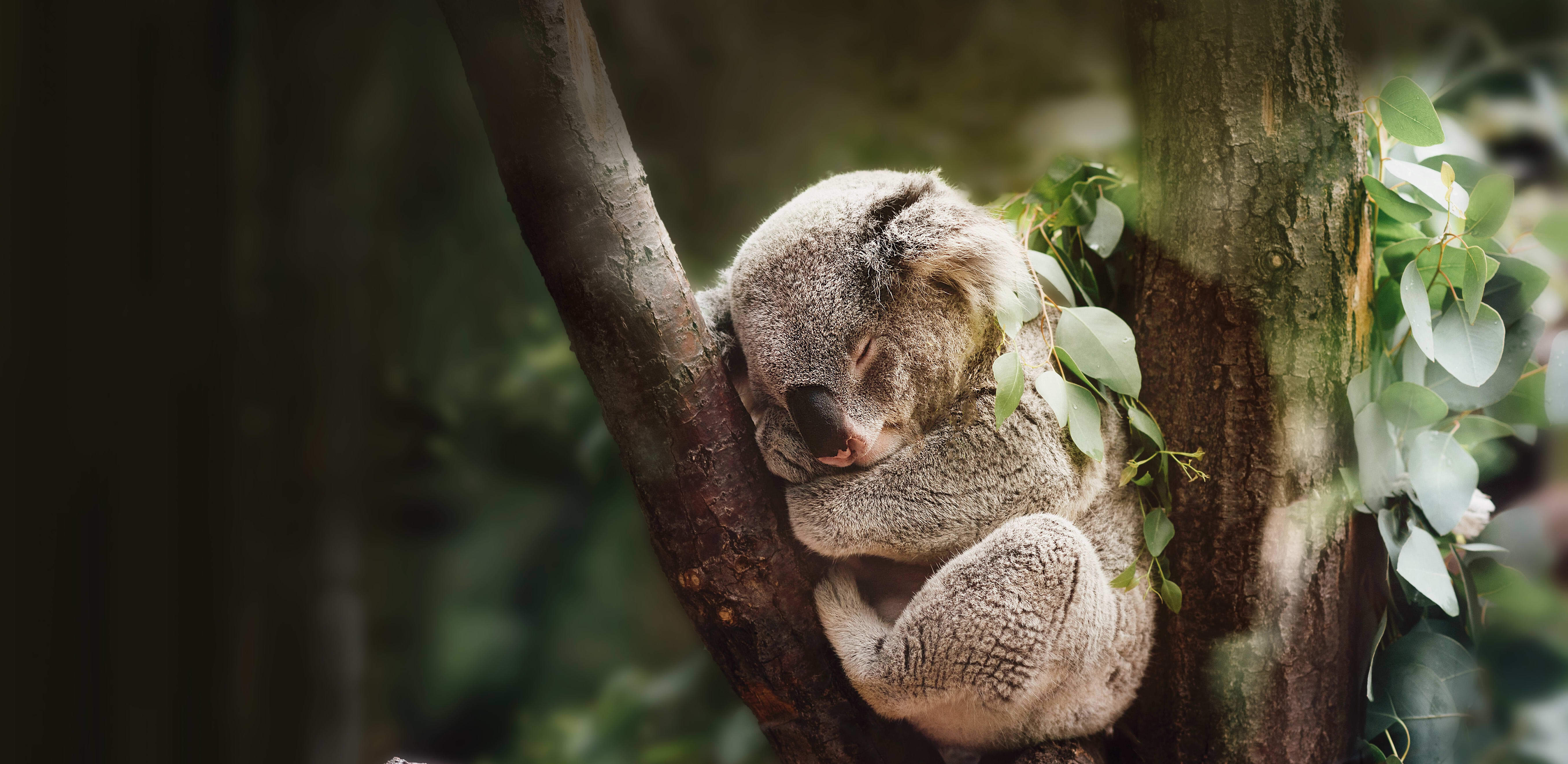
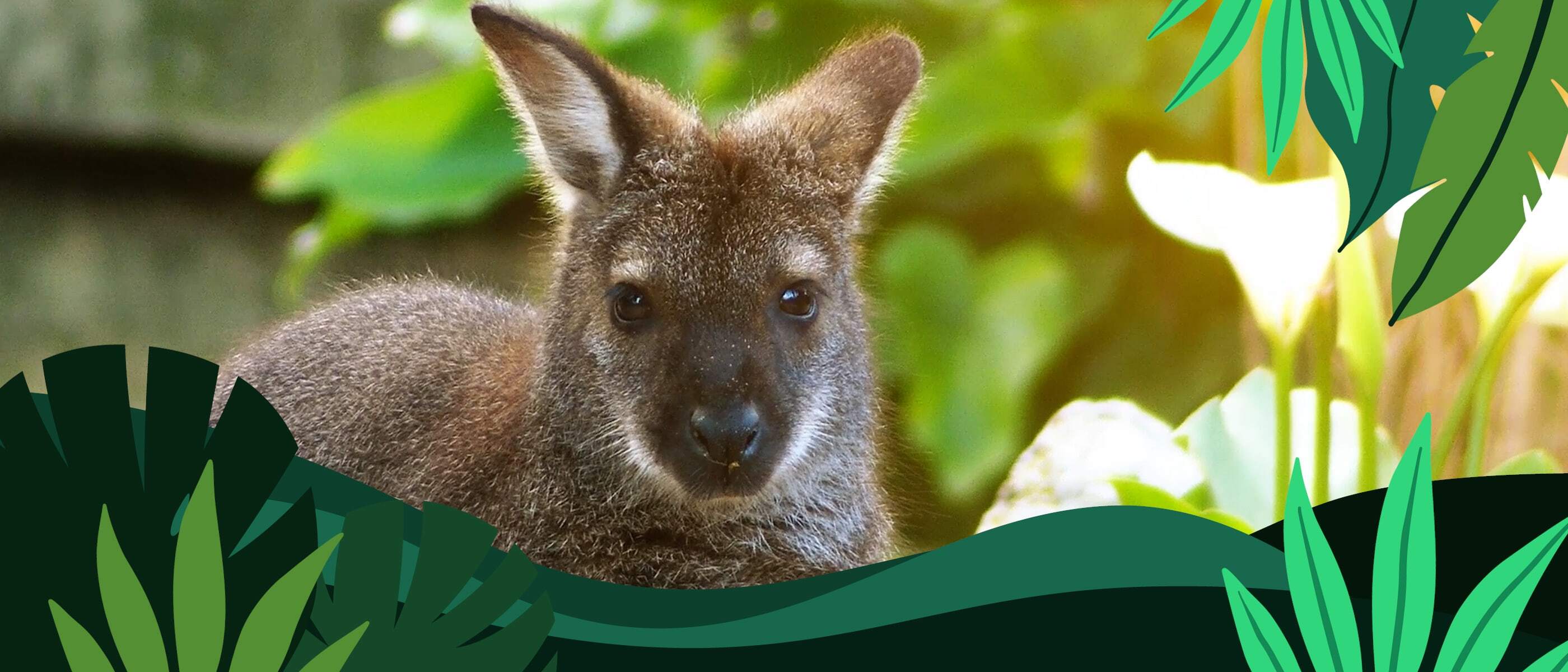
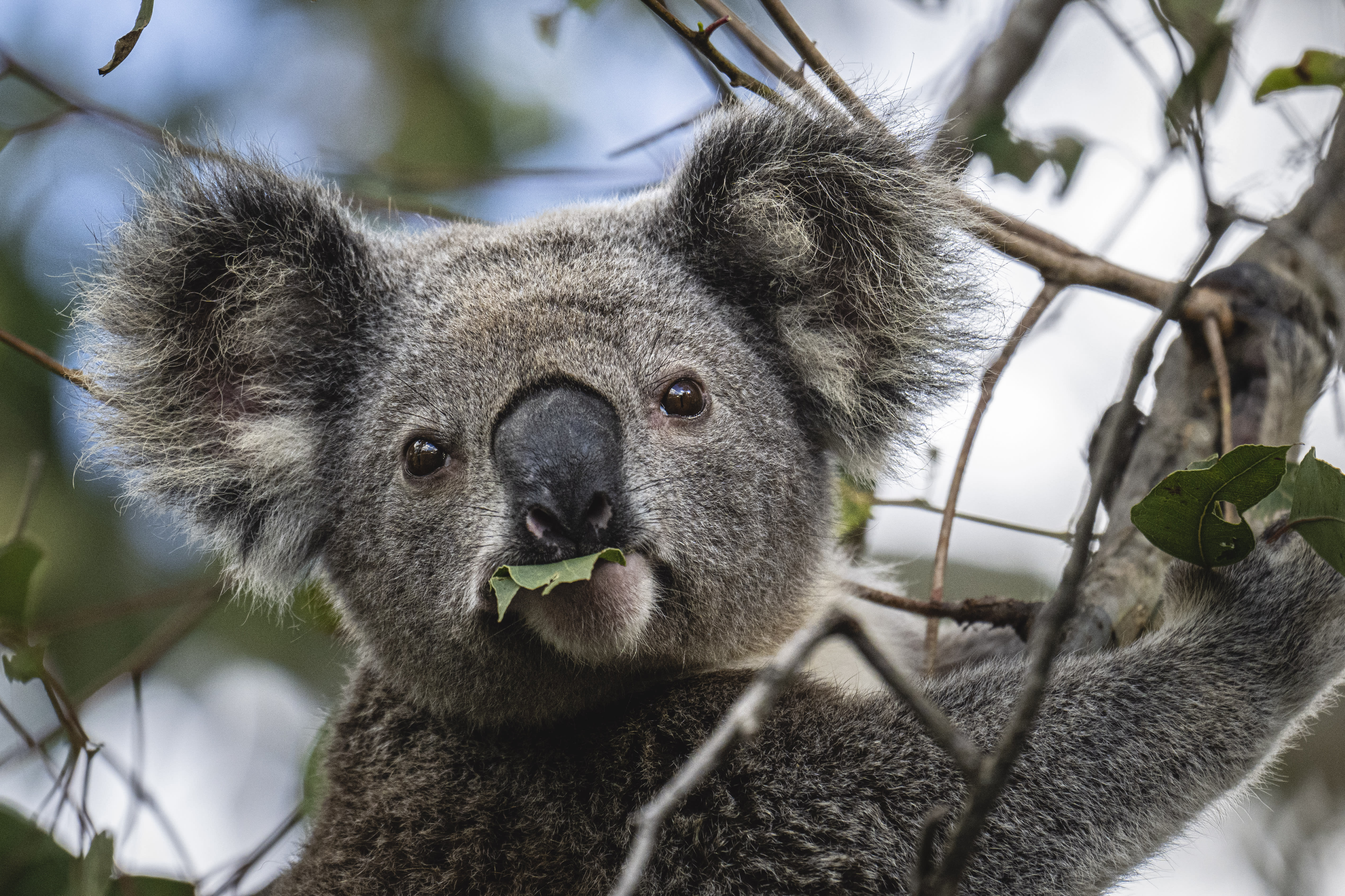
One in six species is at risk of extinction because of climate change. Australia currently holds the unenviable title for the world’s highest rate of mammal extinctions. To survive, plants, animals and birds confronted with climate change have two options: move or adapt. With the speed of climate change we are already experiencing, it’s often not possible for a species to adapt quickly enough to keep up with its changing environment. And with the amount of habitat destruction, moving is becoming increasingly difficult.
Changes to rainfall patterns, increasingly severe drought, more frequent heatwaves, flooding and extreme weather make it more difficult for farmers to graze livestock and grow produce, reducing food availability and making it more expensive to buy.
Rainfall patterns are changing across Australia. In southwest and southeast Australia, rainfall has been below average for 17 of the past 20 years. Reduced rainfall and increasingly severe droughts have already led to severe water shortages in large areas of New South Wales.
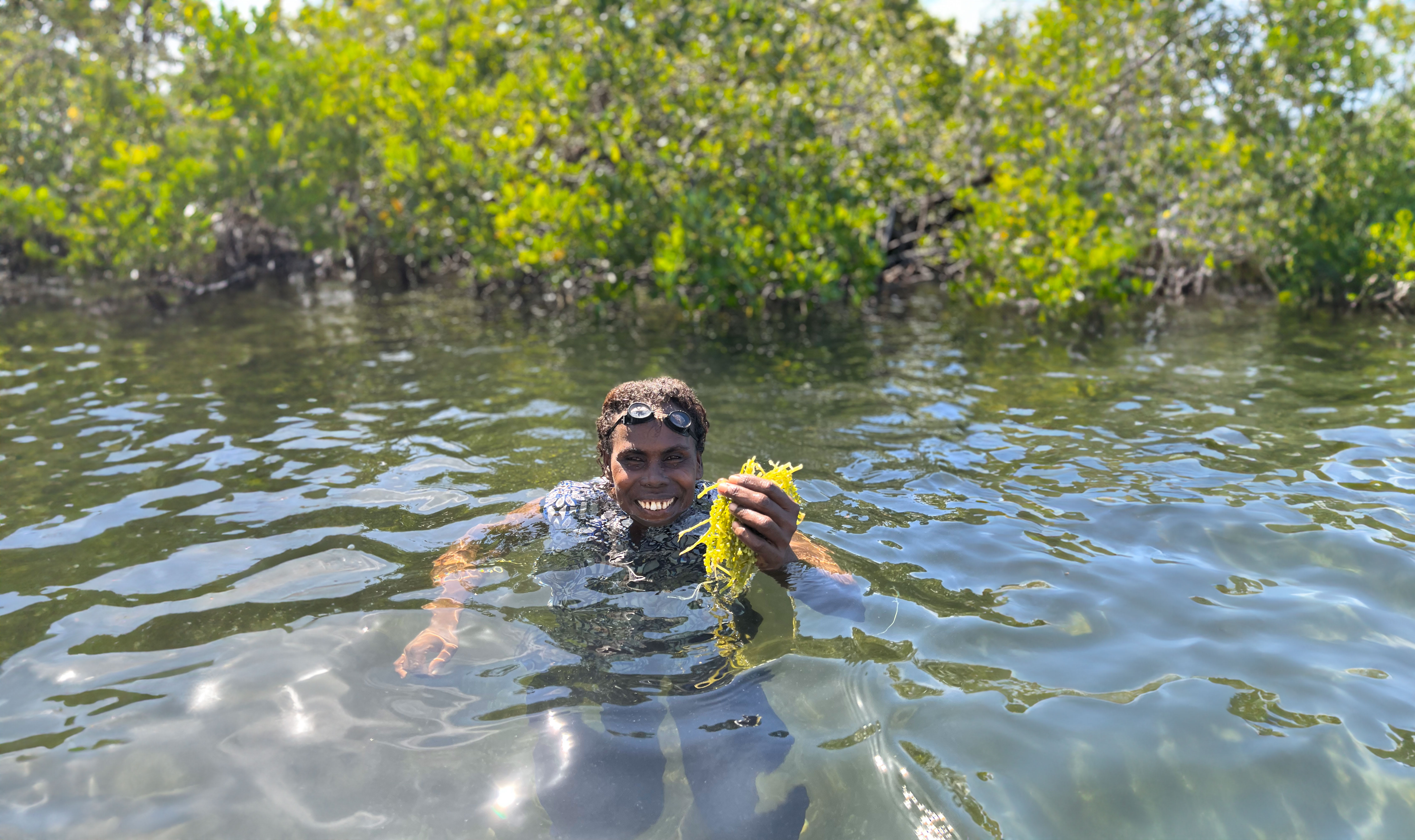
Rising sea levels and more frequent and intense storm surges will cause more erosion of Australia's coastline, wearing away and inundating community and residential properties. Coastal erosion also significantly impacts local biodiversity that depends on coastal habitats like mangroves and seagrass to survive.
Increasingly severe and frequent heatwaves may lead to death and illness, especially among the elderly. Higher temperatures and humidity could also produce more mosquito-borne diseases. At the same time, bushfires are impacting overall air quality, while floods can contaminate our drinking water supplies.
Increasingly severe extreme weather events like bushfires, storms, floods, cyclones and coastal erosion will see increased damage to homes, as well as more costly insurance premiums. Research revealed that up to 1.6 million homes in Australia were already at moderate or high risk from climate change-related extreme weather. This number is expected to jump up to 2.6 million homes by 2050.
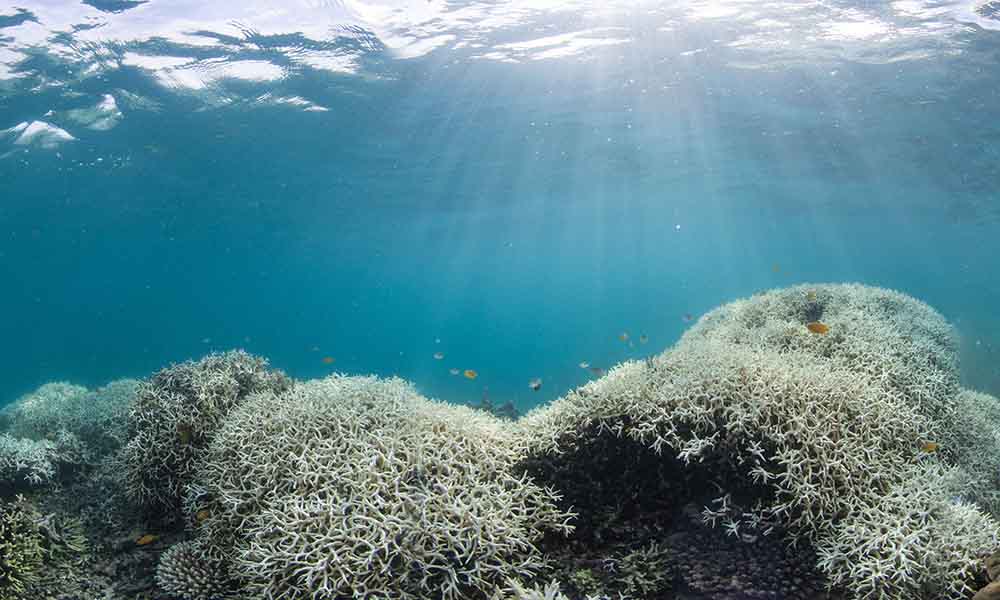
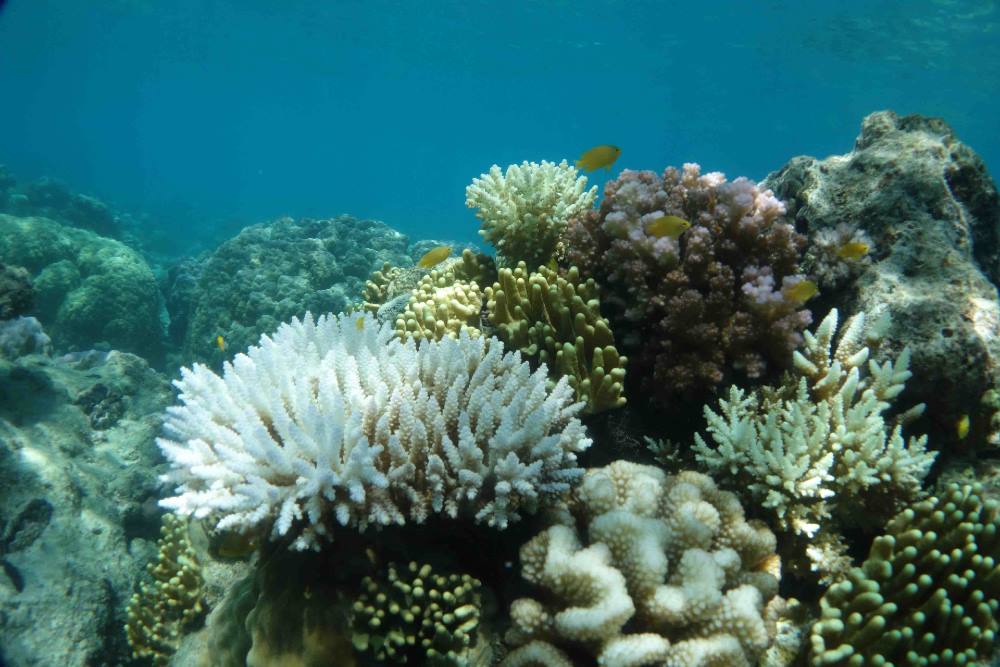
Rising temperatures and acidity within our oceans contribute to extreme coral bleaching events happening more frequently. In 2024, the fourth global mass bleaching event was confirmed, the second event in 10 years. The Great Barrier Reef has been under significant heat stress – experiencing five mass bleaching events in just eight years, and the 2024 event is feared to be the most widespread and damaging to date.