Krill species bio
Common Name
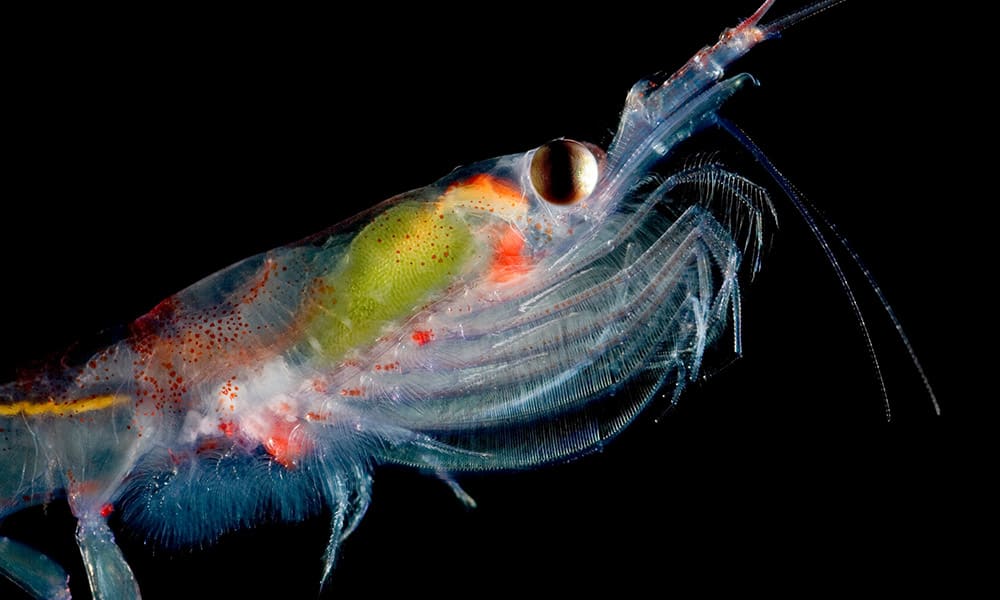
Antarctic krill
Scientific Name
Euphausia superba
Stats
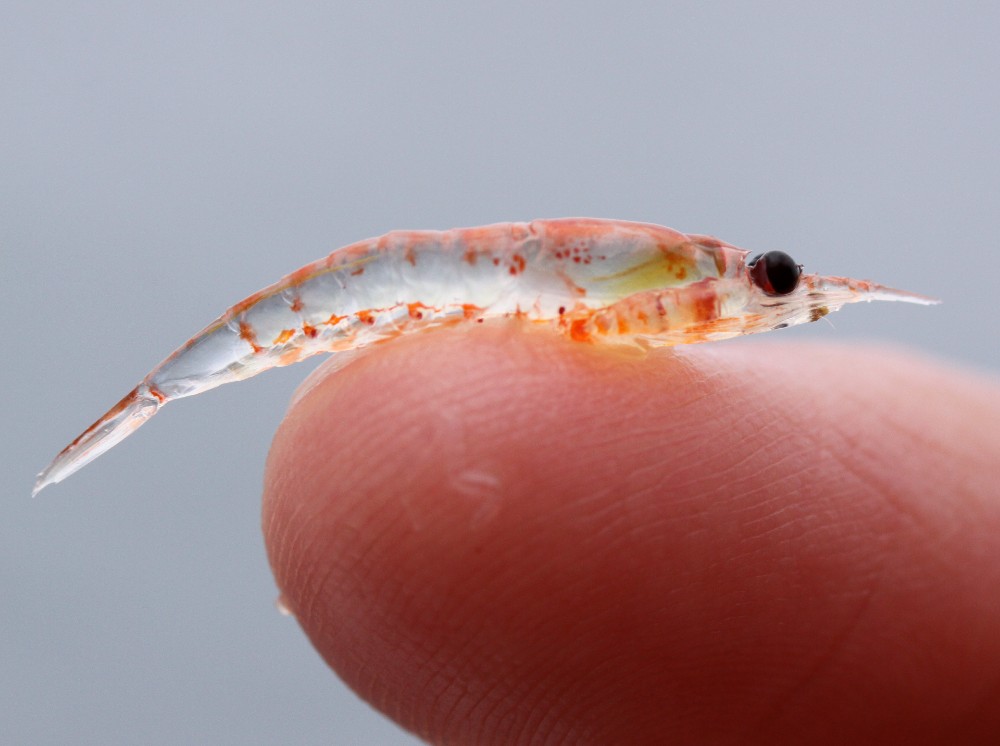
Length: up to 6cm
Weight: up to 1g
Status
Listed as Least Concern (IUCN Red List)
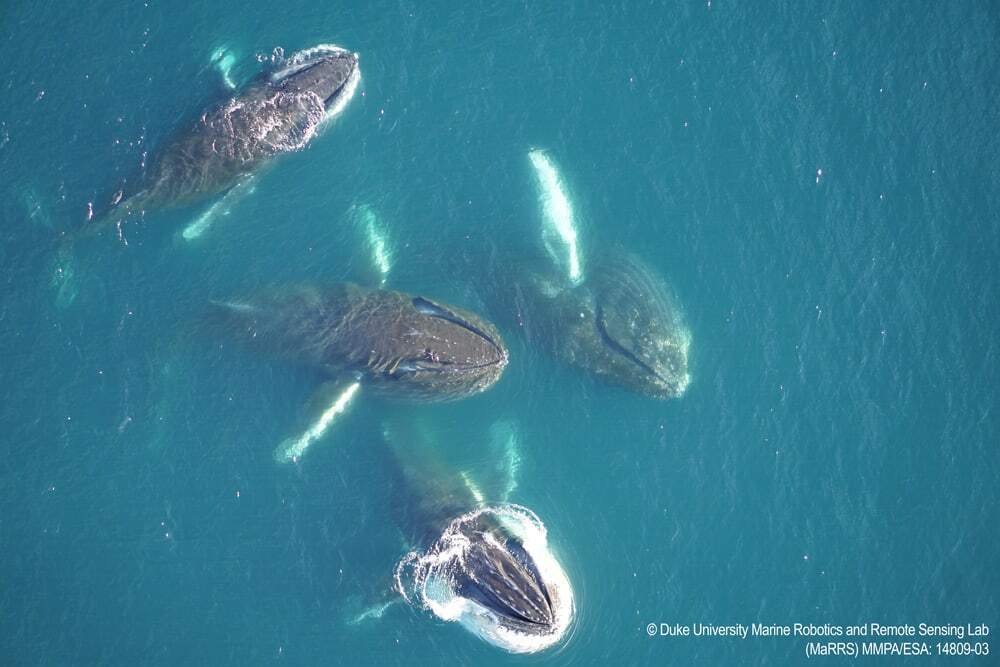
Antarctic krill are central to the Southern Ocean food web
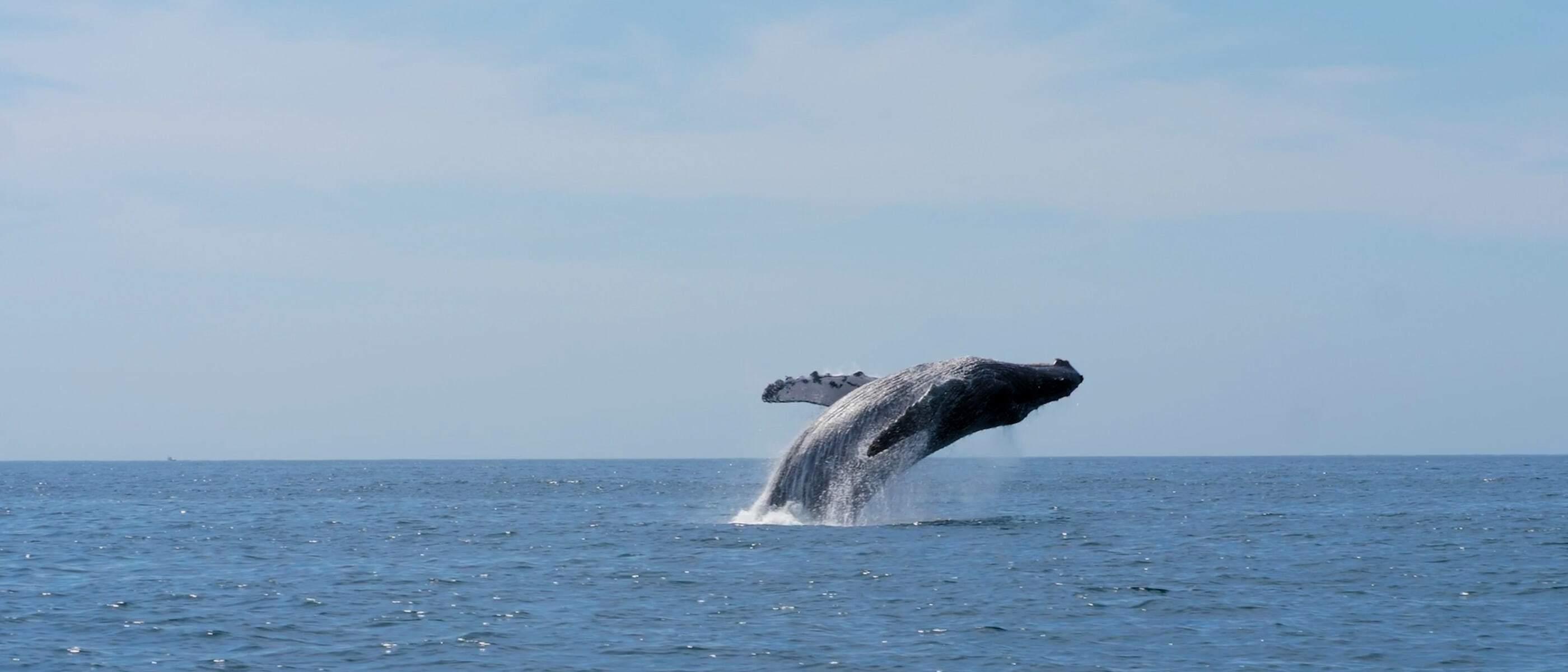
Antarctic krill are the primary food source for countless species within the Southern Ocean, such as whales, seals, fish, penguins and other seabirds. Without them, the entire marine ecosystem could collapse.
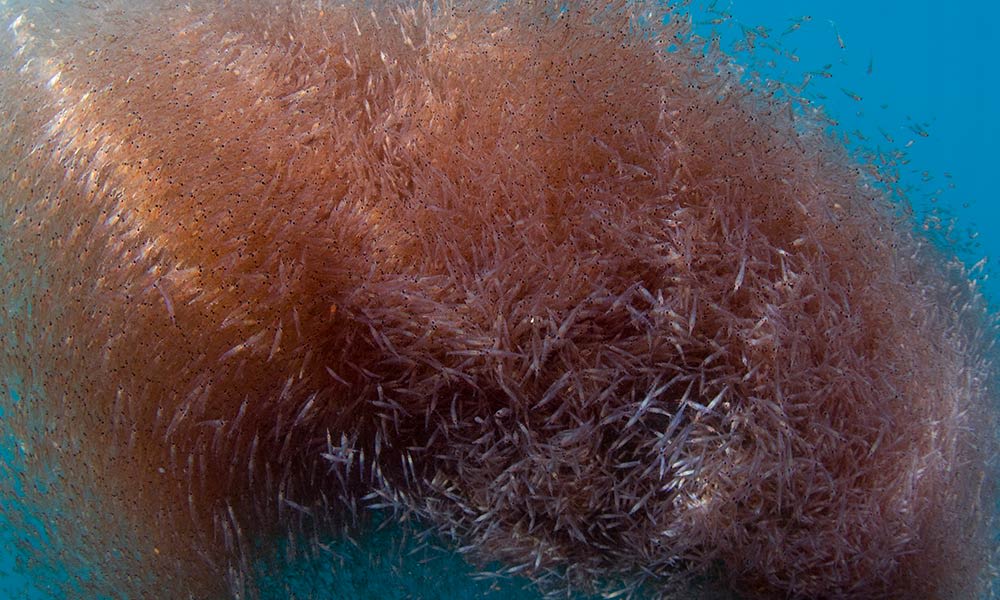
Antarctic krill are carbon-storing powerhouses
Antarctic krill store carbon in their bodies and transport it to the deep ocean through the release of faeces and moulting of their exoskeleton. Reports revealed that krill in the Antarctic Peninsula and Scotia Sea can sink an estimated 23 megatonnes of carbon annually, which is then stored in the deep ocean for at least 100 years.
Antarctic krill also play an essential role in regulating and storing atmospheric carbon – helping to maintain stable levels of carbon dioxide in our atmosphere.
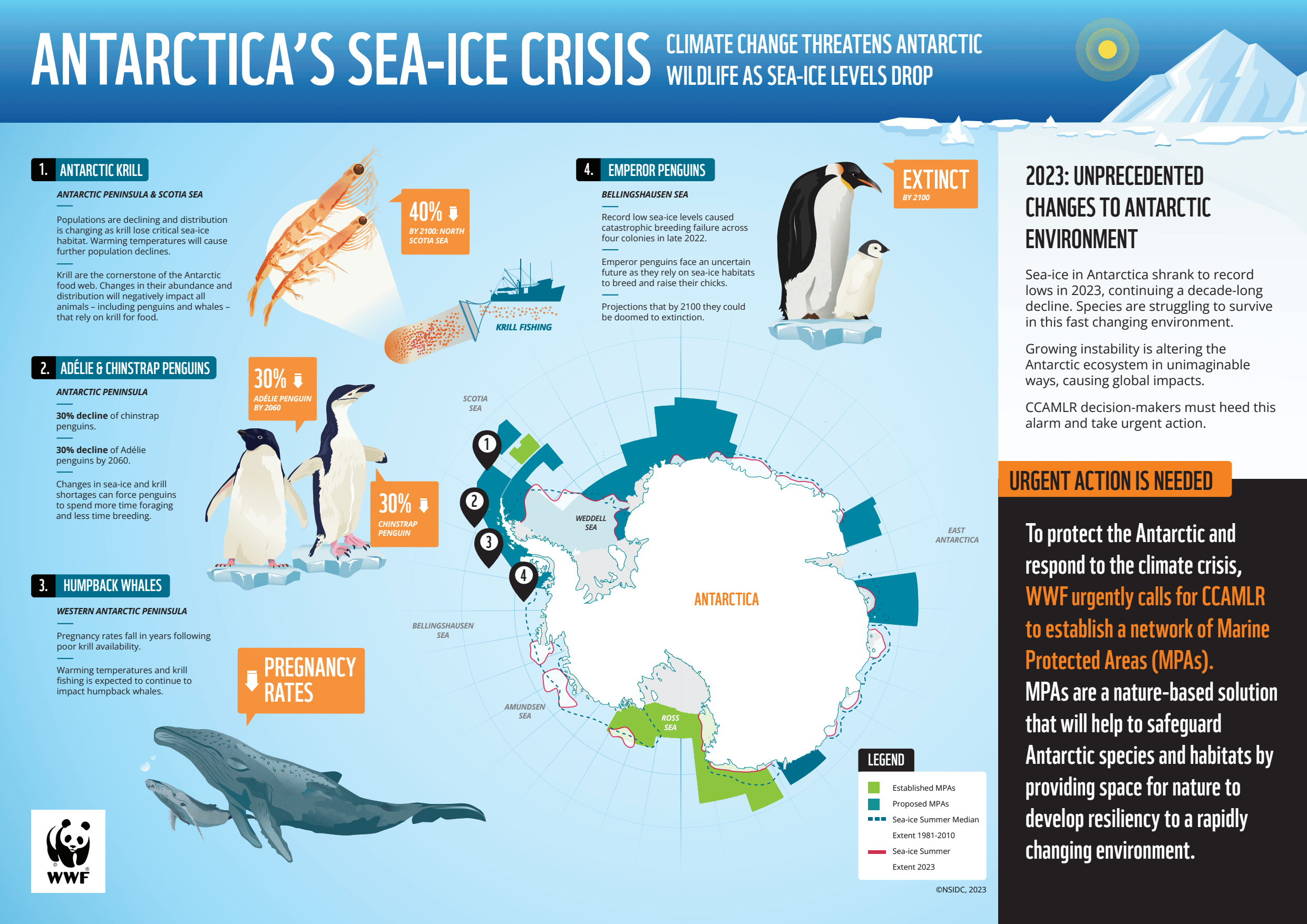
Climate change
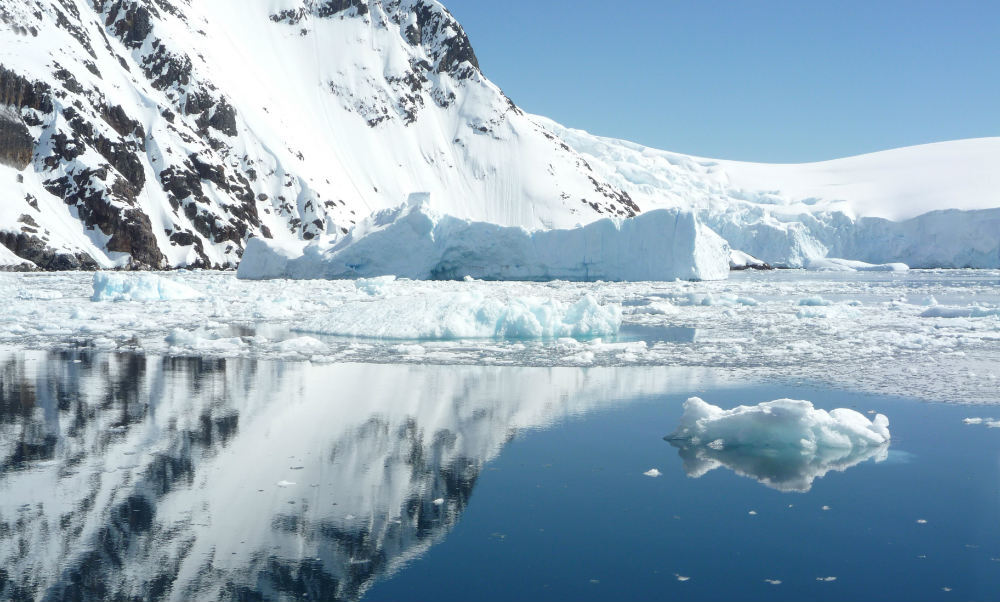
Climate change is bringing unprecedented change throughout the Antarctic region. As water temperatures continue to rise, the sea-ice habitats that protect krill nurseries will melt, further shortening the suitable season for krill growth and reproduction. As the primary food source for many species, this could have widespread ecological impacts for the entire Southern Ocean ecosystem.
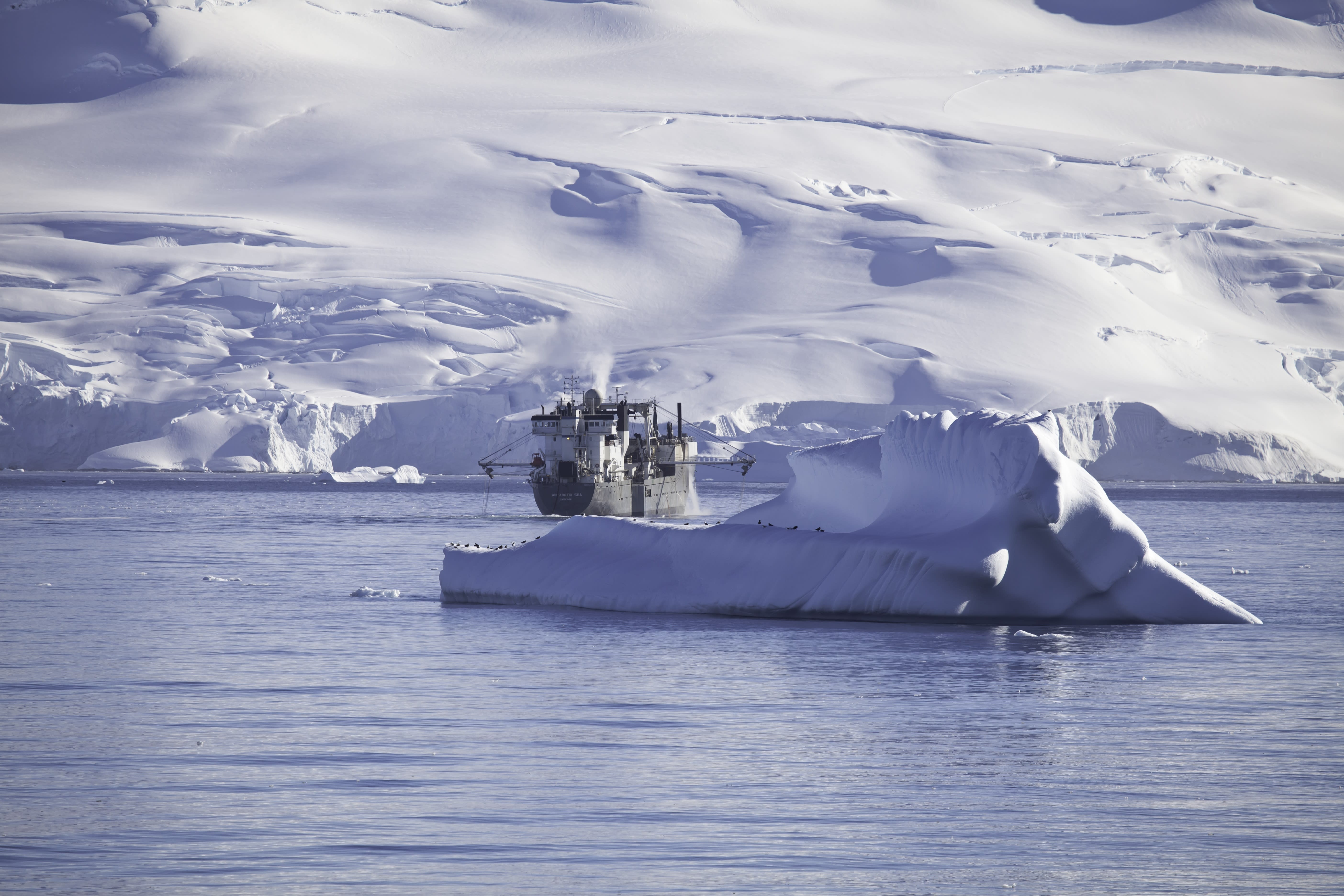
Krill industrial fishing
A large-scale industrial krill fishery operates around the Antarctic Peninsula. The market for krill oil as a pharmaceutical food supplement, like Omega-3 dietary supplements, is predicted to grow by 10% per annum from 2021 to 2031 – an increase that would require current catches to almost double.
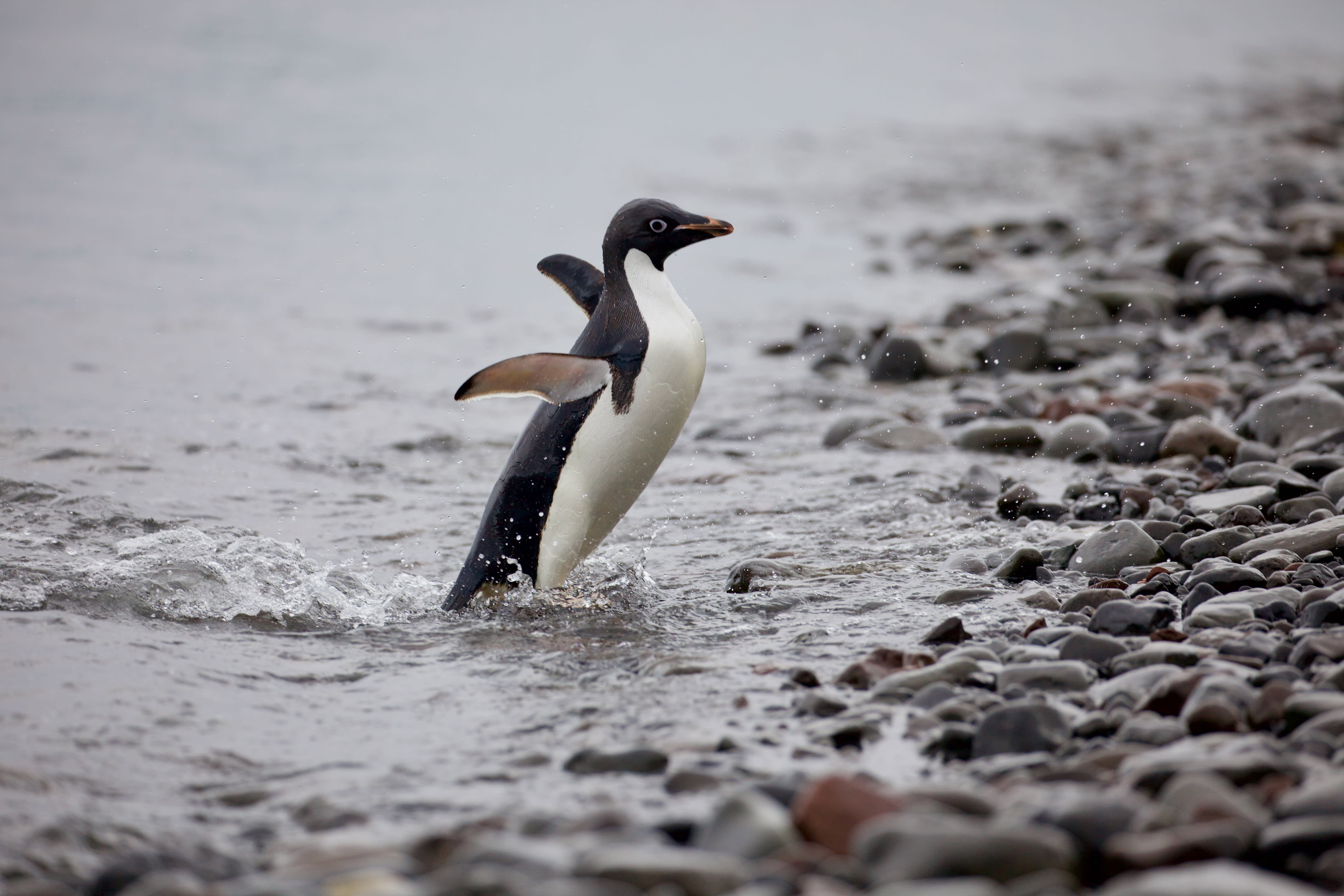
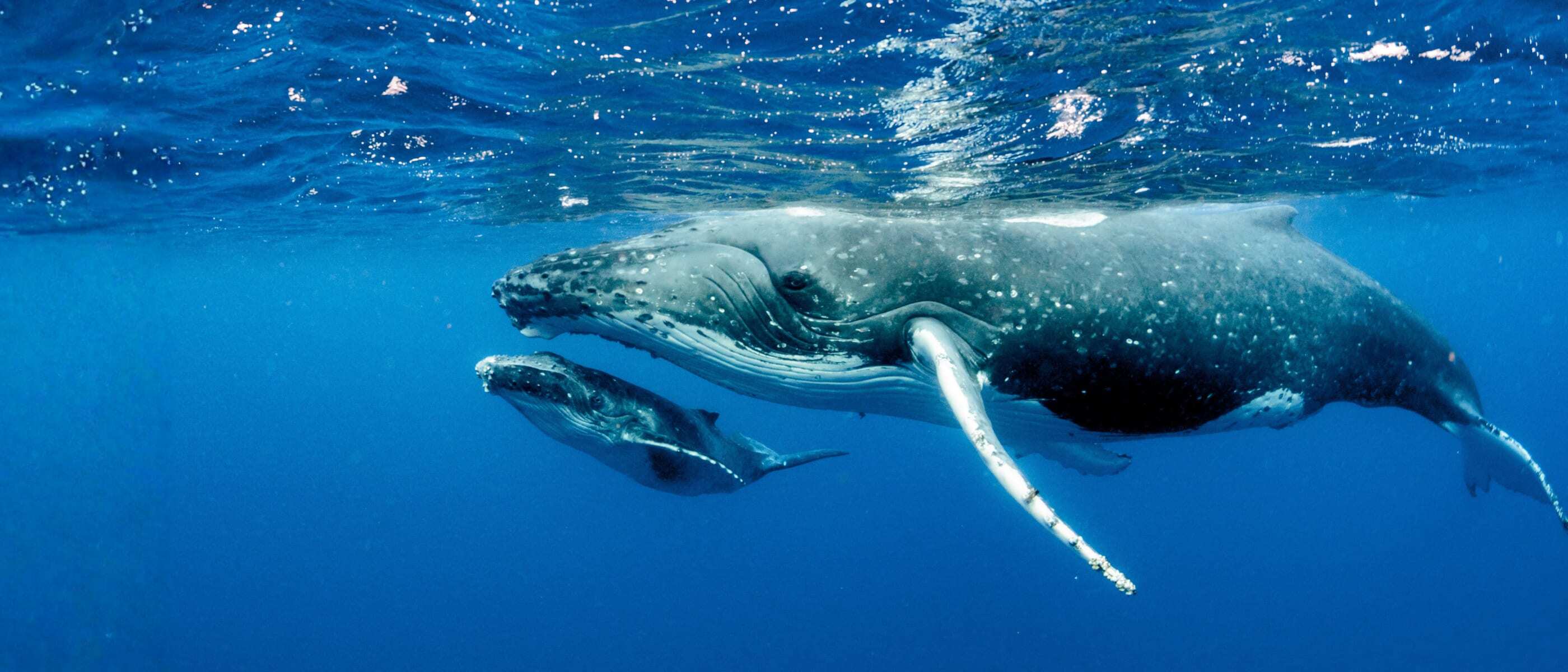
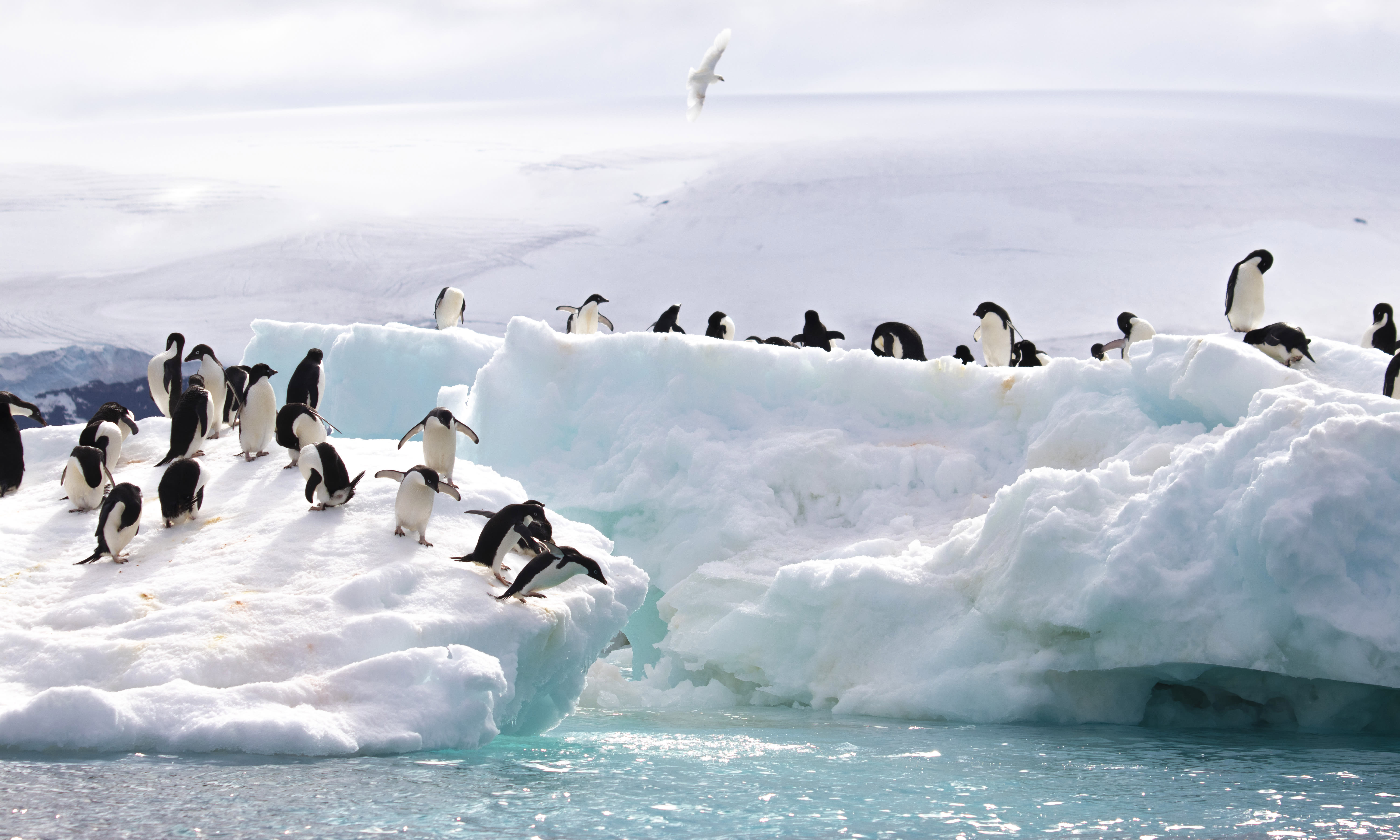
Krill fishers tend to return to areas where they have successfully fished before, creating a concentrated fishery that overlaps with important feeding grounds for krill predators, like humpback whales and Adélie penguins. This method of fishing causes localised depletion of krill.
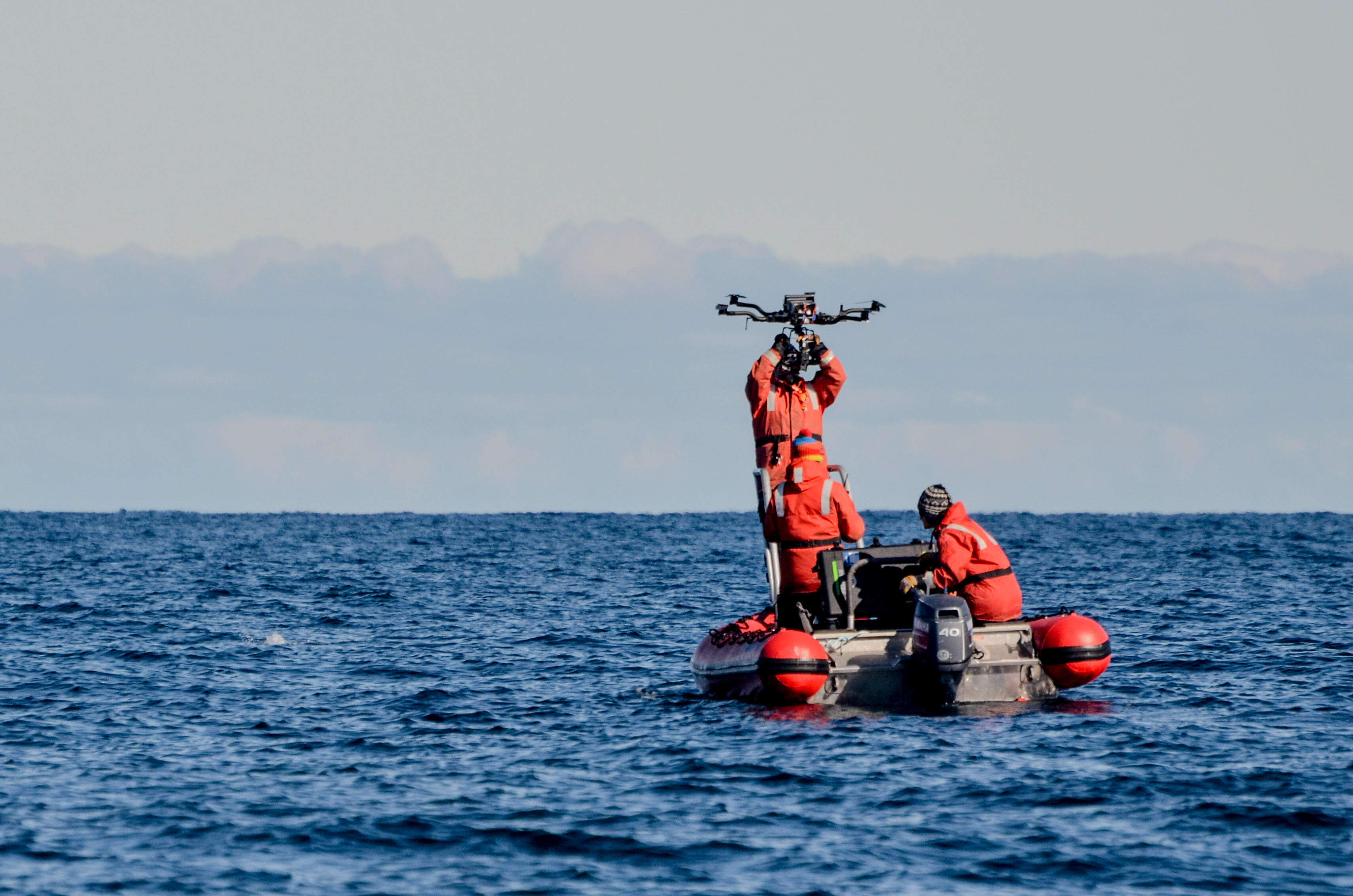
Working to further our understanding of Antarctic krill
WWF works alongside researchers from national Antarctic programs and leading universities to further our understanding the role of Antarctic krill in the global carbon cycle and identify solutions to minimise the threats krill face.
We are also researching the impacts of climate change and fishing on krill populations – and how it can further impact krill predator species like whales, penguins and seals.
This research will go on to inform robust conservation policy that better protects wildlife and wild places in Antarctica.
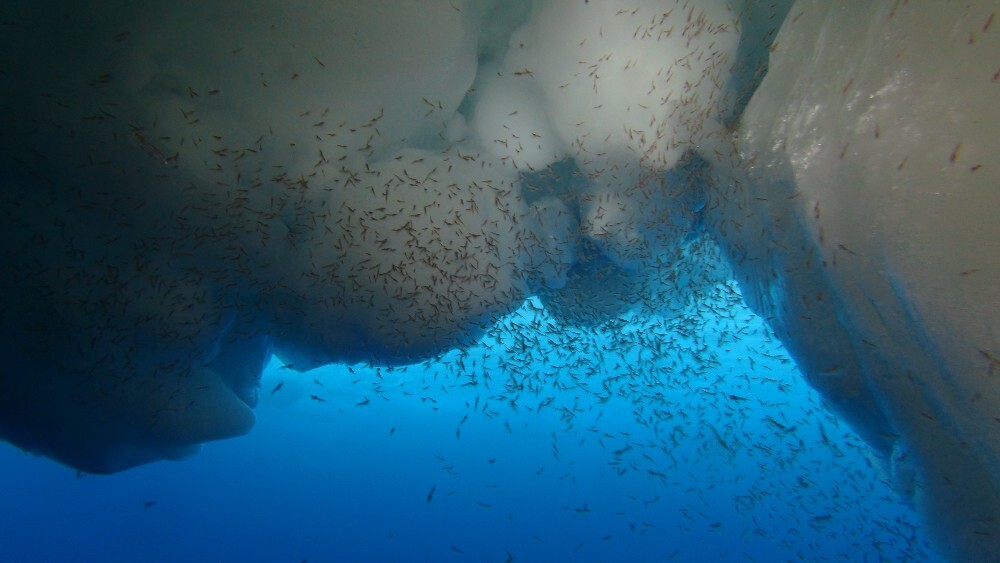
Protecting important Antarctic krill habitat
WWF is working alongside various stakeholders and governments across the globe to advocate for establishing a network of Marine Protected Areas around Antarctica – providing greater protections for krill and the many species that depend on them.
We also advocate for precautionary ecosystem-based fishery management. This approach looks at the broader interactions within a marine ecosystem to identify management strategies that can help sustain healthy marine ecosystems, the fisheries they support and the broader ecosystems they impact.