Skip to content
Compilation video of humpback whales © Shutterstock / underwatercam.tv / WWF, © Shutterstock / BlackBoxGuild / WWF

Whales

We’re caring for the oceans that care for us by protecting whales and the vital role they play in ocean health. WWF‑Australia is working to safeguard whale populations, protect migration pathways and restore healthy oceans for people and nature.

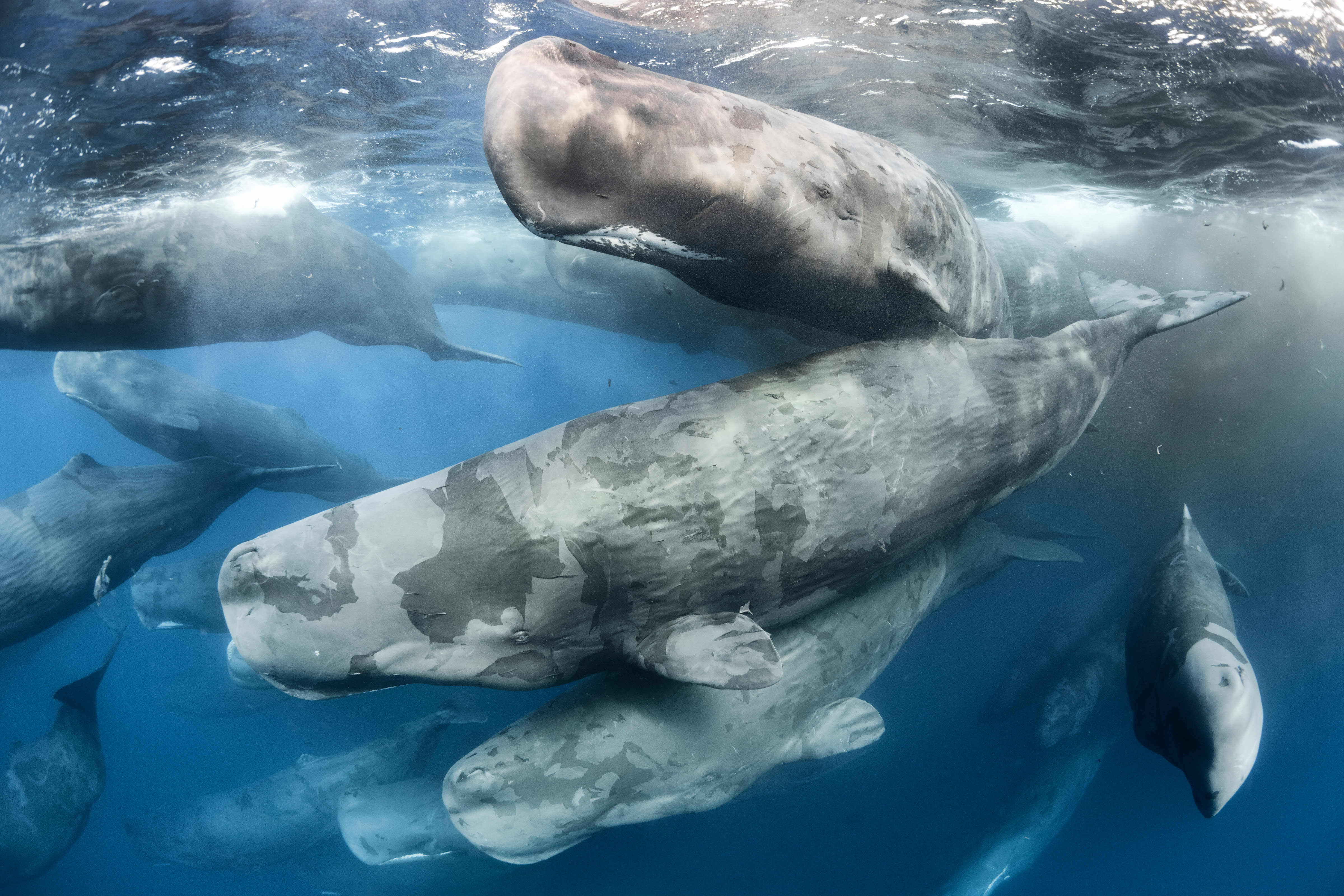
Large aggregation of Sperm whales (Physeter macrocephalus) engaged in social activity.
Large aggregation of Sperm whales (Physeter macrocephalus) engaged in social activity. © naturepl.com / Tony Wu / WWF

Whale facts

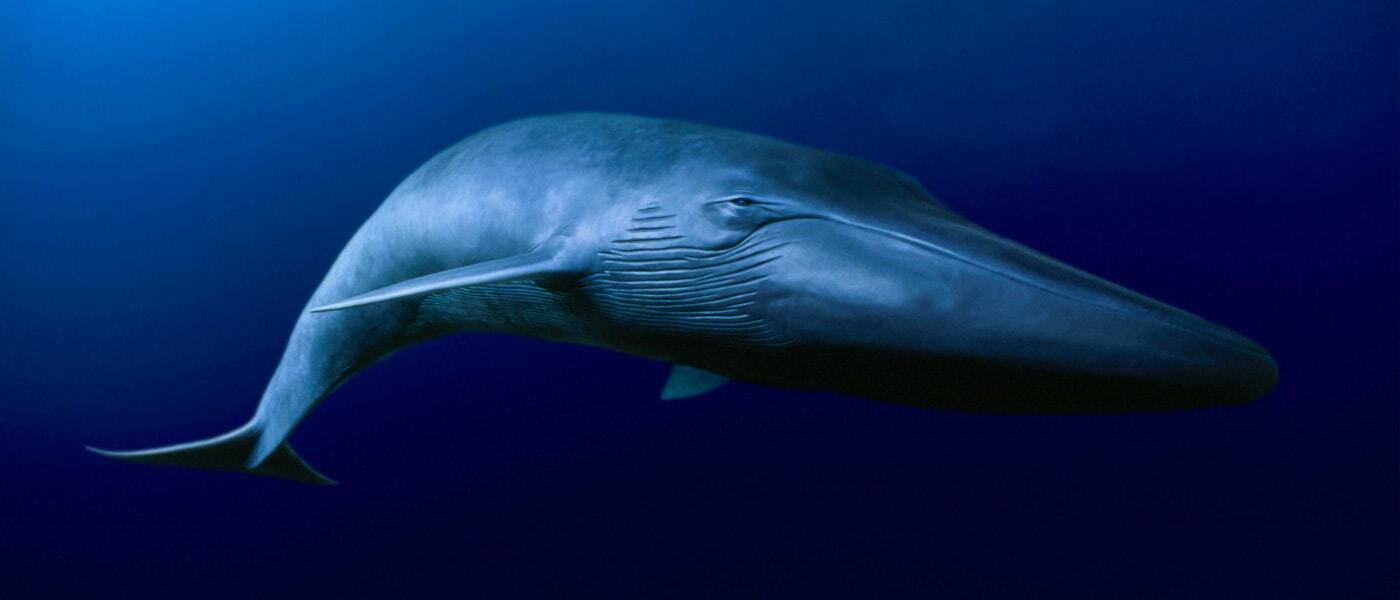
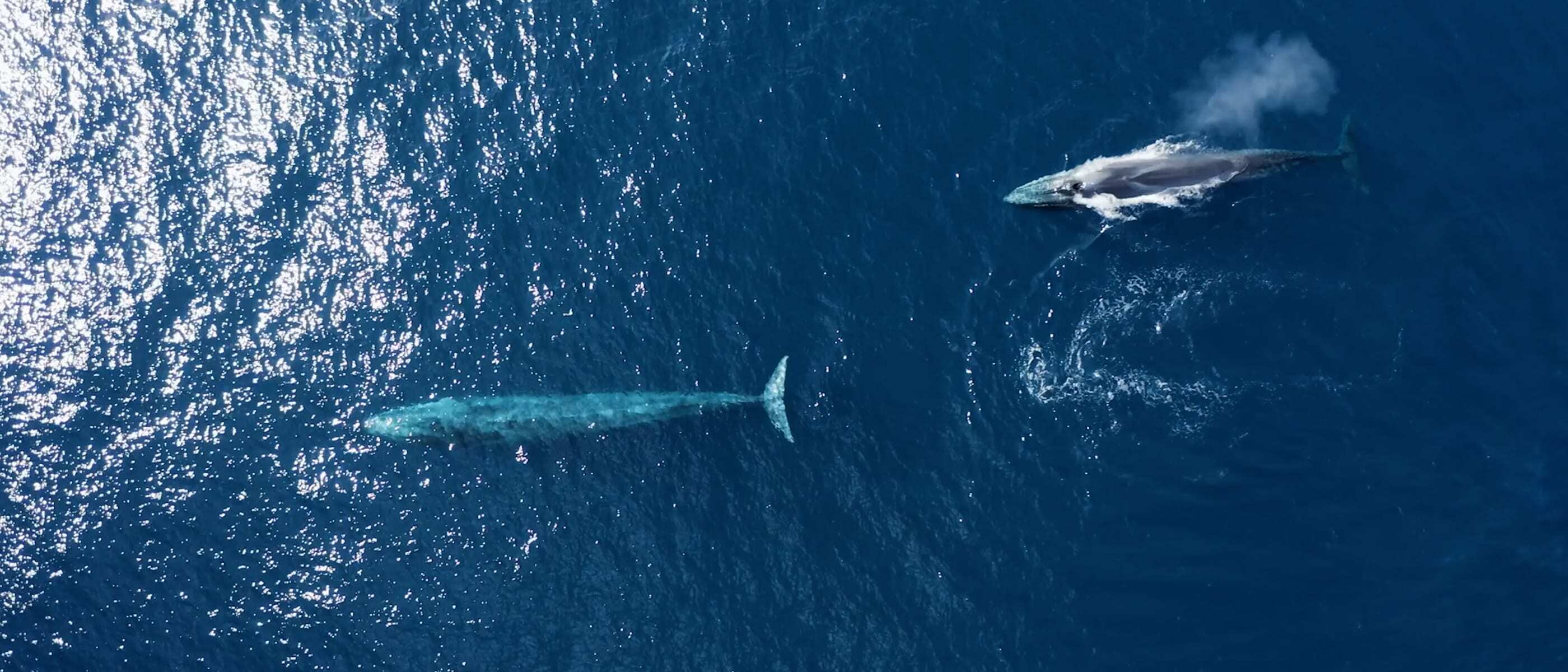
Whales are the largest living creatures on the planet. In fact, the blue whale is known as the largest animal to have ever existed – reaching up to 30m in length and weighing up to 180,000kg.

They roam throughout all of the world’s oceans, and at least 30 species of whales are found in Australia’s waters.

Whales are warm-blooded mammals that give birth to a live oxygen-breathing baby whale that they then nurse for up to two years, depending on the species of whale. They have a thick insulating layer of flat known as blubber that allows them to keep warm in cold waters.

Whales may eat and sleep underwater but they don’t have gills and can’t extract oxygen from the water - needing to breathe in air just like humans.

Want to know how whales sleep and what they like to eat?
Read more whale facts here

Meet some of the whale family

Australia's extensive coastline provides a wide range of aquatic habitats. Consequently, at least 45 species of whale, dolphin and porpoise are found in Australian waters, including 10 large whales, 20 smaller whales.

Two species of whales are listed as Endangered under the Environment Protection and Biodiversity Conservation (EPBC) Act - the blue whale and the southern right whale. 

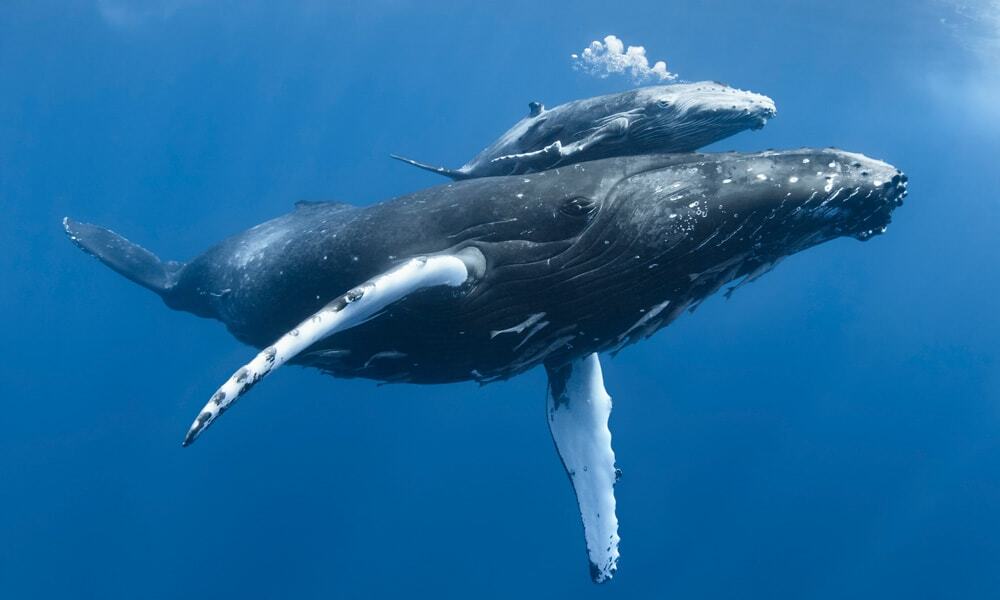
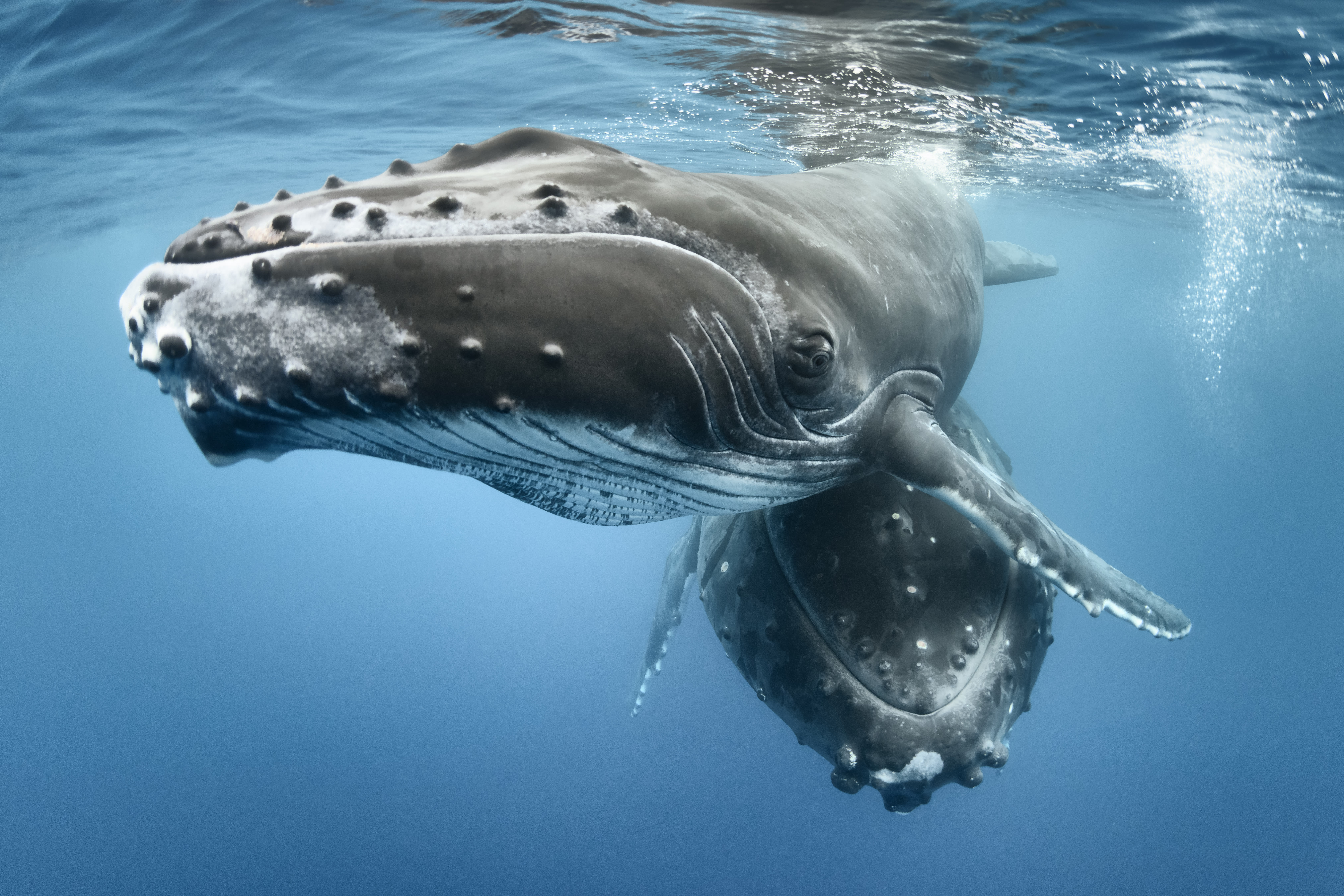
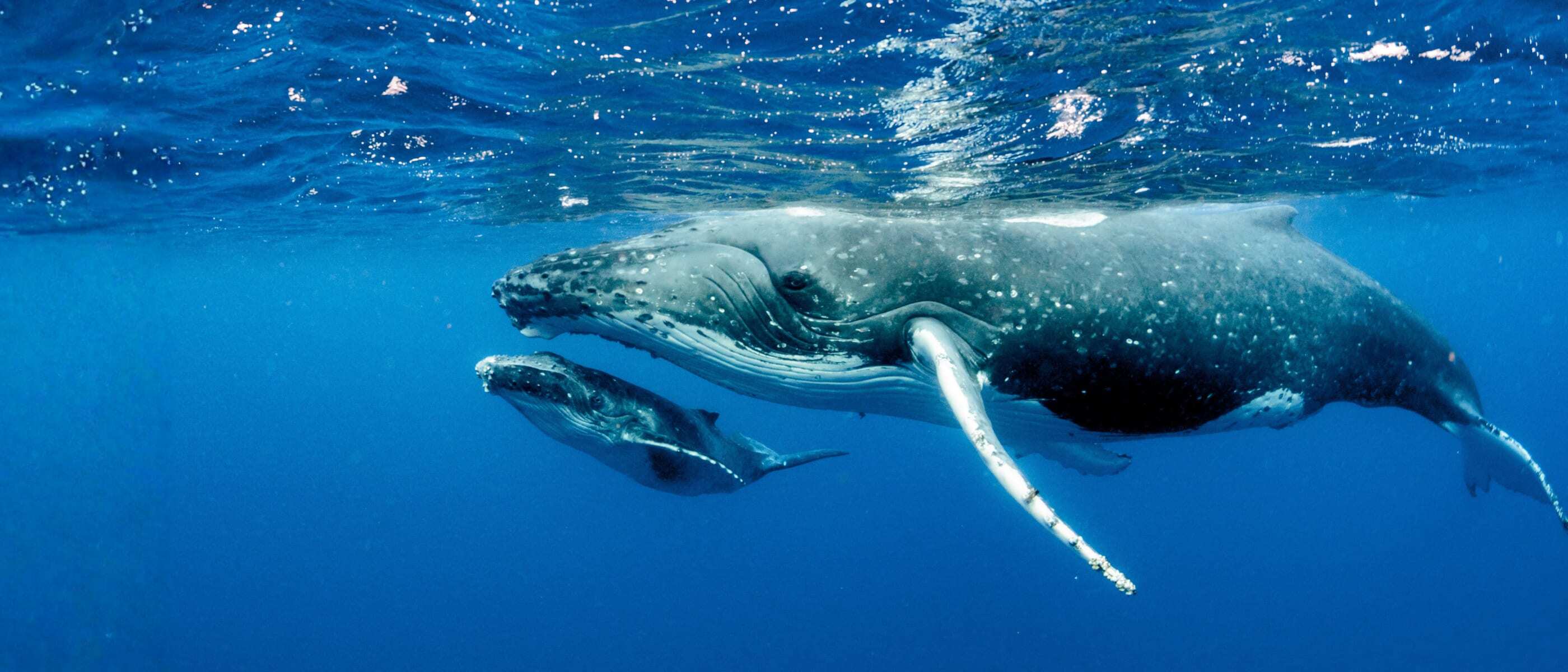
Humpback whale (Megaptera novaeangliae) calf male with injured pectoral fin and scarred body= with mother in the Pacific Ocean
© naturepl.com / Tony Wu / WWF

Why whales matter

We love to watch these majestic mammals as they migrate through our waters every year.

Growing evidence shows thriving populations of whales are also essential to a healthy ocean and planet. The benefits they provide – from capturing carbon to enhancing marine productivity – only strengthen the case for protecting them.

Whales fertilise the marine ecosystems they move through and support the marine life inhabiting them. By feeding at depth and defecating at surface, whales boost phytoplankton production, which captures about 40% of all carbon dioxide produced and generates over half of the atmosphere’s oxygen.

When they die, whales sink to the seabed, taking the huge amounts of carbon they’ve accumulated in their bodies out of the atmosphere for centuries. Altogether, over its lifetime, one whale captures the same amount of carbon as thousands of trees.

This contribution to ocean productivity benefits nature, people and their livelihoods, and major global industries.

By restoring whale populations, we can help restore ocean ecosystems and mitigate and build resilience to climate change - helping nature help itself and all of us who depend on it.

One powerful way to help is by adopting a whale, which supports WWF‑Australia’s work to protect whales and the ocean ecosystems they depend on.

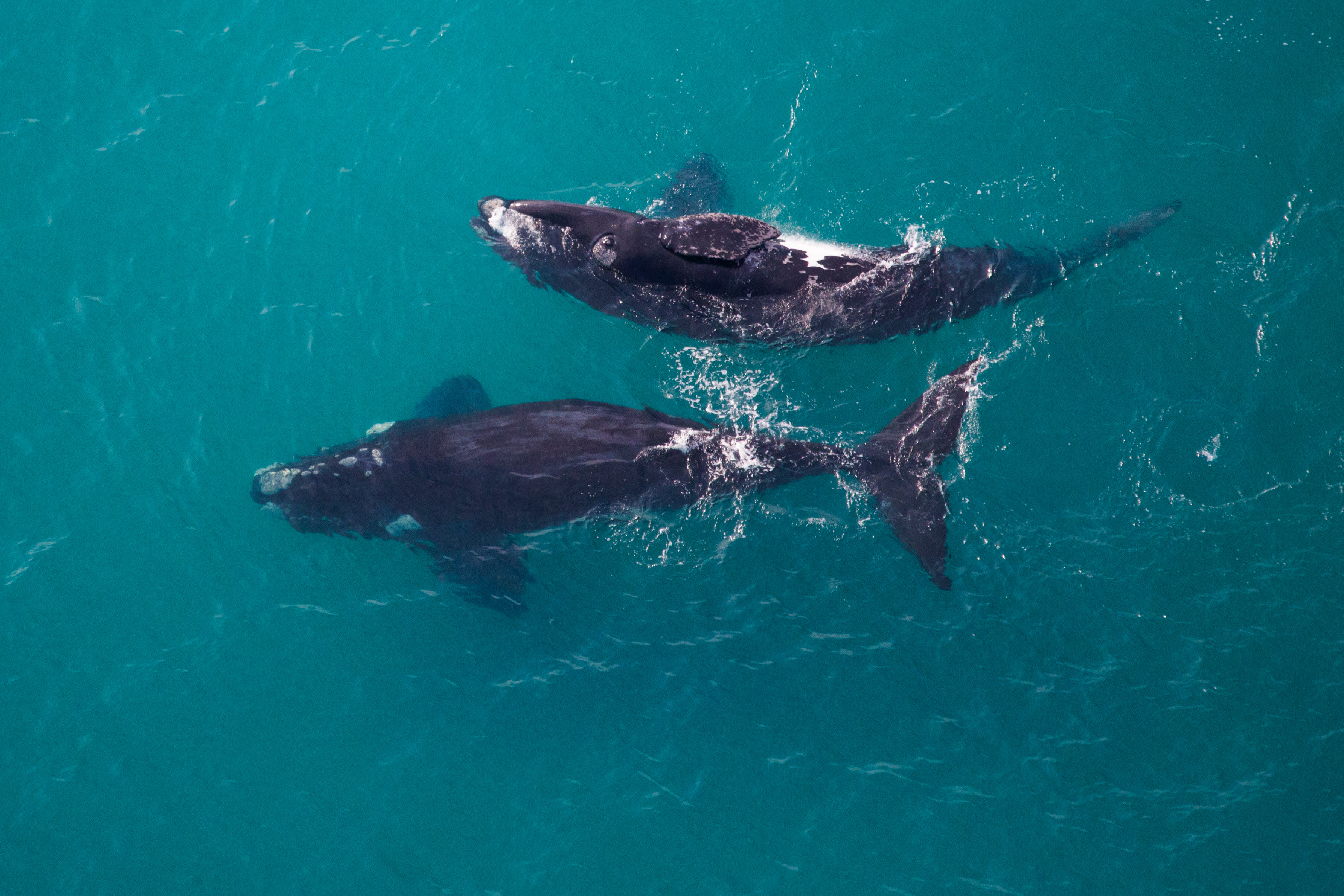
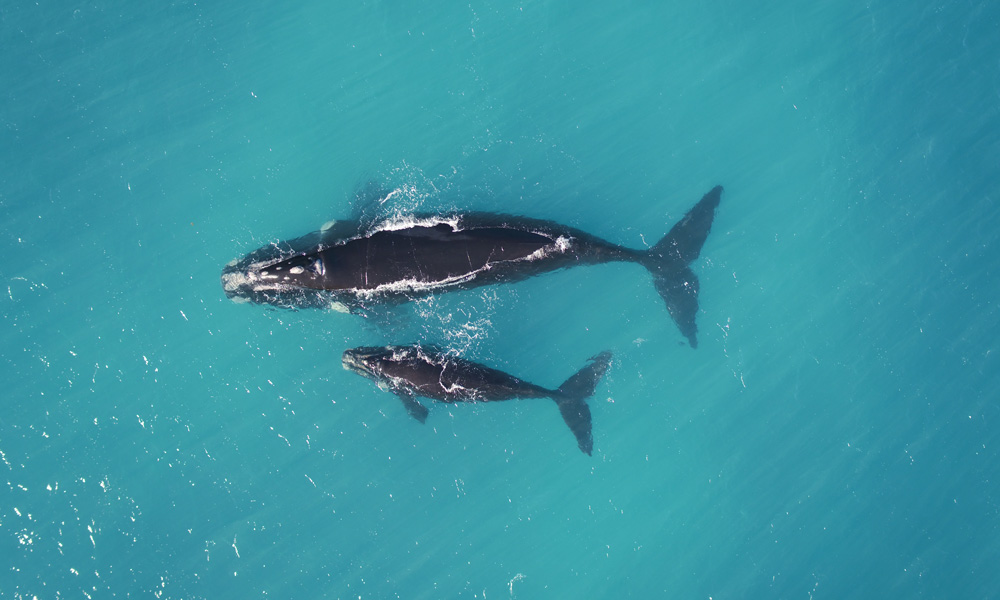
Two southern right whales (Eubalaena australis), one looking up at photographer. Ninety Mile Beach near Lakes Entrance, Victoria.
Two southern right whales (Eubalaena australis), one looking up at photographer. Ninety Mile Beach near Lakes Entrance, Victoria. © Chris Farrell Nature Photography / WWF-Aus

The biggest threats to Australia’s whales

These threats often occur in concert and overlap with critical whale habitats and migration routes, working to create a hazardous and, at times, fatal obstacle course for whales travelling between breeding and foraging areas.
Climate change

While healthy and plentiful whale populations are critical for a healthy ocean, they are victims of the climate crisis. Climate change is shifting their prey populations, making it harder and harder for whales to find food – particularly in the polar regions, which are the most rapidly warming regions on the planet.

The climate crisis is causing sea-ice levels to fluctuate across Antarctica, directly impacting the number of krill available. WWF-sponsored research shows that low krill years, due to lack of sea-ice and increased krill fishing, impact humpback whale pregnancy rates.

Ocean warming also changes the timing of important life events for whales, including migration. Melting sea-ice causes the decline of critical habitat and provides less protection from predators.

Fisheries bycatch

As many as 300,000 whales, dolphins, and porpoises are killed globally every year from entanglement in fishing gear. Research has highlighted entanglement hot spots along the east and west coast of Australia, regions where high human population density, high fishing effort and high density of migrating humpback whales all occur. For humpbacks, fishing nets and shark nets pose the greatest risk.

Growing ship traffic

An ever-expanding fleet of ship traffic (linked to increasing exports of natural resources) in seasonal humpback breeding grounds and along migration routes is increasing ship strikes and underwater noise pollution for Australia’s whales.

Pollution

Plastics, chemicals (including pesticides, heavy metals, pharmaceuticals and personal-care products), underwater noise and leaks and spills from oil and gas exploration are impacting whales, their prey and their habitats. 

Offshore oil and gas drilling

Oil and gas exploration and extraction disturb whales and their prey through underwater noise pollution, construction of supporting infrastructure, oil leaks, associated shipping and the potential for large, catastrophic oil spills. The seismic noise used for offshore oil and gas is much louder and more intense than acoustic mapping for offshore wind. 

What WWF is doing to help whales

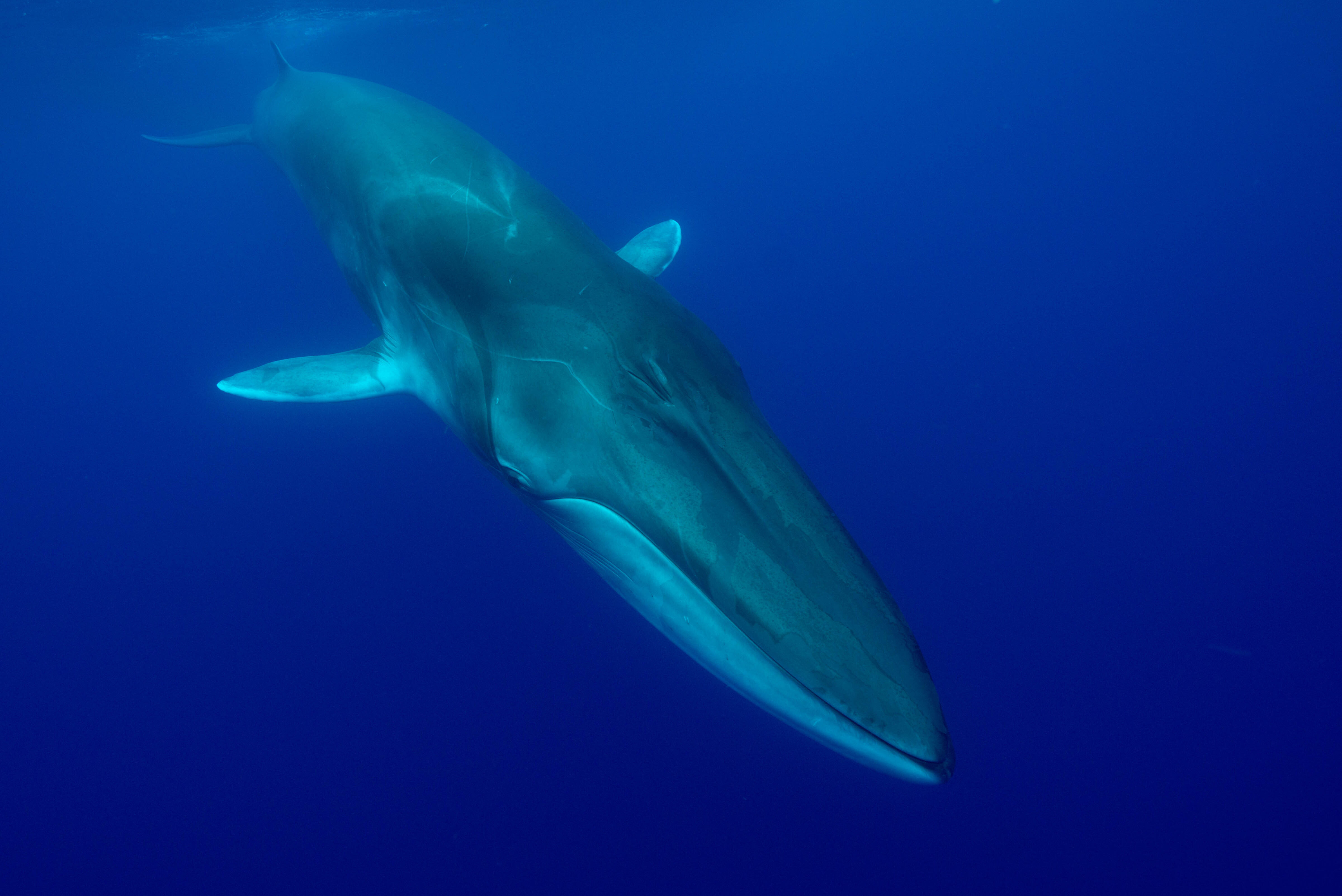
Fin whale (Balaenoptera physalus) near surface. Pico Island, Azores, Portugal
Fin whale (Balaenoptera physalus) near surface. Pico Island, Azores, Portugal © naturepl.com / Luis Quinta / WWF

Securing critical ocean habitats for whales by uniting key southern hemisphere countries to protect 100 million hectares of ocean.

By working with our neighbours in the Asia-Pacific region to support global goals of protecting 30% of our oceans by 2030. We are also partnering with First Peoples, governments, industry and coastal communities to achieve impact at scale to protect seascapes and Saltwater Country. 
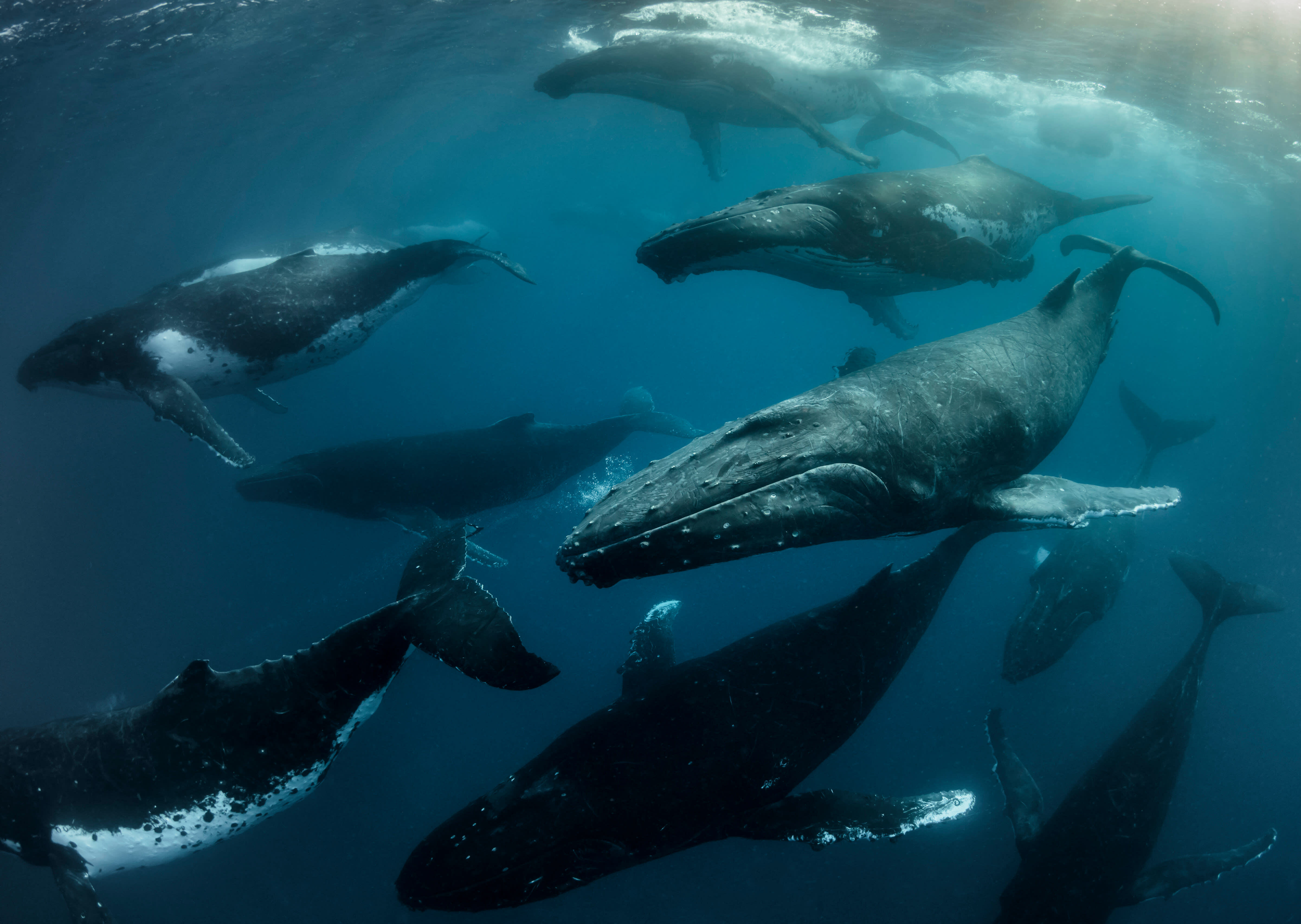
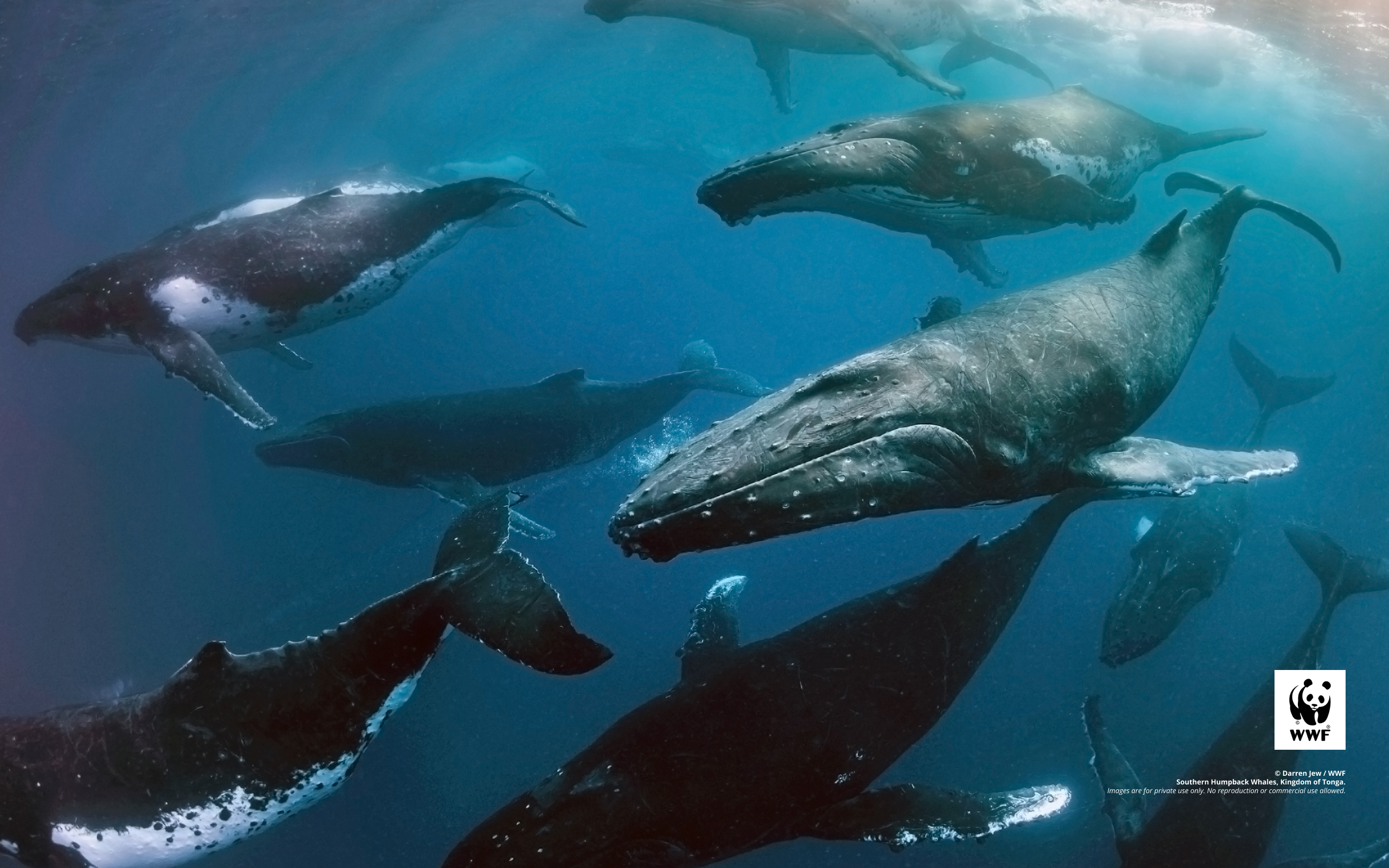
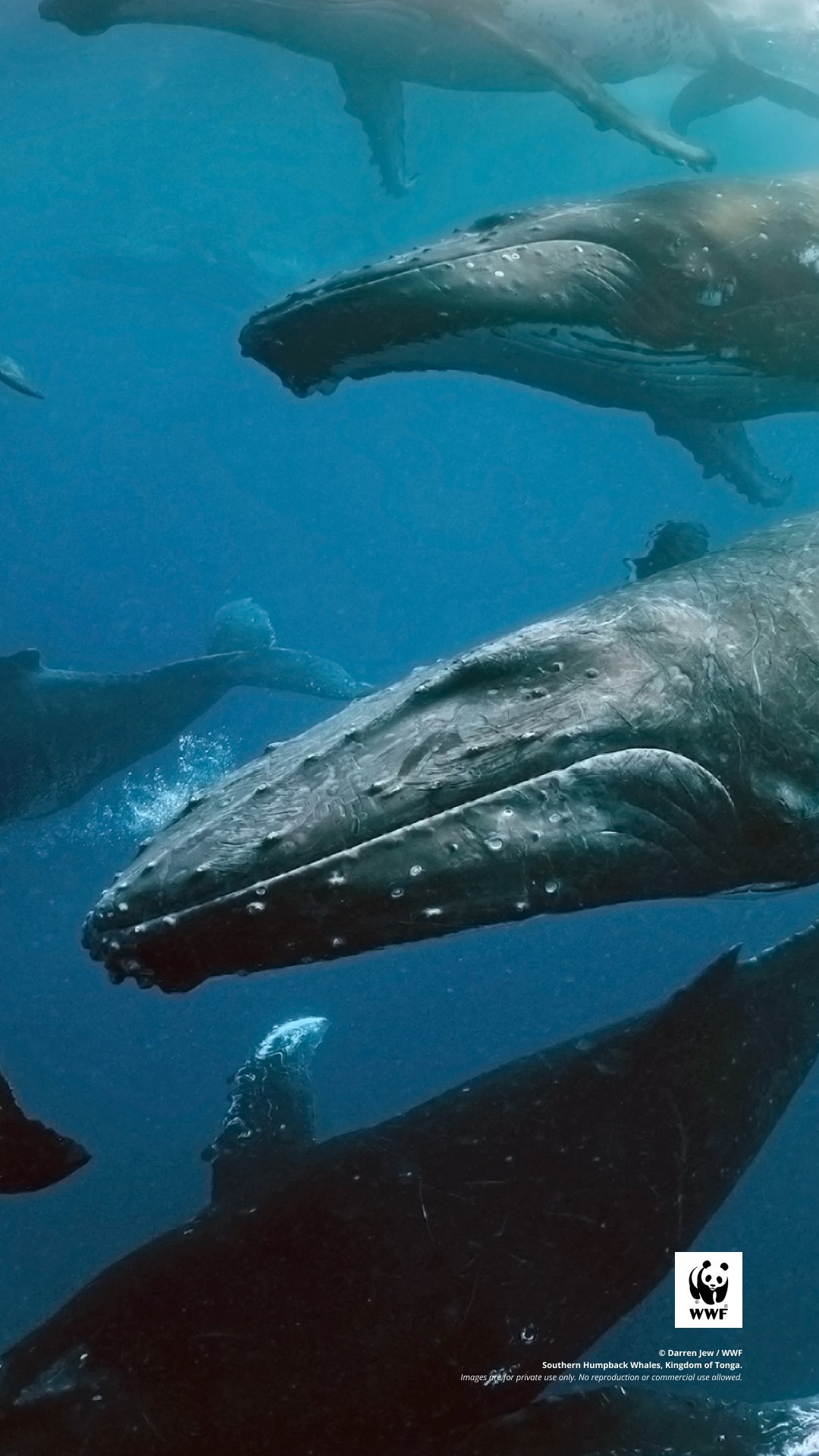
Southern Humpback Whale heat run, Kingdom of Tonga.
Southern Humpback Whale heat run, Kingdom of Tonga. © Darren Jew / WWF

Safeguarding blue corridors to protect existing whale populations and connect their critical habitats and migration routes.

By calling on the Australian Government at all levels to play its part and build on its track record of protecting whales as well as recognising the critical role Traditional Owners and local communities play in protecting and managing the marine environment and supporting their aspirations to do so. 
Read more
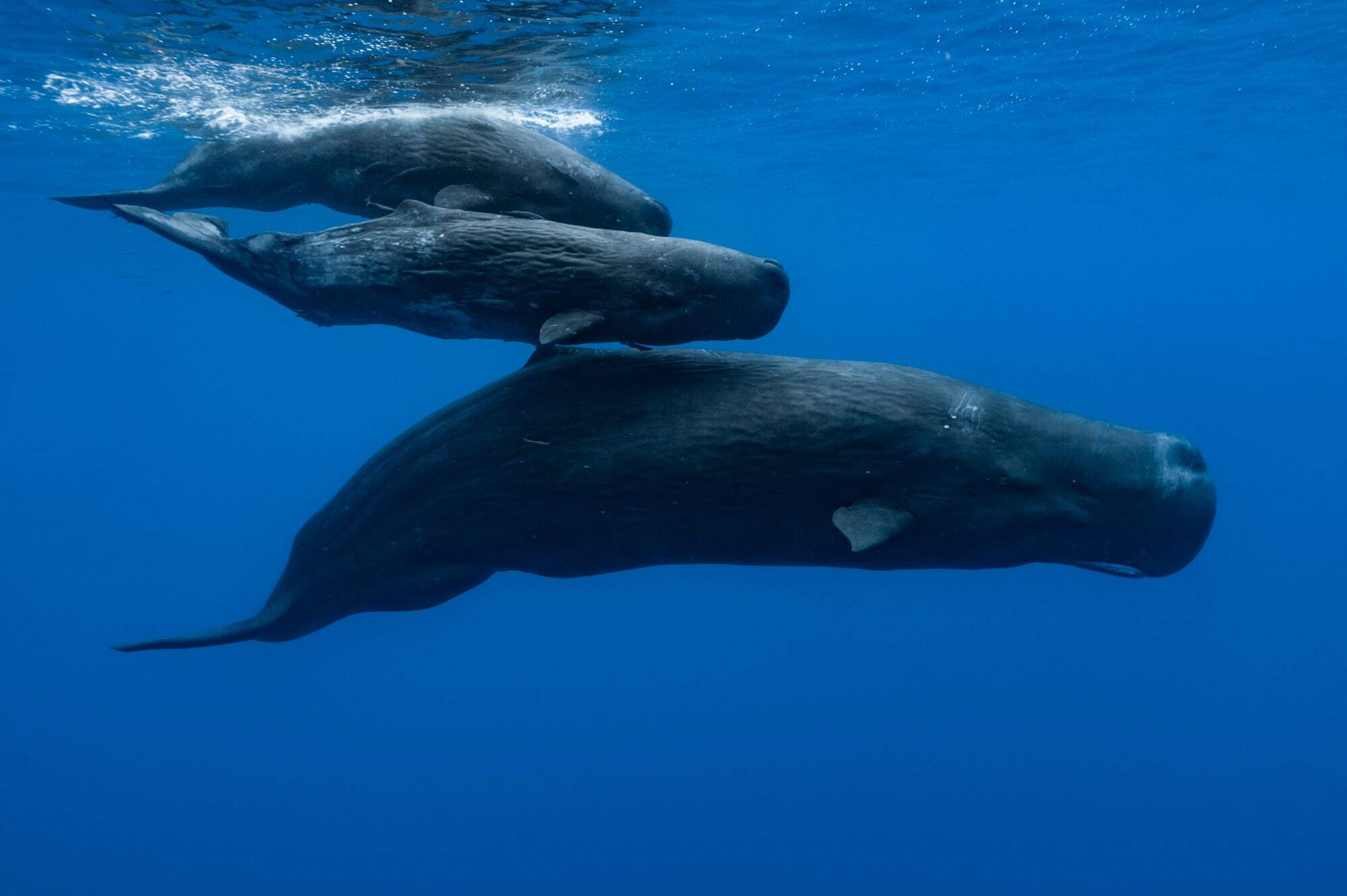
A sperm whale and two young ones swimming under the surface, on November 10, 2011 in Mauritius Island, Indian Ocean
A sperm whale and two young ones swimming under the surface, on November 10, 2011 in Mauritius Island, Indian Ocean © Alexis Rosenfeld / Getty Images

Securing a healthy climate for – and with – whales.

By supporting Australia to become a global leader in securing a healthy and resilient net-zero world. This will help mitigate the impacts of climate change on people, the planet, and the wildlife and natural places we work to protect - including whales and oceans.

As growing evidence shows, whales play a vital ecological role for our oceans and climate, and we need to integrate their protection and recovery into international and national climate and biodiversity policies.
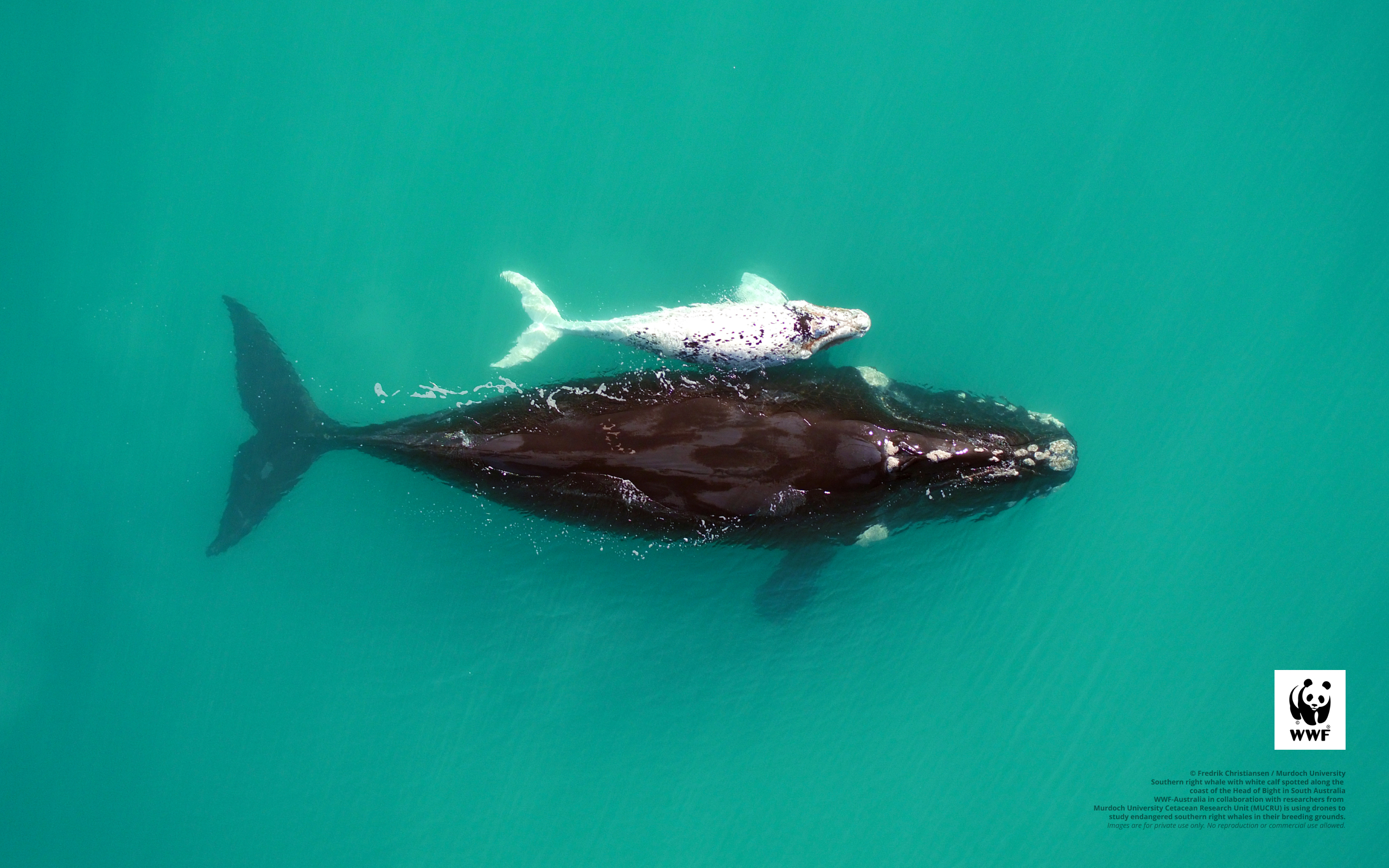
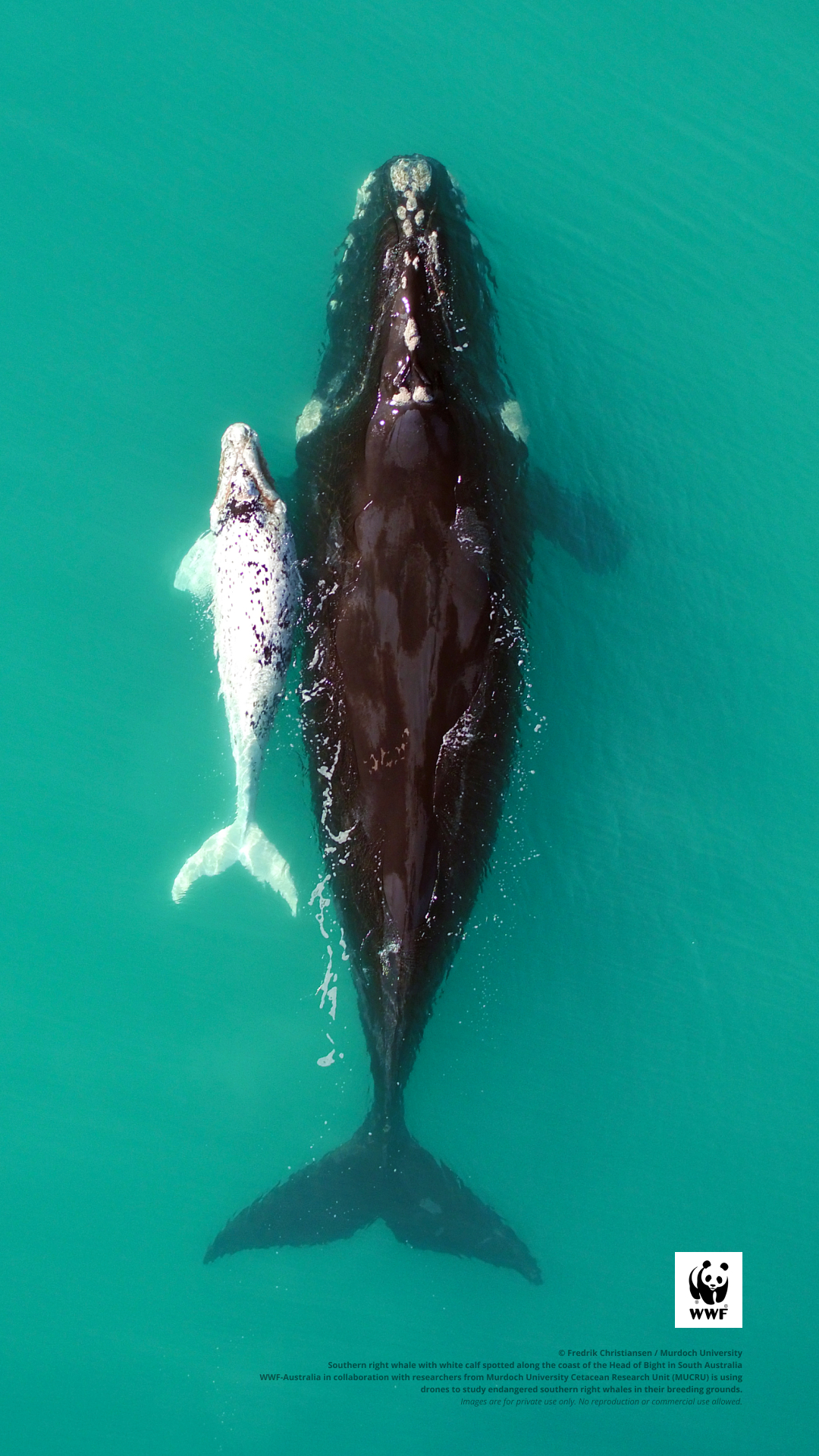
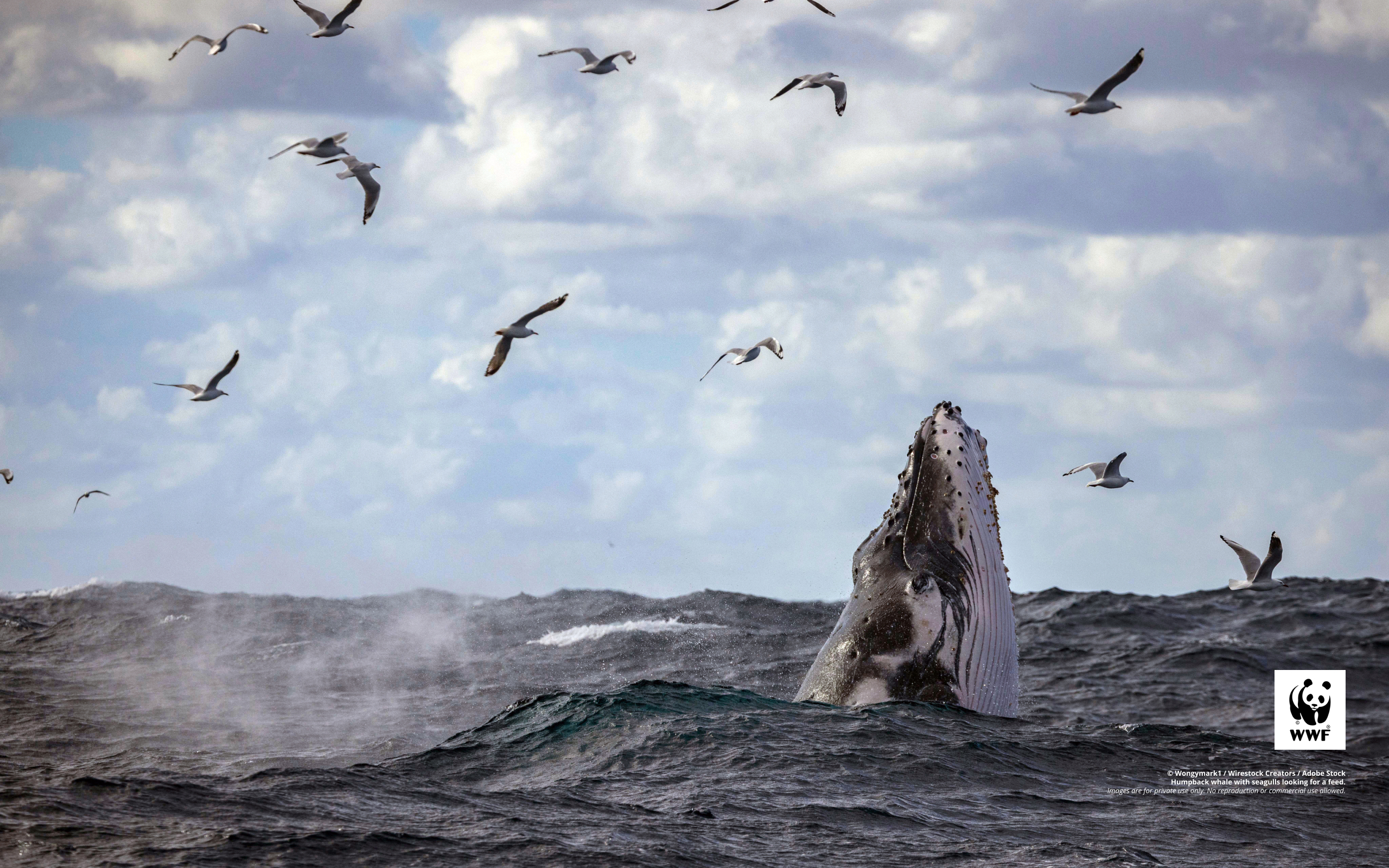
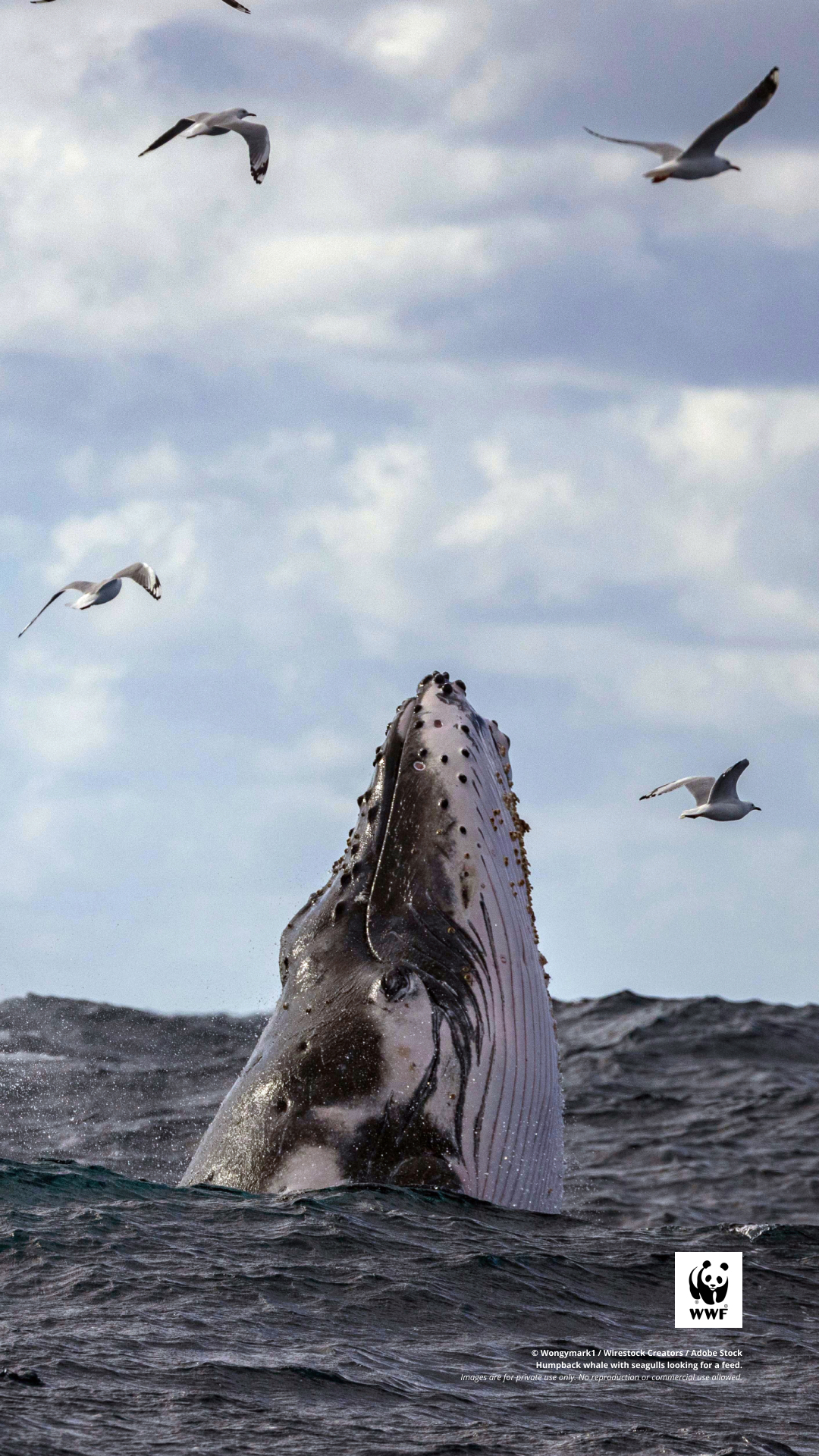
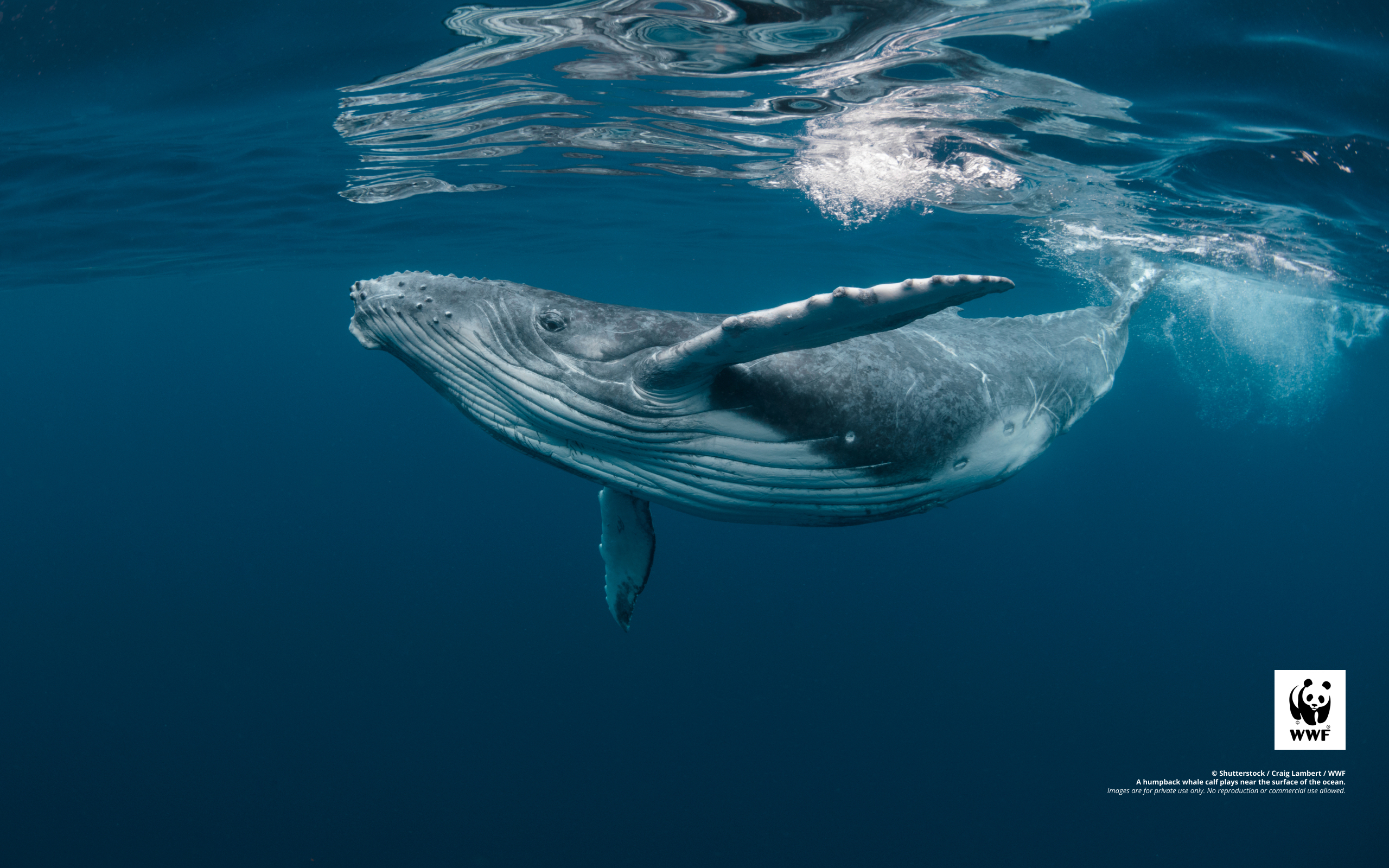
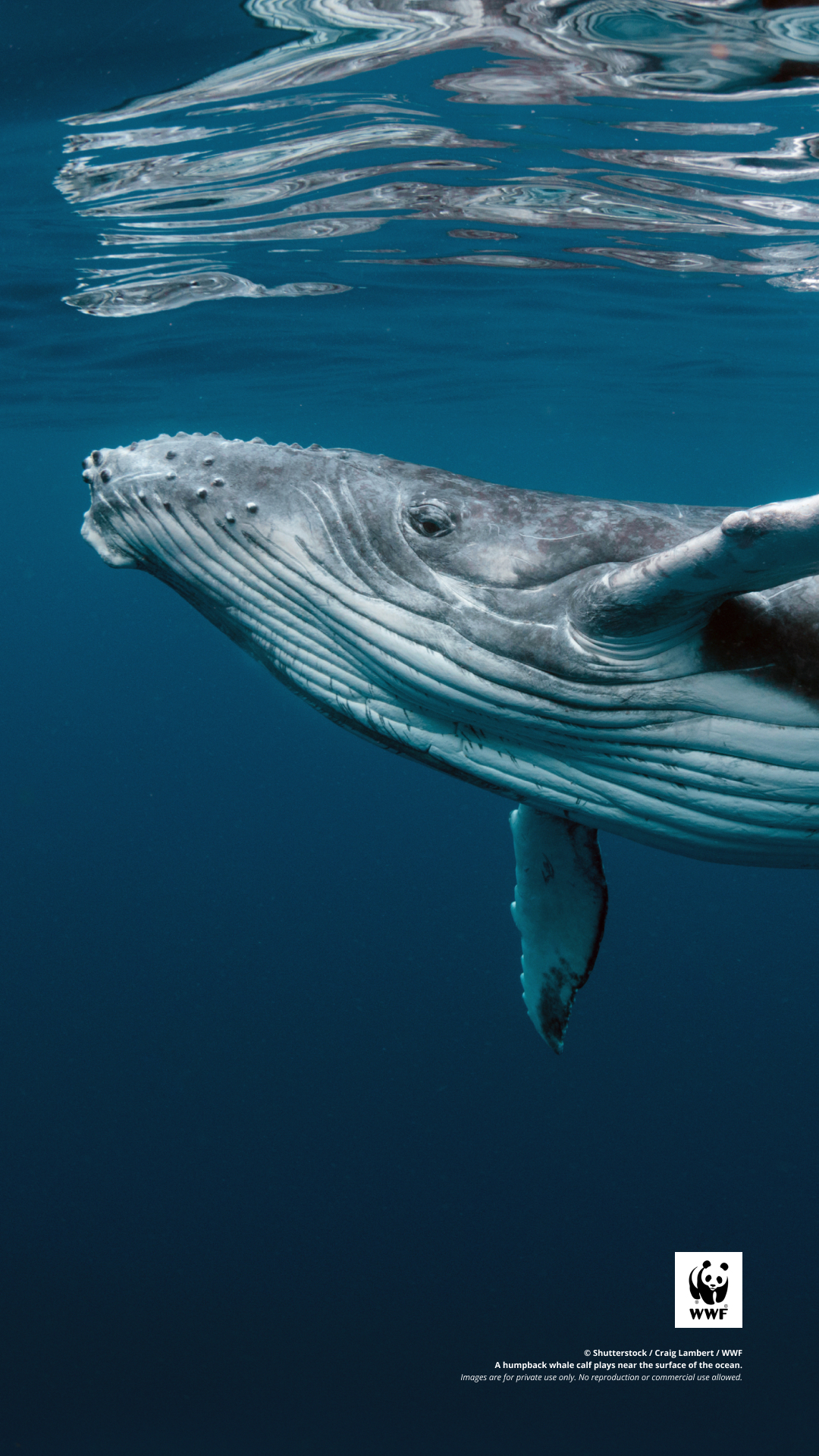
Wallpapers

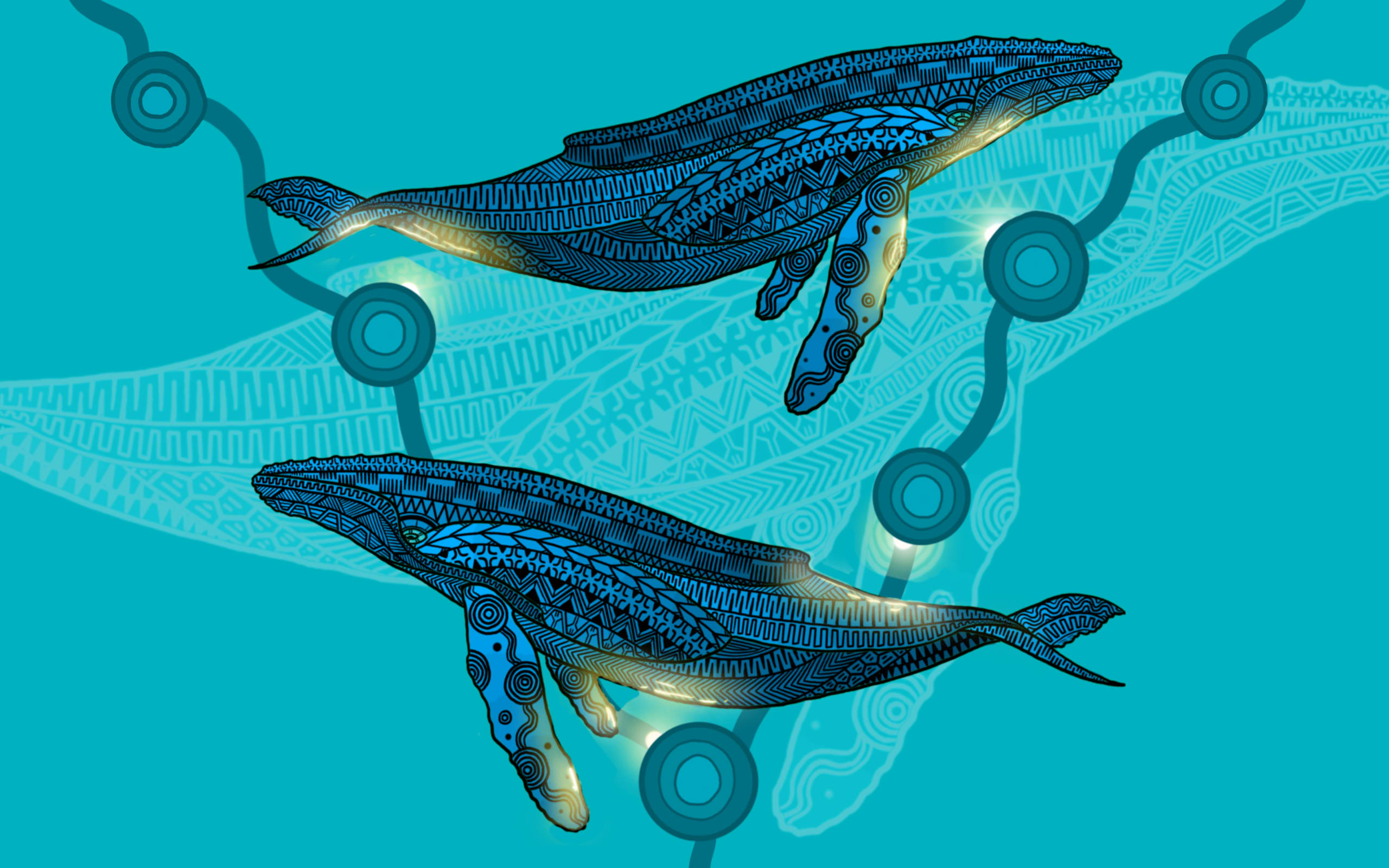
Indigenous humpback whale art from Jirrbal, Wagedoegam, Ngapuhi & Scottish artist Beau Pennefather-Motlop.
Indigenous humpback whale art from Jirrbal, Wagedoegam, Ngapuhi & Scottish artist Beau Pennefather-Motlop. © WWF-Australia / Beau Pennefather-Motlop (IG: @beau_motlop_art)

INDIGENOUS WHALE ART WALLPAPERS

Jirrbal, Wagedoegam, Ngapuhi & Scottish artist Beau Pennefather-Motlop worked together with WWF-Australia to create some very special Indigenous whale art wallpapers as well. Click below to see the artworks!
Download the wallpapers here
Loading form…