WARNING: The following online story contains the name, image, likeness, recording or other information of Aboriginal and Torres Strait Islander people that are now deceased.
The passage of landmark nature law reforms is a victory for both biodiversity and cultural heritage. For First Nations communities, sacred sites across NSW—once threatened by logging loopholes—now stand to benefit from stronger protections and recognition under the new laws.
How the Reforms Better Protect Sacred Sites
Previously, RFAs allowed logging to proceed without federal biodiversity approvals, putting places like Micalong Swamp, Biamanga Mountain, Gulaga Mountain, Newry State Forest, and Tallaganda State Forest at risk. With the new reforms:
RFA Exemption Removed: Logging in forests covered by RFAs will now require assessment under national environmental standards, including unacceptable impacts and critical habitat definitions. [New Nature Laws Fact Sheet - 28/11/25]
EPA Oversight: The new EPA will enforce compliance, ensuring that cultural and ecological values are respected.
First Nations Engagement: The reforms prioritise the development of a First Nations Engagement standard, ensuring Indigenous voices are central to decision-making.
Australia’s forests are living cultural archives. For First Nations communities, Country is ceremony, law and kin—not an amenity. Up until recently in New South Wales, “nature law” loopholes such as Regional Forest Agreements (RFAs) have allowed native forest logging to proceed without the usual federal biodiversity approvals under the EPBC Act. That exemption has enabled serious harm to wildlife and cultural heritage—and communities are still fighting to protect places that sustain living cultures.
Here are five culturally significant areas that will now be better protected than ever thanks to the newly passed nature law reforms.
1. Micalong Swamp – Ngarigo Country
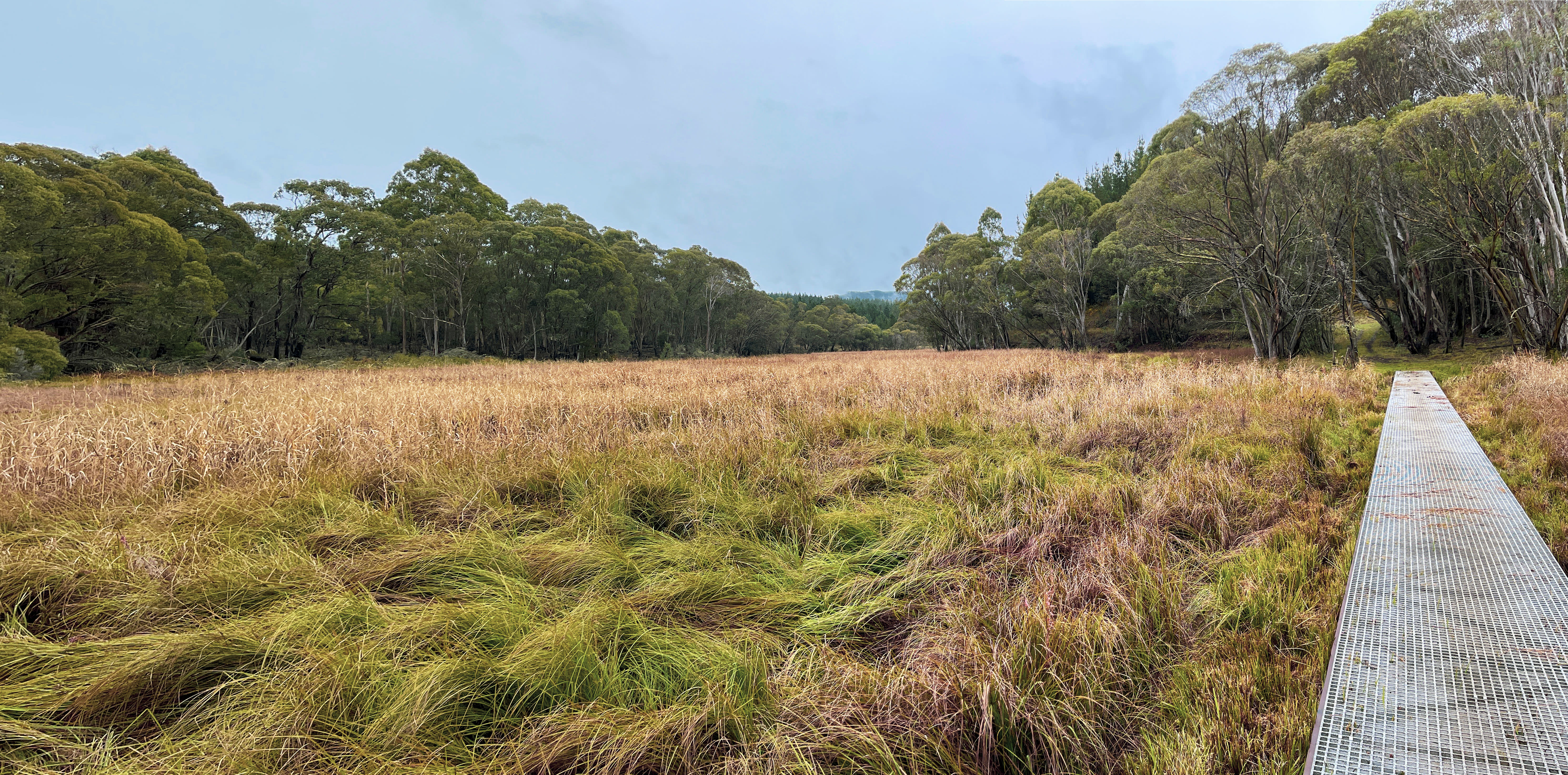
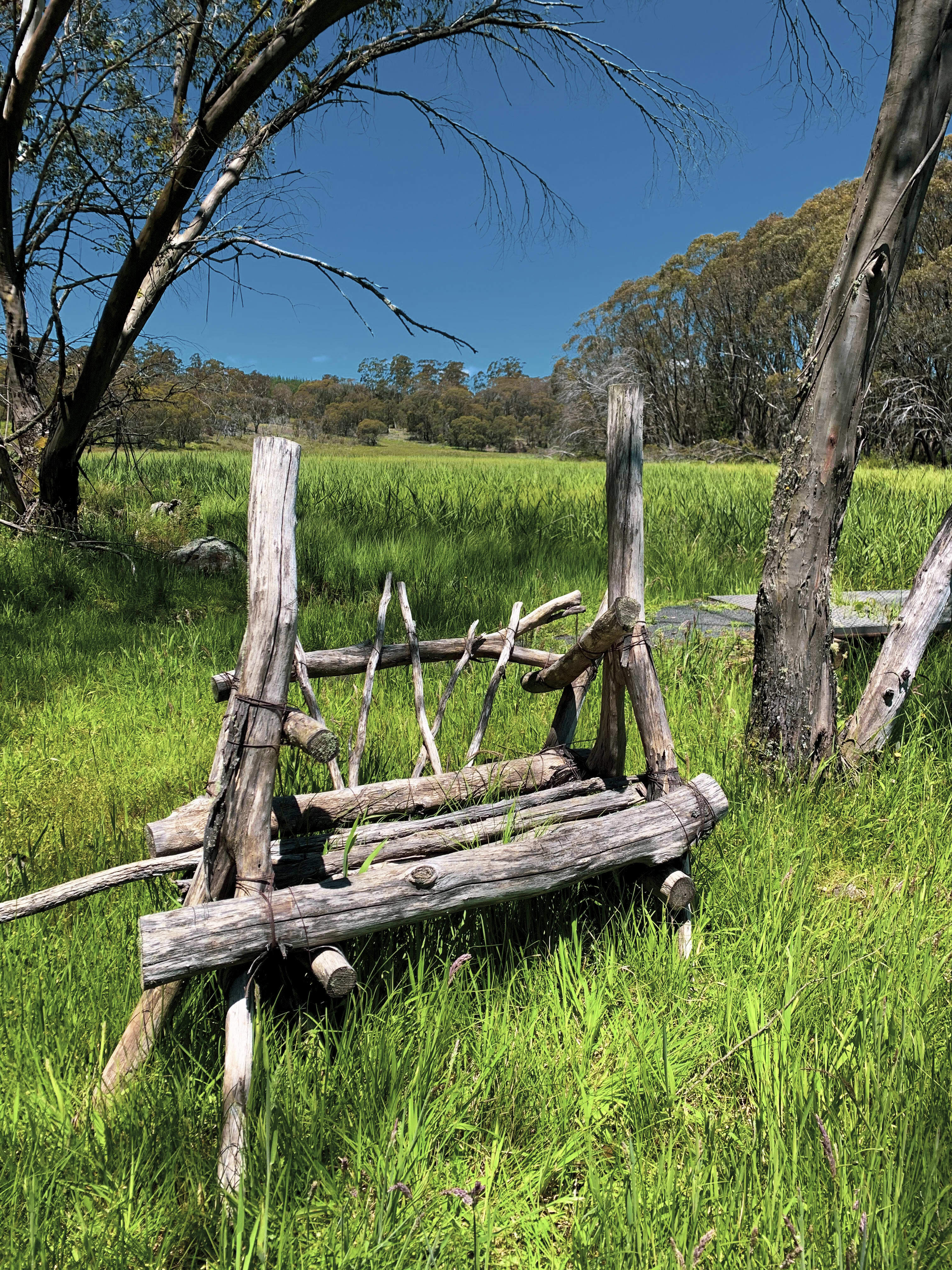
Located in the Snowy Mountains, Micalong Swamp is a rare montane peatland and one of the largest remaining swamps on the south-western slopes of NSW. It holds deep cultural and ecological significance for the Ngarigo people, serving as a ceremonial site and seasonal gathering place.
Impact of Logging: Logging in surrounding forests has disrupted water flows and increased sedimentation, threatening the swamp’s ecological balance and cultural integrity.
Logging in these forests was part of broader forest management practices in NSW, particularly during the 20th century. These included timber harvesting, fire management, and road construction for access.
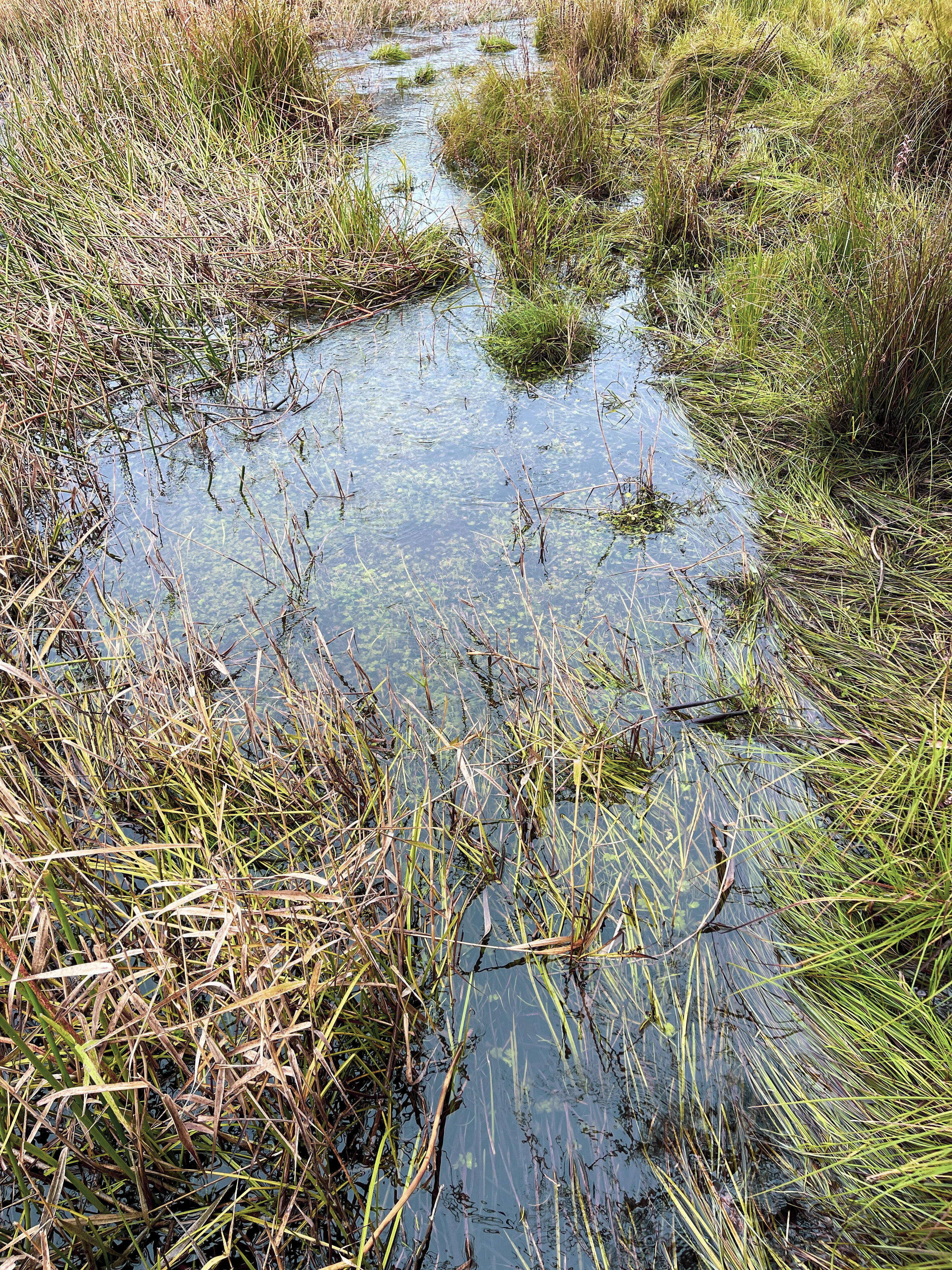
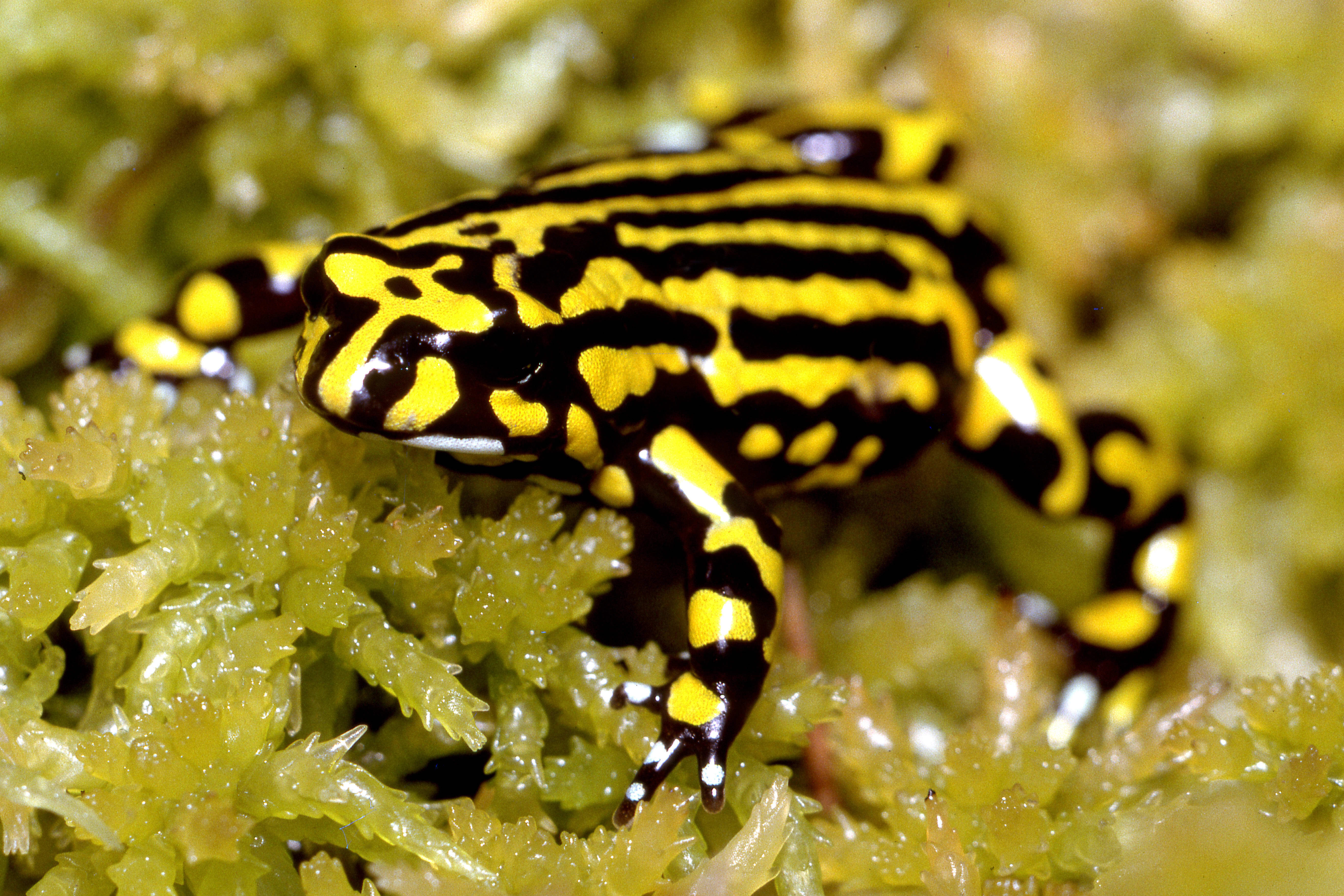
The removal of hollow-bearing trees has impacted species like the yellow-bellied glider and the critically endangered Northern Corroboree Frog.
Protection Efforts: Micalong Swamp is part of the Southern Region Forest Agreement area. The swamp is situated within the Micalong Swamp Flora Reserve, which includes parts of Bondo State Forest and Micalong State Forest. The agreement has been extended until 26 August 2039. Nearby areas remain vulnerable. The Hume and Hovell Track works with First Nations groups along the track area including Tumut-Brungle Local Aboriginal Land Council, particularly in relation to Micalong Swamp. Community-led advocacy has helped raise awareness of its cultural and ecological importance.
What was Needed: There were significant loopholes and legal gaps in the Southern NSW Regional Forest Agreement (RFA) that affect areas near Micalong Swamp, particularly in adjacent forests like Bondo State Forest.
Under the prior RFA framework, logging operations were exempt from assessment under the federal Environment Protection and Biodiversity Conservation Act 1999 (EPBC Act). This means:
Logging could occur without federal scrutiny, even in areas with threatened species or critical habitats.
The exemption applied regardless of the ecological significance of the forest or the presence of endangered species like the greater glider or Northern Corroboree Frog.
Closing these loopholes in Australia’s national nature laws was a critical part of ensuring the ongoing, meaningful protection of sacred sites like Micalong Swamp and surrounding areas.
How the New Nature Laws Better Protect this Culturally Significant Site:
Logging in surrounding forests will now be subject to federal scrutiny, protecting both ecological balance and cultural integrity for the Ngarigo people.
2. Biamanga Mountain (Mumbulla) – Yuin Country

Biamanga Mountain, also known as Mumbulla Mountain, is a sacred site for the Yuin Nation, central to men’s initiation ceremonies and spiritual law. The mountain and its surrounding forests are part of a broader cultural landscape that includes river gorges and natural springs.
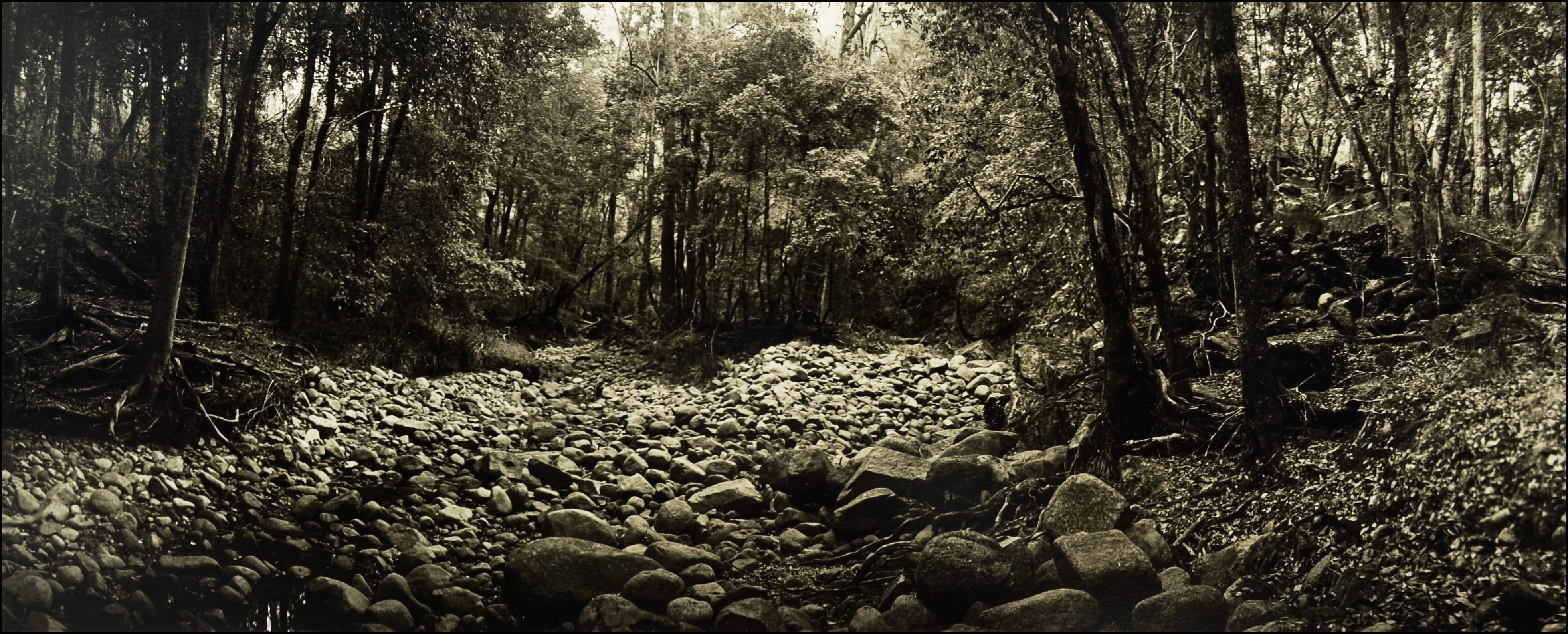
Lynne Thomas, a Yuin-Biripi Cultural Knowledge Holder, is the daughter of Yuin tribal elder and tireless advocate for Country Ted Thomas, and was known as Guboo or ‘good friend'. Guboo was an activist at the forefront of the Aboriginal land rights movement in NSW. She shares her father’s passionate call that Biamanga remains respected as a sacred site no longer subject to further disturbance from impacts like logging. “The trees and the rocks belong together. They can never be separated”.
Impact of Logging: Historically, Biamanga Mountain (Djiringanj/Yuin) was logged in the 1970s, threatening sacred initiation sites and desecrating Country.
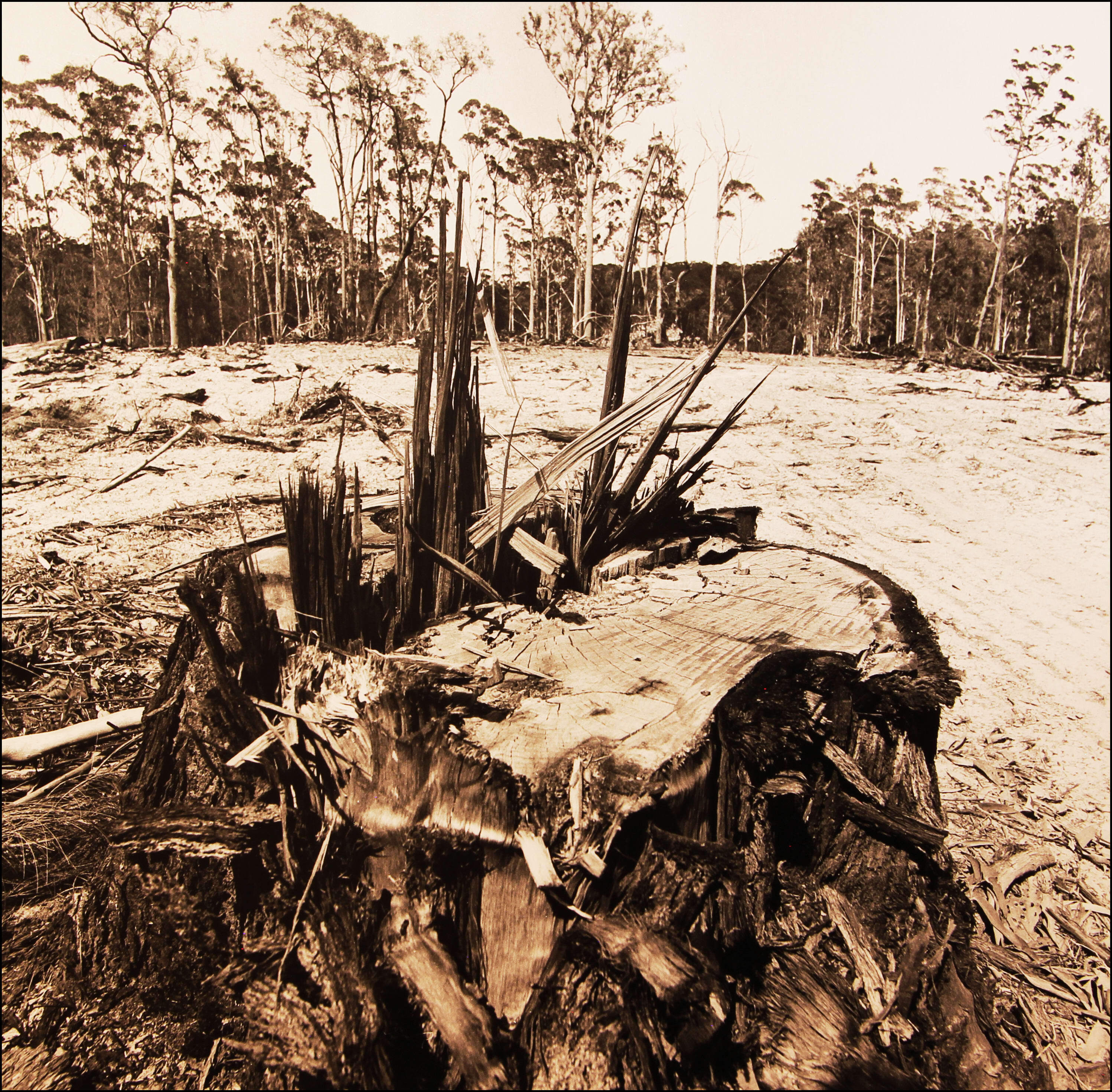
The community’s defence—documented in the rare book Mumbulla Spiritual Contact—helped pave the way for early land rights victories and eventual protection alongside Gulaga (Mother Mountain).
Stacey and Eleanor Williams joined forces with late photographer Wes Thomas to document cultural sites on Biamanga in a series of images that aim to illustrate the site's spiritual power and its scars from logging. His son Blake is proud to share these powerful images and is moved by the impact they had on his father and the local community.
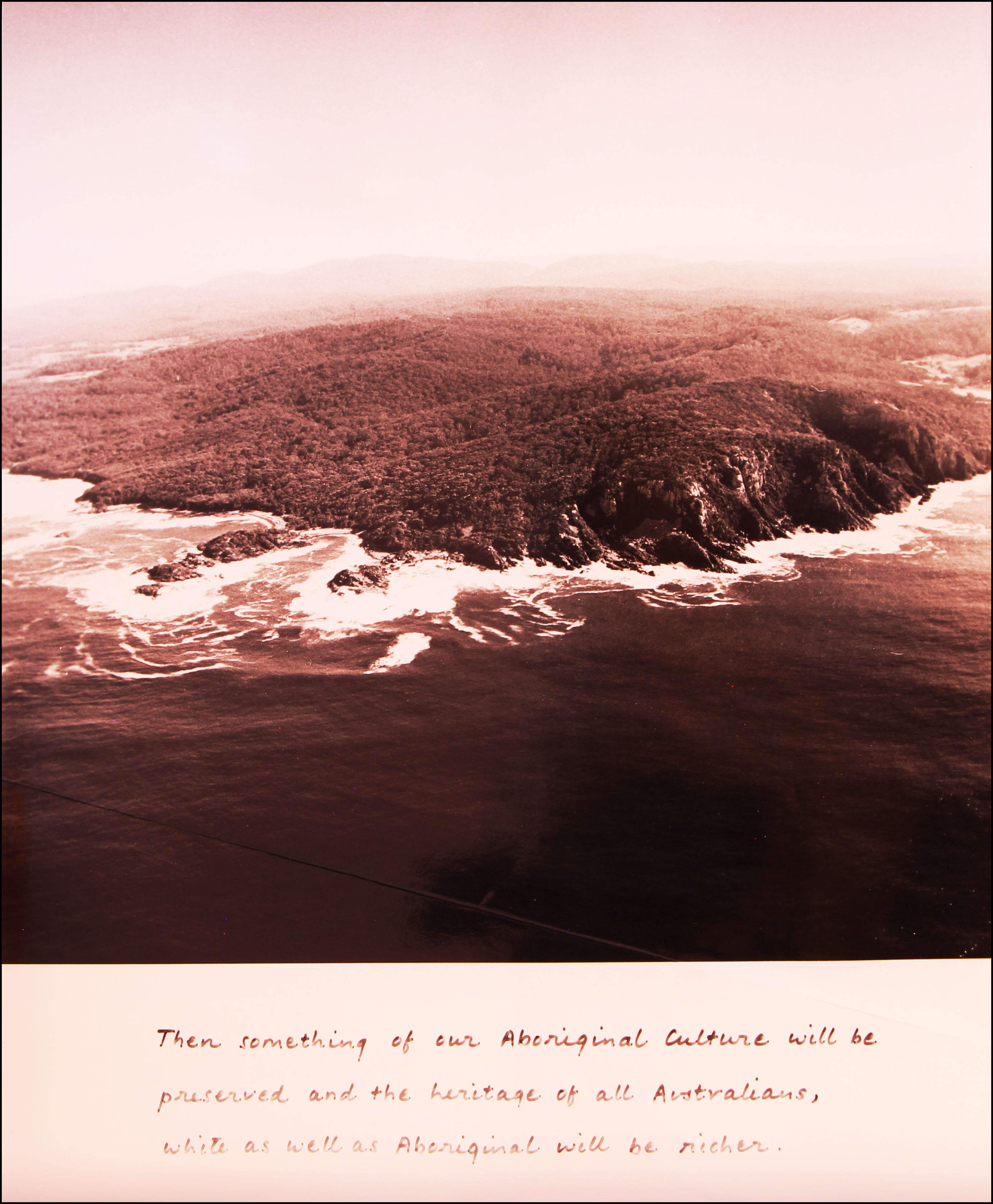
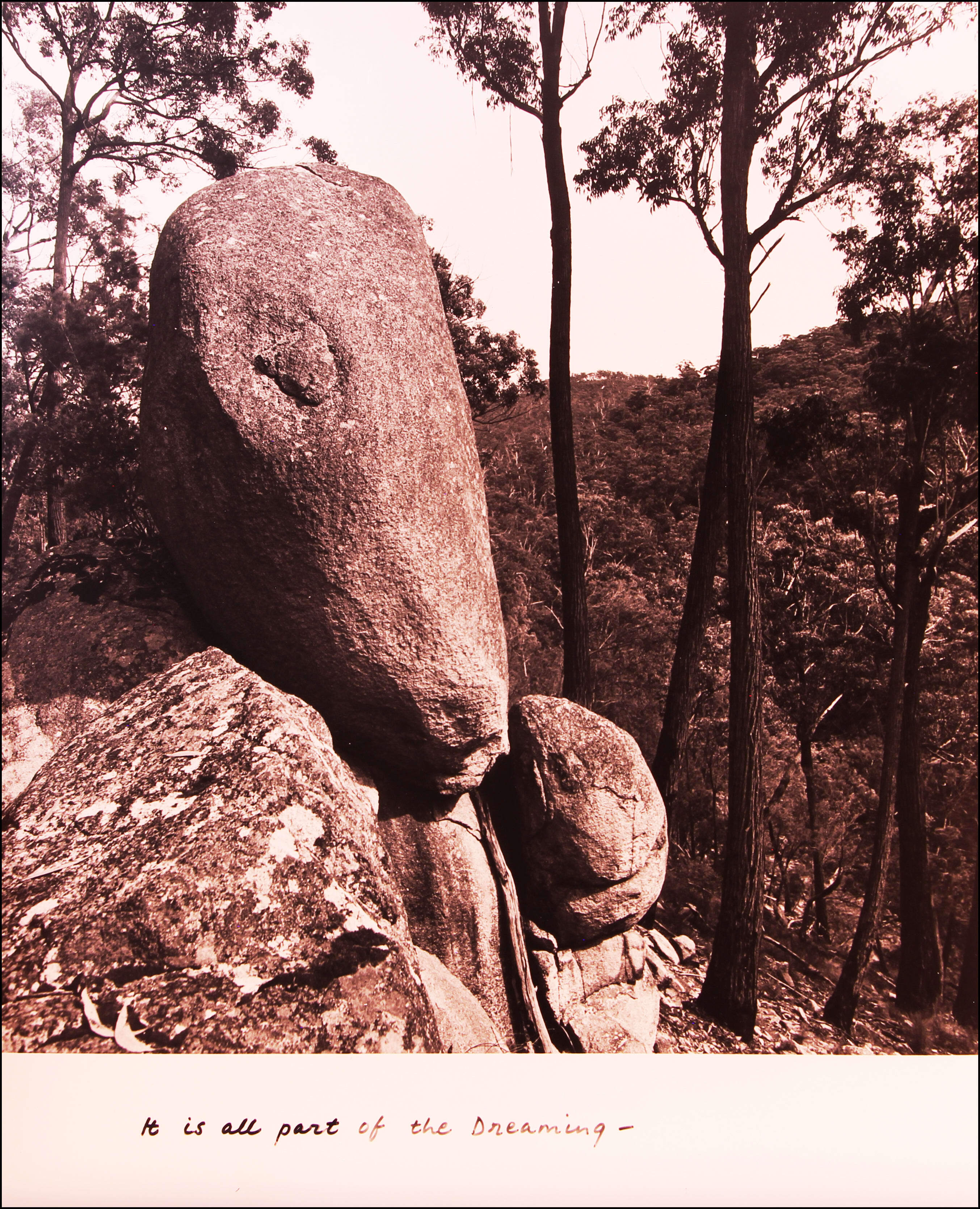
Lynne Thomas recalls the very special relationship her father had with Wes. She fondly recalls that Wes said her father Ted “showed him how to see spirit”.
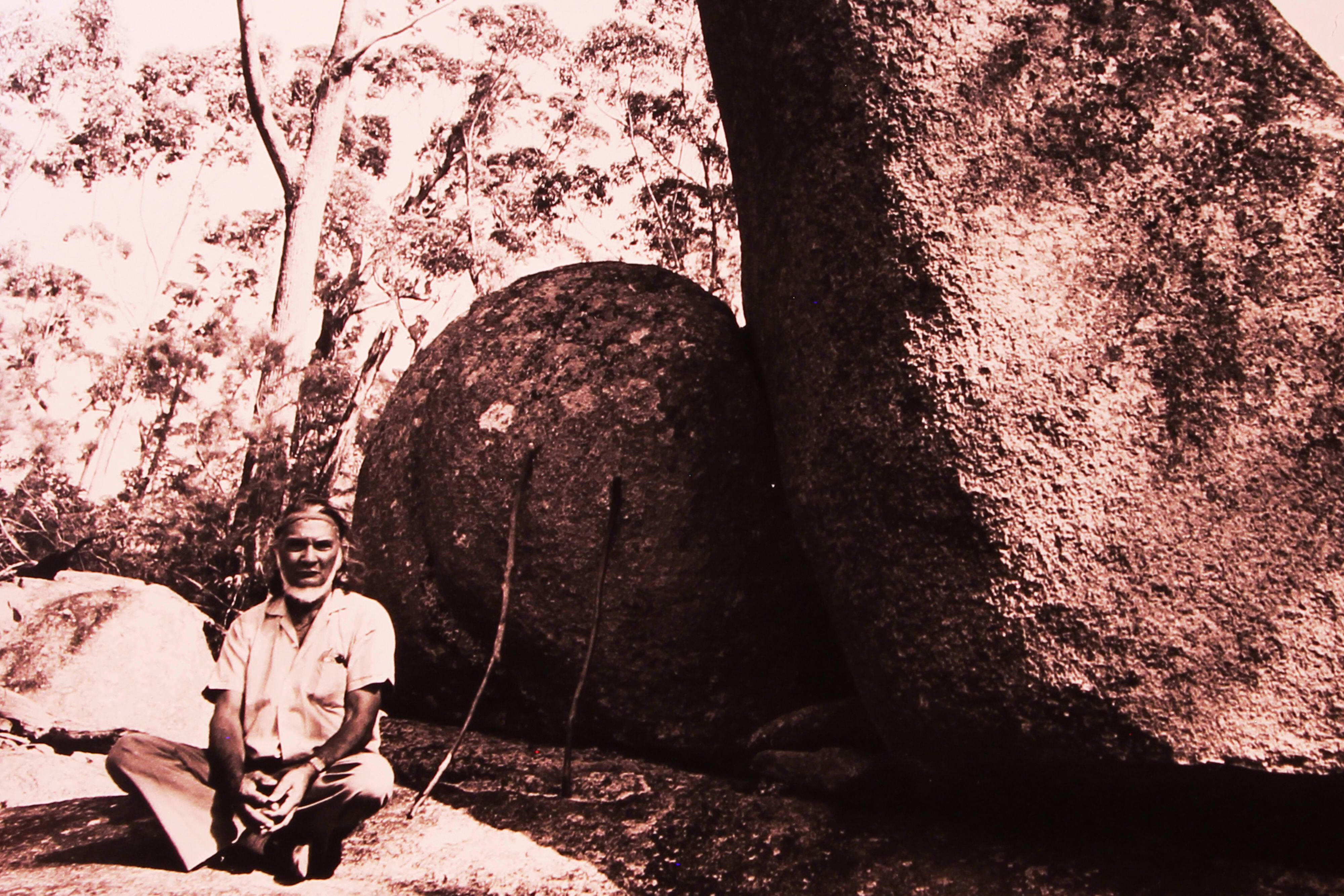
Although Biamanga National Park now offers some protection, adjacent forests remain under threat.
Protection Efforts: The park is co-managed by the NSW Government and Yuin Traditional Owners. Cultural mapping and storytelling have helped document the significance of these sites.
In 1978, the Aboriginal community at Wallaga Lake took a powerful step toward reclaiming their land, formally applying for the title deeds to the Wallaga Lake Aboriginal reserve.
Just a year later, the campaign intensified. Logging operations on nearby Biamanga Mountain began to threaten sacred sites, prompting urgent action to protect Country and cultural heritage.
In 1980, parts of Biamanga Mountain were formally recognised as an Aboriginal Place and Protected Archaeological Area—a vital step in honouring its cultural and spiritual importance.
But the fight to safeguard the coastal forests between Biamanga and Gulaga continued for decades.
In 1994 and 2001, Biamanga and Gulaga were declared National Parks, marking a major milestone in the protection of Country.
Lynne’s father Ted Thomas passed away in 2002. Four years later, in a powerful and emotional ceremony, Biamanga and Gulaga National Parks were returned to Traditional Owners—a moment of healing, recognition, and deep respect.
Then in 2016, five surrounding state forests were reclassified as flora reserves—a decision driven by the presence of a resident koala population, seen by Traditional Custodians as a protector of the Gulaga-Biamanga cultural landscape.
What was Needed: The journey to preserve Biamanga should be looked at as inspiration for equally sacred sites facing the threat of logging impacts and vulnerability to the nature law loopholes the recently addressed by these new reforms. Expansion of protected areas and stronger enforcement of cultural heritage protections will be welcome additional protection. Forestry Corporation NSW has continued to operate in state forests adjacent to Biamanga National Park, such as Mumbulla State Forest (though logging has been halted due to koala sightings since 2010). To date, a gross area of 3,203ha or 52% of the present Mumbulla State Forest has been subjected to integrated logging.
How the New Nature Laws Better Protect This Culturally Significant Site:
The removal of loopholes means adjacent forests and sacred sites are better protected, honouring the legacy of advocates like Guboo Ted Thomas and supporting co-management.
3. Gulaga Mountain (Mother Mountain) – Yuin Country
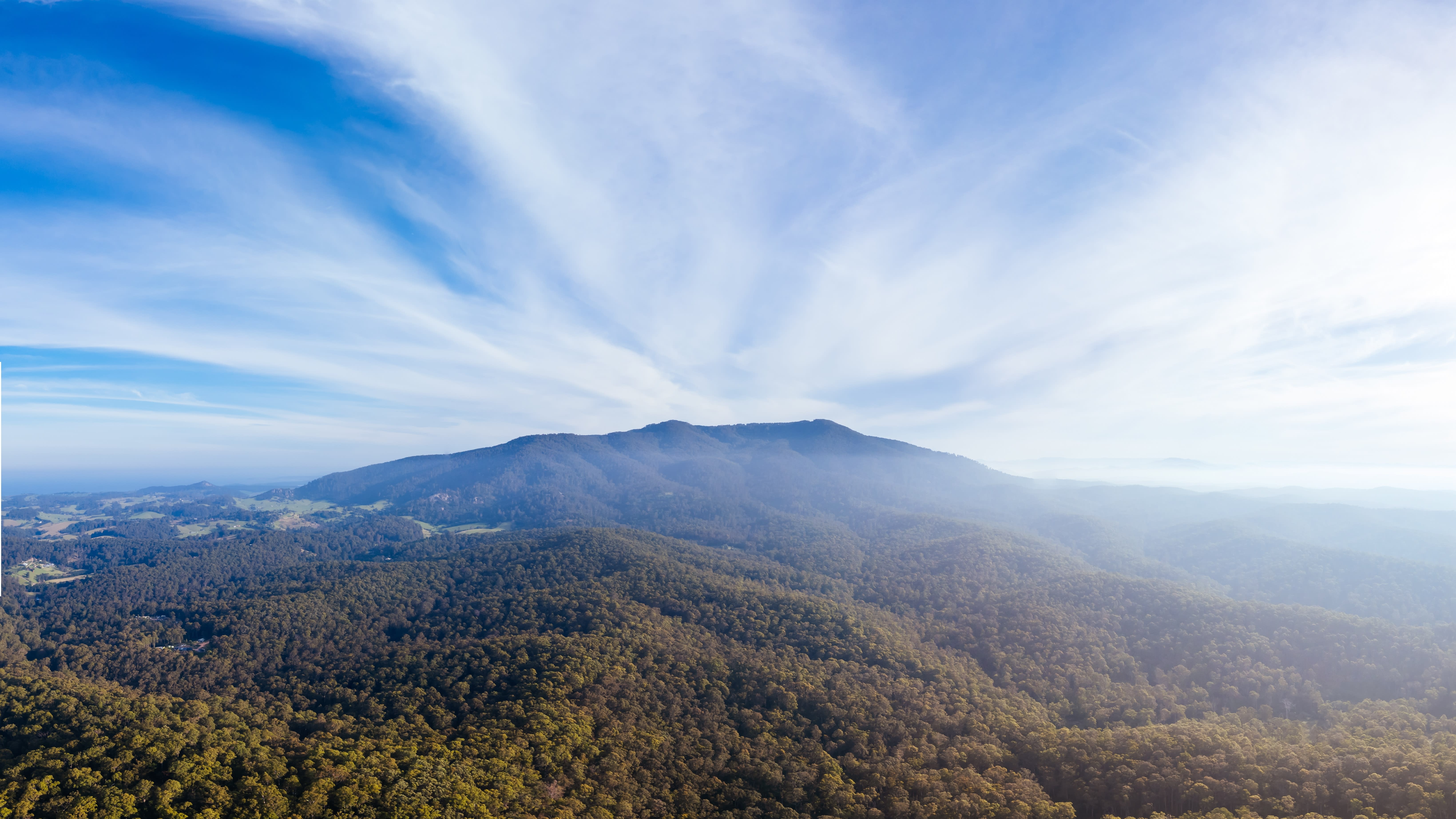
Gulaga (Mother Mountain) is a sacred site, she and Wallaga Lake are central to Yuin spiritual life.
“There are so many stories and sacred areas significant to Yuin people on Gulaga (Mother Mountain). There is a Koala Dreaming story, and it gets its name, Gulaga, or Mother Mountain from the Yuin Creation story. Gulaga is the mother who gave birth to all Yuin people.” - Uncle Warren Foster, Yuin Community Leader, Knowledge Keeper and Sharer.
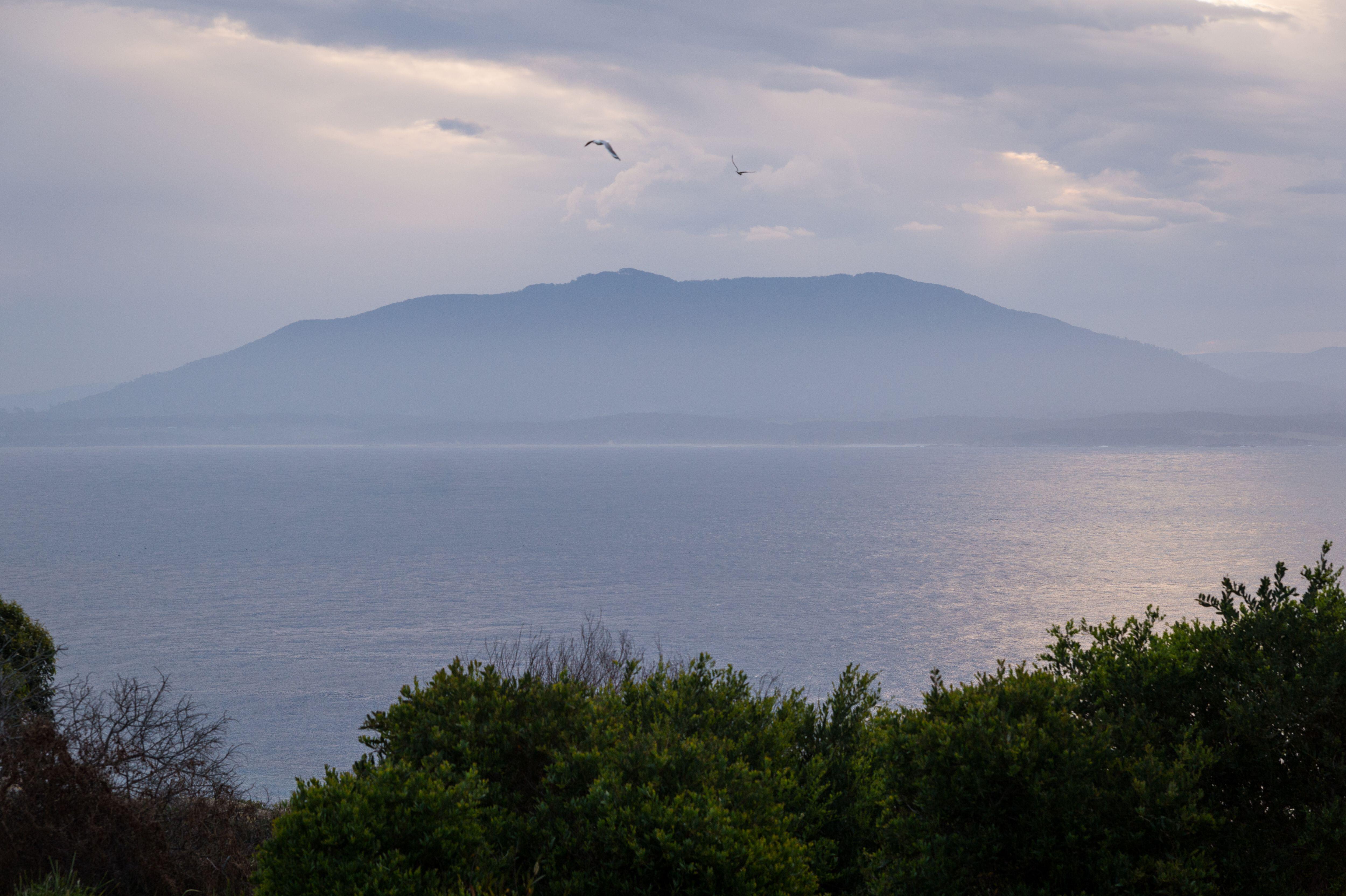
It is noted by many that Gulaga looks like a pregnant woman lying down.
But as Uncle Warren shares, Gulaga’s significance stretches further beyond Yuin people. “Gulaga connects to Desert stories - she is one of the Seven Sisters.”
Even today, Gulaga functions as an annual corroboree site where Indigenous people from all around the country come to the foot of Gulaga to celebrate and pay respects to Gulaga. Says Uncle Warren: “It is an inclusive celebration where Indigenous people and non-Indigenous people come together. They come to heal people and heal Country”.
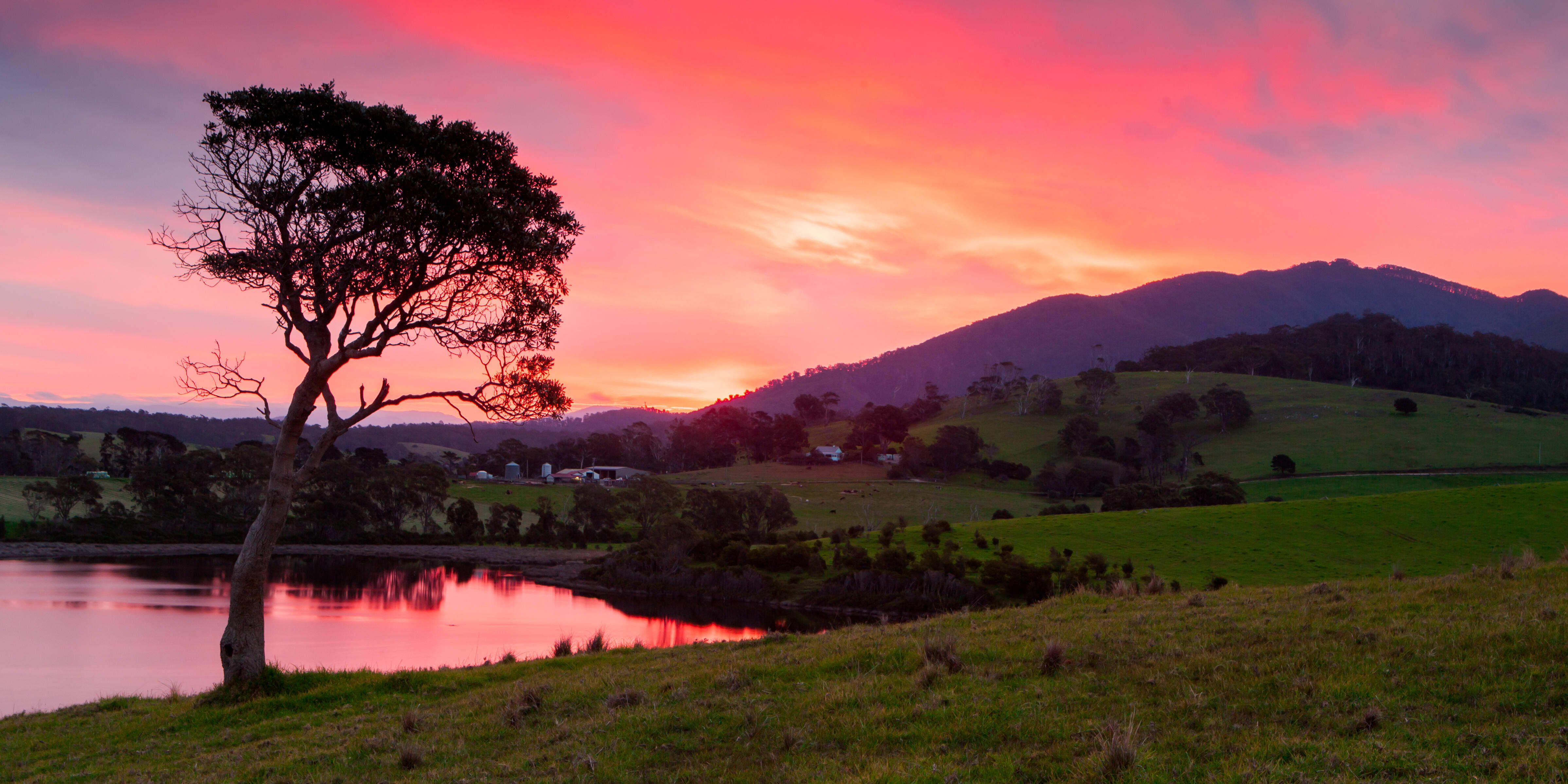
Impact of Logging: Since the 1830s, European squatters and timber cutters began arriving in and around Gulaga, displacing Yuin people from their ancestral lands. In 1891, colonial authorities established New South Wales’ first Aboriginal reserve at Wallaga Lake, situated in the shadow of Gulaga.
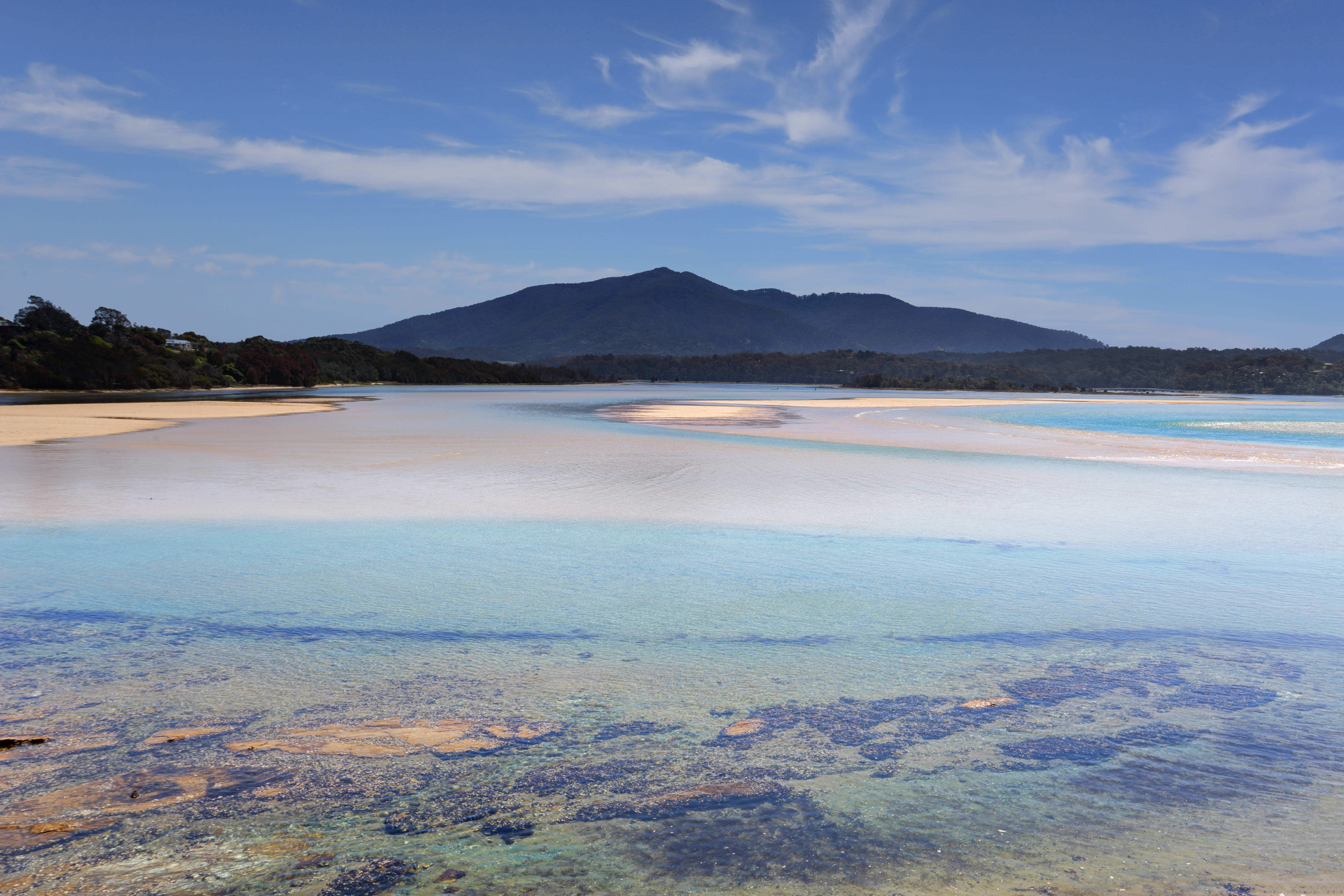
Many Yuin people with deep connections to Gulaga were compelled to live on the reserve, under the supervision of a non-Aboriginal manager. For local communities, the experiences of this era are part of their telling of the Captain Cook story.
Logging in nearby forests has threatened water quality and disturbed sacred ground. The area is now under joint management, but vigilance remains essential.
Protection Efforts: The park is co-managed by the NSW Government and Yuin Traditional Owners. Cultural mapping and storytelling have helped document the significance of these sites.
The road to protecting Gulaga from impacts like logging has been long and not easy. As is the case with Biamanga, Yuin people were protesting logging on or around Gulaga as far back as the 1970s.
In 1979, Gulaga and Biamanga Mountains were under threat from destructive logging by a Japanese company. Sacred trees were being felled and sacred rocks destroyed—acts that deeply disrespected the cultural and spiritual significance of these landscapes.
Together with Shirley Foster, Kevin Gilbert and Ronald McLeod, Mervyn Penrith delivered a petition signed by Elders Guboo Ted Thomas, Percy Davis and others to the Japanese Embassy in Canberra, calling for the logging to stop. Their efforts were successful, sparking a long journey toward returning these sacred sites to Aboriginal custodianship. In May 2006, these powerful advocates for nature were honoured as an official guest at the ceremony where the title to Gulaga Mountain was formally handed back to its Traditional Owners—a powerful moment of recognition, resilience and restoration.
What was Needed: While Gulaga National Park itself is protected, Corunna State Forest, located just north of Tilba and near Gulaga Mountain, has been subject to logging operations. A specific harvesting operation was completed in 2019, which covered just over half of the forest.
These operations have sparked community protests, with locals and environmental groups citing breaches of environmental protections, especially concerning endangered species like the masked owl, swift parrot, and southern brown bandicoot.
How the New Nature Laws Better Protect This Culturally Significant Site:
Stronger enforcement and assessment requirements safeguard this central site for Yuin spiritual life, supporting ongoing cultural practices and healing.
4. Newry State Forest – Gumbaynggirr Country
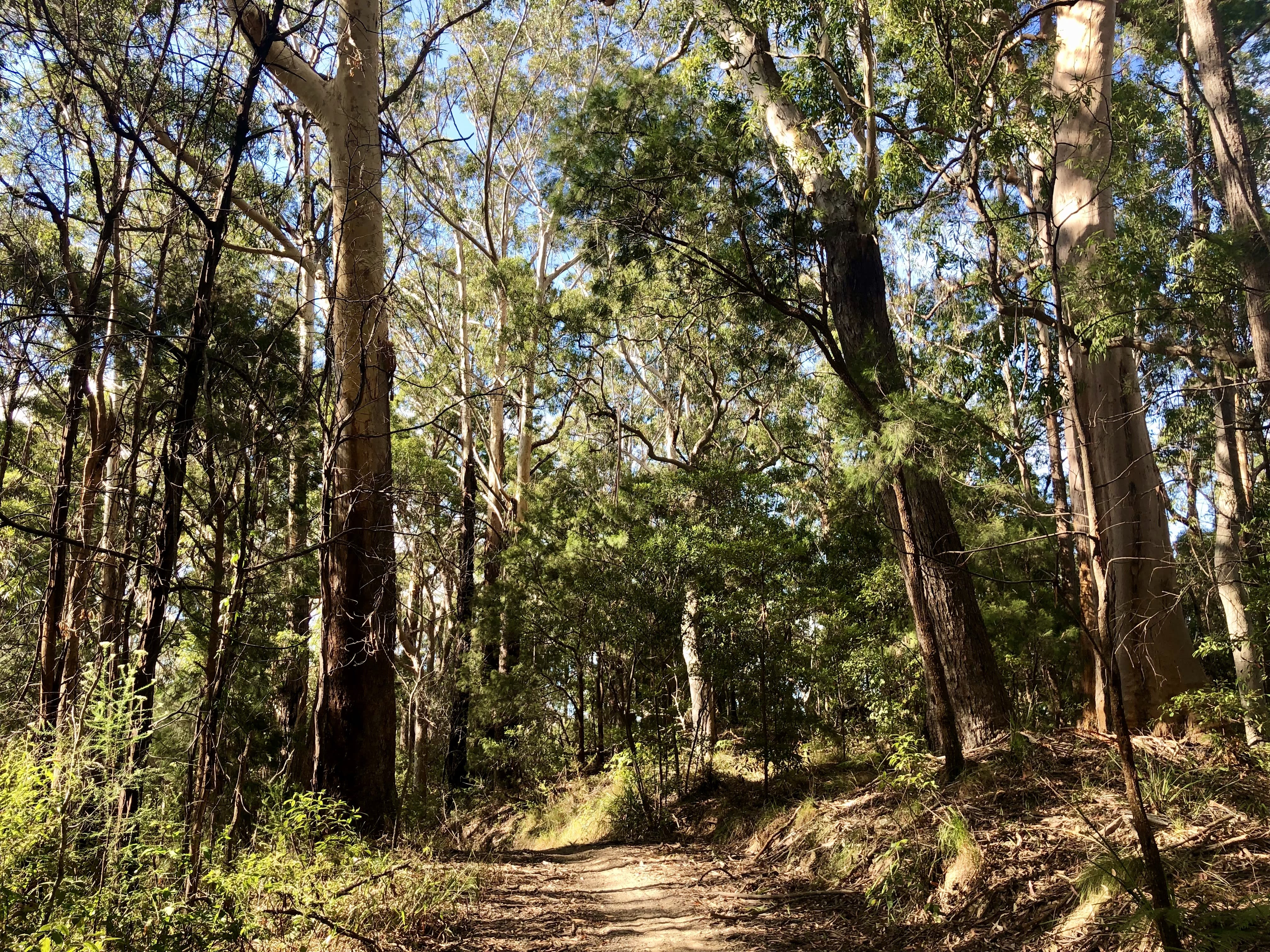
Newry State Forest is sacred to the Gumbaynggirr people, home to the dunggiirr (koala), a powerful totem animal. It is also part of the Nunngguu Mirraarl (Golden Kangaroo) songline landscape—a spiritual pathway that connects Country through story and ceremony.

Conservation groups have advocated to get a crucial section of forest in the Bollanolla Range, north west of Valla Beach, included in the Great Koala National Park.
Newry State Forest compartments 23, 24 and 25, also known as “the Bollanolla”, are not included in the Great Koala National Park assessment area and could be logged at any time.
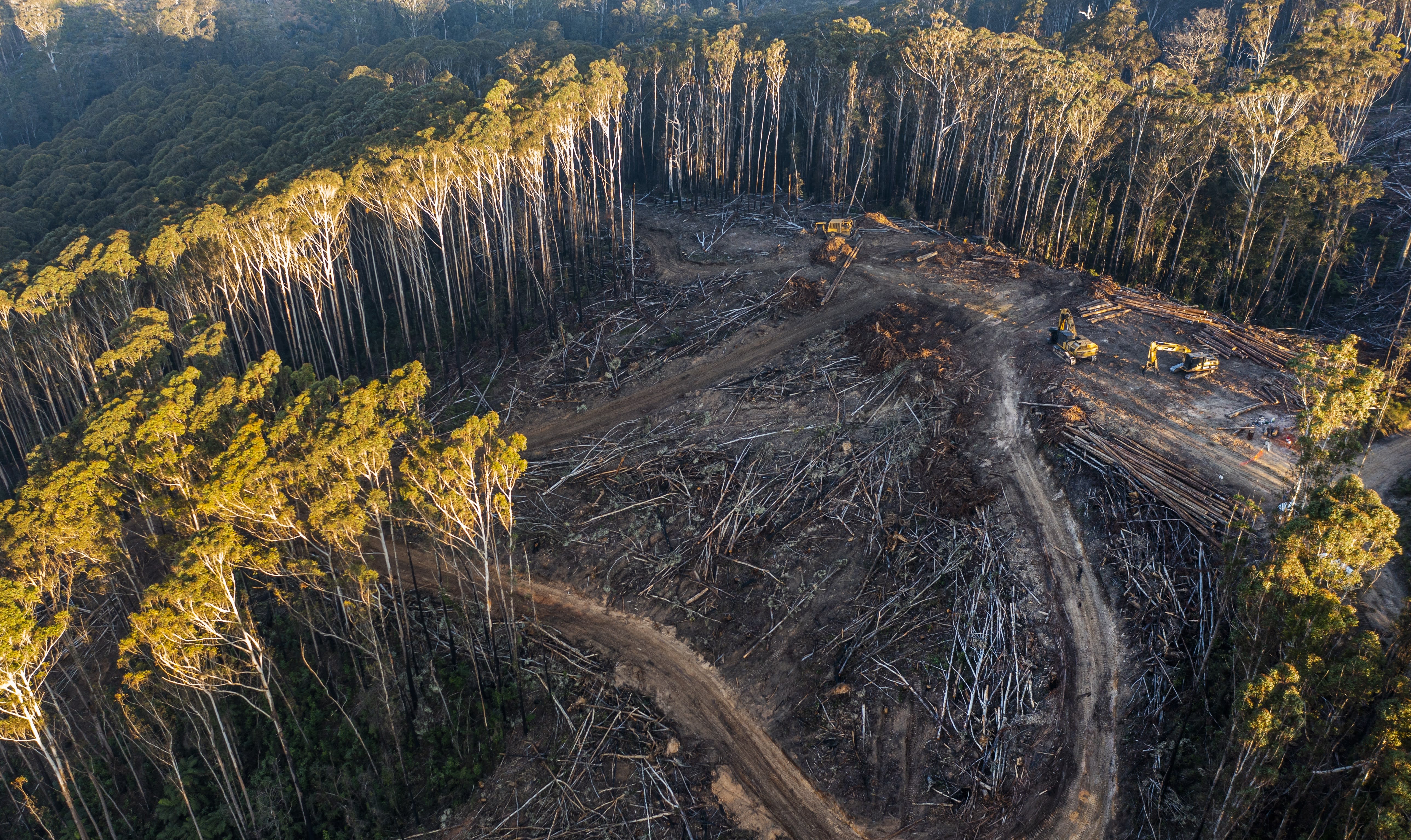
The park proposal focuses on adding gazetted state forests to existing protected areas to create the Great Koala National Park.
But compartments 23, 24 and 25 had not been gazetted as state forest when the original proposal was submitted.
The Bollanolla forms a crucial link between Jaaningga and Bollanolla Nature Reserves and is part of a corridor between the coast and the hinterland.
It is core habitat for the southern hinterland koala subpopulation, one of the most important coastal populations in the Great Koala National Park’s footprint.
It’s also home to hollow-dependent threatened species such as greater gliders.
To help mount the case for protection, WWF and the NPA funded drone surveys of the area on the nights of 19 March, 7 April and 30 April 2025.
A local drone ecologist identified 10 koalas, 5 southern greater gliders, and 2 squirrel gliders and wrote it could be inferred the area “supports a high density of threatened species, specifically koalas and southern greater gliders and is an important refuge”.
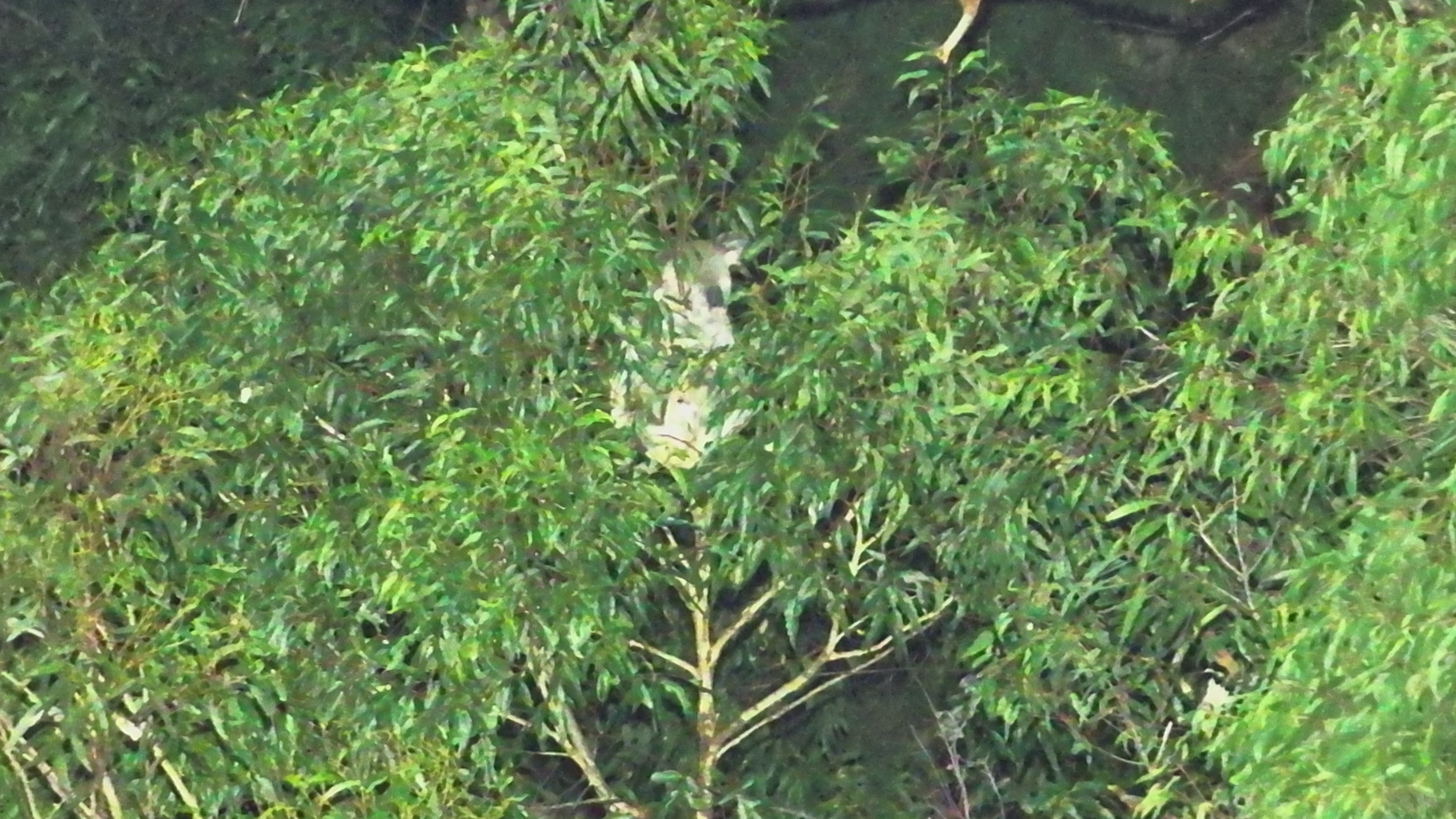
If protected, “the Bollanolla” would provide a key source of fauna to recolonise surrounding forests which have been heavily logged.
A government ecologist even described hollow-bearing trees in the 528-hectare block as a “rare commodity” in the region.
The Bollanolla also holds deep cultural significance for the Gumbaynggirr people.
Groups advocating to save the Bollanolla include the National Parks Association of NSW, the World Wide Fund for Nature Australia, the Bellingen Environment Centre, Forest Ecology Alliance, and the Nambucca Valley Conservation Association.
Impact of Logging: Logging has fragmented koala habitat and desecrated sacred sites. The presence of machinery and extractive activity is seen as a violation of spiritual law.
Protection Efforts: Gumbaynggirr elders have led resistance efforts since 2021. The proposed Great Koala National Park would include Newry and protect 176,000 hectares of habitat.
What’s Needed: Legislative action to establish the park and end native forest logging by 2026. Recognition of Gumbaynggirr sovereignty and cultural duty to protect Country is vital.
How the New Nature Laws Better Protect This Culturally Significant Site:
The new laws support the inclusion of key habitats in the Great Koala National Park, protecting Gumbaynggirr songlines and totem animals.
5. Tallaganda State Forest – Walbunja Country
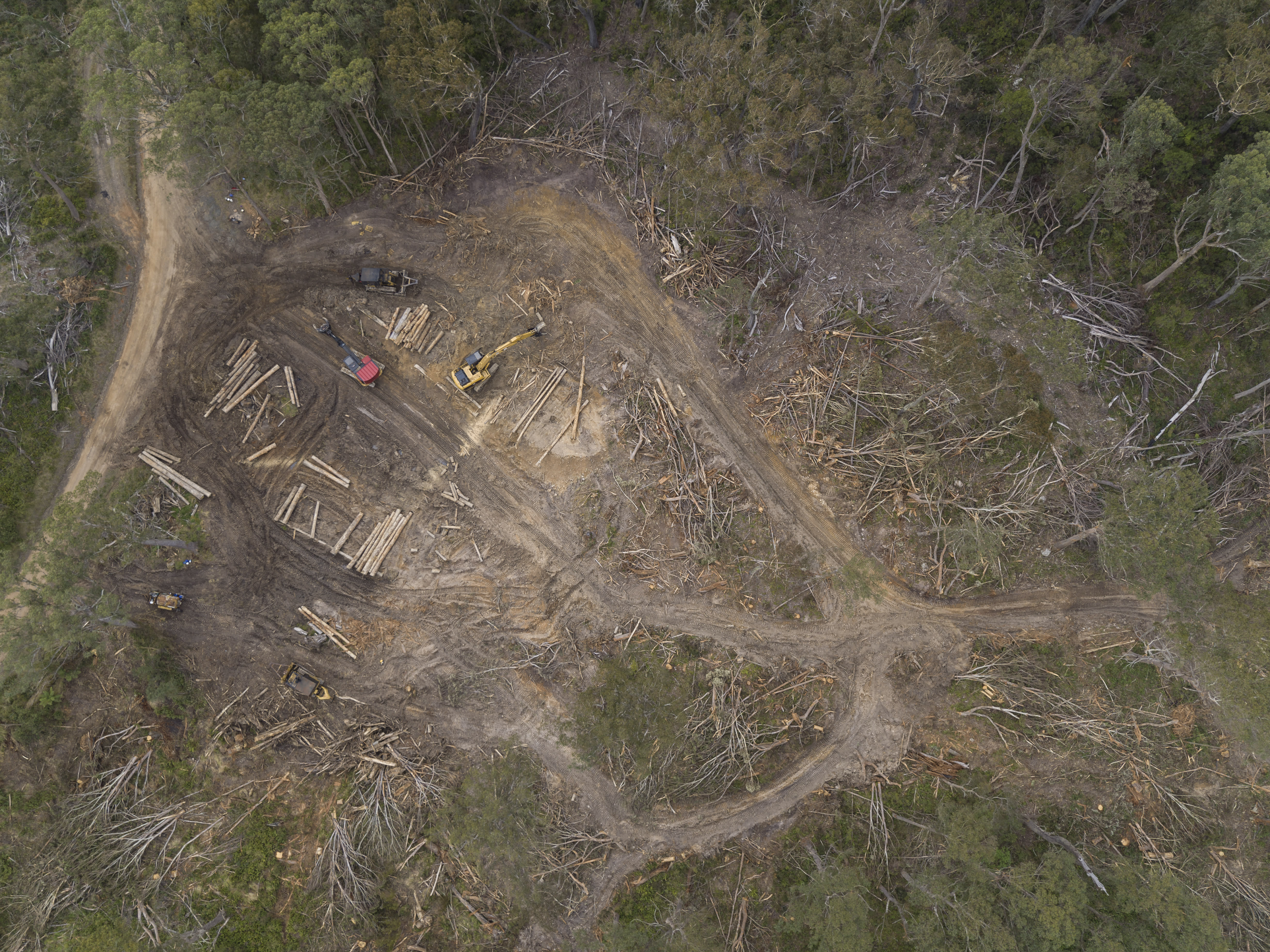
Tallaganda Forest, in the Southern Tablelands, is rich in biodiversity and cultural sites. It is home to culturally significant species including the greater glider.
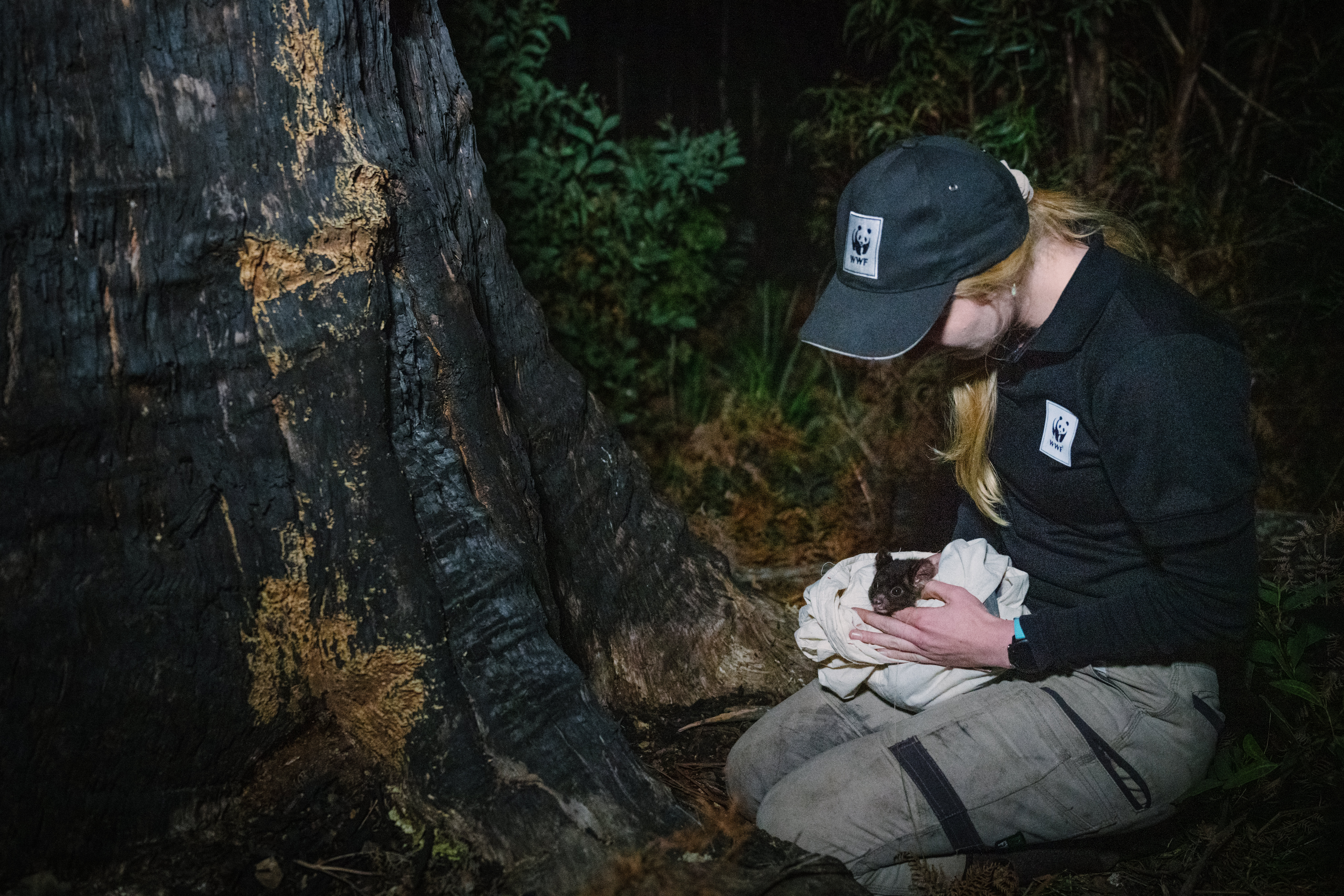
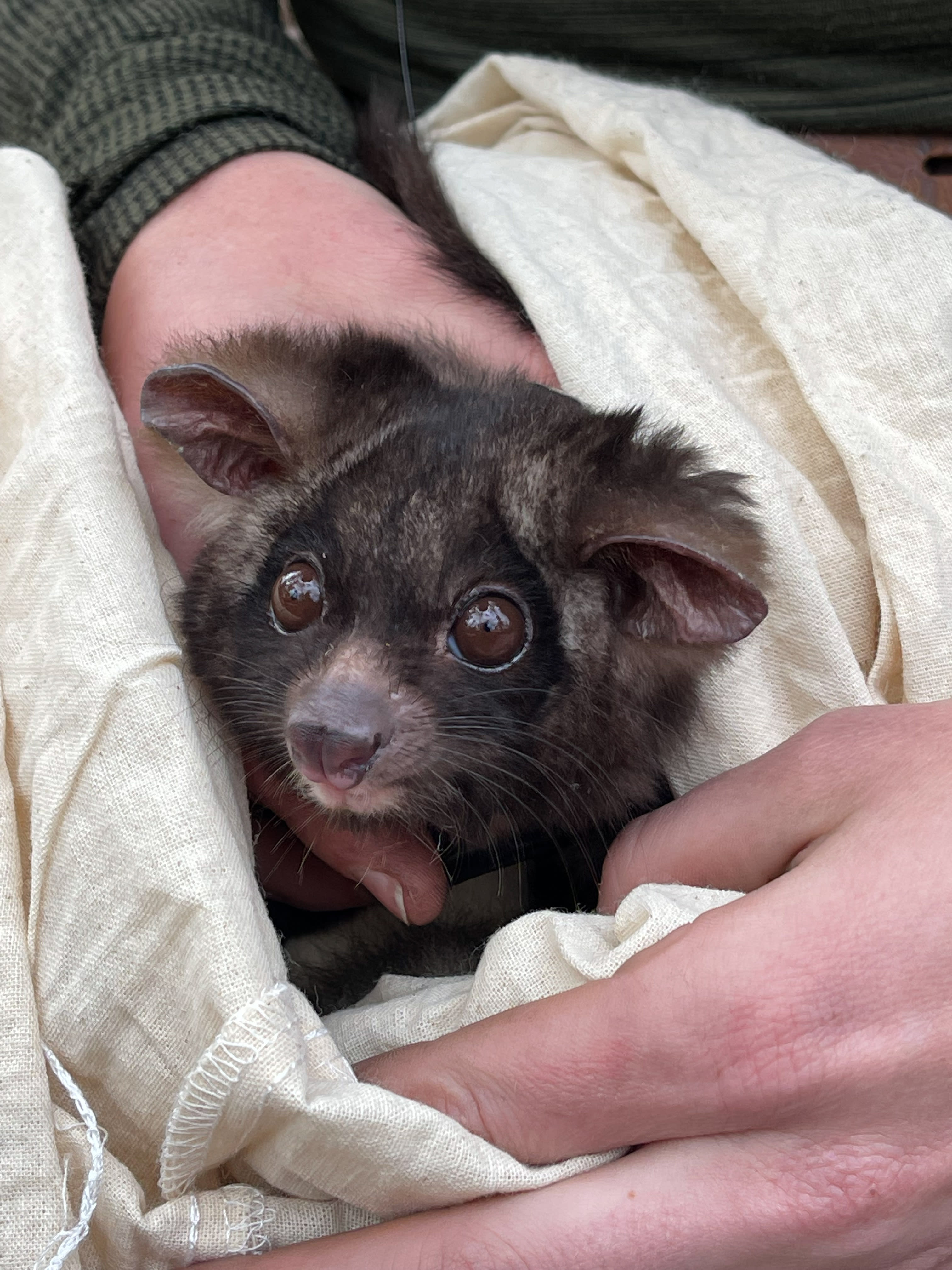
For the Walbunja people, Tallaganda is a place of ceremony, seasonal movement, and traditional fire management.
Impact of Logging: Tallaganda State Forest is deeply impacted by federal nature law loopholes in the form of Regional Forest Agreements (RFAs), which have allowed logging to continue despite mounting evidence of environmental harm and legal breaches.
Logging in Tallaganda has removed old-growth trees and disturbed ceremonial grounds. The forest’s role in cultural practice and ecological stewardship has been undermined.
Protection Efforts: Local Aboriginal Land Councils and conservation groups have called for a moratorium on logging. Citizen science has helped document endangered species presence.
What’s Needed: Cultural heritage mapping and inclusion in biodiversity corridors. Funding for Indigenous ranger programs to restore and monitor the forest.
How the New Nature Laws Better Protect This Culturally Significant Site:
Old-growth trees and ceremonial grounds will be protected under national standards, with Indigenous ranger programs and cultural mapping prioritised.
🌳Closing the Loopholes
Prior to these new reforms being passed, most native forest logging could skip national protections because our national nature laws did not apply to old agreements between the federal government and some states. These agreements are known as Regional Forest Agreements (RFAs). Logging projects covered by these agreements did not have to follow national nature laws. This meant they skipped the usual federal checks for impacts on the environment.
With the passing of these reforms, sacred sites across NSW are now recognised and protected under stronger national laws. This is a testament to the power of community advocacy and the importance of Indigenous leadership in caring for Country. The journey continues, but today we celebrate a major step forward.