Facts about greater gliders and the nest box project
Greater gliders are listed as Endangered in Australia.
Populations have declined by up to 80%.
Greater gliders rely on tree hollows for shelter.
Nest boxes provide new homes for greater gliders.
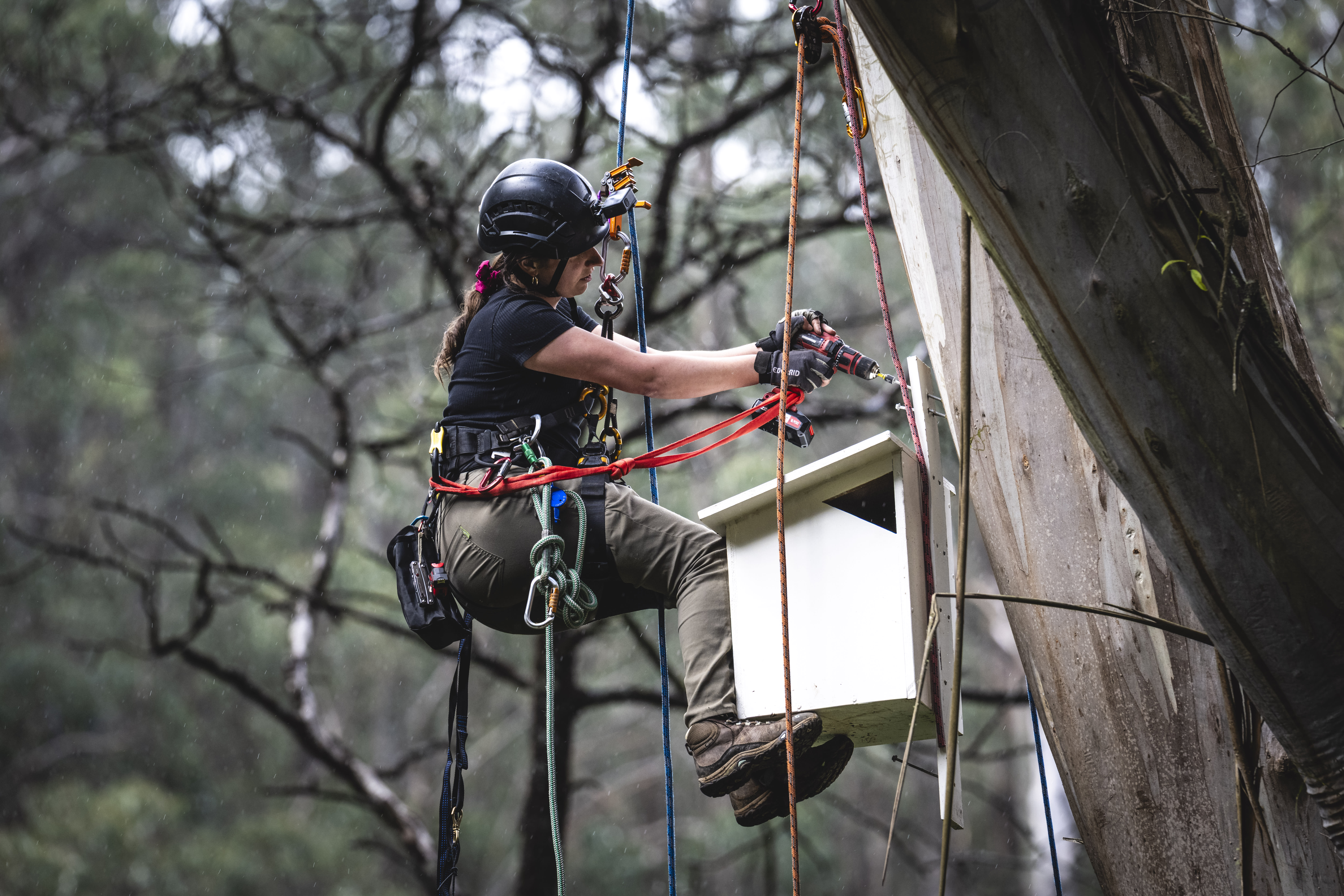
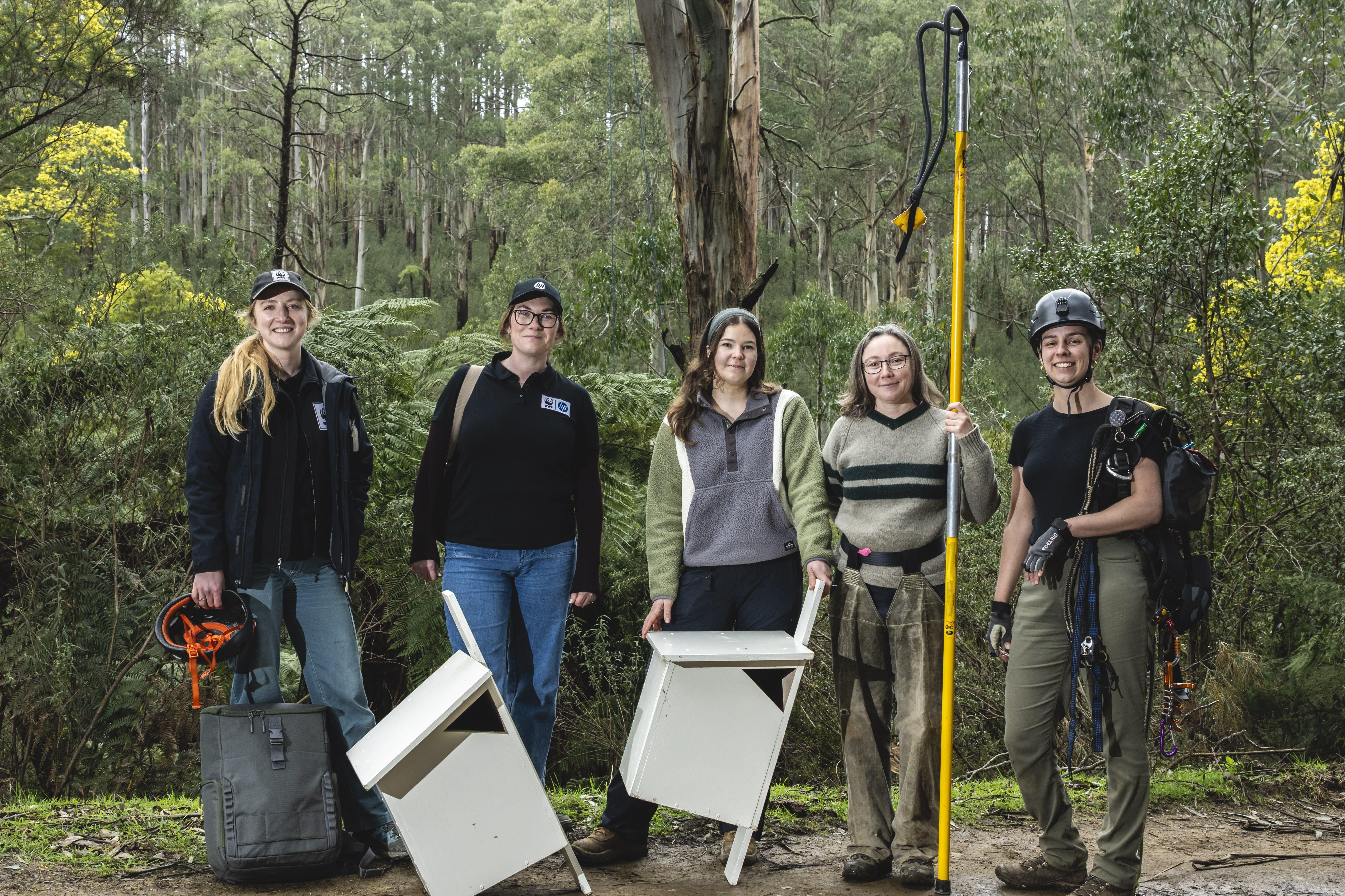
A new project led by WWF-Australia and the Australian National University (ANU), with support from HP Inc. and community groups sees 166 purpose-built nest boxes installed in Victoria.
How the greater glider nest box project is helping with conservation
Greater gliders once lived abundantly throughout Queensland, New South Wales and Victoria.
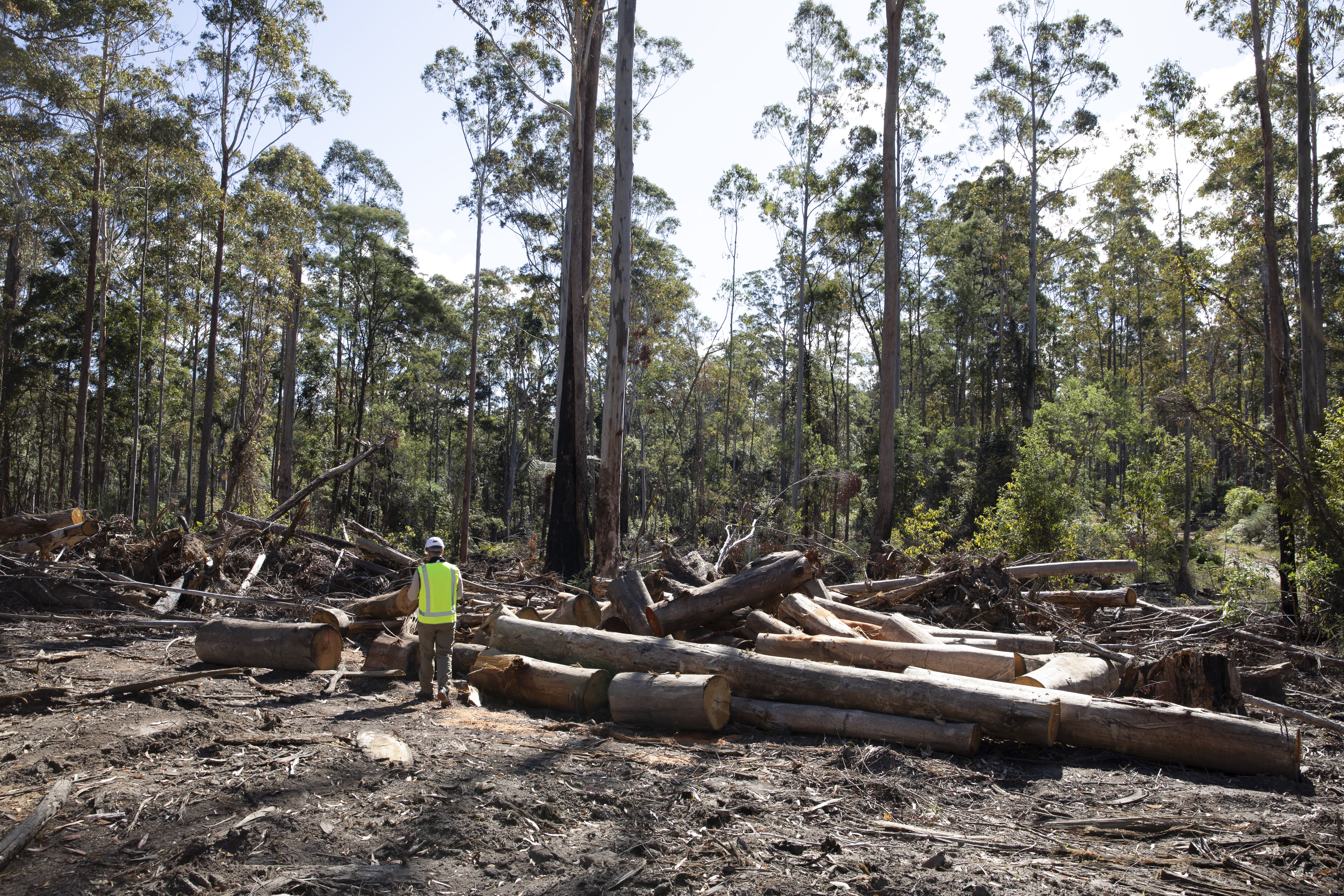
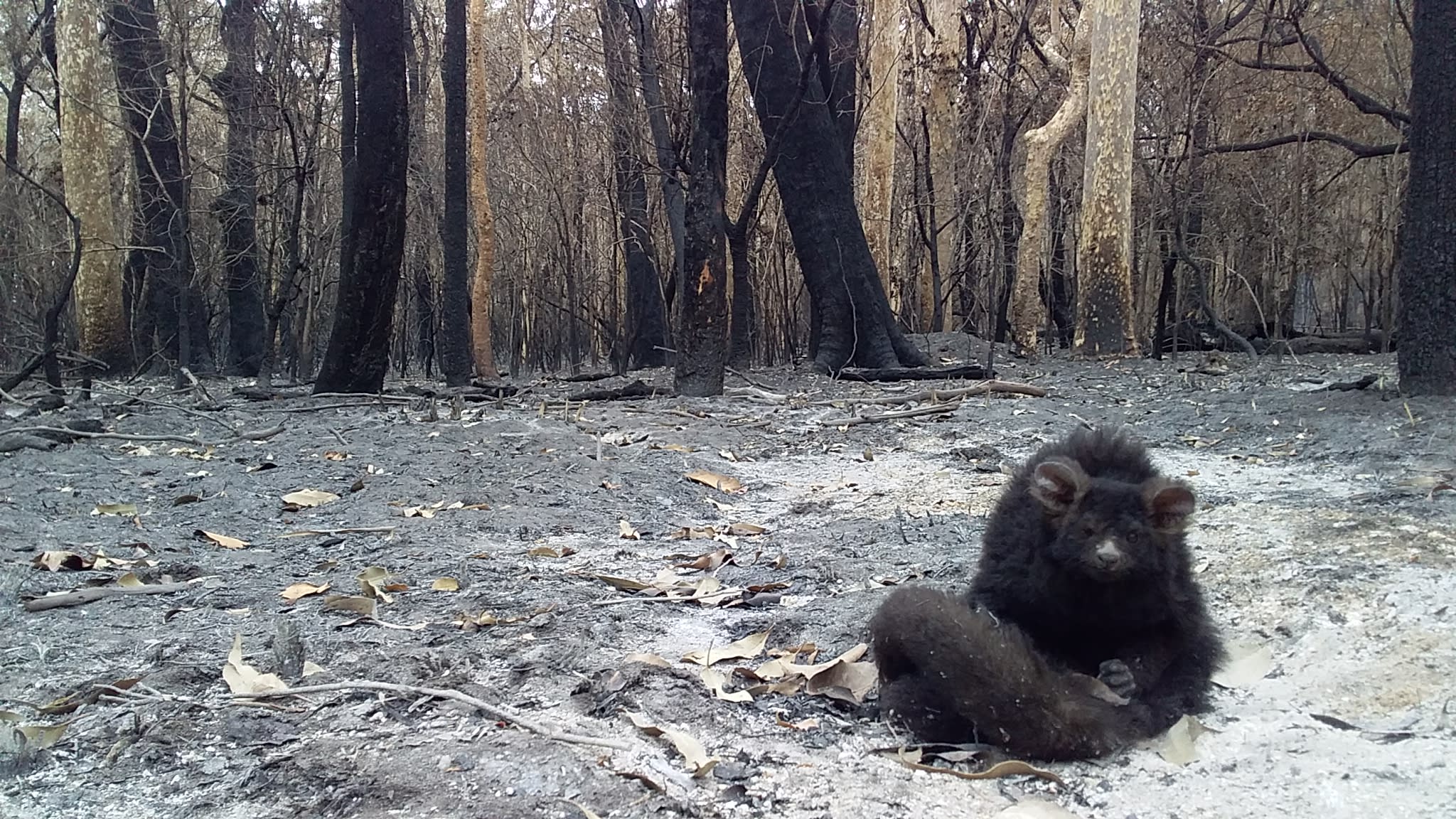
In 2022, greater gliders were listed as Endangered in Australia after populations plummeted by up to 80% in some locations over the previous twenty years, due to deforestation, logging and climate-fuelled bushfires.
Their quiet disappearance from our forests tells a confronting story.
Luckily, a project constructing new homes (nest boxes) in the canopy for these adorable marsupials is ensuring their survival.
WWF‑Australia, together with the Australian National University (ANU) and supported by global tech leader HP Inc, is bringing this important project to life.
Interestingly though, it’s not just greater gliders benefiting.
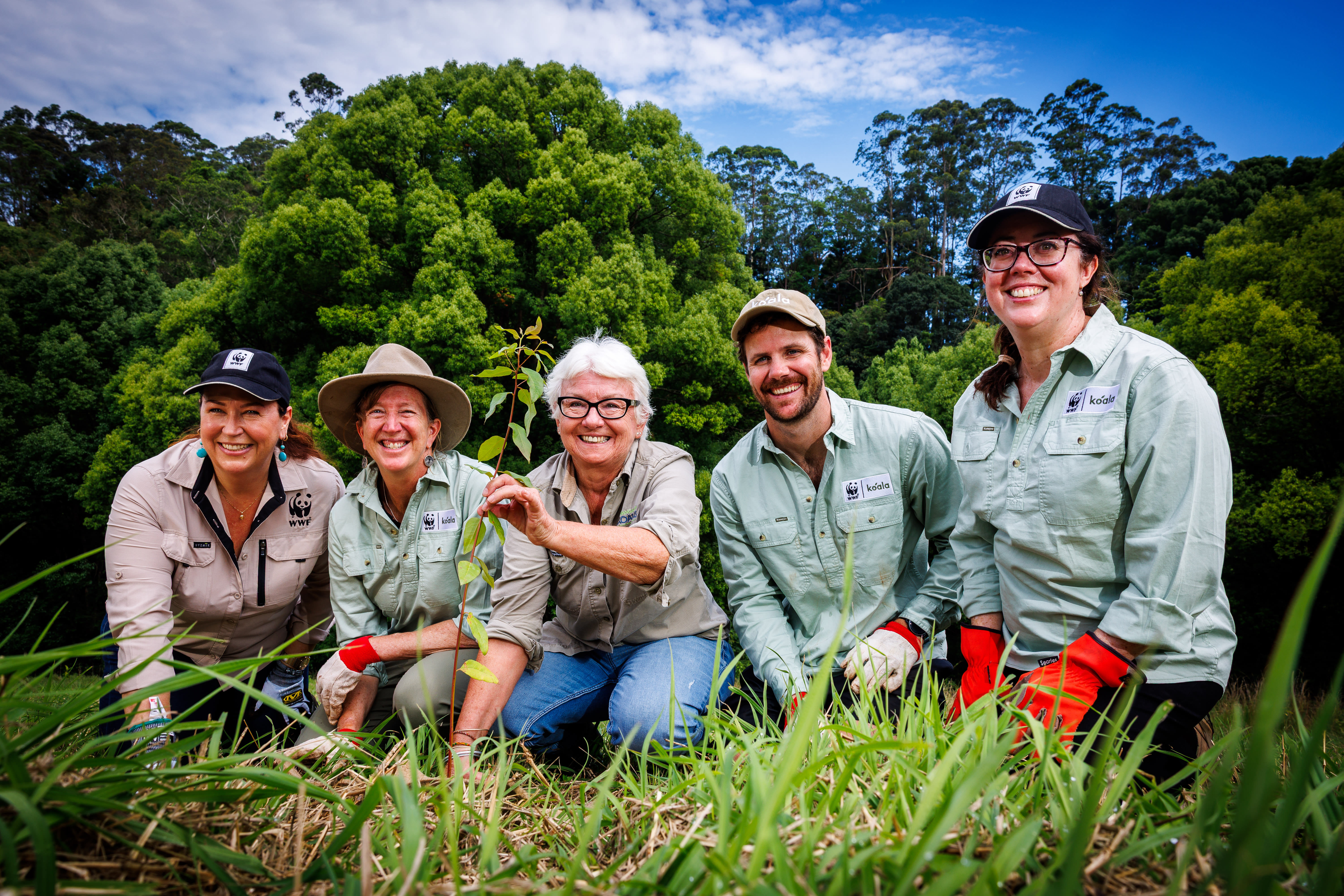
Community groups and volunteers have rolled up their sleeves to literally build a future for greater gliders.
In turn, these volunteers are reaping the benefits too.
Community hands building nest boxes and hope for greater gliders
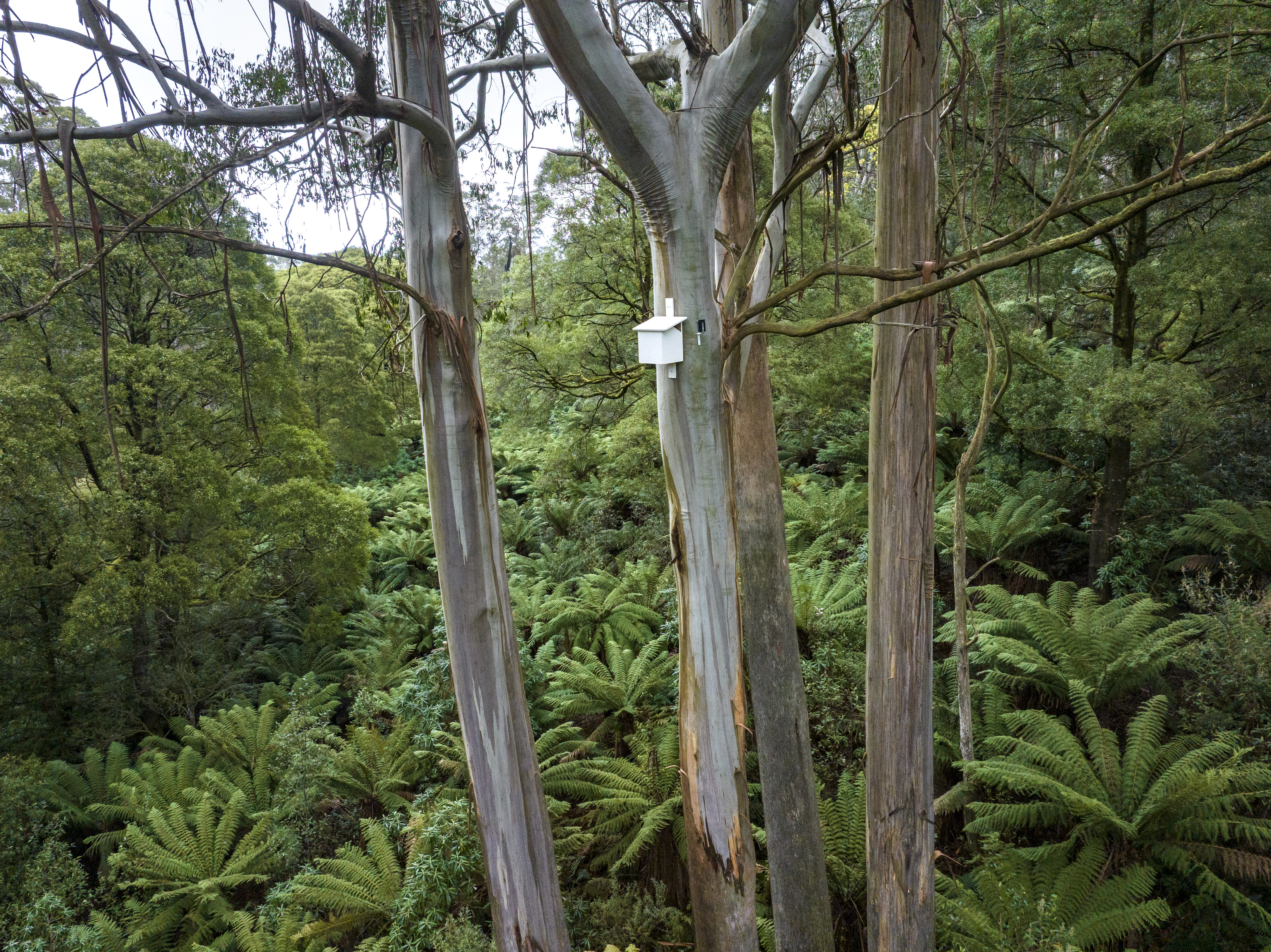
Hundreds of greater glider nest boxes have been installed at dozens of sites across the Victorian Central Highlands, ranging across Toolangi, Yarra and Powelltown.
Thanks to a mix of highly skilled and beginner carpenters, these volunteers tirelessly built each box from scratch.
Many have learnt about greater gliders for the first time.
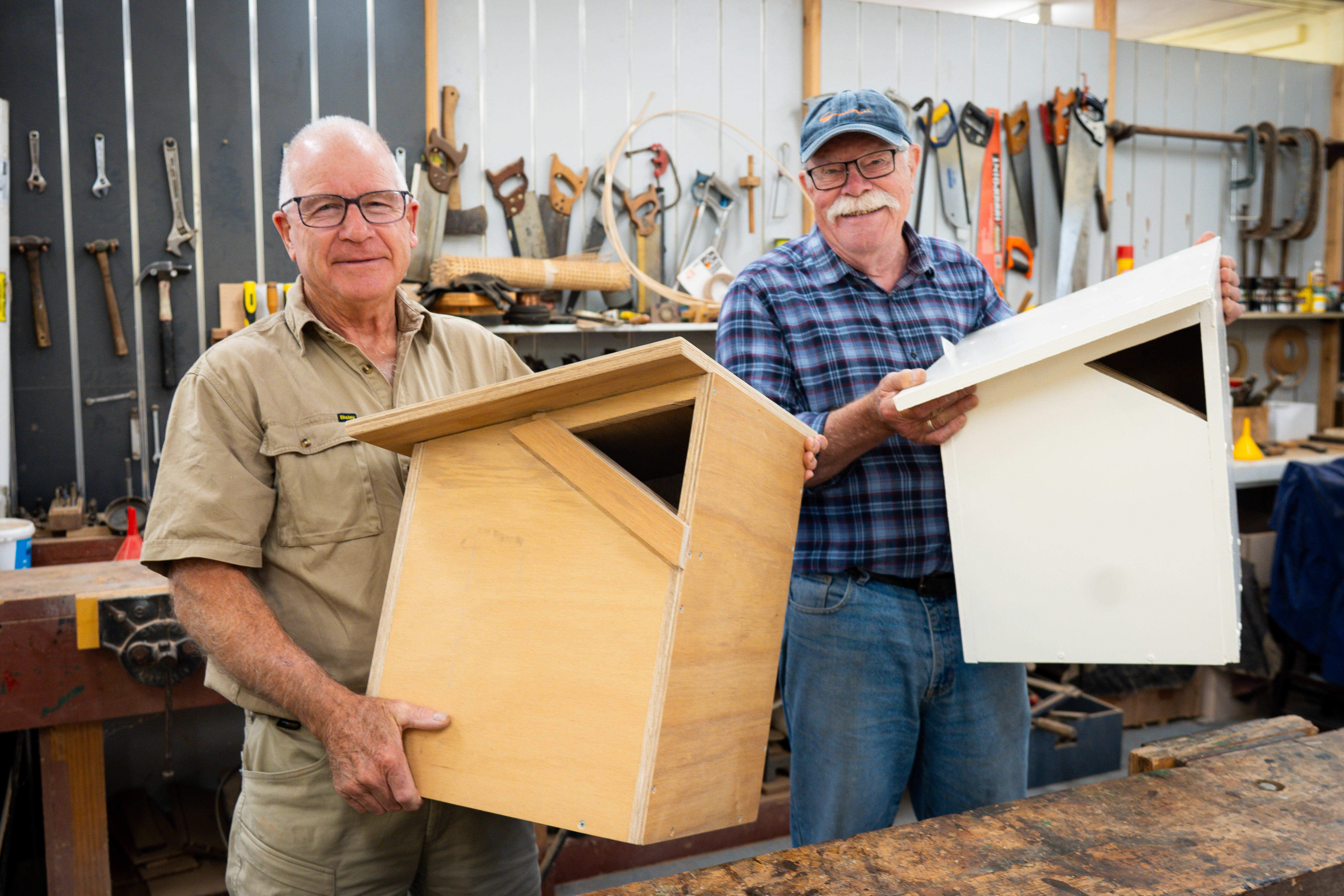
Hall Men’s Shed in Canberra, Yass Men’s Shed in the NSW Southern Tablelands and Woodchix in Sydney constructed 166 nest boxes.
Doug Anstess, Foreman of the Hall Men’s Shed, was introduced to the fascinating greater gliders at 75 years old.
“Building nest boxes has been a terrific project for us. We hadn't heard of the greater glider. It wasn't until we started looking at the research that we realised, oh gee, these gliders are something else. We’d better do a good job,” says Doug.
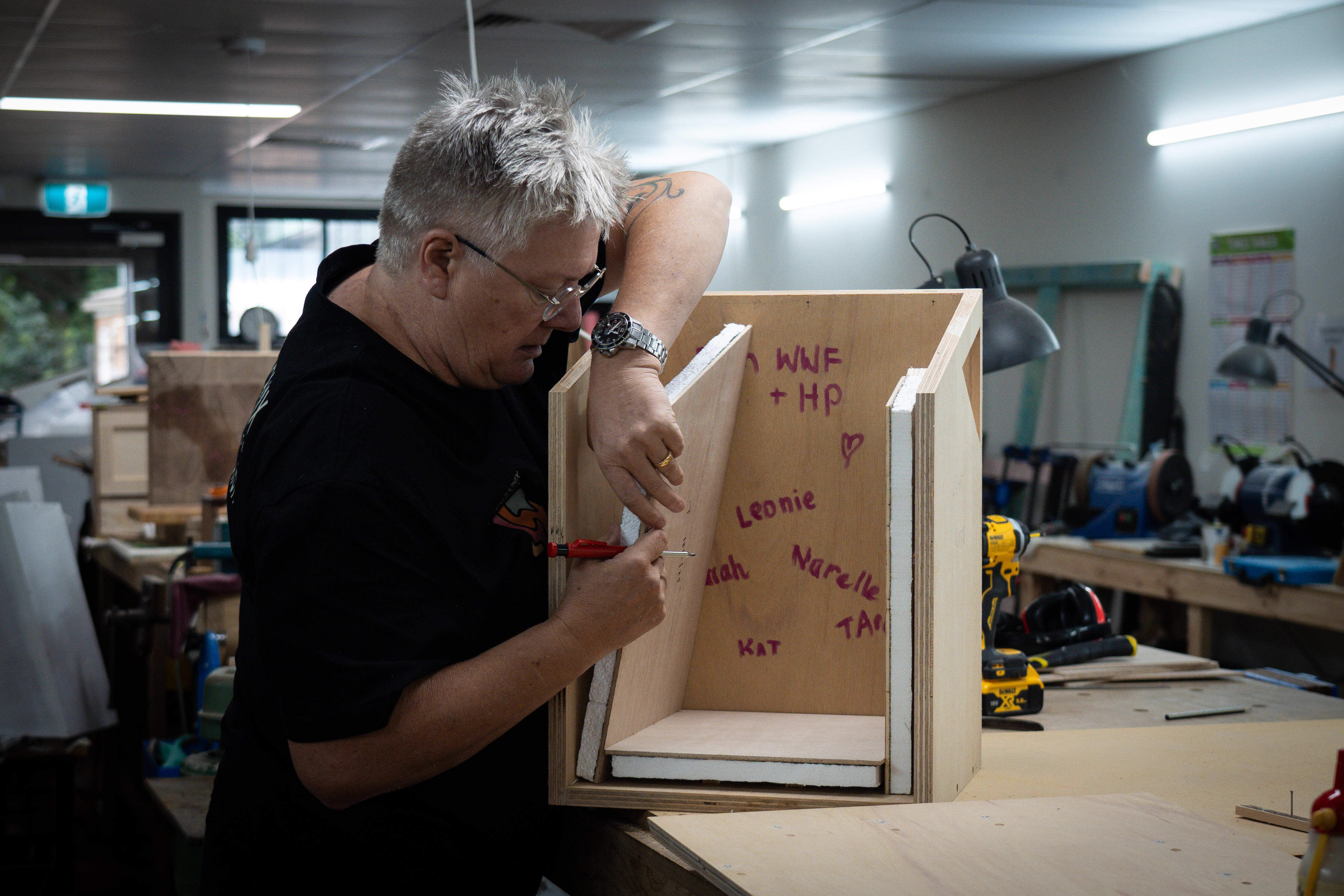
Sydney-based, women-run woodworking community Woodchix also nailed the nest box project, providing a sense of purpose and connection.
Founder Gill Enterkin says the group is proud to help the environment.
“We’ve had dozens of women volunteer to do the greater glider nest boxes, and they’ve had a terrific time,” says Gill.
“I saw a photo of a greater glider family in the bottom of a nest box looking up, and they were gorgeous. That says everything. That's why I'm here. That's why we're doing it. That's why every woman who volunteered here came to do it.”
A brighter future for greater gliders
WWF-Australia conservation scientist Dr Kita Ashman is confident these new safe havens will be a welcome addition to strengthen greater glider populations.
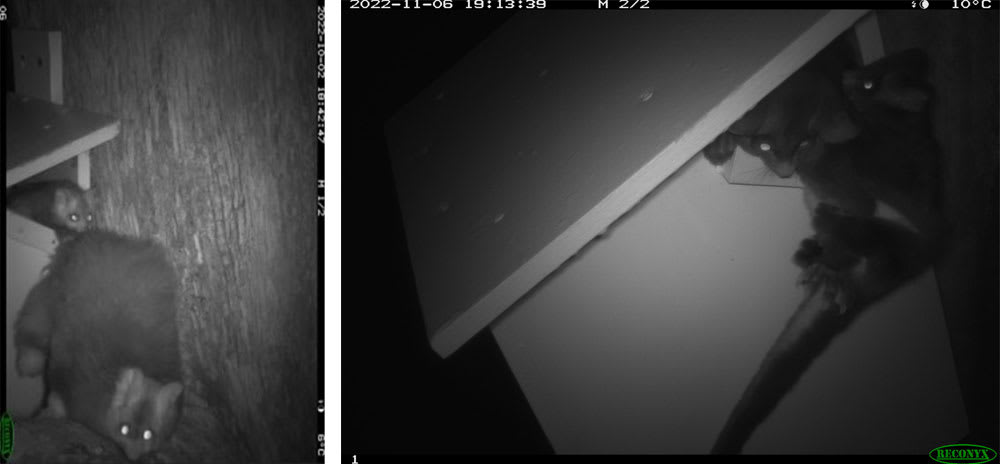
“A couple of years ago, we installed a bunch of nest boxes for greater gliders and saw they were using them really quickly, within the first 10 weeks,” says Dr Ashman.
“We’ve seen mama gliders have baby gliders in the boxes, and I’ll never forget the moment the sensor camera images showed a glider with her baby going in and out of the nest box.”
“They weren’t just using them, but using them to breed, and what’s come next has been the early stages of population recovery at these sites.”
Why do greater gliders need nest boxes?
Tree hollows are essential for greater gliders, but naturally formed tree hollows are becoming increasingly rare. That’s why purpose-built nest boxes are critical for greater gliders.
Without a safe place to sleep, live and breed, these ‘flying’ superstars don’t stand a chance.
Facts about tree hollows
It can take more than 100 years for a tree hollow to form naturally.
Hollow-bearing trees are in short supply because of bushfires, logging and landclearing.
Old-growth mountain ash trees are ideal greater glider habitat, due to naturally formed hollows.
Now, only about 1% of remaining mountain ash forest in the Victorian Central Highlands is old-growth.
ANU senior research fellow and project lead Dr Kara Youngentob says there are trees greater gliders can eat, but there are limited places for them to sleep or raise young.
“It's kind of like having a bed and breakfast without the bed,” says Dr Youngentob.
“So, we need to bring the beds back into the forest to try to bring the gliders back. We’re doing that with the help of nest boxes.”
How do nest boxes help greater gliders survive?
Nest boxes are designed to replicate the conditions of natural tree hollows. The ANU-designed boxes in this project are insulated, fire-resistant and built to regulate temperature – keeping gliders warmer in winter and cooler in summer.
Compared to older designs, these high-tech nest boxes include insulation, air gaps, fireproof sealant and heat-reflective paint, making them a climate-resilient solution.
In trials beginning in 2022, greater gliders moved into the artificial homes rapidly.
Scientists are now studying whether nest boxes can help boost population recovery following the 2019-20 megafires.
How collaboration is boosting greater glider conservation
HP Inc’s support reflects a commitment towards healthy forests, thriving communities and a resilient future.
Olivia West, HP Inc Sustainability Manager, said the partnership with WWF is about the future we all share.
“Healthy forests give us clean air, protect biodiversity and help fight climate change,” says Olivia. “At HP, we believe technology and sustainability go hand in hand – innovation should serve people and the planet.”
Working together for a hopeful future for greater gliders
By combining science, community action and visionary partnerships, nest boxes are helping restore what forests have lost.
Contributing to greater glider conservation, nest boxes offer a chance for this iconic Aussie species to soar into the future.
FAQs about the greater glider nest box project
What is a greater glider?
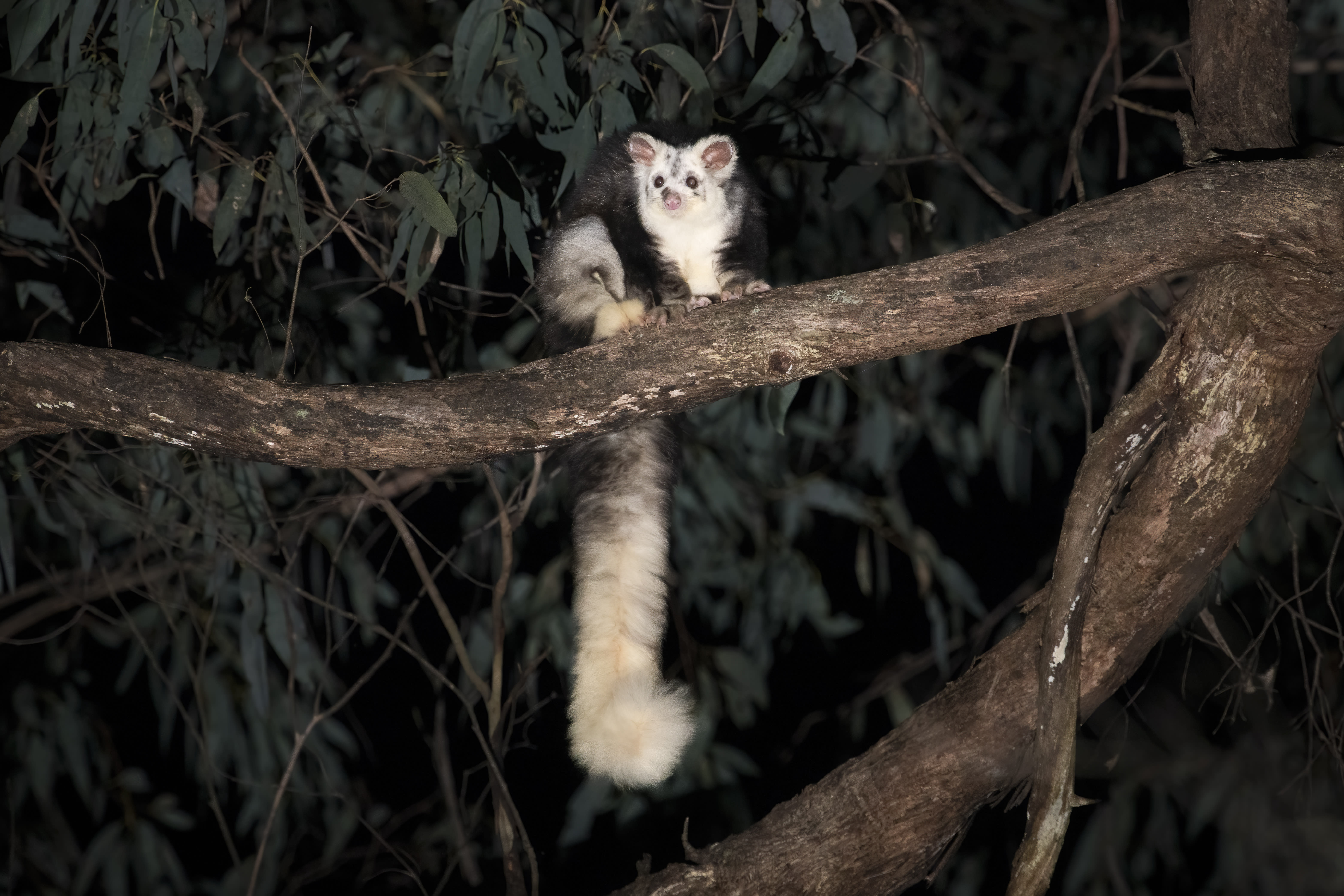
The greater glider is Australia’s largest gliding marsupial. Nocturnal and shy, it glides through tall eucalypt forests using its long tail to steer. Large eyes help it see at night. By day, it rests in tree hollows and feeds on eucalyptus leaves at night.
Why are greater gliders endangered?
Greater glider populations have declined over the past two decades due to habitat destruction from logging and landclearing, weak nature laws and bushfires fuelled by climate change.
What is a nest box?
A nest box is a purpose-built home for greater gliders to live, breed and sleep. They provide an alternative safe haven, replacing natural tree hollows that have been destroyed.
Do greater gliders use nest boxes?
Yes. Trials in Victoria have shown that greater gliders can move into nest boxes within weeks of installation. WWF‑Australia and ANU scientists have even recorded mothers raising joeys inside these artificial hollows.
How do nest boxes help greater gliders survive?
Nest boxes act as replacement hollows in forests where old, hollow‑bearing trees have been destroyed by logging or bushfires. The ANU‑designed boxes are insulated, fire‑resistant and built to regulate temperature, helping protect greater gliders from extreme heat and cold while they rest and breed.
If you’re asking: “How can I help greater gliders?” Here are four ways to make a difference:
Sign the petition to strengthen nature laws to protect Aussie wildlife.
Make a donation to help the greater glider.
Sign up to watch a pair of Endangered greater gliders live inside a tree hollow, via livestream.
Discover how communities are coming together to build resilience to climate change.